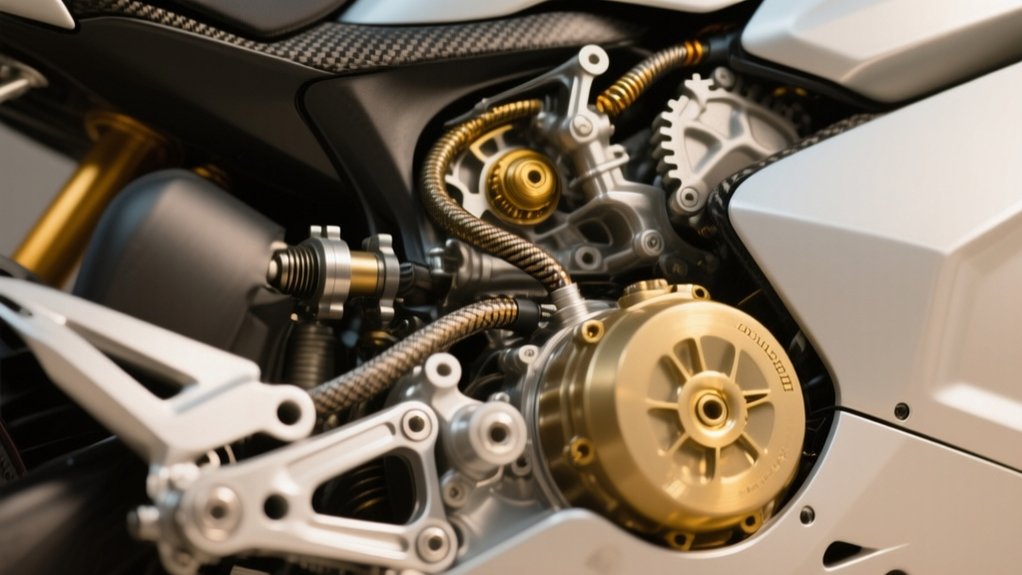
What Is Desmo Service Ducati – Simple Breakdown
Ducati desmo service is a valve-train check and adjustment for the brand’s desmodromic system.
Here, cams open and close the valves.
You remove the covers and set the engine at true top dead center.
Then you measure clearances with feeler gauges.
After that, you replace shims or adjust tappets as needed.
It’s usually done by Ducati specialists, since timing and torque must be exact.
If you want the full picture, the next section breaks down models, intervals, and cost.
What Is Ducati Desmo Service?
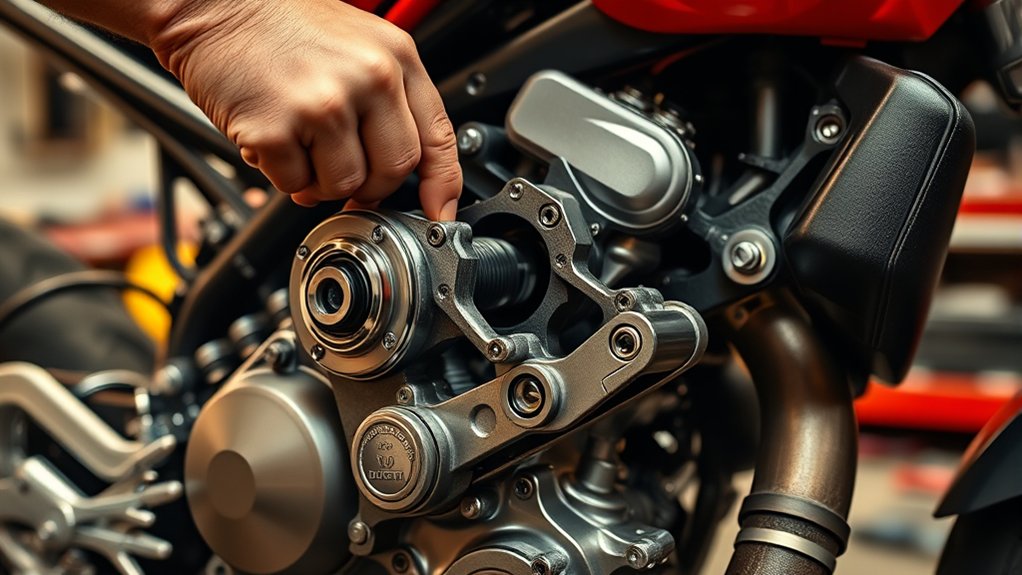
Ducati Desmo service is the check and adjustment of the brand’s desmodromic valve train.
With this system, cams both open and close the valves instead of relying on springs.
To do it, you remove covers and expose the top end.
Then you set the engine at top dead center so the valves stay controlled.
After that, the technician inspects cam timing and measures clearances.
If anything is out of spec, shims are replaced or tappets are adjusted.
During reassembly, new gaskets are fitted for a proper seal.
The cover removal often takes the longest, but once access is ready, the measurements and corrections are straightforward for a trained technician.
If you’re opening a new account with a Ducati specialist, ask about fixed-price Ducati Desmo service options.
Also confirm genuine parts and estimated turnaround time.
Which Ducati Models Need Desmo Service?
If your Ducati uses a desmodromic valve train, you’ll need Desmo service at the intervals in the factory schedule.
That includes most modern twin-cylinder models like the Monster, Multistrada V2/950, Scrambler, Hypermotard, and Panigale L-twin bikes.
You also need it on high-performance desmo models such as the Panigale V4, Streetfighter V4, and older 1098/1198-era superbikes.
Service timing varies by model, but inspection often falls between 7,500 and 15,000 miles, or 12,000 to 24,000 km.
Ducati’s manual specifies when you need full shim or belt work.
Older air-cooled twins and liquid-cooled engines share the same access challenge, removing covers and reaching the cams takes time.
You can do it yourself, but many riders use Ducati specialists for precise adjustment and tight-access models.
Why Ducati Desmo Service Needs Care
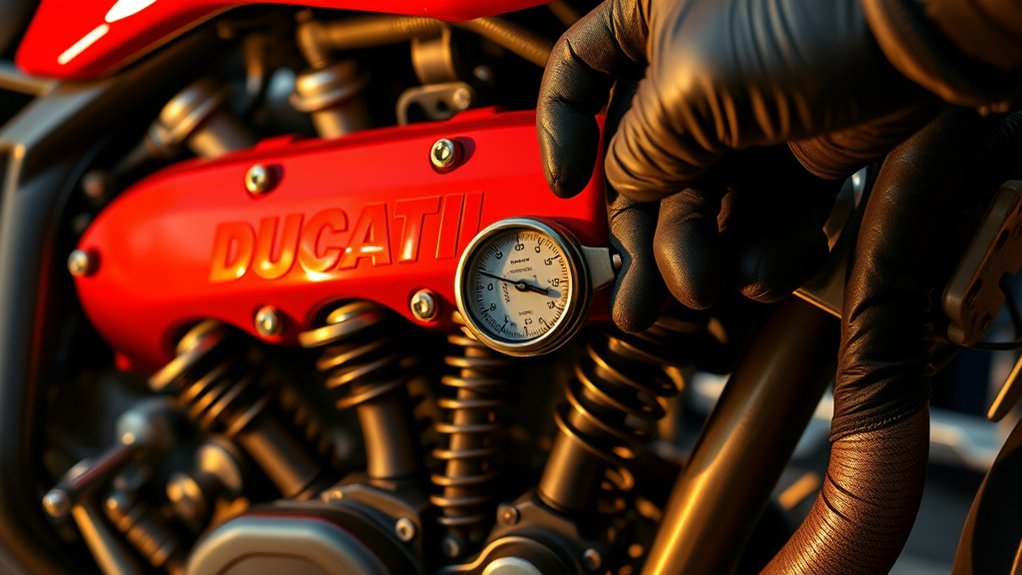
You need exact valve timing and clearances on a Ducati Desmo because the system uses mechanical opening and closing. With something this precise, even a small error can lead to valve float or—worst case—valve contact.
That’s also why the valves need to be inspected and shimmed at top-dead-center. It’s the best way to keep the engine safe while the covers are off and make sure everything is set correctly.
Of course, the labour costs more, mainly because getting access takes time. But careful measurement and correct torqueing make a big difference, and they help prevent bent valves and major engine damage.
Valve Timing Precision
Because Ducati’s desmodromic system closes the valves with a second cam and rocker, valve timing has to stay dead on spec.
You’re not just checking when the valve opens; you’re confirming that both opening and closing events match the factory marks exactly.
If timing drifts, you can create valve-to-piston contact and lose reliable sealing.
That’s why technicians lock the crank and cams, work at the specified cylinder position, and read the timing marks before any shim change.
You also need exact shim thickness, often in 0.05–0.10 mm steps, because lash affects seating and overlap.
Reassembly must preserve the marks, chain alignment, and cam-cap torque, so the engine returns to spec after service.
TDC Safety Checks
True top dead center matters on a Ducati desmo engine.
The cam lobes and followers must sit fully settled before you measure clearances or pull any cam hardware.
You lock the crank at precise TDC.
Then verify it with timing pins, pulley marks, or a dial indicator.
If you miss it, even by a few degrees, your shim readings go wrong.
A valve can drop when you remove parts.
| Check | Risk |
|---|---|
| Document cam positions | Misassembly |
| Confirm repeatable TDC | Wrong clearance |
| Use locking tools | Crank drift |
| Recheck after rotation | Lost timing |
| Secure fasteners | Dropped valve |
That’s why desmo service takes care of the details.
You protect the engine, preserve factory timing, and avoid bent valves or piston damage.
Access And Labour
Once the crank is locked at true TDC, the real work starts: getting to the Desmo head. You’ll remove fairings, covers, and anything blocking access. That alone can swallow a big share of the labour bill.
Ducati desmo heads also demand exact cam removal timing. So you can’t rush the setup without risking dropped valves. After that, you’ll measure clearances and select shims.
Then you fit the shims under the tappets and repeat the process cylinder by cylinder. It’s hands-on, repetitive work. You also need to label fasteners carefully.
That’s because Ducati uses different sizes and locations. A simple card layout helps during reassembly. Many specialists price this as a fixed Desmo service.
Often it’s around £695, because access and labour, not just parts, drive the cost.
What’s Included in a Ducati Desmo Service?
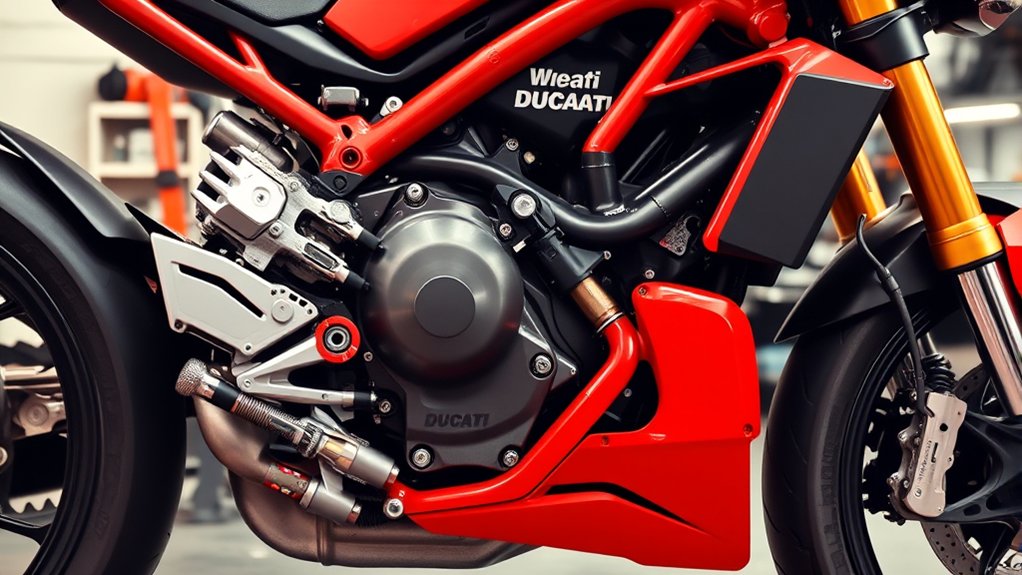
A Ducati Desmo service typically starts with removing the cam covers so a technician can inspect and adjust the desmodromic valve clearances. Each cylinder is checked at TDC, and clearances are measured with feeler gauges before shimming or adjusting components as needed.
You also get timing belt inspection, belt tension checks, and careful refitting with genuine Ducati parts where specified. This helps keep valve timing correct, sealing consistent, and the engine running smoothly.
- Feel confidence knowing the valve train’s set up properly
- Avoid the worry of hidden wear
- Keep your Ducati’s engine response crisp
- Protect the bike from costly mechanical issues
Because accessibility drives the labour time, the service takes longer than routine maintenance. Your specialist may offer fixed pricing, but coverage varies by provider and region.
How Often Does a Ducati Need Desmo Service?
Ducati Desmo service intervals usually fall between 7,500 and 15,000 miles. Your exact schedule depends on the model and how you ride.
On many modern Ducatis, valve checks are typically at 7,500 to 9,000 miles. Older air-cooled twins often need inspection every 6,000 to 7,500 miles.
Some liquid-cooled multis can stretch closer to 15,000 miles. High-performance bikes like the Panigale or 1098/1198 often need shorter intervals since their valve gear runs tighter clearances.
If you ride hard, spend time on track, or notice valve clatter, don’t wait for the mileage alone. Check sooner.
Staying on schedule helps you catch wear early. It also helps you avoid expensive internal damage from neglected valve adjustment.
What Changes the Cost of Desmo Service?
Desmo service prices vary because the job takes time, skill, and parts, not just a standard oil-change visit. You pay more when your Ducati needs major access time, since fairings and engine covers must come off before valve checks begin.
Labor for checking, shimming, and re-timing usually drives the quote. Many shops bundle it into a fixed Desmo price.
Experienced technicians may charge more because they must set TDC and handle the engine safely. Model design also matters: valve count, layout, and complexity change the hours required.
- Fewer shortcuts, more confidence
- Less risk of a costly mistake
- Clearer pricing when work is fixed
- More frustration when access is tight
Why Genuine Ducati Parts Matter
When you use genuine Ducati parts, you get OEM tolerances and materials that help keep your Desmo service aligned with factory fit and timing.
That means you preserve valve lash, reduce the risk of premature wear, and steer clear of reassembly issues caused by incorrect shims, seals, gaskets, or fasteners.
In short, that built-in precision helps your Ducati stay reliable and perform the way it was designed to—long term.
Genuine Part Reliability
Genuine Ducati parts matter because they’re built to exact OEM specs for the Desmodromic valve system. That means you get the correct clearances, tolerances, and valve timing the engine was designed to run.
You also reduce wear since Ducati valve shims, seals, and gaskets match the engine’s needs. They help prevent leaks and valvetrain faults.
During a Desmo service, that reliability keeps your bike consistent. It’s covered, dependable, and easier to trust.
- Fewer surprises on the road
- Less worry about oil leaks
- More confidence in every service
- Faster turnaround from verified parts
Authorized Ducati technicians can trace the components they fit. That support matters when you’re paying for a fixed-price service.
Avoiding variable aftermarket hardware helps keep the engine dependable. This is especially important under high-rev use.
Desmo Fit Precision
Precision starts with the right Ducati parts. Desmodromic valve clearances rely on shims, caps, seals, and fasteners machined to exact OEM tolerances.
That fit helps hold valve timing, prevent float, and avoid contact. Genuine Ducati components keep thickness, seat geometry, and thermal behavior within spec, so your clearance window stays accurate.
| Part | OEM role | Benefit |
|---|---|---|
| Shims | Set clearance | Exact thickness |
| Caps | Locate valves | Correct geometry |
| Seals | Protect covers | Stable sealing |
| Fasteners | Control clamp | No distortion |
When you use Ducati-specified torque values and matched parts, you reduce surface distortion and gasket issues. Our fixed-price Desmo service packages include traceable OEM parts, too, which cuts rework risk.
Long-Term Ducati Performance
Those exact clearances do more than set valve lash on the bench. They help your Ducati stay consistent over time, and that depends on genuine parts.
You protect factory tolerances when you use OEM shims, buckets, cams, belts, and tensioners. That helps keep valve timing stable, reduces wear, and lowers the risk of contact damage.
You avoid shim mismatch that can upset lash.
You keep seals tight so oil stays cleaner.
You reduce belt failure risk with Ducati-spec materials.
You preserve service records, warranty, and resale value.
Authentic parts also support proper crankcase breathing and lubrication. That helps your Desmo system last longer too.
Follow the correct interval, and you’ll keep performance sharp and reliable.
Where to Book Ducati Desmo Service
When you book a Ducati Desmo service, go straight to a specialist Ducati workshop rather than a general mechanic.
Go straight to a specialist Ducati workshop rather than a general mechanic for a Desmo service.
The job needs model-specific knowledge and the right tooling.
Look for Ducati-focused shops such as 605 MotorSports in Downey, CA, or UK specialists in Doncaster.
Some advertise fixed-price Desmo packages, often around £695 for most models.
Before you confirm, ask if they use genuine Ducati parts and what the lead time is.
Also check they’ll do valve checking, belt inspection or replacement, shimming, and cover removal.
Give your model and year upfront since pricing and procedures change by model.
Finally, verify the shop’s service area so you don’t book outside its local coverage.
Frequently Asked Questions
Can a Ducati Desmo Service Improve Throttle Response?
Yes, a Ducati Desmo service can improve throttle response.
With correct valve timing, proper clearances, and fresh belts, the engine revs more cleanly and responds more crisply.
If your valves are out of spec or the belts are worn, you may notice sluggishness or uneven delivery.
Using genuine parts and correct shimming helps bring back the factory feel.
Done right, it makes the bike smoother, sharper, and more predictable.
Does Desmo Servicing Affect Ducati Warranty Coverage?
Yes, desmo servicing can affect your Ducati warranty, but usually only if the work causes the fault.
You typically keep coverage when you use genuine Ducati parts and follow authorized procedures.
If you use an independent specialist, unrelated claims should still stand under many warranty laws.
Keep receipts and service records, because one missing document can delay a claim.
Ask your local dealer if your region accepts independent desmo service.
How Long Does a Typical Ducati Desmo Service Take?
A typical Ducati Desmo service takes about 4–6 labor hours, but you’ll often leave the bike at the shop for a full day.
You’ll lose extra time to fairing and cam-cover removal, which can add 1–2 hours.
The valve check and shim adjustment usually takes 30–90 minutes per cylinder.
If you need belts or shims, ordering parts can extend the turnaround.
Can I Ride My Ducati Before Booking Desmo Service?
Yes, you can usually ride your Ducati to book Desmo service if it’s running normally.
You’re fine for a short, steady trip within the service interval.
Avoid hard acceleration or long rides if you hear valve clatter, feel power loss, or see warning lights.
If it ticks, misfires, overheats, or runs rough, stop riding and arrange transport.
Call the shop first for model-specific advice and warranty-safe handling.
Are There Warning Signs My Ducati Needs Immediate Desmo Attention?
Yes—there are warning signs. Watch for loud valve clatter or ticking, especially at idle or under acceleration.
If you notice poor running, misfires, hard warm starts, or sudden power loss, you likely need Desmo attention.
Check for oil leaks around the timing belt covers, cracked or loose belts, and valve lash that won’t hold at TDC.
If a mechanic warns about dropped valves, don’t ride it.
Conclusion
In short, desmo service keeps your Ducati’s valve system precise, reliable, and ready for hard use.
You should follow the factory interval, because even small wear can affect performance and long-term engine health.
Ducati notes that many Desmodromic engines need valve clearance checks at set mileage.
This is often around 18,000 miles depending on the model.
If you want consistent power and fewer surprises, use genuine parts.
Then book service with a Ducati-trained technician.