Does Kawasaki Make Cars – Surprising Answer
You might expect Kawasaki to make cars, but they don’t. They focus on specialized vehicles like motorcycles, rail cars, and marine vessels instead.
Kawasaki leverages its engineering strengths in engines, aerospace, and hydrogen technologies rather than mass automobile manufacturing. They also offer innovative personal mobility solutions like the Nosilsu E-Trike. Plus, they produce gear ranging from backpacks to branded apparel.
If you want to understand how Kawasaki’s diverse expertise shapes their unique product lineup, there’s plenty more to explore.
Why Kawasaki Does Not Make Cars
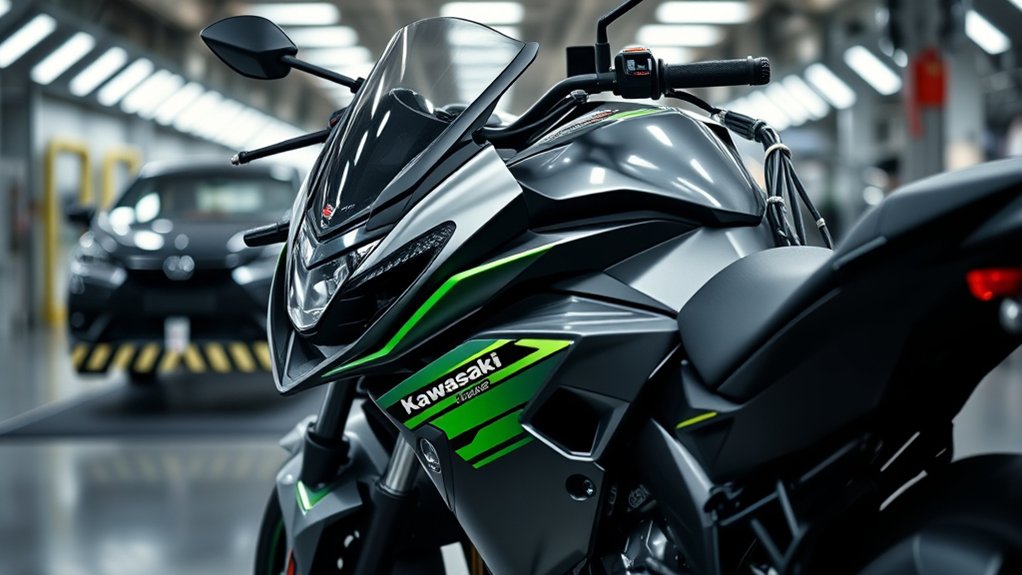
Although you might associate Kawasaki with motorcycles and transportation equipment, the company doesn’t make cars because its expertise and infrastructure focus on aerospace, rail, marine, and energy industries.
Kawasaki’s expertise centers on aerospace, rail, marine, and energy, not automobile manufacturing.
Kawasaki’s diversified manufacturing portfolio emphasizes specialized vehicles and industrial equipment, not consumer automobiles. They’ve historically concentrated on rail cars, submarines, and marine vessels, avoiding the automobile sector.
This strategic choice reflects Kawasaki’s investment in technologies like hydrogen infrastructure and aerospace innovation rather than mass automobile production. They lack the dedicated design and production facilities essential for manufacturing cars at scale.
So, even though Kawasaki is a giant in transportation manufacturing, their core competencies and business priorities steer clear of the automobile industry.
You won’t find Kawasaki cars because their strategic focus lies elsewhere.
Kawasaki Motorcycles and Off-Road Vehicles
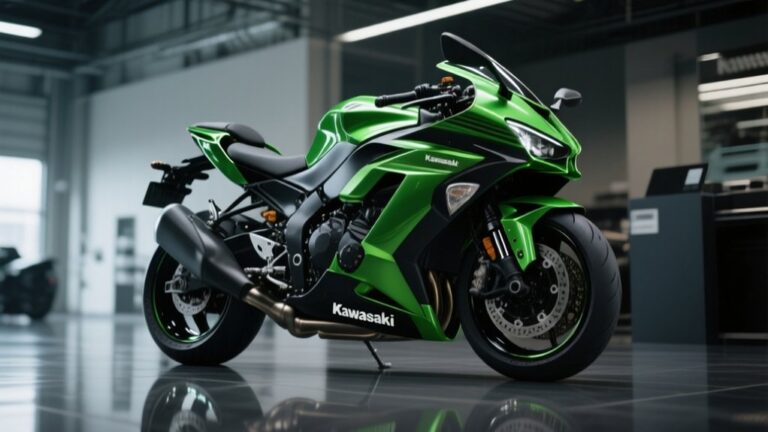
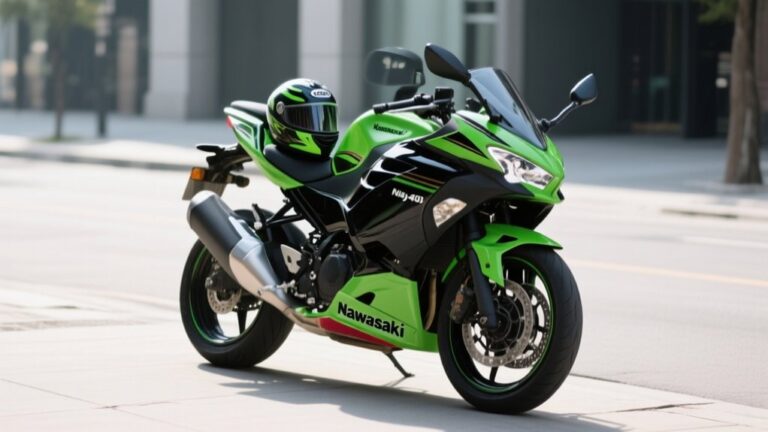
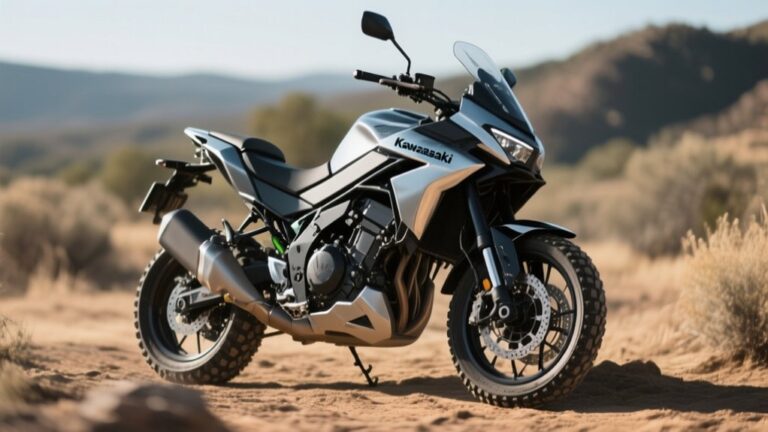
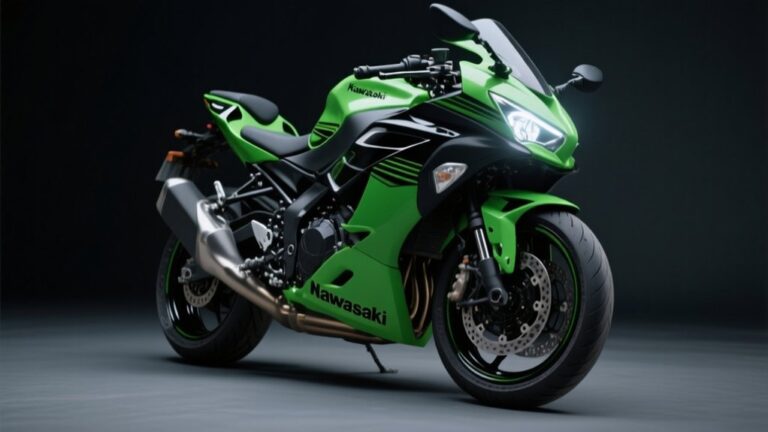
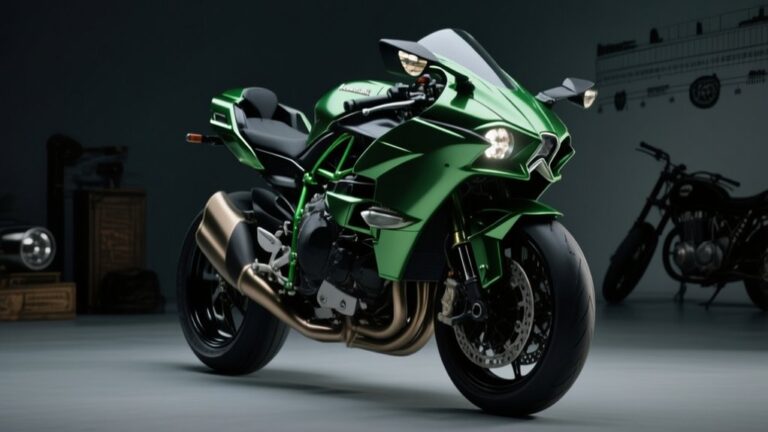
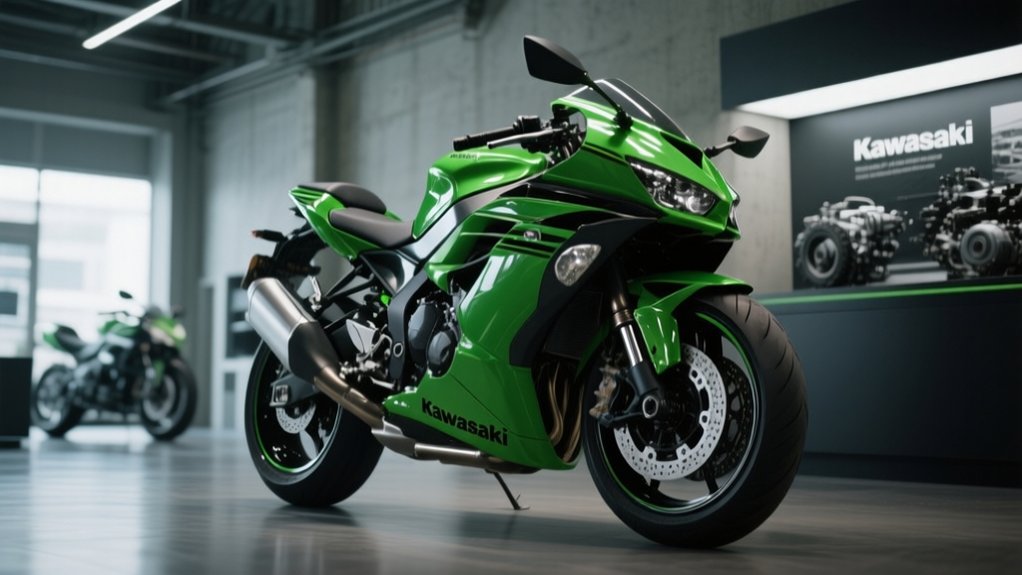
While Kawasaki doesn’t produce cars, it has built a strong reputation in the motorcycle and off-road vehicle markets since the 1960s. You’ll find Kawasaki motorcycles spanning sport bikes, cruisers, and dirt bikes, designed to fit various riding styles and terrains.
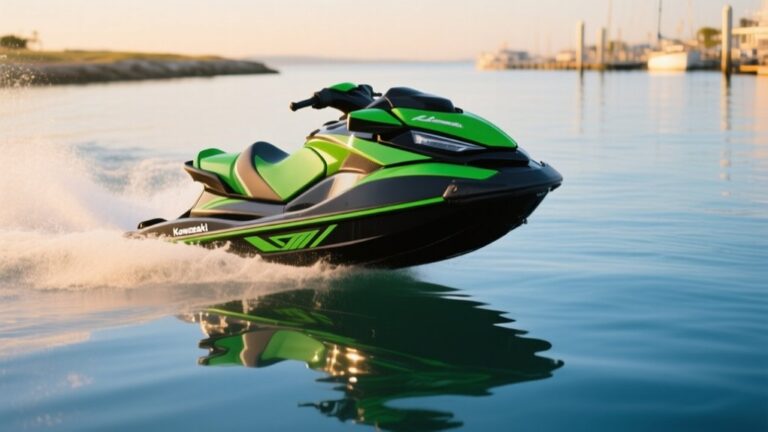
Their off-road vehicles cater to leisure, industrial, and outdoor adventure markets. These are supported by a range of accessories and apparel under the Kawasaki brand name.
| Product Type | Key Features |
|---|---|
| Motorcycles | Sport, cruiser, dirt bike models |
| Off-Road Vehicles | Utility vehicles for varied uses |
| Accessories & Apparel | Tank bags, fire extinguishers, gear |
If you’re exploring rugged, reliable rides, Kawasaki’s off-road vehicles and motorcycles offer versatility and quality. They’re built to handle whatever you throw at them.
How Kawasaki Powers Rail Cars and Urban Transit
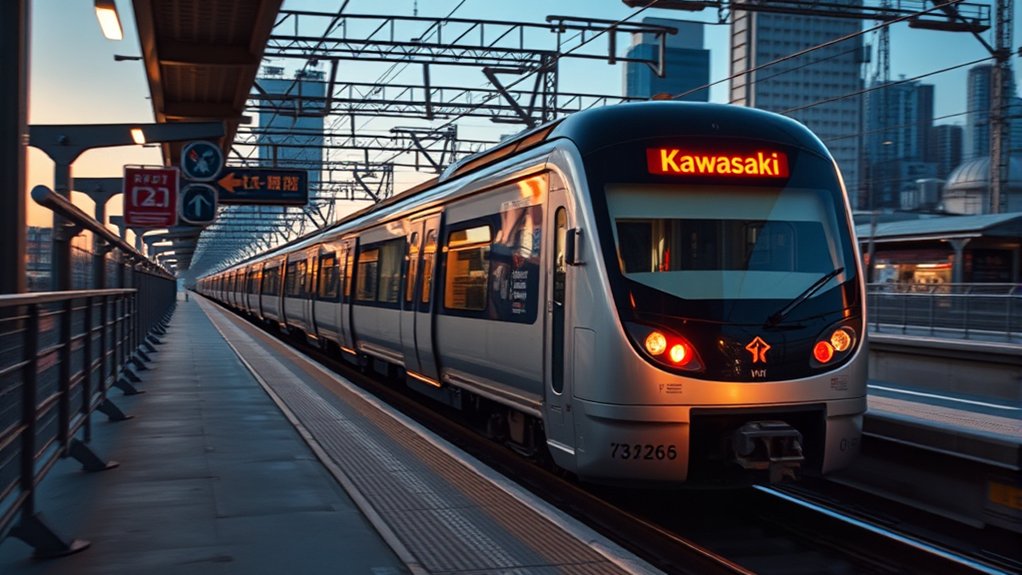
Since 1906, Kawasaki has powered urban transit by manufacturing rail cars and train equipment. They’ve evolved from steam locomotives to advanced electric trains over the years.
You’ll find Kawasaki’s rail cars primarily in Japan, but they also serve major cities like New York. In fact, they’ve been supplying subway cars there since 1982.
The latest models, like New York’s R211, really show Kawasaki’s focus on urban transit needs. They feature open gangways, wider doors, security cameras, accessible seating, and digital displays.
Kawasaki’s engineering expertise guarantees these rail cars deliver modern safety features and technological innovations. This helps improve passenger experience and operational efficiency.
The Nosilsu E-Trike: Personal Mobility Innovation
When you need reliable personal transportation that balances stability and eco-friendliness, the Nosilsu E-Trike offers a compelling solution. Designed for older adults, delivery drivers, and eco-conscious users, this device enhances personal mobility with its innovative transportation features.
Its third wheel, synchronized steering, and tilting mechanisms provide superior stability and handling, closely mimicking traditional bikes.
With a range of about 30 miles per charge, it suits urban commuting and errands efficiently.
Key features include availability in fully electric and electric-assist models to match diverse mobility needs.
It comes at a price point near $3,000 in Japan, reflecting accessible innovation.
Plus, it’s promoted as a sustainable option, though it’s currently unavailable in the U.S.
The Nosilsu E-Trike really shows how electric-assist models can redefine personal mobility solutions.
Kawasaki’s Advances in Hydrogen and Clean Energy Transport
If you’re looking at the future of clean energy transport, Kawasaki is leading the charge with innovative hydrogen technologies. Their advancements in hydrogen transport include large-scale liquefied hydrogen ships and trucks, equipped with advanced insulation to maintain hydrogen at -253°C. This technology supports a robust clean energy infrastructure and reduces carbon emissions profoundly.
Kawasaki also invests in dual-sided hydrogen fuel cell engines, providing efficient dual-fuel power solutions adaptable across transportation modes. Their hydrogen infrastructure projects aim to speed up refueling times and extend vehicle ranges, making hydrogen a more practical energy source.
Furthermore, Kawasaki integrates biomass fermentation and hydrogen storage into their energy systems, diversifying renewable energy options. These Kawasaki advancements position the company at the forefront of global clean energy initiatives.
Kawasaki’s Expertise in Marine and Submarine Technology
Though many know Kawasaki for its land and air innovations, its marine and submarine technology stands out through decades of expertise. You’ll find Kawasaki has built over 80 submarines, showcasing deep knowledge in submarine technology and marine innovation.
The 2023 delivery of the Hakugei, a Taigei-class submarine, highlights Kawasaki’s commitment to advanced features like lithium-ion batteries, automated systems, and enhanced stealth capabilities.
This vessel also supports diversity with facilities for female crew members, reflecting a progressive shift.
Key highlights of Kawasaki’s marine and submarine technology include high-strength steel pressure hulls for durability and safety. They also use advanced sonar and automation for enhanced surveillance.
Plus, there’s a strong focus on modernization through innovative, resilient submarine designs.
Kawasaki’s expertise clearly drives cutting-edge marine innovation.
Unexpected Kawasaki Products: Apparel, Masks, and Backpacks
You’ll find Kawasaki’s branded face masks come in unique designs like camouflage and patriotic themes. They’re made from durable materials, so they’re great for everyday use.
And if you’re into outdoor gear, their backpacks are pretty impressive too. They come with rugged features like waterproofing and multiple compartments—perfect for off-road adventures.
It’s clear Kawasaki isn’t just about vehicles. They’ve taken their practical, trend-aware approach and brought it into apparel and gear as well.
Branded Face Mask Designs
How did Kawasaki adapt to the shifting needs of 2020-2021? They expanded their lineup to include branded face masks, blending functionality with style. These masks served as essential protective gear against dust and airborne particles, made from durable materials like 100% sublimated polyester and cotton.
Kawasaki offered designs ranging from plain black to green line logos and camouflage American flags. These options reflected personalization, fan loyalty, and patriotic themes popular during that time. Sold in affordable three-packs at dealerships, these masks quickly became a practical accessory for Kawasaki fans.
Key features of Kawasaki’s branded face masks include:
- Durable, comfortable materials suitable for daily wear
- Stylish designs appealing to Kawasaki enthusiasts
- Affordable pricing, making protective gear accessible
Durable Outdoor Backpacks
Where can you find a backpack that balances rugged durability with practical design? Kawasaki’s outdoor backpacks deliver just that.
Take the Knifelake Rolltop Dry Pack: it offers a 45-liter waterproof capacity and welded seams, ensuring top-tier durability for outdoor adventures.
If you prefer a slimmer profile, the Slimming Backpack measures 10 x 17 x 3 inches. It features deep storage and multiple pockets with a sleek design.
Kawasaki designs these backpacks with padded backs and adjustable straps to enhance comfort during extended use.
You can find them through Kawasaki’s online store. They cater to both off-road enthusiasts and everyday users.
Apparel Reflecting Trends
Although Kawasaki is best known for motorcycles and vehicles, its apparel line has made notable strides by reflecting current trends and fan culture. You’ll find that Kawasaki’s branding extends beyond vehicles into practical, stylish apparel that resonates with fans.
During 2020-2021, Kawasaki produced branded face masks featuring bold designs like camouflage and patriotic motifs. This showed how they adapted to pandemic trends.
Their apparel also includes customizable pieces that emphasize fan loyalty while maintaining a sporty, adventure-inspired look.
This approach highlights Kawasaki’s focus on blending branding with current consumer preferences.
- Durable face masks with Kawasaki logos and thematic prints
- Personalizable apparel showcasing fan identity and bold graphics
- Rugged backpacks designed for outdoor and daily use
Kawasaki’s apparel reflects evolving trends while reinforcing its strong brand identity.
Why Kawasaki Focuses on Engines and Equipment, Not Cars
Because Kawasaki specializes in engines and industrial equipment, it chooses not to produce complete cars. The company’s strength lies in engineering engines for motorcycles, marine vessels, and aerospace, rather than entering the competitive automotive manufacturing market.
Kawasaki invests heavily in industrial products like submarines and hydrogen transport, which demand specialized focus. By concentrating on core sectors, Kawasaki avoids the complexities of full car design and production.
This focus allows it to maintain excellence and innovation in its niche.
How Kawasaki’s Diverse Products Shape Its Brand Identity
When you look at Kawasaki’s wide range of products, from motorcycles and rail cars to submarines and aerospace components, you see a brand built on versatility and innovation. This diversified product lineup shapes Kawasaki’s brand identity by showcasing its engineering innovation and commitment to advanced technology and sustainability.
You can recognize how the company adapts core technologies like engine design and automation across sectors. That really helps reinforce its reputation for excellence.
Kawasaki’s brand identity is strengthened by pioneering solutions in transportation, marine, and aerospace industries. It also emphasizes safety and sustainability throughout its products.
Plus, it leverages engineering innovation to maintain leadership in multiple fields. All of this shows Kawasaki as more than just a vehicle maker. It’s an engineering powerhouse.
Frequently asked questions
Does Kawasaki Manufacture Electric Motorcycles?
Yes, Kawasaki manufactures electric motorcycles, and you’ll find their lineup growing as they focus on sustainable, high-performance rides. They’ve introduced advanced models like the Kawasaki J Concept, which showcase cutting-edge battery technology and rapid charging.
If you’re interested in eco-friendly transportation without sacrificing power or style, Kawasaki’s electric bikes deliver. They’re committed to expanding this range, making sure you get innovative features and a lightweight design for an enhanced riding experience.
What Industries Use Kawasaki’s Industrial Engines?
Coincidentally, if you work in mining, forestry, or manufacturing, you’re probably already using Kawasaki’s industrial engines without realizing it. These engines power heavy-duty equipment, pumps, compressors, and even agricultural machinery.
You’ll find their reliable, efficient engines in construction, marine, and stationary power sectors too. Kawasaki guarantees your operations run smoothly with durable, low-emission engines designed for continuous, demanding use across multiple industries.
How Does Kawasaki Contribute to Urban Transit Systems?
You benefit from Kawasaki’s contributions to urban transit through their advanced rail cars and systems. They design modern subway trains with features like open gangways, wider doors, and digital displays that enhance comfort and accessibility.
Kawasaki also provides signaling, control, and maintenance solutions, ensuring safe and efficient operations. Their energy-efficient technology helps reduce environmental impact while improving transit reliability and passenger experience worldwide.
It’s all about making your ride smoother and greener.
Are Kawasaki’s Marine Products Available Worldwide?
No, Kawasaki’s marine products aren’t widely available worldwide. You’ll find their ships, submarines, and advanced marine tech mainly used by the Japanese government and military.
They focus on specialized defense and research vessels, not commercial sales.
While some components like sonar systems might be exported, they typically serve large government projects. So, unless you’re involved in specific defense or research sectors, Kawasaki’s marine products won’t be accessible globally.
Does Kawasaki Offer Licensed Merchandise or Apparel?
Yes, Kawasaki offers licensed merchandise and apparel designed for fans and enthusiasts. You’ll find hats, t-shirts, hoodies, and even backpacks featuring Kawasaki logos and trendy designs.
They’ve also released limited-edition face masks in the past.
These products emphasize personalization, fan loyalty, and patriotic themes. You can buy them at dealerships or online.
This gear lets you show your Kawasaki pride while staying stylish and connected to the brand.
Final Thought
Think of Kawasaki as a master craftsman who forges engines, not entire chariots. You won’t find their name on cars, but their power pulses through motorcycles, trains, and even submarines.
Like a river shaping diverse landscapes, Kawasaki channels innovation into clean energy and personal mobility, carving a unique path. So, while they don’t build cars, their expertise drives the engine of progress across many terrains.
It just goes to show that focus can fuel far-reaching impact.