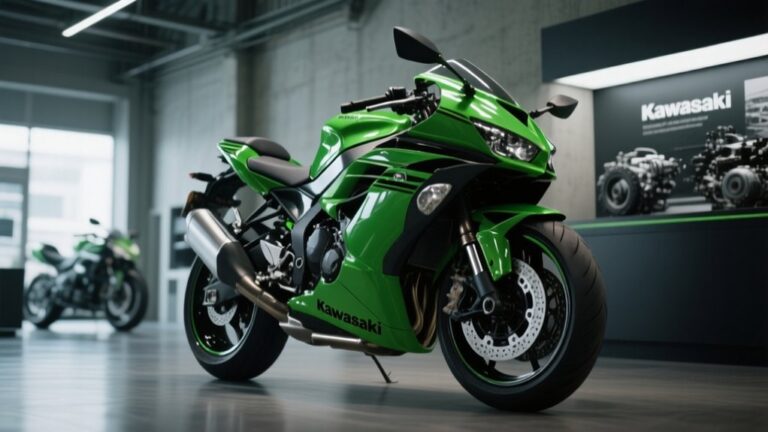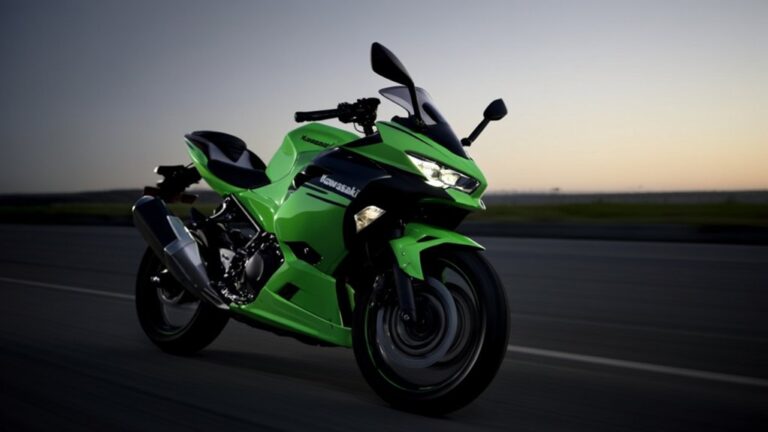
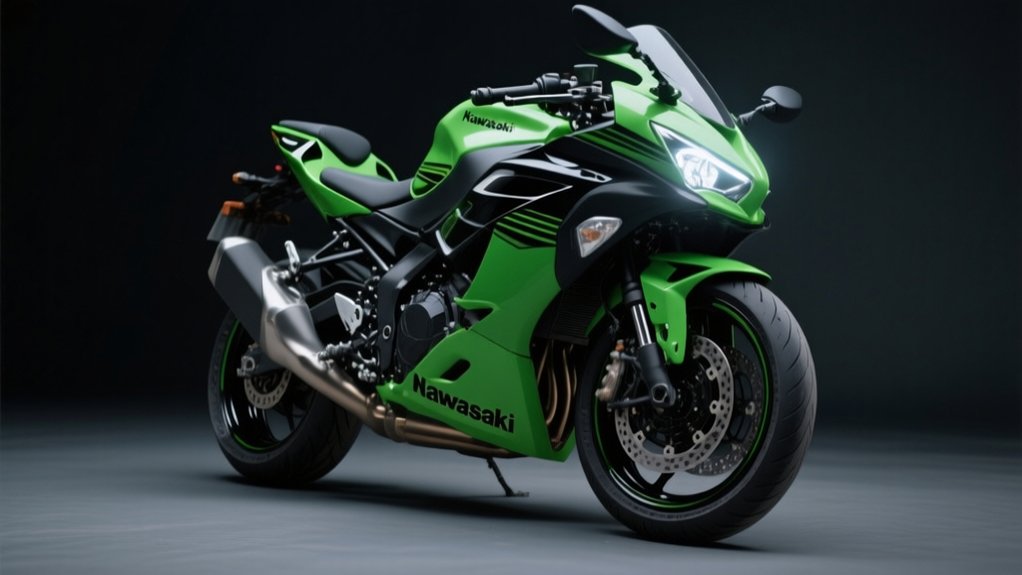
How Much Is A Kawasaki Ninja 650 – Facts & Figures
You’ll find the Kawasaki Ninja 650 priced between $7,899 and $8,499, depending on whether you choose a Non-ABS or ABS model and the trim level. It packs a 649cc parallel-twin engine delivering smooth power and sporty handling, paired with modern tech like a TFT display and Kawasaki Traction Control.
Its aggressive styling and manageable ownership costs make it an appealing blend of performance and value. Exploring further reveals detailed specs, features, and cost comparisons.
Kawasaki Ninja 650 Price Range and Model Variants
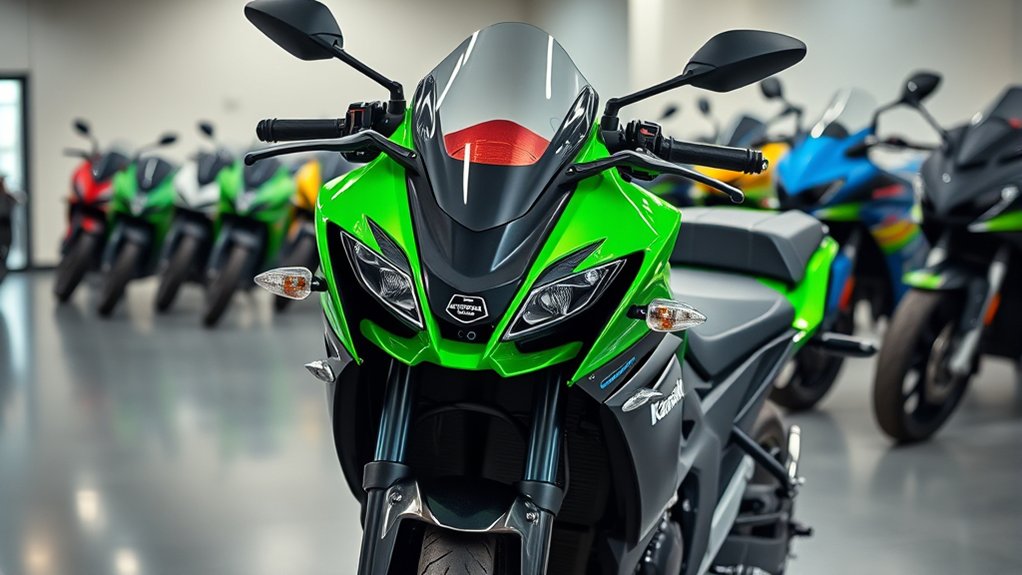
If you’re considering the Kawasaki Ninja 650, you’ll find it available in several price points and model variants to suit your needs. The price range for non-ABS models typically falls between $7,899 and $8,099, offering an affordable entry point.
If you prefer enhanced safety, the ABS variant is priced slightly higher, generally between $8,299 and $8,499.
This range reflects Kawasaki’s strategy to cater to different rider preferences and budgets. The 2022 lineup includes color options like Pearl Robotic White/Gray, Matte Graphenesteel Gray, and the distinctive KRT Edition in Lime Green/Ebony/White.
Promotional incentives valid through 2026 may influence these prices, so keep an eye out.
Non-Abs Vs ABS Ninja 650: Key Differences Explained
How do you decide between the Non-ABS and ABS versions of the Kawasaki Ninja 650? Both share the same 649cc engine, rear suspension, and riding position, so you can expect consistent handling and comfort either way.
The main difference is the ABS feature, which improves braking security by preventing wheel lock-up in tricky conditions. If safety is a priority and you often ride on variable terrain, the ABS model might be worth the extra cost.
On the flip side, the Non-ABS version is a more budget-friendly option that doesn’t compromise the bike’s core design.
When buying, make sure to carefully review the terms and conditions, especially the warranty and maintenance details related to the braking system.
At the end of the day, it’s all about balancing your safety preferences with your budget while enjoying the dynamic ride that the Ninja 650 offers.
Ninja 650 Engine Specs and Performance Highlights
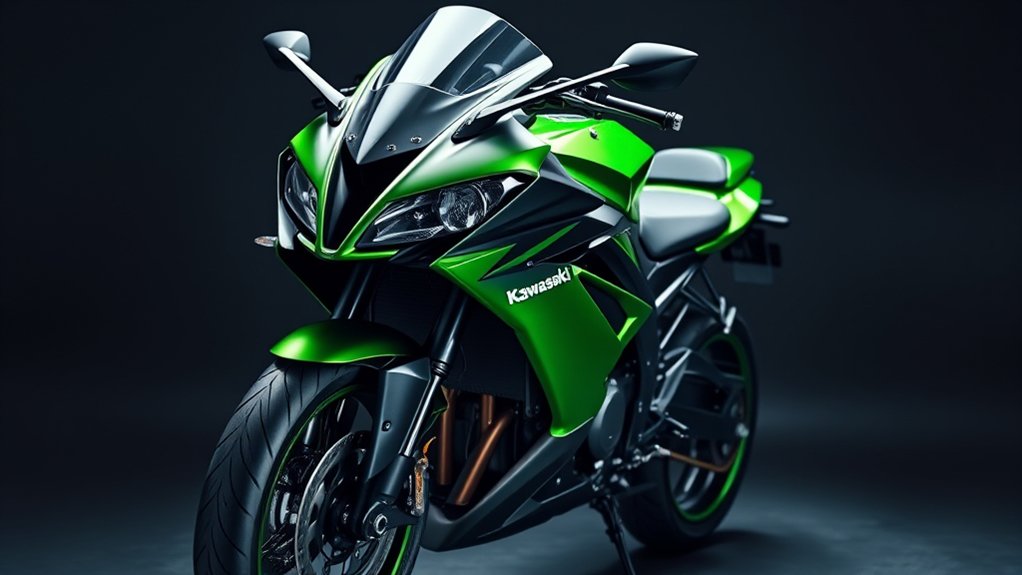
You’ll find the Ninja 650’s 649cc parallel-twin engine delivers a balanced 67 horsepower and 47 lb-ft of torque. This setup offers smooth and responsive mid-range power that’s perfect for everyday riding.
Its DOHC design helps ensure efficient performance, keeping things running clean and strong.
Plus, the assist and slipper clutch really steps up control by minimizing rear-wheel chatter during downshifts. This means smoother transitions and a more confident feel when you’re braking or slowing down.
Let’s dive into how these engine specs and clutch features come together to shape the bike’s ride quality and handling.
Parallel-Twin Engine Details
Though the Kawasaki Ninja 650’s parallel-twin engine design has stayed largely unchanged since 2006, it continues to deliver a balanced mix of power and reliability. You’ll appreciate its 649cc liquid-cooled DOHC setup that offers smooth, responsive mid-range power. It’s perfect for both new riders learning the ropes and experienced riders seeking engaging performance.
The engine’s assist and slipper clutch reduces rear-wheel chatter and smooths out gear shifts, enhancing control during spirited rides. This design emphasizes sporty handling and quick acceleration. It makes each twist of the throttle rewarding without overwhelming you.
Its proven reliability means you won’t have to worry about unexpected issues, letting you focus on the ride. Whether you’re just starting out or refining your skills, this parallel-twin engine strikes a solid balance.
Power Output And Torque
Since the Kawasaki Ninja 650’s 649cc DOHC parallel-twin engine delivers around 67 horsepower and 47 lb-ft of torque, you get a smooth and responsive mid-range performance that balances sporty excitement with everyday usability.
This power output ensures quick acceleration and a thrilling ride without overwhelming less experienced riders. The engine’s design focuses on delivering consistent torque through mid-range RPMs, which optimizes both city riding and open-road cruising.
| Specification | Value |
|---|---|
| Engine Type | 649cc DOHC Parallel-Twin |
| Horsepower | ~67 hp |
| Torque | ~47 lb-ft |
| Performance Focus | Mid-range power and smooth delivery |
You’ll really appreciate how this setup enhances your riding experience. It offers both fun and practicality, making every ride enjoyable.
Clutch And Gear Shifts
Building on the Ninja 650’s smooth power delivery, the clutch and gear shift system plays a key role in translating that performance into a dynamic riding experience. You’ll appreciate the assist and slipper clutch, which lightens lever pull, making gear changes effortless and reducing fatigue on longer rides.
This system also minimizes rear-wheel chatter during aggressive downshifting, enhancing stability and control. Thanks to the 649cc parallel-twin engine’s smooth power curve, shifts feel responsive and precise, perfectly matching the bike’s sporty character.
The slipper clutch prevents wheel hop, allowing you to brake and downshift confidently without unsettling the bike. Overall, the clutch and gear shifts offer a balance of performance and rider confidence, ensuring every acceleration and deceleration feels controlled and engaging.
Ninja 650 Styling and Design: What Drives the Price
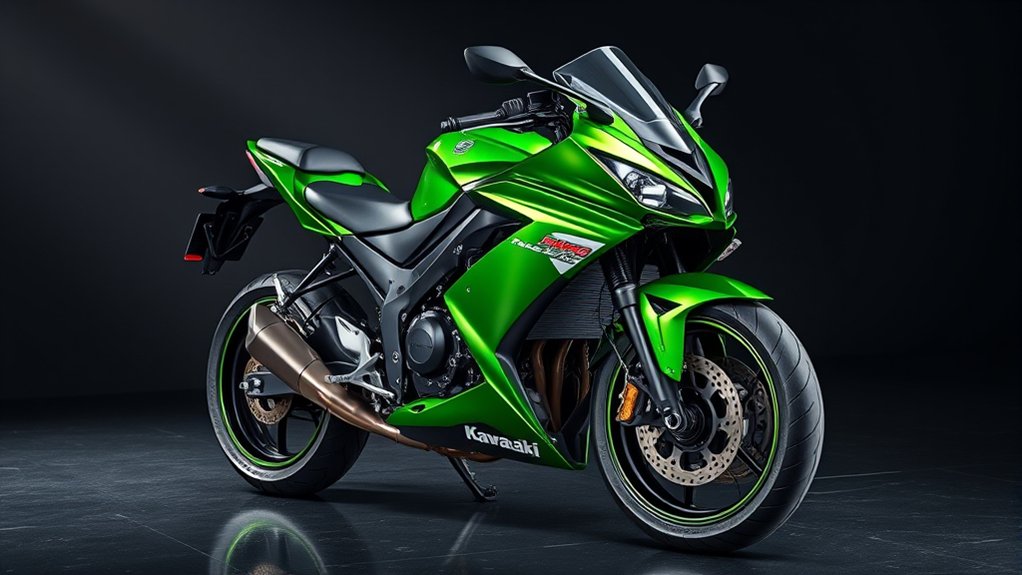
You’ll notice the Ninja 650’s aggressive bodywork, with twin LED headlights and sharp lines that strike a great balance between style and aerodynamic function.
And that low-mounted windshield? It’s not just there to look sleek—it actually helps cut down wind resistance, making your ride more comfortable.
On top of that, the thick passenger seat adds extra support, which goes to show how these design choices directly affect both comfort and price.
Aggressive Bodywork Features
While the Kawasaki Ninja 650’s aggressive bodywork immediately catches your eye, its design goes beyond aesthetics to enhance performance and comfort. You’ll notice sharp, angular styling paired with twin LED headlights that boost its sporty presence. The low-mounted, flush windshield not only sharpens the bike’s sleek profile but also aids in effective wind management.
Its upswept tail cowl and angular fairings contribute to a dynamic, aggressive stance, highlighting its performance-driven nature. Functional elements like wind deflectors and aerodynamic contours aren’t just for show. They actually improve handling and the overall rider experience.
This bold, purposeful design balances visual impact with practical benefits. And that plays a significant role in the Ninja 650’s competitive pricing. So, you get a motorcycle that’s as functional as it’s fierce-looking.
Comfort And Wind Protection
Because the Ninja 650’s design prioritizes both style and function, it offers impressive comfort and wind protection for riders. You’ll notice the low-mounted, flush windshield not only enhances the bike’s sleek appearance but also effectively deflects wind, reducing rider fatigue.
The aggressive, angular bodywork channels airflow away from you, blending sporty aesthetics with practical wind management. This sharp, aerodynamic design improves your overall riding experience by minimizing turbulence.
Plus, the thick passenger seat adds comfort, making longer rides more enjoyable for both you and your passenger.
Kawasaki has carefully balanced aggressive styling with functional elements, ensuring the Ninja 650 doesn’t just look good but also keeps you comfortable and protected against the wind during your journey. It’s a bike that really thinks about what you need while you’re on the road.
Ninja 650 Technology Features Included in the Price
Although the Kawasaki Ninja 650 offers a thrilling ride, its advanced technology features truly set it apart. You get an all-digital TFT color display that lets you customize backgrounds and automatically adjusts brightness for clear visibility in any light.
The instrument panel keeps you informed with speed, tachometer, gear position, fuel gauge, odometer, trip meters, and service reminders.
Connectivity is seamless with Kawasaki RIDEOLOGY THE APP, giving you real-time vehicle info, notifications, and riding data management on your smartphone.
The TFT also supports Economical Riding Indicators, helping you optimize fuel efficiency.
Plus, the bike’s electronic systems include Kawasaki Traction Control with two adjustable modes and an option to turn it off, allowing you to tailor the ride to your preference and conditions.
Handling and Suspension: How They Affect Ride and Cost
You’ll notice the Ninja 650’s suspension design strikes a balance between comfort and sporty performance. This gives you nimble handling and stability in various riding conditions.
Its lightweight frame and responsive setup make cornering feel confident.
Plus, sport-oriented tires enhance grip during aggressive maneuvers.
Just keep in mind, though, that higher-performance suspension components can increase the bike’s overall price.
Suspension Design Benefits
When you ride the Kawasaki Ninja 650, its lightweight trellis frame paired with a horizontal back-link rear suspension delivers a blend of agility and stability that enhances your control. This suspension design lets you steer responsively and corner precisely, giving you a sporty, confident ride.
The horizontal back-link rear suspension effectively absorbs road imperfections, boosting your comfort without compromising performance. Kawasaki balances cost and quality in these components, making the bike accessible for both beginners and seasoned riders.
While upgraded suspension tuning can refine handling further, the stock setup strikes a solid compromise between ride quality and affordability. Overall, the Ninja 650’s suspension design benefits your riding experience by combining comfort, control, and cost-effectiveness in a well-engineered package.
Handling Dynamics Explained
Because the Kawasaki Ninja 650 pairs a lightweight trellis frame with a horizontal back-link rear suspension, it delivers handling dynamics that balance agility and stability. You’ll notice how the responsive chassis allows precise cornering and a sporty ride, making it perfect for city streets and spirited runs.
The suspension setup smooths out bumps while maintaining control, enhancing both comfort and confidence. While the stock setup performs well, you can adjust or upgrade it to sharpen handling further.
| Feature | Effect on Handling |
|---|---|
| Lightweight trellis frame | Increased agility and nimbleness |
| Back-link suspension | Balanced ride and stability |
| Responsive chassis | Precise cornering |
| Adjustable suspension | Customizable ride quality |
Impact On Pricing
Although the Kawasaki Ninja 650’s lightweight trellis frame and horizontal back-link rear suspension enhance nimble handling, they don’t considerably increase the bike’s base price. These design choices optimize agility and ride quality, making the bike appealing without pushing costs higher.
The stock suspension setup strikes a balance suitable for everyday riding but may feel less aggressive if you’re looking for high-performance handling.
If you decide to upgrade suspension components for sharper control, expect the overall price to rise.
However, Kawasaki’s approach keeps the Ninja 650 competitively priced by delivering solid maneuverability and comfort straight from the factory.
Ninja 650 Vs Competitors: Price and Feature Comparison
If you’re comparing entry-level sportbikes, the Kawasaki Ninja 650 stands out by offering a strong balance of features and affordability. Its base price ranges from about $7,899 to $8,499 depending on ABS inclusion. This places it slightly below competitors like the Yamaha YZF-R7 and Suzuki GSX-8S.
You get a 649cc parallel-twin engine delivering 67 hp, which is competitive. Though some rivals offer higher power or advanced electronics at similar or higher prices.
The Ninja 650’s long-standing reliability and solid feature set make it a budget-friendly choice without sacrificing quality. While some competitors emphasize cutting-edge tech or brand prestige, the Ninja 650 provides a dependable, well-rounded package.
It’s a great pick if you want value and proven performance in the mid-range sportbike category.
Ownership Costs: Fuel Economy and Maintenance for Ninja 650
When you own a Kawasaki Ninja 650, you’ll appreciate its fuel efficiency. It averages between 45 and 55 miles per gallon depending on how and where you ride. This efficiency helps reduce fuel costs considerably over time.
The Kawasaki Ninja 650 offers impressive fuel efficiency, averaging 45 to 55 miles per gallon on varied rides.
Maintenance expenses remain reasonable thanks to the bike’s reliable engine and straightforward upkeep. To manage ownership costs effectively, focus on these key areas:
- Annual maintenance usually costs $100 to $300, covering oil changes and tire inspections.
- Using Kawasaki’s synthetic oil boosts fuel economy and prolongs engine life.
- Routine tire replacements and brake pad changes vary based on your riding habits but represent the main ongoing expenses.
Ninja 650 Colors and Special Editions Pricing Guide
Understanding the ownership costs of the Kawasaki Ninja 650 naturally leads to thinking about how its looks and pricing match your style.
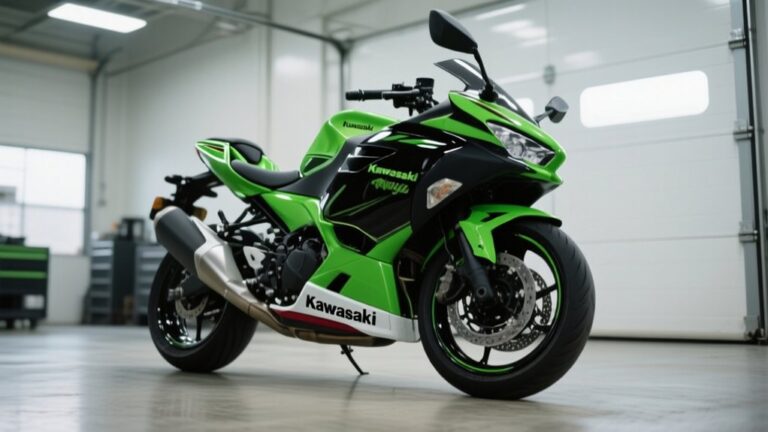
The 2022 Ninja 650 comes in three striking colors: Pearl Robotic White/Gray, Matte Graphenesteel Gray, and the KRT Edition’s eye-catching Lime Green/Ebony/White.
If you’re leaning toward a non-ABS model, prices range from $7,899 to $8,099. For a bit more safety, the ABS versions run between $8,299 and $8,499.
The KRT Edition sits right in that same price range, even with its special livery.
The mechanical specs didn’t change for 2022, but these color choices give you some cool visual options.
Just remember, availability and pricing might vary depending on your dealer and region. So, it’s a good idea to check locally before you decide.
Current Promotions, Incentives, and Buying Options for Ninja 650
Looking to get the best deal on a Kawasaki Ninja 650? You’ll want to explore current promotions and buying options available through Kawasaki’s official channels, valid through September 30, 2026.
Prices range from $7,899 for the non-ABS model to about $8,499 for the ABS variants, reflecting differences in features and safety technology.
Prices start at $7,899 for the non-ABS model and go up to $8,499 for ABS-equipped versions.
Here’s how you can maximize your purchase:
- Check dealer financing plans that offer flexible payment terms tailored to your budget.
- Take advantage of seasonal special offers that may include discounted pricing or added accessories.
- Stay updated on new color options and special editions like the KRT Edition, which can enhance resale value.
Frequently asked questions
What Is the Kawasaki Ninja 650’s Fuel Tank Capacity?
The Kawasaki Ninja 650’s fuel tank capacity is about 4.5 gallons (17 liters). This size gives you a solid balance between weight and riding range, letting you cover over 150 miles before needing to refuel.
You’ll appreciate how the tank’s design optimizes weight distribution and aerodynamics, enhancing your bike’s performance.
How Tall Is the Seat Height on the Ninja 650?
The seat height on the Ninja 650 is about 30.9 inches, so you’ve got a solid perch without feeling like you’re sitting on a high horse. This height strikes a balance, making it comfortable for most riders while keeping control easy.
If you’re taller or shorter, you might want to tweak it with aftermarket seats or lowering kits to fit your style just right. It’s all about making the ride feel like second nature.
What Type of Tires Come Stock on the Ninja 650?
The Kawasaki Ninja 650 comes stock with Dunlop Sportmax RoadSport 2 tires. You’ll get a 120/70 ZR17 tire up front and a 160/60 ZR17 at the rear, both tubeless for easier maintenance and better safety.
These tires deliver excellent grip and stability. They’re designed for sporty riding but still reliable for everyday street use.
Does the Ninja 650 Have a Slipper Clutch?
Coincidentally, the Ninja 650 does have a slipper clutch, which you’ll find really enhances your riding experience. It prevents rear-wheel chatter when you downshift aggressively, giving you smoother control.
Plus, the assist feature reduces lever effort, so you won’t tire out your hand during long rides.
Whether you pick the ABS or non-ABS model, this clutch system guarantees sporty, precise gear shifts, making your ride safer and more enjoyable overall.
What Is the Recommended Tire Pressure for the Ninja 650?
You should keep your Kawasaki Ninja 650’s front tire at 36 psi and the rear tire at 42 psi for ideal performance. These pressures help maintain excellent grip, handling, and tire life.
Always check when the tires are cold to get accurate readings.
Adjusting to these recommended levels ensures safety and better control, especially during varied riding conditions.
Don’t forget to consult your owner’s manual for any model-specific tweaks. It’s always good to double-check if you’re unsure!
Final Thought
When you weigh the Kawasaki Ninja 650’s price against its performance, styling, and tech, you’ll see it offers solid value in the mid-range sportbike market. Whether you choose ABS or non-ABS, the bike’s engine and features justify the cost.
Comparing it to rivals, it stands out for affordability and versatility. So, if you’re hunting for a bike that balances cost with capability, the Ninja 650 truly lives up to its reputation.