Are Kawasaki Jet Skis Reliable – What You Should Know
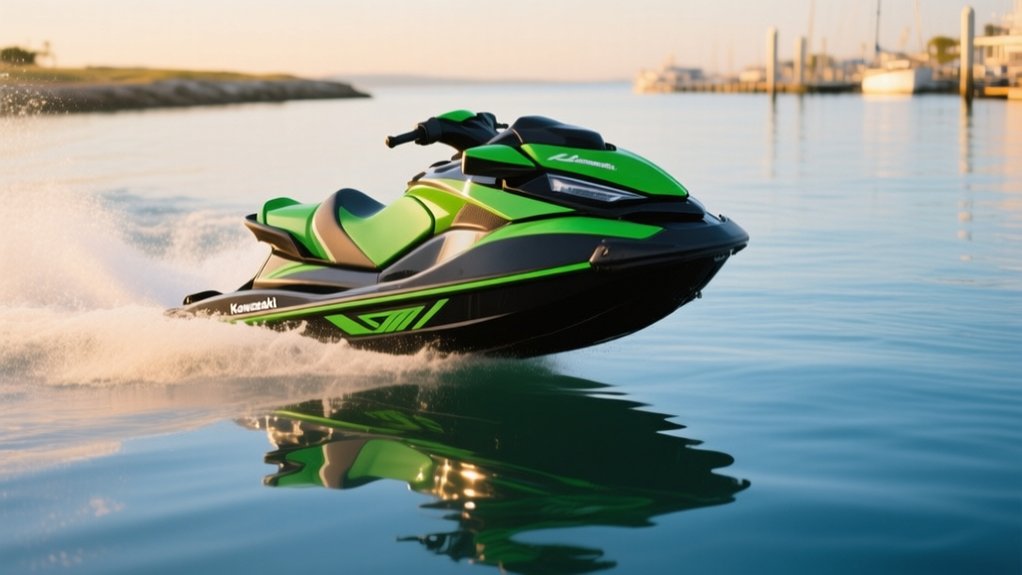
You’ll find Kawasaki Jet Skis reliable thanks to rugged hulls made from marine-grade materials and robust four-cylinder engines built for longevity. Their two-piece drive shafts with vibration-absorbing couplers reduce wear, while deep-V hull designs improve stability and control in rough water.
Regular maintenance, like inspecting the hull and changing oil, keeps performance consistent. Choosing the right model for your riding style further enhances durability and safety.
Keep exploring if you want detailed tips on maintenance, common issues, and smart buying choices.
Kawasaki Jet Ski Reliability Features
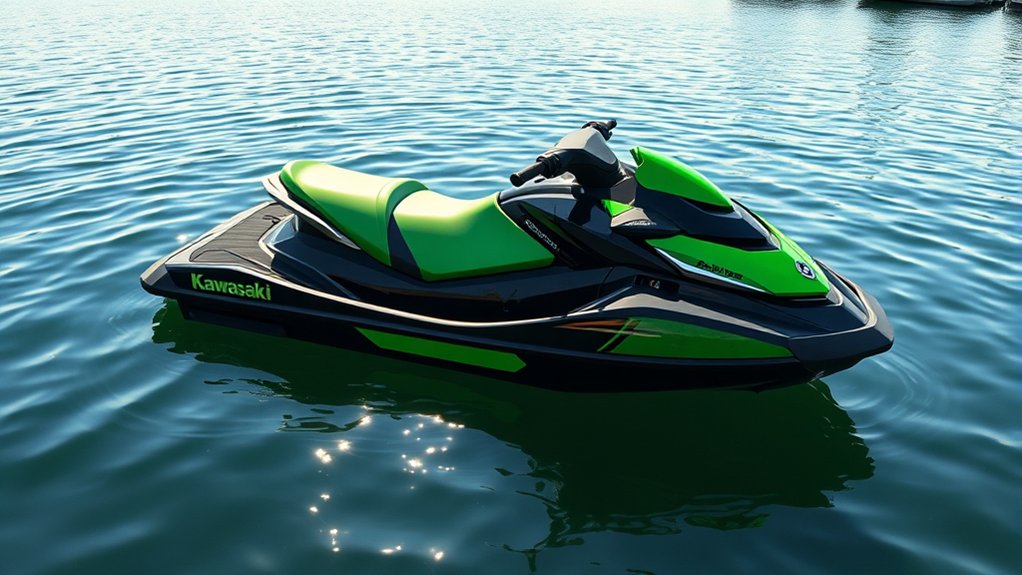
Although maintaining a Kawasaki Jet Ski requires regular attention, its durable construction and high-performance engines make it a reliable watercraft for long-term use. You’ll appreciate Kawasaki’s focus on reliability features, such as robust engine designs engineered to handle high horsepower and aggressive riding.
Kawasaki Jet Skis combine durable construction with powerful engines for reliable, long-lasting performance on the water.
These jet skis utilize high-quality components that reduce wear and tear, minimizing the need for frequent repairs. By performing routine oil changes and engine checks, you guarantee these features continue functioning at their best.
Kawasaki jet skis also offer straightforward maintenance procedures, which simplify upkeep and extend engine life. Their reliability stems from this combination of design precision and practical servicing requirements.
This allows you to enjoy consistent performance across various water conditions without unexpected breakdowns or complex repairs.
Durable Hulls That Protect Your Kawasaki Jet Ski
You’ll find Kawasaki Jet Skis are built with heavy-duty hulls made from marine-grade fiberglass and reinforced composites. These materials help the hull handle impacts and rough conditions with ease.
This tough construction doesn’t just improve damage resistance—it also makes repairs simpler, which saves you both time and money.
Heavy-Duty Hull Construction
When steering through rough waters, Kawasaki Jet Skis rely on heavy-duty hulls engineered to resist impact and debris damage. These hulls combine fiberglass and NanoXcel materials, delivering exceptional strength and lightweight durability. You’ll appreciate the reinforced design that Kawasaki integrates to boost longevity and minimize repair costs from common hazards like beaching or collisions.
The Ultra series, in particular, features deep-V hulls that enhance stability and control at high speeds. This directly supports the hull’s structural integrity and gives you a smoother ride.
This heavy-duty hull construction ensures your Kawasaki Jet Ski performs reliably over time, maintaining ruggedness against challenging conditions. By focusing on durable materials and smart engineering, Kawasaki provides you with a Jet Ski hull that’s built to endure.
You can feel confident every time you hit the water.
Damage Resistance Benefits
Because Kawasaki jet skis use reinforced materials like NanoXcel and SMC in their hull construction, they offer superior resistance to impact damage and structural stress. This durable design ensures your Kawasaki Ultra withstands rough conditions, beaching, and collisions without cracking or structural failure.
Unlike fiberglass hulls, Kawasaki’s plastic hulls resist delamination and hairline cracks. This protects internal components from debris and shallow water hazards.
Kawasaki prioritizes hull strength over weight, giving you a resilient watercraft that endures tough marine environments. You can count on your Kawasaki to handle whatever the water throws at it.
Repair And Maintenance
Although rough water and impacts are inevitable, Kawasaki Jet Skis feature heavy-duty hulls constructed from reinforced materials like NanoXcel and SMC fiberglass. This ensures superior durability.
This robust construction makes repair and maintenance simpler, so you can keep your Jet Ski in peak condition with less hassle. Here’s what you should know:
- The reinforced hulls resist damage from collisions and beaching, which reduces the frequency and severity of repairs.
- Kawasaki’s focus on hull integrity means repairs are more straightforward and less costly compared to competitors.
- Regular maintenance routines benefit from the durable hull design, prolonging lifespan and reliability.
Kawasaki Jet Ski Engine and Drive Shaft Explained
Understanding the engine and drive shaft system is key to appreciating Kawasaki Jet Skis’ reliability and performance. Kawasaki uses large-displacement four-cylinder engines, like the 1,498cc inline-four, designed for durability and power.
The drive shaft system features a two-piece design with rubber couplers that absorb vibrations and maintain water-tight seals, which are vital for preventing water ingress.
Kawasaki’s reinforced hull supports the engine and drive shaft, enhancing structural integrity.
You’ll want to regularly inspect the drive shaft alignment and seals, especially after aggressive riding or impacts, to avoid wear and potential damage.
Proper lubrication and keeping debris out of the drive shaft assembly are essential for long-term durability.
This system’s robust engineering ensures consistent performance when maintained correctly. So, a little attention here goes a long way in keeping your Jet Ski running smoothly.
Common Kawasaki Jet Ski Issues and How to Avoid Them
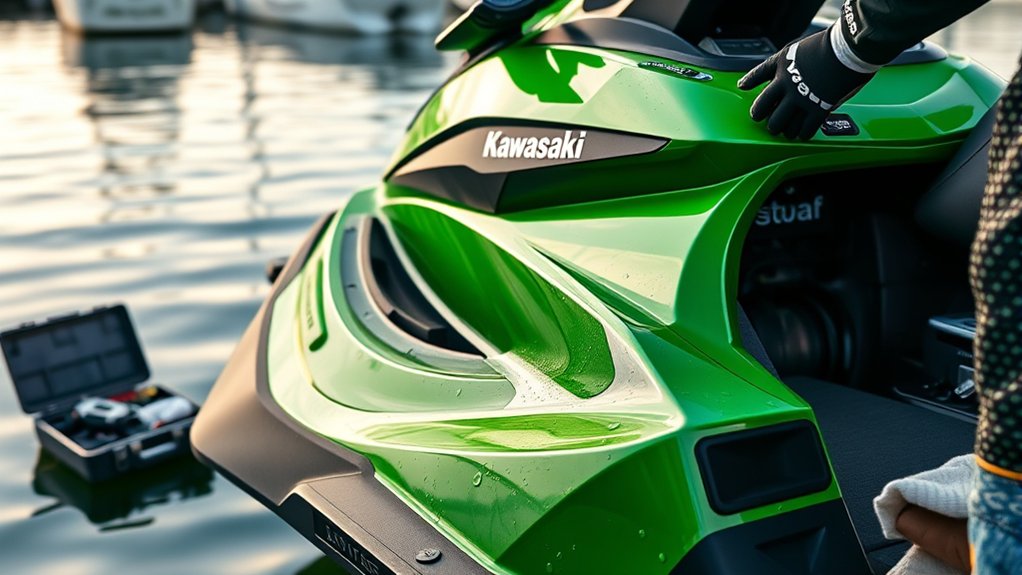
Maintaining the engine and drive shaft system well sets a strong foundation for your Kawasaki Jet Ski’s reliability. But there are other common issues you should watch for to keep your watercraft in top condition.
Kawasaki Jet Skis often face these common problems if maintenance lapses. First, impeller and wear ring deterioration reduces thrust and efficiency. Be sure to inspect these parts regularly and replace any worn ones promptly.
Then, engine issues like overheating and fuel system faults can happen without routine oil changes and fuel filter replacements. So, follow your service schedules precisely to avoid these troubles.
Finally, hull damage is something to keep an eye on. Fiberglass hulls are vulnerable to impacts and beaching, so check for cracks or dents often. Catching these early can save you from costly repairs later on.
Maintaining Your Kawasaki for a Long Lifespan
To keep your Kawasaki Jet Ski running reliably for years, you need to perform regular maintenance tasks like oil changes and thorough inspections of the hull and engine components.
Proper maintenance also involves monitoring wear parts such as impellers and wear rings, replacing them promptly to avoid damage and maintain peak performance.
Make sure the cooling system stays clean and free of debris to prevent overheating and engine failure.
It’s also important to store your watercraft in a dry, cool environment and winterize it during off-seasons to minimize corrosion and mechanical issues.
Following the manufacturer’s recommended service intervals and addressing problems right away will go a long way in extending your Kawasaki’s lifespan.
Kawasaki Warranty and Dealer Service Compared
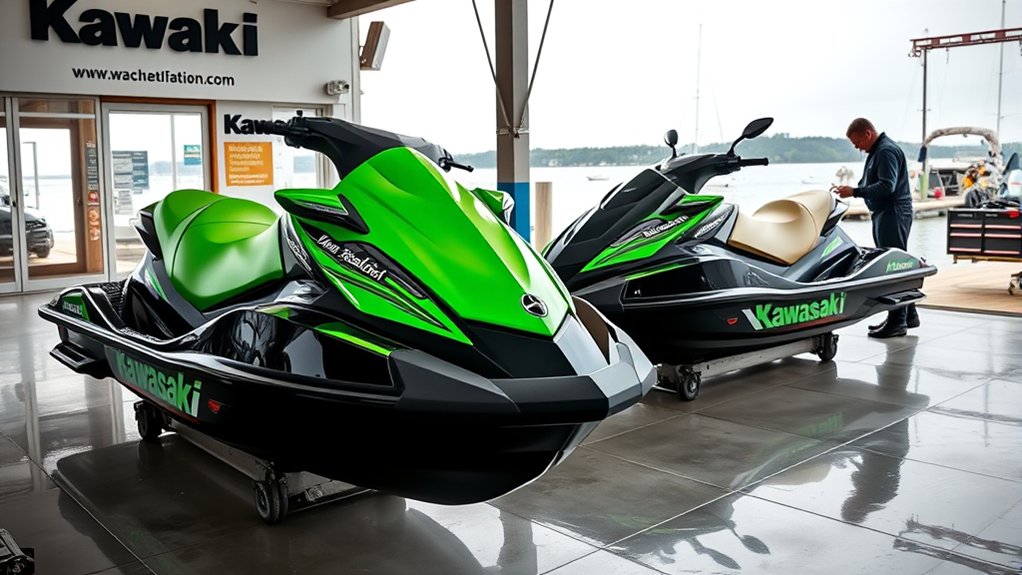
Although Kawasaki Jet Skis come with one of the longest limited warranties in the industry, lasting five years, dealer service availability isn’t as widespread as with competitors like Yamaha or Sea-Doo. This can impact your maintenance convenience and warranty support.
To effectively manage your Kawasaki warranty and service needs, consider a few things. First, locate authorized dealers offering genuine Kawasaki parts and factory-trained technicians. This helps guarantee proper repairs and keeps your warranty valid.
Next, schedule regular dealer servicing to keep your Jet Ski performing at its best and avoid any warranty disputes. Also, be sure to keep detailed service records from authorized dealers. This can boost your Jet Ski’s resale value and reassure buyers about its maintenance history.
While the warranty coverage is robust, limited dealer access means you need to plan your service visits carefully. Doing so will help protect your investment and maintain your Jet Ski’s reliability.
Kawasaki Jet Ski Performance in Rough Water
When you navigate rough water, Kawasaki Jet Skis really shine thanks to their deep-V hull design. This design boosts stability and handling, especially when the water gets choppy.
Kawasaki models, especially the Ultra series, come with large displacement engines that deliver the power and torque you need to stay in control amid waves.
Their hull design and smart weight distribution help absorb wave impacts, which means less fatigue and more comfort for you.
Plus, Kawasaki’s tough construction and reinforced hull materials make these jet skis more resistant to damage from rough water stresses.
On top of that, advanced steering systems and responsive throttles make maneuvering easier, so you can handle tricky conditions with precision.
All in all, Kawasaki models offer a reliable, high-performance package built for demanding rough water environments. You get durability and confidence every time you ride.
Choosing Kawasaki Jet Ski Models by Riding Style
Since Kawasaki offers a range of models tailored to different riding preferences, selecting the right Jet Ski depends on understanding how each design aligns with your riding style. You should evaluate key aspects like seating capacity, hull design, and performance features to optimize your experience.
Consider these Kawasaki model categories:
- High-performance riders: Choose the Ultra 310LX for maximum power and speed, ideal for adrenaline-driven rides.
- Family or beginner riders: Opt for the STX 160, which emphasizes stability and ease of handling, enhancing safety and comfort.
- Athletic, skill-focused riders: The stand-up SX-R suits you if you prefer agile, technical maneuvers requiring balance and precision.
Matching your style to Kawasaki’s design guarantees reliability and maximizes performance tailored to your needs. It really helps make the most out of every ride.
Smart Tips for Buying New and Used Kawasaki Jet Skis
How do you guarantee your next Kawasaki Jet Ski offers dependable performance and value? Start by confirming new models include factory warranties and recent manufacturer updates.
For used Kawasaki Jet Skis, inspect hull integrity, engine hours, and maintenance records carefully. Make sure you check for proper storage and winterization to avoid costly repairs.
It’s a good idea to consult authorized Kawasaki dealers for service history and warranty transfers. Also, consider the model’s age, usage, and recall status to ensure long-term reliability.
| Aspect | New Kawasaki Jet Skis | Used Kawasaki Jet Skis |
|---|---|---|
| Warranty | Factory warranty standard | Check transfer options |
| Inspection Focus | Confirm latest updates | Hull, engine hours, maintenance |
| Storage/Condition | Typically ideal | Verify winterization and storage |
Following these steps will help you buy a reliable Kawasaki Jet Ski backed by solid technical support.
Frequently asked questions
How Does Kawasaki Jet Ski Fuel Efficiency Compare to Other Brands?
You’ll find Kawasaki Jet Skis generally outperform competitors like Sea-Doo and Yamaha in fuel efficiency, especially at cruising speeds. Their larger, durable engines use fuel more economically during steady rides.
Though aggressive riding ups consumption, the open-loop cooling system slightly affects efficiency but not profoundly.
Are Kawasaki Jet Skis Suitable for Beginners?
You’ll find Kawasaki Jet Skis like the STX 160 glide smoothly like a gentle breeze, making them perfect for beginners. Their manageable engine sizes and intuitive controls, like sturdy metal notches for throttle and reverse, help you confidently navigate water.
Kawasaki’s focus on safety, stability, and durability means you get a durable ride that’s easy to handle. This lets you build skills without feeling overwhelmed or out of control.
What Accessories Are Compatible With Kawasaki Jet Skis?
You can outfit your Kawasaki Jet Ski with a variety of accessories, including Kawasaki’s own JETSOUND audio system, storage modules, and OEM parts like hull decals and seat covers for a perfect fit.
Aftermarket options such as GPS mounts, navigation lights, and underwater LED lighting also work well, as long as they meet the specs.
Third-party gear like fishing racks and wakeboard towers can fit too. Just make sure to verify compatibility with your specific model before installation.
Can Kawasaki Jet Skis Be Transported Easily on Standard Trailers?
Imagine your Kawasaki Jet Ski like a key sliding effortlessly into a lock. That’s how smoothly it fits on standard trailers.
You’ll find its hull dimensions and balanced weight are designed for easy loading and secure transport.
Just make sure your trailer’s weight capacity and wheelbase match the model.
Use proper straps to keep it stable.
With these details in mind, transporting your Kawasaki becomes a practical, hassle-free task every time.
How Do Kawasaki Jet Skis Perform in Freshwater Versus Saltwater?
Kawasaki Jet Skis perform well in both freshwater and saltwater, but saltwater demands more care from you. Salt accelerates corrosion, especially on metal parts like the cooling system and jet pump.
To keep your ski running smoothly, rinse it thoroughly with fresh water after each saltwater ride and flush the cooling system regularly.
If you maintain these routines, you’ll enjoy reliable performance regardless of the environment you ride in.
Final Thought
You want reliability, durability, and performance from your Kawasaki Jet Ski. You need a tough hull that can withstand impacts, an engine and drive shaft designed for longevity, and clear maintenance routines to avoid common issues.
Be sure to compare warranties and dealer services carefully. It’s also smart to assess how the Jet Ski performs in rough water. Picking a model that matches your riding style makes a big difference.
Whether you’re buying new or used, following these practical tips will help keep your Kawasaki Jet Ski dependable season after season. Taking good care of it ensures you get the most out of your time on the water.