Are Ducati Monsters Reliable – Surprising Answer
Ducati Monsters can be reliable if you treat maintenance as mandatory, not optional.
When you keep up with desmo service, valve checks, timing belts, and battery care, you can get solid engine life, often beyond 60,000 km.
Most problems tend to be electrical.
That includes issues like starter relays, regulators, TPS faults, or fuel sensors.
A well-kept Monster can handle long trips and strong street use.
But if you skip service, you quickly raise risk and cost.
There’s more to know before you buy.
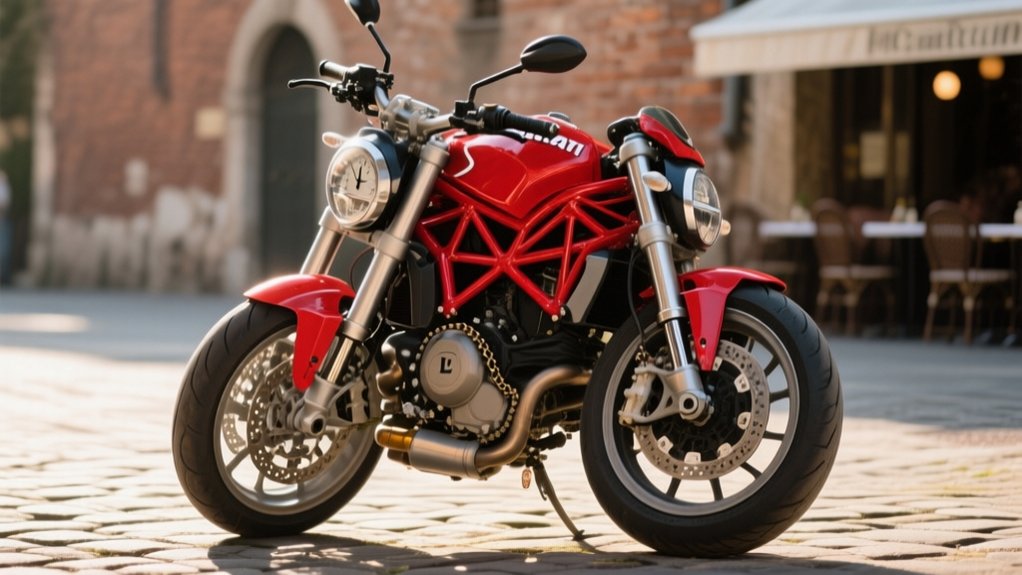
Is the Ducati Monster 821 Reliable?
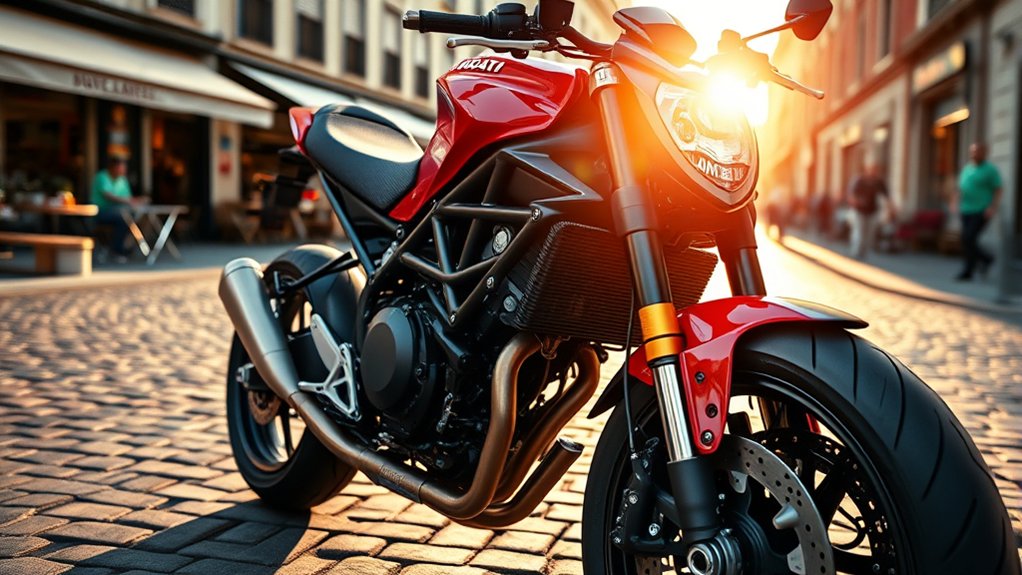
Yes, the Ducati Monster 821 is generally reliable if you keep up with scheduled maintenance. This is especially true for desmo service, timing belts, and valve checks.
With proper care, you can expect the Monster 821 engine to last well beyond 60,000 km. Some owners report much higher mileage when service is consistent.
Most failures you’ll hear about aren’t engine catastrophes. They’re usually electrical issues like starter relay problems, regulator or rectifier faults, TPS limp-mode events, or a fuel level sensor issue.
Before you buy, verify the service records. Make sure recent belt and valve work has been completed.
Long trips of about 1,600 miles or more are realistic with regular servicing. Bikes that sit unused often develop issues, so regular use helps keep them reliable and ready.
How Maintenance Affects Monster 821 Reliability
Maintenance plays the biggest role in Monster 821 reliability. The bike’s desmo service, timing belts, and valve checks can’t be skipped without increasing the risk of major engine work.
Maintenance is the key to Monster 821 reliability, especially desmo service, timing belts, and valve checks.
Follow the scheduled 7,500–15,000 km intervals. Timely inspections keep the engine within spec and help it run past 60,000–100,000 km.
Also, monitor battery health and inspect electrical connectors. Check the relays and the regulator/rectifier too, because weak charging can cause hard starts or limp-mode behavior.
If you service the bike yourself, you can cut desmo costs sharply. Just make sure you have the tools and the skill to do it right.
When you buy used, focus on documented belt changes, valve checks, and recall completion. Proper maintenance can also help stabilize fuel consumption over time.
Common Ducati Monster 821 Problems
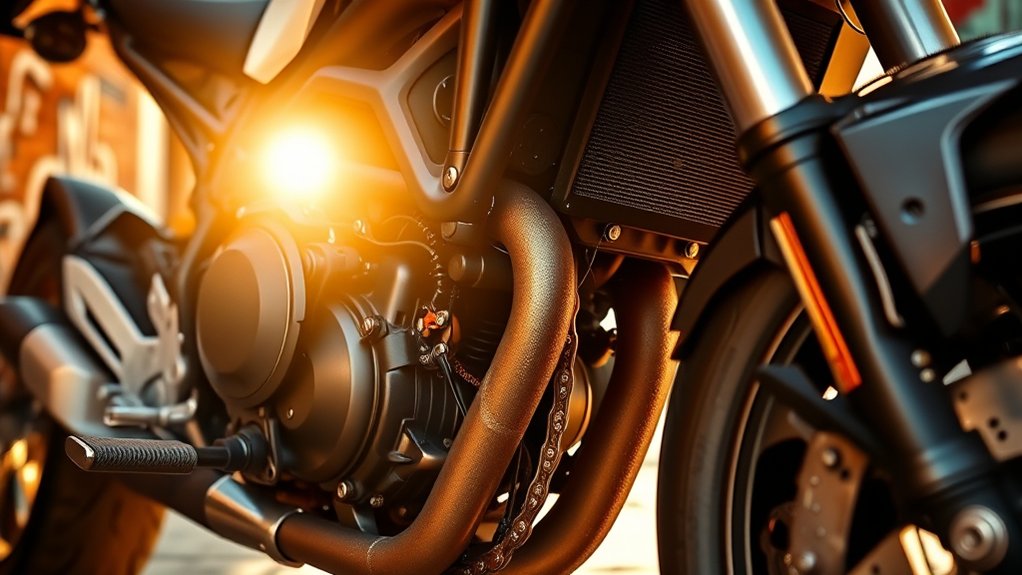
Common Monster 821 problems tend to cluster around the electrical system and a few service-related components. You may see starter-relay failures, regulator/rectifier faults, and occasional TPS events that push the bike into limp mode.
Fuel level sensors also fail periodically. Your dash can show inaccurate range and you may end up unexpectedly low on fuel.
Another frequently asked issue is service cost. The desmo and timing-belt interval isn’t optional, and dealer pricing can reach about $1,800 to $2,000.
Capable DIY owners often spend far less. Some years also show rear brake master-cylinder feel concerns, so check recall or campaign completion.
With regular valve and belt maintenance, your Monster 821 can run reliably. But neglect and long storage increase the chance of expensive problems.
How the Monster 821 Compares to Other Ducatis
Compared with Ducati’s older 620/750/900 Monsters, the Monster 821 adds a liquid-cooled 821cc Testastretta 11° engine.
It also brings more electronics and stronger low-end torque, for a sharper, more modern ride.
You get better chassis feel and comfort, but also more service complexity.
Its engine size puts it between the air-cooled 2-valve Monsters and the 1200.
So you don’t get the 1200’s full shove, but you do get stronger tractability than the 696/620.
| Model | Character | Service load |
|---|---|---|
| 620/750/900 | Simpler, air-cooled | Lower |
| 821 | Modern, torquey | Moderate |
| 1200 | Strongest performance | Higher |
Compared with early 916/996 bikes, you avoid rocker issues.
You’ll still need desmo valve checks and belt intervals.
Well-serviced examples often run long, but dealer maintenance isn’t cheap.
Is the Ducati Monster 821 Worth Buying?
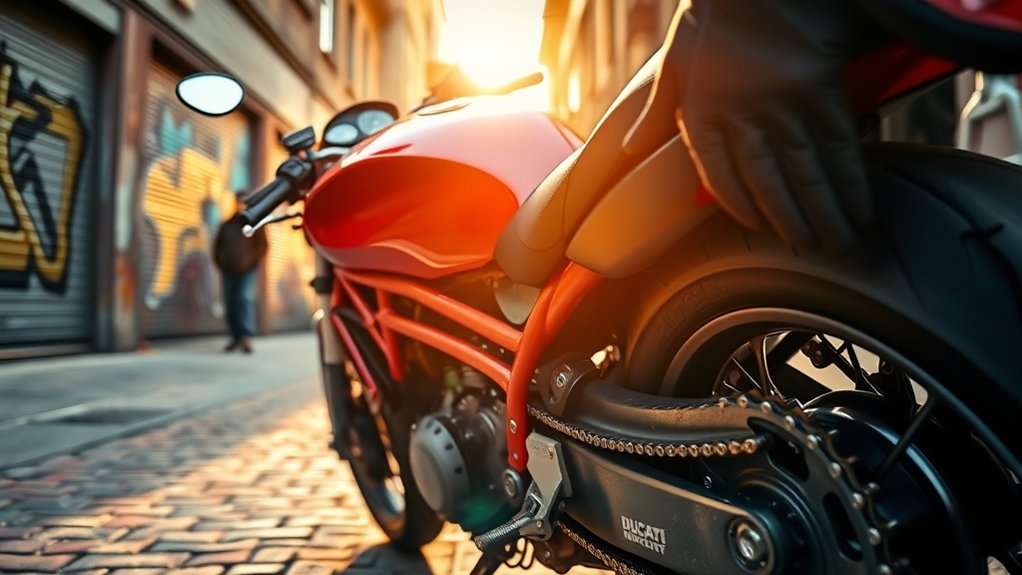
Yes, the Monster 821 is worth buying if you want a Ducati that delivers sharp street performance, strong low-end torque, and modern chassis dynamics. You’ll also need to budget for scheduled desmo, valve, and belt service.
You can expect a strong engine that often exceeds 60,000 to 100,000 km when maintained properly. Still, treat ownership as a recurring-cost commitment.
Dealer service can run about $1,800 to $2,000, while DIY parts may cost near $100. Before buying, check for electrical gremlins, fuel-level sensor faults, and rear brake or master-cylinder issues.
Buy only with documented service history, recent belt and valve work, and confirmation that recalls are completed. If you want cheaper upkeep, an older air-cooled 2-valve Monster is easier to live with.
Frequently Asked Questions
What Warranty Coverage Does a New Ducati Monster Include?
A new Ducati Monster includes a two-year factory warranty from first registration. It covers defects in materials and workmanship.
You can get authorized dealer repairs and replacement parts under that coverage. Routine maintenance items, consumables, and wear components aren’t included.
Check for any geographic limits and what’s covered under roadside assistance. You may also consider optional extended coverage.
Keep authorized service records, because modifications, poor maintenance, or racing can void claims.
Do Monster Reliability Ratings Vary by Model Year?
Yes, monster reliability ratings vary by model year. Like gears meshing more smoothly in some years than others, some Monsters are just easier to live with.
You’ll usually find simpler air-cooled 2-valve Monsters, especially 2002–2007 models, rate as more dependable. Early 4-valve bikes can need closer inspection for rocker wear.
Newer liquid-cooled models bring more electronics and occasional electrical faults. Before buying, verify the belt, valve, recall, and service history.
How Much Does Annual Monster Maintenance Typically Cost?
Annual Monster maintenance typically costs about $200–$400 if you do the routine work yourself. Or $400–$800 at a dealer.
You’ll usually cover oil and filter changes, chain lube, and brake and fluid inspections.
If your bike needs valve/desmo checks or belt service, costs jump sharply every 12,000–15,000 km and 20,000–30,000 km.
Newer 821/1200 models usually cost more than simpler air-cooled 2-valve Monsters.
Are Aftermarket Parts Safe for Ducati Monster Reliability?
Yes—aftermarket parts can be totally safe if you choose them wisely.
Use OEM-equivalent or better components from reputable makers with warranties, and you’ll keep your Monster reliable.
Cheap, unknown electrical parts can trigger failures, so avoid them.
Timing belts and desmo kits can save you money, but bad parts or installation can wreck the engine.
Keep receipts, part numbers, and service records for troubleshooting and warranty support.
Does Riding Style Affect Monster Engine Lifespan?
Yes—your riding style can shorten a Monster’s engine life.
If you ride hard, rev it often, and track it, you’ll increase wear on timing belts, desmo parts, and valves.
So you’ll need checks sooner.
If you maintain it well, many Monsters still last 60,000–240,000 km.
Follow valve-clearance intervals and service belts on schedule.
Keep the bike ridden regularly to minimize damage from aggressive use.
Conclusion
So, are Ducati Monsters reliable?
Yes, if you keep up with maintenance.
The Monster 821’s Testastretta engine can reach high mileage.
Ducati’s newer electronics and valve systems have also improved dependability.
Still, regular valve checks and fluid changes matter.
Ducati recommends desmodromic valve inspections at 18,000 miles.
That’s more frequent than many Japanese rivals.
If you want a stylish, performance-focused naked bike, the Monster 821’s reliability is solid, not carefree.