
Top 12 Best Bike for Pavement and Gravel You Must See
Riding a bike meant for just smooth roads on rough gravel trails can quickly turn frustrating. The best bike for pavement and gravel handles both surfaces without compromising comfort or control.
A poorly chosen bike often suffers from frequent tire punctures and feels unstable when switching from asphalt to loose dirt or stones.
A solid bike for mixed surfaces typically features wider tires in the 35 to 45 mm range, offering grip and cushioning. A lightweight but durable frame, often aluminum or carbon, helps balance speed and toughness. Proper geometry ensures a comfortable riding position for long distances, while reliable braking systems provide necessary control on unpredictable terrain.
Need a Quick Check?
| Image | Product | Price |
|---|---|---|
Our Top Picks 1  | SAVADECK T800 Gravel | Check Price |
Our Top Picks 2  | SAVADECK T800 Carbon | Check Price |
Our Top Picks 3  | KABON T800 Gravel | Check Price |
Our Selected Top 12 Bike for Pavement and Gravel Worth Considering
This list features versatile bikes designed for both pavement and gravel riding, highlighting their performance across different terrains. Each review covers who the bike suits best, along with its strengths and limitations to help you find the right fit for your needs.
1. SAVADECK T800 Carbon Gravel Bike
Ultralight weight stands out immediately with a frame tipping the scale at just 10.4kg. Ideal for riders blending paved road speed with gravel trail capability, it suits both beginners and enthusiasts thanks to its versatile design and reliable Shimano drivetrain.
Setting it up is straightforward, with a rigid fork and trigger shifters that make daily rides consistent and predictable. Dual disc brakes provide solid stopping power on various surfaces, while the 22-speed system lets you smoothly handle climbs and descents.
Maintenance is typical for a carbon bike, requiring careful cleaning to keep the shifting crisp and the frame pristine.
Performance shines on both pavement and unpaved trails, where the lightweight carbon frame offers a nimble feel without sacrificing strength. The Shimano components deliver precise shifting, though some notice the trigger shifters need a bit of attention to stay perfectly tuned.
Most riders appreciate the balance of speed and durability, with the main drawback being the frame’s stiffness, which can transmit more road harshness than expected.
Strong praise often goes to the bike’s lightweight carbon frame and crisp Shimano shifting, making gear changes race-ready. A frequent complaint involves the stiffness of the frame, which can make for a less comfortable ride on rough surfaces. Trigger shifters also demand routine adjustments to maintain smooth operation.
Riders looking for speed on pavement and capability on gravel will appreciate this bike’s blend of materials and components. Those seeking a more cushioned ride or requiring suspension might want to explore other options better suited for rougher terrain and comfort.
Pros
- Lightweight T800 carbon frame at 10.4kg
- Professional Shimano drivetrain for reliable shifting
- Dual disc brakes for strong stopping power
- Unisex design suits a wide range of riders
Cons
- Frame stiffness can cause a harsher ride
- Trigger shifters require regular tuning
| Specification | Details |
|---|---|
| Bike Type | Road Bike |
| Number Of Speeds | 22 |
| Suspension Type | Rigid |
| Brake Style | Disc |
| Bicycle Drivetrain Type | Derailleur |
2. SAVADECK T800 Carbon Gravel Bike
Lightweight with a sturdy T800 carbon fiber frame and a wide gear range, the SAVADECK T800 suits riders looking to switch easily between pavement and gravel without feeling weighed down. Its standout feature is precise shifting, making it a reliable choice for both smooth roads and rough trails.
Outfitted with SHIMANO GRX610 shifters and an RX822 rear derailleur, the bike offers a 12-speed cassette for tackling everything from flats to climbs. Day-to-day, the trigger shifters respond smoothly, which makes adjusting gears quick on the move.
The rigid suspension and disc brakes add control and safety on mixed terrain. Weight stays light at 10.4kg, which helps when carrying or climbing.
Performance is strong thanks to the carbon fiber frame that delivers both durability and a responsive ride. Precise gear changes and solid disc brakes give confidence on different surfaces. The most common drawback is the stiffness from the rigid fork which some riders might find less forgiving on very rough trails.
Frame quality and shifting mechanics earn consistent praise.
Shifting is consistently praised for its smoothness and reliability thanks to the SHIMANO GRX components. Some note the rigid fork adds stiffness that might be uncomfortable over very uneven surfaces. The frame’s toughness and low weight stand out in practical use.
Riders looking for a lightweight bike that handles both paved and gravel roads well will find this model fitting. Those who prefer a softer ride with suspension should consider alternatives better suited for rough off-road terrain.
Pros
- Lightweight carbon frame at 10.4kg
- Smooth, precise 12-speed shifting
- Reliable disc brakes for varied terrain
- Suitable for both men and women
Cons
- Rigid fork may feel harsh on rough trails
- Not ideal for riders needing suspension
| Specification | Details |
|---|---|
| Bike Type | Gravel Bike |
| Number Of Speeds | 12 |
| Suspension Type | Rigid |
| Brake Style | Disc |
| Bicycle Gear Shifter Type | Trigger |
| Bicycle Drivetrain Type | chain drive |
3. KABON T800 Carbon Gravel Road Bike
Riding smoothly on both pavement and gravel usually calls for a balance of stability and lightness, especially for beginners. The KABON T800 Carbon Gravel Road Bike suits those who need a durable and agile ride for mixed terrains with its standout lightweight carbon frame that keeps things nimble.
The setup feels straightforward with an 18-speed drivetrain allowing easy shifting between surfaces. On daily rides, the wider 700x40c tires absorb bumps and provide grip on rough patches, while the rigid carbon fork and handlebar help reduce vibration for a more comfortable ride. Weighing just 8.7kg, it stays light enough to handle climbs without wearing you out.
Performance shines when moving from smooth roads to uneven gravel, thanks to durable puncture-proof tires and a solid carbon frame built for longevity. The strongest praise centers on how light and sturdy the bike feels, making it easy to control at speed. The main complaint is about the lack of suspension, which some might find tough on very rocky paths.
The bike is praised for its lightweight and sturdy carbon frame, making it comfortable for rides that shift between pavement and gravel surfaces. At the same time, some find its rigid suspension a drawback on more jagged or rocky trails, which could affect long rides over rougher ground.
Anyone looking for a beginner-friendly gravel bike that handles well on mixed surfaces will appreciate this model. Riders frequently tackling technical or extremely rough trails might want to look for one with suspension to better absorb shocks.
Pros
- Lightweight at 8.7kg for easy handling
- Durable T800 carbon fiber frame
- Wider 700x40c tires for stability on gravel
- Disc brakes for reliable stopping power
Cons
- No suspension for very rough terrain comfort
- Tires may still be vulnerable on extremely sharp debris
| Specification | Details |
|---|---|
| Bike Type | Gravel Bike |
| Number Of Speeds | 18 |
| Suspension Type | Rigid |
| Brake Style | Disc |
| Intended Riding Terrain | Paved Roads, Unpaved Trails |
4. SAVADECK T800 Carbon Gravel Bike

Weighing just 10.4kg thanks to its T800 R21 carbon fiber frame, this gravel bike suits riders who want a lightweight option for both pavement and rougher unpaved trails. It appeals to beginners and advanced cyclists looking for a sturdy yet agile ride on varied terrain.
Setup is straightforward with a rigid suspension and hydraulic disc brakes making maintenance simpler. The Shimano GRX400 groupset handles shifting across 20 speeds smoothly, keeping gear changes precise in daily rides. Drop bars offer comfortable control and the carbon frame handles long rides without excess fatigue.
Performance is strong, with excellent power transfer and reliable braking on gravel and pavement. The carbon frame’s strength and low weight allow confident handling over mixed surfaces.
The main praise centers on its smooth gear shifting, while some find the rigid fork less forgiving on very rough trails.
Smooth and precise gear transitions stand out, making rides enjoyable and controlled. The rigid suspension design works well on moderate terrain but can feel unforgiving on rougher surfaces. Hydraulic disc brakes provide confidence when slowing down.
This bike suits riders who appreciate a lightweight frame and solid shifting performance on mixed paved and gravel routes. Those seeking more shock absorption or comfort on highly uneven terrain might consider a model with front suspension instead.
Pros
- Lightweight carbon frame at 10.4kg
- Smooth shifting with Shimano GRX400 groupset
- Hydraulic disc brakes for reliable stopping power
- Designed for both men and women riders
Cons
- Rigid fork offers less comfort on rough terrain
- Limited suspension can feel harsh over large bumps
| Specification | Details |
|---|---|
| Bike Type | Road Bike |
| Number Of Speeds | 20 |
| Suspension Type | Rigid |
| Brake Style | Disc |
| Bicycle Gear Shifter Type | Drop Bar |
| Frame Material | T800 R21 Carbon Fiber |
5. Pipleo 700C Road Bike
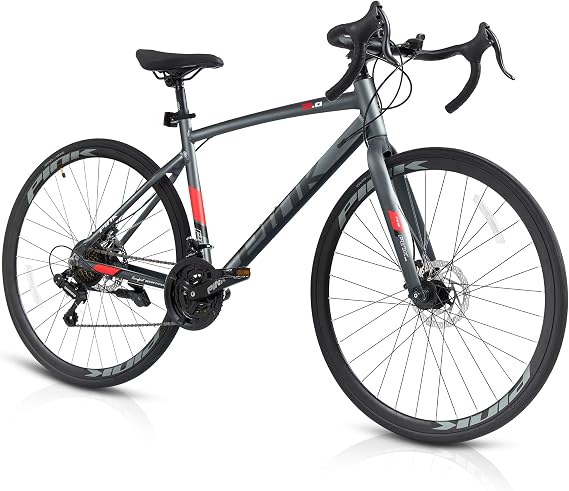
Riders who love mixing city streets with light gravel will appreciate a bike made to handle both comfortably. Designed for those wanting speed without giving up versatility, it stands out for smooth gear changes and reliable stopping power on various surfaces.
Assembly is straightforward, featuring a SHIMANO 21-speed drivetrain that shifts crisply in just 0.3 seconds. Its 700x28C armored tires grip well on paved roads and gravel alike, while full internal frame routing reduces wind resistance and keeps cables protected. Daily rides feel confident, thanks to dual-disc brakes that offer consistent stopping with less wear.
Performance shines on climbs and mixed terrain, where HyperGlide+ tech assists fast, smooth gear transitions. The bike rides light and responsive thanks to quality double-wall rims and a front suspension setting that soaks up bumps.
Praised for precise shifting, some users note the front suspension feels limited on rougher trails.
Shifting speed and consistency stand out as the best features, delivering smooth gear changes every time. Many users also mention the front suspension doesn’t absorb harsher bumps well, which can limit comfort on challenging trails.
Ideal for riders mostly on paved roads who want occasional gravel capability. Those seeking a bike for aggressive off-road use should look for models with stronger suspension and wider tires.
Pros
- Fast and precise SHIMANO 21-speed shifting
- Dual-disc brakes provide strong stopping power
- Armored 700x28C tires handle gravel well
- Stealth cable routing reduces wind resistance
Cons
- Front suspension limited on very rough paths
- Primarily designed for paved and mild gravel terrain
| Specification | Details |
|---|---|
| Bike Type | Road Bike |
| Number Of Speeds | 21 |
| Suspension Type | Front |
| Brake Style | Disc |
| Intended Riding Terrain | Paved Roads, Urban Terrain |
| Bicycle Drivetrain Type | Chain drive |
6. WEIZE 26/27.5 Inch Mountain Bike

Lightweight design combined with 21-speed gear options make the WEIZE 26/27.5 Inch Mountain Bike a solid choice for riders who want versatility on both pavement and gravel. It fits a wide range of heights and stands out for its smooth shifting and practical build for everyday use.
Setting it up involves adjusting the seat to your height using the adjustable seat post, which works well for various riders. The disc brake system adds strong stopping power, and the kickstand is handy for quick stops. Tires are 2.125 inches wide, offering a comfortable ride on neighborhood streets and light trails without much fuss.
Performance is steady on mixed terrain thanks to the rear derailleur and 21-speed gear setup that helps tackle hills and flats easily. The aluminum frame keeps it light, though the rigid suspension means no extra shock absorption on rough trails.
Most praise goes to its smooth shifting, while some mention that the single suspension style limits comfort on very bumpy rides.
Most recognize the bike’s smooth gear shifting and reliable disc brakes as major benefits for casual riding. Complaints often highlight the lack of suspension comfort for rougher rides, limiting its off-road capabilities despite the mountain terrain label.
Ideal for commuters and fitness riders who spend time mostly on pavement and mild gravel. Riders expecting cushioned rides on bumpier trails might look for a model with suspension forks instead.
Pros
- 21-speed gearing for varied terrains
- Lightweight aluminum frame
- Disc brakes for reliable stopping
- Adjustable seat fits many rider heights
Cons
- Rigid suspension can be uncomfortable on rough trails
- Single speed stated in tech specs may confuse buyers
| Specification | Details |
|---|---|
| Number Of Speeds | 1 |
| Suspension Type | Rigid |
| Brake Style | Disc |
| Intended Riding Terrain | Mountain Terrain |
| Bicycle Drivetrain Type | chain drive |
| Frame Size | 17-inch |
7. Jupiter 17/19 Inch Hybrid Road Bike

Jupiter 17/19 Inch Hybrid Road Bike suits riders looking for a reliable bike that handles both pavement and gravel well. Its biggest strength lies in the lightweight yet durable aluminum alloy frame, offering a great balance of strength and control suitable for various terrains.
Setup involves adjusting the seat quickly thanks to the quick-release feature, which adds convenience when adapting the bike for different riders or riding styles. Daily rides benefit from the 21-speed Shimano EF500 shifting system, providing smooth gear changes that make addressing hills or flat roads easy. Multiple mounting points allow adding accessories like water bottle holders or racks, making it practical for errands or longer rides.
Performance on both paved roads and gravel is steady, with dual disc brakes offering reliable stopping power in different conditions. The rigid suspension keeps the bike responsive, though the frame sticks to simplicity rather than suspension comfort.
Most reviews mention precise gear shifting as a highlight, while some note that the rigid setup might feel a bit stiff on rougher trails.
Precise shifting from the Shimano EF500 setup stands out as a major plus, allowing smooth transitions between gears during rides. The rigid suspension frame, however, leads to a firmer ride on gravel where a bit more shock absorption might help. This rigidity suits city streets better than very rough paths.
People who want a sturdy and adaptable bike for city roads, light gravel, and quick adjustments will find this bike meets those needs well. Riders seeking more comfort on bumpy or off-road trails should consider alternatives with suspension designed for rough terrain.
Pros
- Durable yet lightweight aluminum alloy frame
- Smooth shifting with 21-speed Shimano EF500 system
- Quick-release seat for fast adjustments
- Multiple mounting points for customization
Cons
- Rigid suspension can feel stiff on rough trails
- Primarily designed for urban and paved terrain
| Specification | Details |
|---|---|
| Bike Type | Hybrid Bike |
| Number Of Speeds | 21 |
| Suspension Type | Rigid |
| Brake Style | Disc |
| Additional Features | Adjustable Seat, Dual Disc Brake, Lightweight, Multi-Speed, Quick Release Seat |
| Intended Riding Terrain | Paved Roads, Urban Terrain |
8. Huffy Stone Mountain Bike

Riding over pavement or gravel feels surprisingly smooth thanks to the dual suspension setup. It suits beginners looking for comfort on varied terrain, making bumpy rides feel more controlled and less jarring.
The biggest strength lies in the comfortable ride maintained even on uneven roads or light trails.
Setup is straightforward, with easy assembly and adjustable seat height that fits different riders. Day-to-day use is made reliable by the 21-speed Shimano drivetrain and twist shifters that let you shift gears smoothly on hills or flat stretches.
The kickstand adds convenience for quick stops without laying the bike down. Dual linear pull brakes provide decent stopping power when needed.
The bike handles mixed surfaces well, absorbing shocks from rough patches thanks to the front fork and rear spring shock. Its steel frame offers solid durability backed by a clean design in gray with red highlights. The most praised feature is the ride comfort, while some note the bike could feel heavier due to steel construction and components suited mostly for beginner riders.
Riders frequently appreciate how the dual suspension smooths out bumps on both paved and gravel paths, making longer rides more enjoyable. Common criticisms mention the bike’s weight due to its steel frame, which can slow down acceleration and make it feel less nimble compared to lighter models.
Those starting out or riding mainly on mixed surfaces should find this bike a solid, comfortable option. Cyclists seeking higher-speed performance or lighter materials might look elsewhere, as the frame and parts favor durability and ease over racing agility.
Pros
- Comfortable dual suspension for rough surfaces
- 21-speed Shimano gears for varied terrain
- Adjustable seat for a custom fit
- Durable steel frame with an attractive finish
Cons
- Heavier steel frame limits quick acceleration
- Beginner-level components may not suit advanced riders
| Specification | Details |
|---|---|
| Number Of Speeds | 21 |
| Suspension Type | Dual |
| Brake Style | Dual linear pull |
| Bicycle Gear Shifter Type | Twist Grip |
| Bike Type | Mountain Bike |
| Intended Riding Terrain | Mountain Terrain |
9. SAVADECK Gelaro S8 Carbon Gravel Bike

Lightweight and versatile, the SAVADECK Gelaro S8 Carbon Gravel Bike suits riders seeking a reliable bike for both pavement and gravel. Its greatest strength lies in the T800 carbon fiber frame, which keeps the weight down to just 9.8kg, making it easier to climb and ride longer distances without fatigue.
Setting up this bike is straightforward thanks to its SHIMANO GRX820 drivetrain, which offers smooth and precise shifting across 12 gears. The dual disc brakes provide confident stopping power in various conditions.
Riding on mixed surfaces feels stable due to the rigid suspension, and the bike handles paved roads and unpaved trails with ease, making weekday commutes and weekend rides equally enjoyable.
The bike’s performance on different terrains lives up to expectations, with shifting that stays crisp whether climbing steep hills or cruising flats. Its carbon build offers a light but strong ride.
Review comments frequently praise the shifting reliability while some mention the rigid suspension may feel stiff on very rough trails.
Shifting is praised for its reliability and crispness even on varied terrain, though the rigid suspension receives criticism for feeling stiff on rougher trails. This creates a trade-off between efficiency on smooth pavement and comfort over gravel.
Riders focused on mixed pavement and light gravel will appreciate the lightweight frame and strong drivetrain. Those needing more shock absorption or planning aggressive off-road rides might want to look at bikes with some rear suspension.
Pros
- Lightweight T800 carbon frame
- SHIMANO GRX820 smooth shifting
- Strong dual disc brakes
- Wide 12-speed gear range
Cons
- Rigid suspension feels harsh off-road
- Limited rear suspension options
| Specification | Details |
|---|---|
| Bike Type | Gravel Bike |
| Number Of Speeds | 12 |
| Suspension Type | Rigid |
| Brake Style | Disc |
| Frame Material | T800 Carbon Fiber |
| Weight | 9.8kg / 21.6 lbs |
10. SAVADECK T800 Carbon Gravel Bike

Carbon fiber forms the core of this bike, making it incredibly lightweight and suited for riders who want speed and efficiency on both pavement and gravel. Its standout feature is the ultra-light T800 carbon frame weighing just 10.4kg, which helps reduce fatigue and makes long rides easier.
Setup involves tuning the precision drivetrain with U6000 shifters and U6020 rear derailleur, ensuring reliable gear changes. The bike’s rigid suspension and disc brakes offer control on mixed terrain, handling everything from smooth roads to rough unpaved trails.
Regular maintenance revolves mainly around keeping the chain clean and adjusting the cassette for smooth shifting.
Performance lives up to its design, handling pavement and gravel trails with stability and speed. The carbon frame’s strength-to-weight ratio is five times that of aluminum, lending a solid feel without extra bulk.
Reviews often highlight the crisp, race-ready shifting and lightweight build as positives, though some mention the limited 10-speed range as a drawback for more technical climbs.
The lightweight frame paired with professional-grade drivetrains delivers smooth rides on mixed surfaces. Most users praise the bike’s responsive gear shifting, while the 10-speed setup is sometimes seen as restricting on steep or technical climbs.
Gravel and pavement riders seeking efficiency and speed will find this bike a strong fit. Those who need more suspension comfort or a wider range of gears might look for alternatives better tailored to extreme off-road use.
Pros
- Lightweight at just 10.4kg
- Crisp, reliable shifting
- Strong carbon frame offers fatigue reduction
- Disc brakes perform well on varied terrain
Cons
- Only 10 speeds might limit gear selection
- Rigid suspension may feel harsh on roughest trails
| Specification | Details |
|---|---|
| Bike Type | Gravel Bike |
| Number Of Speeds | 10 |
| Suspension Type | Rigid |
| Brake Style | Disc |
| Intended Riding Terrain | Paved Roads, Unpaved Trails |
11. HILAND 700C Aluminum Road Bike

Lightweight frame and smooth gear shifts stand out for anyone riding on both pavement and gravel. The bike suits riders looking for speed without sacrificing control, especially those who face mixed terrains and need a versatile yet simple setup. Its biggest strength lies in balancing ride efficiency with enough durability for rougher paths.
Assembly follows straightforward steps with an adjustable seat and quick-release features making daily adjustments easy. The 14-speed derailleur system offers a wide range of gears, helpful for changing incline and surface types. Rigid suspension and 700C tires contribute to a responsive ride that feels stable on pavement while still handling unpaved trails confidently.
Speed and handling feel natural thanks to the lightweight aluminum alloy frame, which is also stiff enough to handle tougher conditions. Dual caliper brakes provide reliable stopping power and keep weight down, but some might prefer disc brakes for wet or muddy environments. Reviews note an efficient performance across city streets and gravel with the main gripe being limited cushioning on very rough trails.
The bike receives solid praise for its lightweight frame and overall efficiency, making it easy to handle on both city streets and gravel trails. Most users find the dual caliper brakes stable but note they aren’t as effective in wet or muddy situations. The rigid setup sacrifices some comfort on rougher paths.
Riders who want a fast, simple bike for mixed surfaces will find it a good fit. Those frequently facing muddy trails or needing more cushioning might want to look for models with suspension or disc brakes for better control and comfort.
Pros
- Lightweight aluminum frame
- Versatile 14-speed drivetrain
- Reliable dual caliper brakes
- Adjustable and quick-release seat
Cons
- No suspension for rough trail comfort
- Caliper brakes less effective in wet conditions
| Specification | Details |
|---|---|
| Bike Type | Road Bike |
| Number Of Speeds | 14 |
| Suspension Type | Rigid |
| Brake Style | Caliper |
| Bicycle Gear Shifter Type | Drop Bar |
| Intended Riding Terrain | Paved Roads, Unpaved Trails |
12. Tommaso Sentiero Sport Aluminum Gravel Bike

Choosing a durable bike that can handle both paved roads and gravel trails without breaking the bank leads many to this model. Perfect for beginners looking for an adventure-ready ride, it stands out with its lightweight aluminum frame that balances stability and ease of control.
Setup is straightforward thanks to a single handlebar with trigger gear shifters that smoothly change through 24 speeds. Riding around town or exploring unpaved paths, the no-suspension design keeps the weight down, making handling easy and less tiring during longer rides.
Performance-wise, it handles both asphalt and loose gravel confidently thanks to its disc brakes that provide reliable stopping power in different conditions. The aluminum frame is sturdy, making the bike feel solid but responsive. Some users mention that the lack of suspension can be a bit rough on bumpier trails, but the overall ride quality is praised.
The bike receives high marks for its sturdy aluminum frame and strong stopping power from disc brakes, which work well on both pavement and gravel. The main complaint focuses on the absence of suspension, making rides over rough surfaces less cushioned than some might prefer.
Those seeking a versatile, beginner-friendly bike for mixed surfaces will appreciate this model. Riders wanting a smoother ride on very rocky or uneven trails should look for options with suspension features instead.
Pros
- Lightweight aluminum frame
- Reliable disc brakes for diverse conditions
- Wide range of 24 speeds
- Suitable for both paved and unpaved terrain
Cons
- No suspension can make rough trails uncomfortable
- Basic trigger gear shifters may feel clunky to some
| Specification | Details |
|---|---|
| Bike Type | Adventure Bike, Road Bike |
| Number Of Speeds | 24 |
| Suspension Type | no-suspension |
| Frame Material | Aluminum |
| Brake Style | Disc |
| Bicycle Drivetrain Type | Shimano Claris R2000 |
Best Bikes for Pavement and Gravel Comparison
| Product | Bike Type | Speeds | Suspension Type | Intended Terrain |
|---|---|---|---|---|
| SAVADECK T800 Gravel | Road Bike | 22 | Rigid | Gravel, Unpaved Trails |
| SAVADECK T800 Carbon | Gravel Bike | 12 | Rigid | Paved Roads, Unpaved Trails |
| KABON T800 Gravel | Gravel Bike | 18 | Rigid | Gravel, Racing, Road |
| SAVADECK T800 Bike | Road Bike | 20 | Rigid | Unpaved Trails |
| Pipleo 700C Road | Road Bike | 21 | Front | Paved Roads, Urban |
| WEIZE Mountain Bike | Cruiser Bike | 1 | Rigid | Mountain Terrain |
| Jupiter Hybrid Road | Hybrid Bike | 21 | Rigid | Gravel, Road, Trail |
| Huffy Stone MTB | Mountain Bike | 21 | Dual | Gravel, Trail |
| SAVADECK Gelaro S8 | Gravel Bike | 12 | Rigid | Paved Roads, Unpaved Trails |
| SAVADECK T800 Model | Gravel Bike | 10 | Rigid | Paved Roads, Unpaved Trails |
| HILAND 700C Road | Road Bike | 14 | Rigid | Road, Gravel, Commuting |
| Tommaso Sentiero Gravel | Adventure Bike | 24 | No Suspension | Paved Roads, Unpaved Trails |
- Bike TypeRoad Bike
- Speeds22
- Suspension TypeRigid
- Intended TerrainGravel, Unpaved Trails
- Bike TypeGravel Bike
- Speeds12
- Suspension TypeRigid
- Intended TerrainPaved Roads, Unpaved Trails
- Bike TypeGravel Bike
- Speeds18
- Suspension TypeRigid
- Intended TerrainGravel, Racing, Road
- Bike TypeRoad Bike
- Speeds20
- Suspension TypeRigid
- Intended TerrainUnpaved Trails
- Bike TypeRoad Bike
- Speeds21
- Suspension TypeFront
- Intended TerrainPaved Roads, Urban
- Bike TypeCruiser Bike
- Speeds1
- Suspension TypeRigid
- Intended TerrainMountain Terrain
- Bike TypeHybrid Bike
- Speeds21
- Suspension TypeRigid
- Intended TerrainGravel, Road, Trail
- Bike TypeMountain Bike
- Speeds21
- Suspension TypeDual
- Intended TerrainGravel, Trail
- Bike TypeGravel Bike
- Speeds12
- Suspension TypeRigid
- Intended TerrainPaved Roads, Unpaved Trails
- Bike TypeGravel Bike
- Speeds10
- Suspension TypeRigid
- Intended TerrainPaved Roads, Unpaved Trails
- Bike TypeRoad Bike
- Speeds14
- Suspension TypeRigid
- Intended TerrainRoad, Gravel, Commuting
- Bike TypeAdventure Bike
- Speeds24
- Suspension TypeNo Suspension
- Intended TerrainPaved Roads, Unpaved Trails
How to Choose the Best Bike for Pavement and Gravel
Choosing the right bike for both pavement and gravel depends on factors like tire width, frame durability, and gear range, which ensure comfort and control on varied surfaces. Getting these right helps avoid frequent repairs, makes rides more enjoyable, and saves money in the long run.
Frame and Tire Compatibility
A frame designed to fit wider tires makes a huge difference when riding on both smooth roads and rougher, gravel-covered paths. Narrow clearance limits tire size, forcing compromise either on grip or speed. Bikes with clearances that support 35mm to 40mm tires tend to handle gravel better without feeling sluggish on pavement.
The material of the frame also plays a practical role. Aluminum frames are common and stiff but can transfer more road shock, while steel adds durability and a bit of flex that softens the ride on rough surfaces.
Carbon frames combine lightness and some compliance but can be expensive and trickier to repair if damaged on rough trails. The daily experience shows a good mix of tire width and a frame material that can absorb bumps without feeling harsh.
Comfort and Fit
Riding mixed surfaces means your position on the bike needs to be comfortable for long stretches but adjustable when conditions change. Bikes with a geometry that keeps the front wheel stable at gravel speed yet responsive on pavement are easier to handle.
Too aggressive a bend in the frame can cause twitchiness off-road.
Being able to adjust the handlebars and seat post height improves comfort and control since road riding usually demands a lower, aerodynamic posture while gravel paths benefit from a more upright position that provides better vision and bike control. A few models include basic suspension or thicker seat posts which help absorb bumps, cutting down fatigue from uneven ground.
Gear Range and Drivetrain
Hills and gravel require a wide range of gears so you can tackle steep grades without straining. Having both low gears for climbing and high gears for flat pavement boosts confidence on varying routes. Drivetrains with 1x or 2x setups that shift smoothly are worth considering, as frequent surface changes mean quick gear changes.
Reliable components that don’t require constant fine-tuning and tolerate dirt or grit from gravel paths mean less time fixing and more time riding. Parts from established brands and simple designs tend to be easier to maintain during longer rides away from home or repair shops.
Braking Performance
Stopping quickly and safely varies when transitioning from smooth tarmac to loose gravel. Disc brakes, usually hydraulic, provide stronger and more consistent braking in these mixed conditions compared to rim brakes, which can fade on dirt or wet surfaces.
This consistency is important for avoiding slips or skids on gravel.
Good braking requires modulation, meaning you can control the force smoothly instead of abrupt stops that might throw the rider off balance. Well-chosen brakes prevent locked wheels and allow safe slowing on descents or tight turns.
Bikes with disc brakes that have wide rotors (160mm or above) tend to perform better in varied environments.
Weight and Portability
A bike designed for both pavement and gravel must be light enough to carry up stairs or lift onto racks, while still strong enough to tackle rough terrain without seeming fragile. Frames that strike this balance avoid unnecessary weight while using materials and construction techniques that resist dents and cracks.
Heavier bikes drag on smooth roads and tire riders out quicker, but too lightweight can cost durability. Practical options have frames and components that tip the scale near 9-11 kg (20-24 lbs), making them manageable to carry and quick to accelerate.
Compact frame design or quick-release wheels also aid portability for riders who combine transport modes during their trips.
Tips for Transitioning Seamlessly Between Pavement and Gravel Riding
Bike tires are the key to handling both pavement and gravel well. On pavement, narrower tires with higher pressure reduce rolling resistance, making pedaling more efficient. Increasing tire pressure up to the recommended limit improves speed and responsiveness.
On gravel, lower pressure and wider tires allow better traction and absorb trail vibrations. Switching to tires with tread patterns designed for mixed surfaces can improve grip without sacrificing too much speed on smooth roads.
Other practical tips for shifting between surfaces include:
- Adjust your riding position slightly to stay balanced when the terrain gets uneven.
- Use a moderate gear ratio to keep a steady cadence over changing gradients and loose ground.
- Practice braking gently on gravel to avoid skidding, unlike the firmer grip found on asphalt.
Taking these steps helps make transitions smoother without needing major equipment changes.
Essential Maintenance Practices for Bikes Used on Mixed Terrain
Bikes exposed to both pavement and gravel require extra care to maintain performance and durability. Loose dirt and gravel particles can quickly wear down components if left unchecked.
Clean the drivetrain regularly, paying close attention to the chain, derailleurs, and cassette. Use a brush to remove grit and apply lubricant specifically suited for mixed conditions to reduce friction and corrosion.
Other maintenance checks include:
- Inspect tires for cuts or embedded stones that could cause flats.
- Check brake pads often as gravel can accelerate wear.
- Clean and inspect suspension elements if the bike has them to prevent dust buildup.
- Ensure bolts and fasteners are tight to prevent loosening from vibration.
Routine maintenance extends the life of parts and keeps the bike functioning optimally on varied terrain.
Comparing Hybrid and Gravel-Specific Bikes: Which Suits Your Riding Style Better?
Hybrid bikes generally blend road and mountain bike characteristics. They usually feature medium-width tires, flat handlebars, and a comfortable upright geometry.
This makes them versatile and easy to handle on pavement and moderately rough gravel paths.
Gravel-specific bikes, on the other hand, are closer to road bikes in terms of geometry but offer wider tires with more tread and stronger frames designed to deal with harsher off-road conditions. They often have drop handlebars and multiple gear options suited for steep or rough terrain.
Consider your riding habits when choosing between the two:
- Choose a hybrid if your rides lean towards casual or commuter use with occasional gravel segments.
- Pick a gravel bike if you plan to spend significant time on loose or rugged surfaces and want faster, more efficient handling.
Your preference for comfort, speed, and terrain difficulty should guide the decision.
People Also Asked
How Do I Choose the Right Size Bike for Pavement and Gravel?
Select a bike size based on your height and inseam length, using the manufacturer’s sizing chart. Test ride if possible to check comfort in both seated and standing positions, since grip and control matter on uneven surfaces.
What Safety Gear Is Essential for Riding on Pavement and Gravel?
A good helmet and gloves are essential for pavement and gravel rides, protecting your head and hands from falls. Reflective clothing adds visibility on mixed surfaces and fluctuating lighting conditions.
How Often Should I Perform Maintenance on My Pavement and Gravel Bike?
Performing maintenance every 500 miles or after particularly dusty or muddy rides keeps the bike running smoothly. Regularly clean and lubricate the chain, and check tire pressure especially before gravel rides.
Can I Use the Same Tires for Both Pavement and Gravel Surfaces?
Some tires work well on both surfaces but compromise grip or speed; wider tires with moderate tread strike a balance. Consider swapping tires if more grip is needed on loose gravel or less rolling resistance on pavement.
What Are Common Problems Faced with Bikes Used on Pavement and Gravel?
Common problems include punctures from sharp rocks on gravel and worn brake pads from frequent stopping on pavement. Keep tires inflated to the right pressure and regularly inspect your brakes for safety.
Conclusion
Choosing a bike that performs well on both pavement and gravel mainly comes down to tire clearance and frame durability. Look for something with wider tires and enough space to handle rough surfaces without trouble. The right gearing also plays a big role, helping you manage speed changes and climbs comfortably across different terrains.
Think about how much room you have to store the bike and how often you plan to ride it before making a decision. Spending more doesn’t always mean better for your needs. Check the comparison table and earlier sections to find the options that fit your budget and riding style best.