Can You Rent A Motorcycle – Safety & Facts
You can rent a motorcycle if you have a valid license or endorsement, meet age requirements (usually 21+), and complete any required training. Always inspect the bike for safety. Check brakes, tires, and lights before riding.
Wear a DOT-compliant helmet and full protective gear to reduce injury risk. Keep your speed within limits and never ride impaired. Following these rules boosts your safety and enjoyment.
Learn what else you need to know before hitting the road.
What You Need to Rent a Motorcycle Legally

Before you rent a motorcycle, you need to make sure you have the proper legal credentials. You must hold a valid motorcycle license or a motorcycle endorsement on your driver’s license, as required in all U.S. states for two-wheel rentals.
Some states accept a current foreign driver’s license with the correct class or endorsement, but you should verify this beforehand. The minimum renter age typically is 21, though riders aged 18 to 20 can rent if they’ve a motorcycle endorsement and completed approved training, with engine size limits up to 500cc.
How to Choose and Book Your Motorcycle Rental
When you set out to choose and book your motorcycle rental, start by confirming your eligibility and securing the right license. Most U.S. rentals require a state motorcycle endorsement or an international driver’s license in English, with an IDP recommended if needed. Riders under 21 face restrictions on engine size and training.
Next, select appropriate coverage and be prepared for a security deposit, which varies by waiver choice. Reserve early to save, noting payment deadlines and group discounts.
When you arrive, thoroughly inspect and test the rental motorcycle. Check engine response, brakes, lights, fuel level, and locks. Match the bike to your skill and trip to guarantee comfort and safety. Always decline any motorcycle that feels unsafe or beyond your ability.
This approach guarantees a smooth, secure rental experience.
Why Motorcycle Training and Licensing Matter
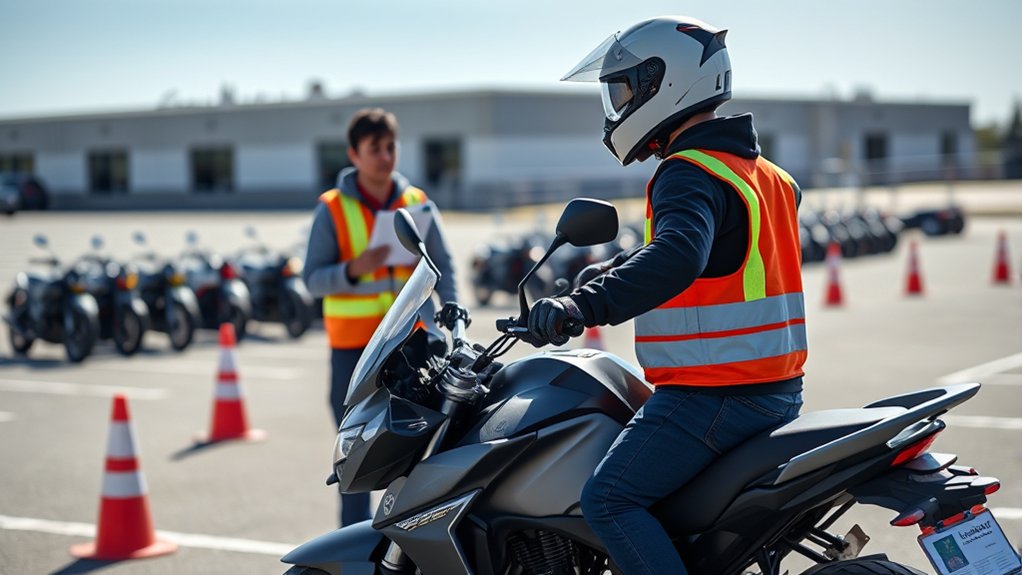
If you want to rent and legally ride a motorcycle, you’ll need a motorcycle endorsement. Keep in mind, age limits and training rules can be different depending on where you live.
Taking rider courses isn’t just about passing the licensing test — it also helps you learn important safety skills that fit the type of motorcycle you plan to ride. So, knowing the rules and what training options are out there’s key to riding safer and lowering your risks.
Licensing Requirements Explained
Although motorcycle rental might seem straightforward, securing the proper licensing is essential to guarantee your safety and legal compliance. To legally rent and operate a motorcycle in the U.S., you must have a motorcycle endorsement on your driver’s license.
Most states require passing a written test and an on-cycle skills test to obtain this endorsement. However, completing a state-sponsored rider education course often waives the on-cycle test and equips you with crucial riding knowledge.
If you’re between 18 and 20, you must hold the endorsement and complete an MSF or authorized training, usually limiting you to motorcycles up to 500cc. Proper licensing guarantees you understand critical safety and operational standards, notably reducing your risk compared to unlicensed riders.
Training Enhances Rider Safety
Proper licensing sets the foundation for safe motorcycle operation, but completing formal training elevates your skills and awareness on the road. Enrolling in a state-approved motorcycle rider education course, such as those offered by the Motorcycle Safety Foundation (MSF), sharpens your control and hazard recognition, reducing crash risk markedly.
Many states allow you to skip the on-cycle skills test after finishing such courses, speeding up your path to obtaining a valid license. With 35% of fatal motorcycle crashes involving unlicensed riders in 2024, the importance of proper licensing and training is clear.
Formal programs like the Entry-Level Basic Rider Course provide structured instruction tailored to experience levels, ensuring you develop the essential skills needed for safe riding and legal compliance.
Age Restrictions Impact Rentals
Since age and licensing regulations directly affect motorcycle rentals, understanding these rules is essential before you hit the road.
To rent a motorcycle in the U.S., you must be at least 21 to rent unrestricted bikes.
Riders aged 18 to 20 can rent only motorcycles up to 500cc, provided they hold a valid motorcycle license or endorsement and have completed an approved training course like the MSF or Harley-Davidson program.
A legitimate motorcycle license or endorsement from your home country is mandatory, and if your license isn’t in English, an International Driving Permit is recommended.
These requirements aren’t arbitrary; they enhance safety, as about 35% of fatal crashes involve unlicensed riders.
Following these age and licensing rules helps guarantee you’re properly prepared to ride rental motorcycles safely and legally.
Choosing the Best Protective Gear
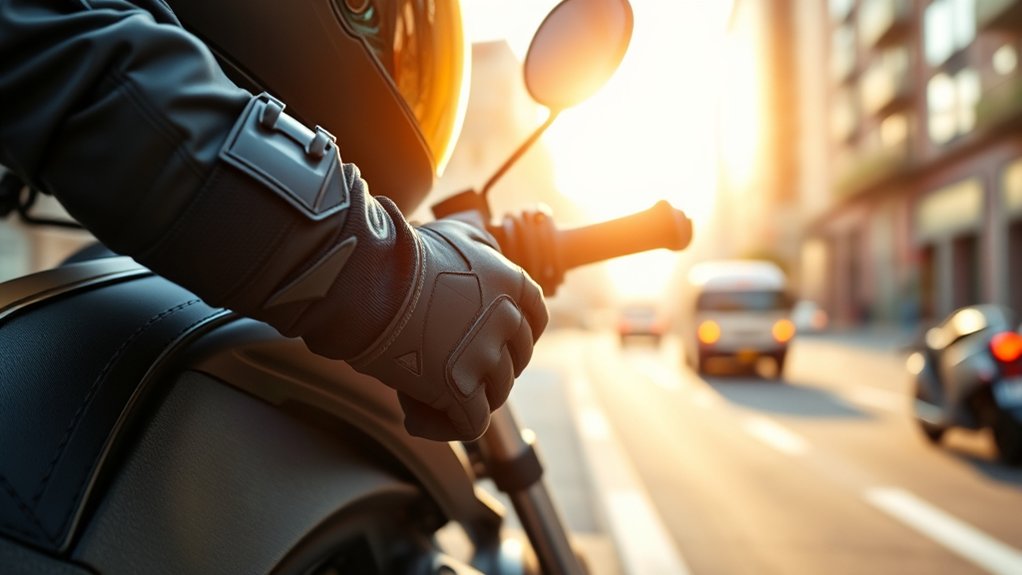
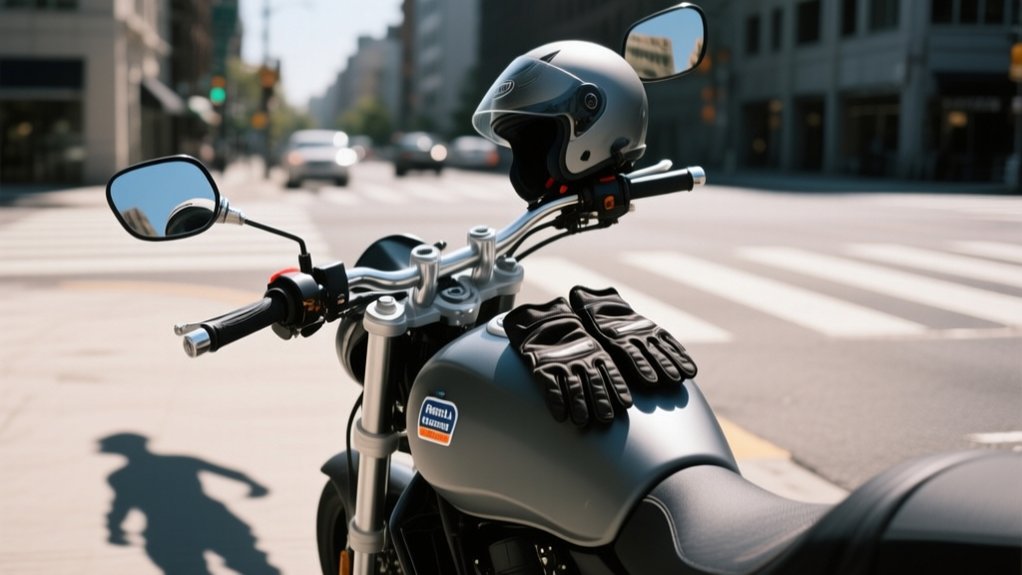
Selecting the right protective gear is essential to safeguarding yourself while riding a motorcycle. Always wear a DOT-compliant helmet that fits snugly and shows the DOT symbol on the back. This markedly reduces head injury risk.
Cover your arms and legs with abrasion-resistant materials like leather or heavy denim, and don’t forget over-the-ankle boots and gloves. Enhance visibility with bright colors and retro-reflective strips, and keep your headlight on to make certain other drivers see you clearly.
| Protective Gear Item | Key Benefit |
|---|---|
| Helmet | Reduces head injury risk |
| Abrasion-Resistant Clothing | Protects against road rash |
| Reflective Gear | Increases visibility |
Use face shields or protective eyewear for eye safety and consider impact-absorbing jackets for added protection on longer or faster rides.
How to Inspect Your Rental Motorcycle Before Riding
Before you hit the road, take a moment to carefully check the tire condition. Make sure the pressure is just right and the tread depth is enough to keep you safe and steady while riding.
Next, give both the front and rear brakes a test while you’re still stationary. You want to be sure they respond smoothly and effectively when you need them.
Finally, don’t forget to inspect all the lights and signals. It’s important that they’re working properly so you stay visible to other drivers out there.
Check Tire Condition
You should always check the tire condition thoroughly before riding a rental motorcycle. Start by measuring tire pressure with a gauge and inflate to the recommended level on the bike’s placard. Incorrect tire pressure affects handling and braking.
Next, inspect tread depth carefully and look for uneven wear, cuts, bulges, or embedded objects. Any visible damage or worn tread reduces traction and must be reported.
Don’t overlook the sidewalls. Check for cracking, dry rot, or patched punctures that could weaken the tire’s structure.
With the motorcycle on its stand, spin each wheel to detect wobble or rubbing that signal alignment or brake issues. If the tires appear old or you notice vibrations during a test, ask the rental staff for a different motorcycle to assure safety.
Test Brake Functionality
Test the brakes thoroughly before you hit the road by applying both the front brake lever and rear brake pedal while the engine is running and the bike is in neutral. Feel for firm resistance without sponginess or excessive travel.
Next, rev the engine slightly, then firmly apply both brakes and try to roll forward. The bike should hold firmly without creeping, confirming proper caliper and brake pad function.
Inspect the brake pads through the calipers. If their thickness is below manufacturer recommendations or metal contact is visible, refuse the rental.
Check the brake fluid reservoir for proper level and clarity. Make sure there’s no contamination or leaks in the brake lines, calipers, or master cylinder.
Finally, confirm the rear brake light activates with brake application to assure safety signaling.
Inspect Lights And Signals
Make sure to check all lights and signals thoroughly before you take off on your rental motorcycle. Turn the ignition on and activate the headlights, taillights, brake lights, and turn signals to guarantee they all function properly.
Confirm the headlight works on both low and high beams and that it’s aimed correctly to maximize visibility without blinding others.
Inspect lenses and reflectors for cracks, cloudiness, or dirt. Clean or report any damage to maintain peak light output.
Test the brake light by applying the front and rear brakes separately, as proper illumination is critical for safety, especially on busy weekends.
Verify that turn signals self-cancel (if equipped) and hazard lights operate.
Always carry a flashlight or signaling device as a backup in case of lighting failure during your ride.
Why Wearing the Right Helmet Saves Lives
Although helmets can’t prevent every injury, wearing a DOT-compliant and properly fitted helmet drastically reduces your risk of death in a crash. Helmet use jumped from 66.5% in 2022 to 73.8% in 2023, reflecting growing awareness of its life-saving impact.
To guarantee protection, check for the DOT symbol on your helmet’s rear and confirm a snug fit without large gaps. This is especially important when carrying passengers, as helmet use increased from 58.3% to 72.3%, protecting both rider and passenger.
How Speed Affects Your Safety on the Road
Speed plays a critical role in motorcycle safety, especially when you’re riding a rental bike that may respond differently than your own. Speeding markedly raises your fatality rate. In 2024, 37% of rider fatal crashes involved speeding, with 56% among young riders aged 15–20.
Rental bikes can handle uniquely, so maintaining speed within posted limits reduces your risk of losing control.
| Factor | Impact on Safety |
|---|---|
| Speeding | Increases crash severity |
| Fatality Rate | 27 times higher than cars |
| Rental Bikes Handling | Requires cautious speed control |
| Single-vehicle Crashes | Often speed-related and deadly |
Staying Sober While Riding Your Rental Motorcycle
Because riding a rental motorcycle demands your full attention and skill, staying sober is essential to guarantee your safety. Alcohol-impaired riders face drastically higher risks. Forty percent of single-vehicle motorcycle deaths in 2024 involved impairment.
When you’re unfamiliar with a motorcycle rental, alcohol and drugs can seriously impair balance, judgment, throttle control, shifting, and reaction time. The national “Ride Sober or Get Pulled Over” campaign underscores legal consequences and enforcement that apply equally to renters and owners.
If you plan to drink while traveling, avoid riding a rental altogether. Impaired operation increases your fatality risk dramatically, making sober riding not just a legal obligation but a critical safety measure. Always plan sober transportation or delay your ride to protect yourself and any passengers.
Top Resources for Safe Motorcycle Riding
When you rent a motorcycle, accessing reliable safety resources can markedly improve your riding experience and reduce risk.
First, enroll in a state-approved rider training course; completing an Entry-Level Basic Rider Course often waives the skills test and equips you with essential skills proven to enhance safety.
Always verify that you hold the correct motorcycle endorsement or license for your rental, including any special requirements for three-wheelers.
Before riding, perform a thorough pre-ride inspection of tires, brakes, and signals.
Importantly, wear a DOT-compliant helmet and full protective gear to protect yourself from injury.
Finally, commit to riding sober and obeying speed limits, as impaired or speeding riders face dramatically higher fatality risks.
These top resources and habits form the foundation for safe motorcycle riding.
Frequently Asked Questions
Can Tourists Rent Motorcycles Without Local Licenses?
Yes, you can rent motorcycles with international licenses, but you must make certain your license includes the proper endorsement. Some rental agencies require liability waivers or temporary permits, especially if your license isn’t in English.
You’ll want to check local state laws since they vary widely. Always confirm with the rental company beforehand to avoid surprises, and carry any recommended documents like an International Driving Permit for smoother processing.
Are There Insurance Options Included With Motorcycle Rentals?
Of course, you could just ride off into the sunset uninsured. What could possibly go wrong?
Luckily, rental companies offer insurance add-ons like damage waivers and liability coverage to keep you protected.
You can choose from tiers that reduce or eliminate your liability, including theft and damage waivers. Supplemental liability coverage often protects you and your passenger up to $300,000.
What Types of Motorcycles Are Typically Available for Rent?
You’ll find a variety of motorcycles available for rent, including scooter options perfect for beginners or city riding.
Cruiser examples like Electra Glide and Indian Chieftain cater to those seeking comfort on long rides.
Some rental fleets also offer electric models, providing a quiet, eco-friendly alternative.
When choosing, consider your experience and preferred style to guarantee safety and enjoyment on the road.
Can You Rent Motorcycles for Off-Road or Adventure Riding?
Yes, you can rent dual sport motorcycles designed for off-road or adventure riding, but you must carefully check the rental company’s policies. They often require you to follow trail etiquette and may limit certain trails.
Pay close attention to the suspension setup to make sure it suits your skill level and terrain. Also, confirm you meet licensing and training requirements to avoid voiding coverage or incurring extra charges.
Are There Age Restrictions for Renting Motorcycles?
While you might think age limits are rigid, the minimum age to rent motorcycles typically starts at 21.
However, if you’re between 18 and 20, some companies allow rentals with proper license requirements, including a motorcycle endorsement and completion of approved training.
Parental consent rarely substitutes for legal age or licensing but may help in exceptional cases.
Always check specific rental policies to guarantee compliance with age and license rules before booking.
Conclusion
Renting a motorcycle can feel like stepping into your own “Easy Rider” adventure, but remember, safety isn’t just a cool accessory. It’s your lifeline. By securing proper licensing, choosing the right gear, and staying alert, you respect the road and yourself.
Just as a knight wouldn’t charge without armor, don’t ride without preparation. Follow these guidelines, and you’ll enjoy the freedom of the open road with confidence and control.