Can You Test Ride A Motorcycle With A Permit – What to Know
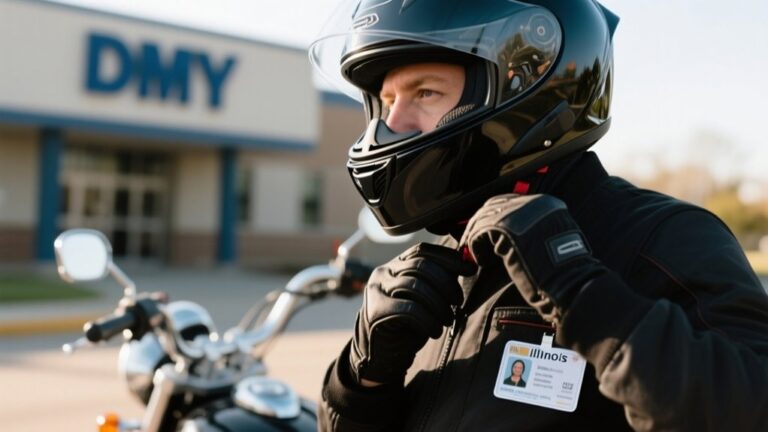
You can often test ride a motorcycle with a permit, but states and dealerships set strict limits. You’ll likely face rules like no passengers, riding only during the day, and needing a licensed supervisor.
Many dealers won’t allow unsupervised test rides without a full license or proof of insurance. Plus, securing insurance and registering your bike can be tricky with just a permit.
Understanding these restrictions and how rider courses influence your options is essential before you hit the road.
Can You Legally Test Ride a Motorcycle With a Permit?
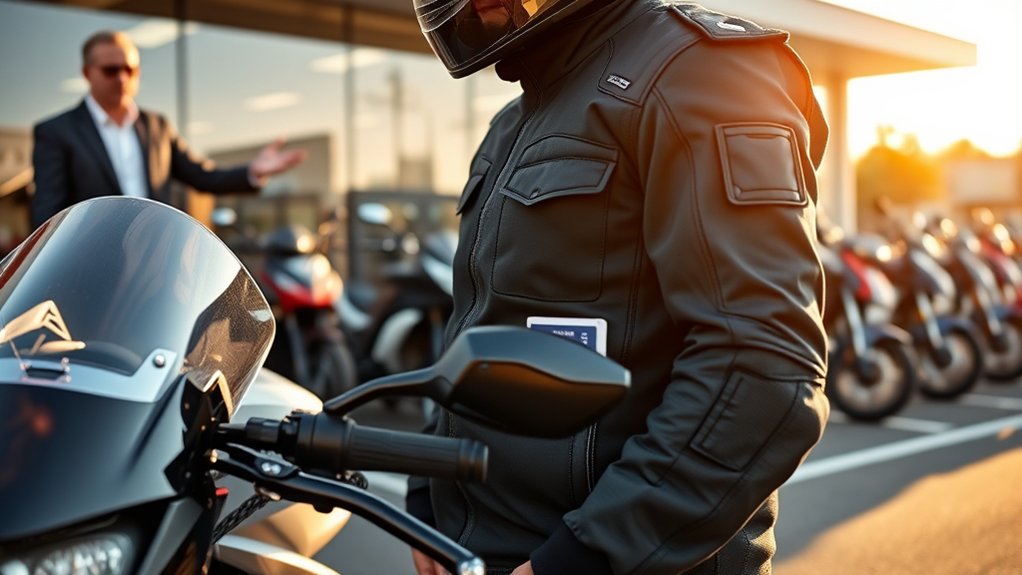
Can you legally test ride a motorcycle with just a permit? In most states, the answer is yes. You can ride with a valid learner or temporary instruction permit.
However, state laws often include restrictions like no passengers, daytime-only riding, or requiring supervision during your motorcycle test. Keep in mind, dealerships frequently refuse test rides to permit holders, demanding a full motorcycle license or proof of insurance instead.
Even if you buy a bike with a permit, registering it and securing insurance can be tricky since some insurers won’t cover riders without a license. Before planning your motorcycle test, always verify your state’s permit rules and the dealer’s policies to avoid surprises and make certain a smooth experience.
Permit Restrictions That Limit Your Test Ride
Although having a learner’s permit allows you to ride legally in many states, several restrictions markedly limit your test ride options. With a Temporary Instruction Permit, you often can’t ride at night, carry passengers, or use freeways until you meet age or holding period requirements.
Many states require you to ride only under supervision or within sight of a licensed motorcycle operator. For example, Texas mandates a licensed rider 21 or older to stay in sight. Some permits, like California’s for riders under 21, impose a mandatory six-month holding period before you can take the skills test.
Furthermore, dealerships and insurance policies may prohibit test rides for permit holders, often requiring a full license. These limitations are essential to understand before planning your test ride.
Required Helmet and Safety Gear for Permit Riders

You’ll need a DOT-approved helmet that meets specific safety standards to pass your permit test and ride legally. It’s not just about passing the test—wearing the right helmet is crucial for your safety on the road.
Along with your helmet, you’ll want to wear sturdy footwear, long pants, gloves, and a long-sleeved jacket. Many courses and testers actually require you to have full safety gear before you can even start riding.
Helmet Standards Explained
Helmet standards almost always require permit riders to wear a DOT-approved helmet that meets specific safety criteria.
For example, California’s M1 road test demands a helmet with a back label showing the manufacturer, model, “DOT,” “FMVSS No. 218,” and “CERTIFIED.” Helmets made before 2013 might be rejected.
Florida adds the need for an eye-protective device unless exceptions apply, while Texas requires helmets meeting state department standards, with some exceptions for riders 21+ who’ve training or insurance.
Even if your state allows helmet exceptions, most DMVs and training courses require proper helmets for testing.
Since helmet compliance often affects insurance and your path to a full motorcycle license, always verify your state’s exact helmet standards before your test ride or practice sessions.
Mandatory Safety Gear
Nearly every state requires you to wear a DOT-approved helmet during your permit rides, and many also mandate additional protective gear. For a motorcycle test, your helmet must display the DOT or FMVSS No. 218 certification label.
Some states, like Florida, also require eye protection unless your helmet includes a face shield. While other gear isn’t always legally required, wearing sturdy shoes, long pants, and a jacket is strongly recommended. Sometimes, these items are enforced during training or testing.
| Gear Type | Requirement | Notes |
|---|---|---|
| Helmet | DOT/FMVS No. 218 certification | Must have manufacturer label |
| Eye Protection | Required in some states | Face shield can substitute |
| Footwear | Recommended | Sturdy shoes or boots |
| Clothing | Recommended | Long pants and jacket preferred |
| Additional Gear | Varies | May be enforced during training/tests |
Permit Rider Restrictions
Although requirements vary by state, permit riders must always wear a DOT-approved helmet that meets specific certification standards. For example, in California, helmets must display labels showing “DOT,” “FMVSS No. 218,” and “CERTIFIED,” with some exceptions for older models.
Many states, like Florida, also require additional safety gear such as eye protection. While some states offer helmet exemptions for riders over 21 with proper insurance, riding a motorcycle without a helmet or proper gear is generally prohibited for permit holders.
Even when not legally mandated, dealerships and training programs expect you to wear gloves, sturdy boots, long pants, and jackets to protect yourself during practice. Ignoring these restrictions can risk your safety and may disqualify you from taking official tests or riding legally.
How Dealerships and Instructors Handle Permit Test Rides
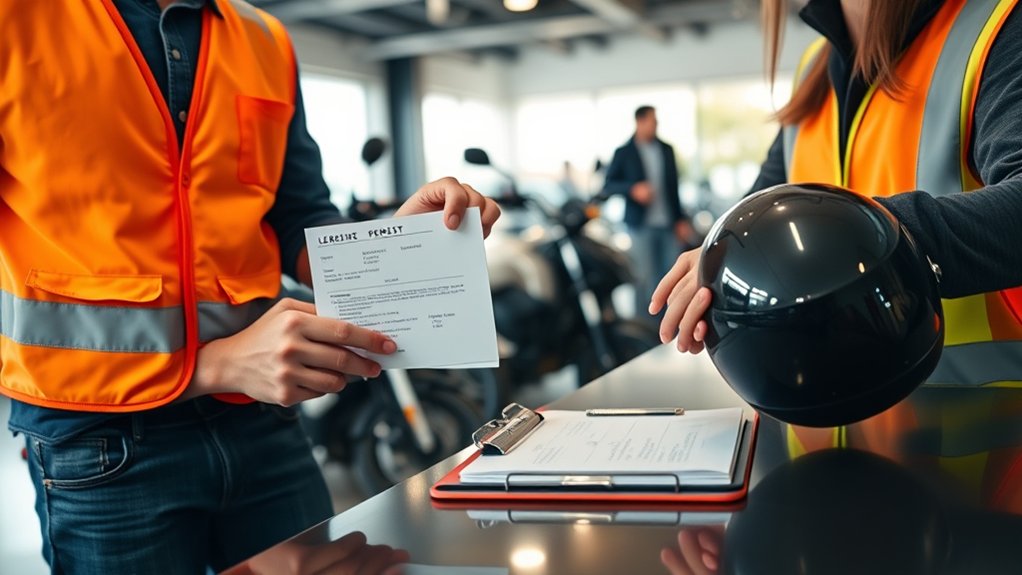
When you have just a learner’s permit, dealerships usually have pretty strict policies. They often limit or even don’t allow solo test rides because of liability and insurance worries.
On the other hand, instructors tend to be a bit more flexible but still require you to ride under close supervision. They usually stick to specific rules, like riding only on closed courses or designated routes.
Knowing these restrictions ahead of time can really help you get ready for a safe and smooth test ride experience.
Permit Holder Test Ride Policies
Because dealerships face strict liability and insurance rules, they often won’t let you test ride a motorcycle with just a learner’s permit. Many insurers require a full license to cover temporary riders, so dealerships usually deny test rides unless you show proof of insurance or have a licensed rider alongside you.
If they do allow it, expect to provide a DOT-approved helmet, your permit, and sign liability waivers. Sometimes a licensed employee will ride with or follow you closely. Without a license, you’ll likely need to tow your bike home or have a licensed friend transport it, adding costs.
Keep in mind, motorcycle training courses often permit riding with an instruction permit under supervision, which can also satisfy certain DMV motorcycle test requirements.
Instructor Supervised Riding Rules
Test rides for permit holders often come with strict supervision requirements imposed by both dealerships and instructors. When you hold a motorcycle instruction permit, expect these rules:
- Many dealerships won’t allow test rides without a full license due to liability and insurance concerns.
- If allowed, you must wear a DOT-approved helmet and sometimes additional protective gear.
- Riding usually requires direct supervision, either a licensed instructor on a two-up bike or a licensed rider escorting you.
- You’ll need to present your permit and proof of insurance; some insurers won’t cover test rides without a full license.
If you’re buying without a license, plan to have a licensed friend ride the bike home or arrange towing, since dealers rarely let permit holders ride off the lot alone.
Who Must Supervise You While Riding on a Permit?
Although supervision rules vary by state, you’ll generally need a licensed motorcycle rider, often at least 21 years old, to supervise you while riding on a permit. For example, Texas and Florida require a licensed operator to ride alongside or stay within sight during your motorcycle permit use.
California’s Instruction Permit limits riders under 21 to supervised practice, while those 21 and older face fewer restrictions.
In some states, a licensed passenger or nearby rider can serve as your supervisor.
If you earned your permit through a certified rider course, the instructor qualifies as your supervisor during training and might waive the DMV skills test. Always review your state DMV’s motorcycle permit rules carefully, as supervision requirements, age restrictions, and conditions like daylight-only or no-passenger riding vary widely.
How to Schedule Motorcycle Tests on the Same Day
Once you’ve arranged for proper supervision during your permit rides, the next step is scheduling your motorcycle tests. You can book both the motorcycle written test and the behind-the-wheel (M1) road test for the same day by calling the DMV.
Here’s how to do it efficiently:
- Confirm the DMV location offers same-day scheduling for both tests, as availability varies.
- Book appointments that align the written and skills test dates on one day to save time.
- Bring all required documents, including ID and proof of residency, since paperwork is needed for both tests.
- Ask if taking both tests affects permit issuance or if a Temporary Instruction Permit is possible for practice between tests.
Scheduling smartly streamlines your path to motorcycle licensing.
How Temporary Instruction Permits Work for New Riders
When you have a Temporary Instruction Permit, there are some important rules to keep in mind. For example, you can only ride during daylight hours, you shouldn’t carry passengers, and you need to stay off freeways.
These restrictions are in place to help you get safe riding experience in a controlled way before you earn your full license. So, following these practice riding limits is really important if you want to make the most out of your permit period.
Permit Restrictions Overview
Because you’re new to motorcycling, a Temporary Instruction Permit (TIP) lets you practice riding under specific restrictions before earning a full M1 license.
These restrictions safeguard your safety and compliance while you gain experience.
Here’s what you need to know about TIP limitations:
- You can only ride during daylight hours and must avoid riding at night, especially if you’re under 21.
- No passengers are allowed on your motorcycle while riding with a TIP.
- Freeway or highway riding is prohibited to limit exposure to high-speed traffic.
- TIPs typically expire within a set period (e.g., 24 months) and may require you to hold the permit for a minimum time before advancing.
Following these rules helps you build skills safely and legally before taking the next step.
Practice Riding Conditions
Typically, your Temporary Instruction Permit (TIP) sets clear boundaries on where, when, and how you can practice riding your motorcycle. In California, if you’re under 21, you must ride only during daytime and avoid freeways, passengers, and grade crossings.
If you’re over 21, restrictions ease a bit, but your permit is valid for up to 24 months. Remember, insurance and registration rules still apply, and some insurers may require a full motorcycle license.
| Age Group | Riding Hours | Passengers Allowed | Road Restrictions |
|---|---|---|---|
| Under 21 | Daytime only | No | No freeways, no grade crossings |
| 21+ | No time limit | Usually no | No freeway restrictions |
| All Permit Holders | N/A | N/A | Must comply with local DMV |
Check your state’s DMV website for exact motorcycle permit conditions.
Buying a Motorcycle Without a License: What You Need to Know
Buying a motorcycle without a license is possible in most places, but you’ll need to navigate several important steps to make it legal and practical.
First, you must register the bike within your state’s deadline, which often requires proof of insurance.
Securing insurance can be tricky since many companies require a valid motorcycle license or completed rider course.
Obtaining insurance may be challenging without a valid license or completed rider safety course.
Expect dealerships to deny test rides without a license, so plan on towing or having a licensed friend transport the bike.
If you want to ride on public roads, check your state’s permit rules.
Some require a temporary instruction permit with specific restrictions.
Understanding these factors guarantees you handle buying and riding a motorcycle without a license safely and legally.
Key Differences in Permit Riding Rules Across Florida, Texas, and California
When you’re learning to ride and hold a motorcycle permit, the rules vary markedly between Florida, Texas, and California.
In Florida, if you’re under 18, you must ride with a licensed driver 21 or older seated beside you. Solo riding starts at 18 with a Temporary Instructional Permit but requires a safety course before obtaining a full motorcycle license.
Texas mandates that learners practice only when a licensed rider 21 or older is in sight. It also limits younger riders (15–18) to 250cc bikes with parental consent and course completion.
California’s Instruction Permit demands riders under 21 hold it for six months, restricting night riding, freeways, and passengers. Those 21 and older face fewer restrictions.
How Rider Courses Affect Your Ability to Test Ride
Although completing a certified motorcycle rider course can waive certain DMV testing requirements and demonstrate your riding competence, it doesn’t automatically grant you the freedom to test ride motorcycles unsupervised.
Here’s what you need to know about how rider courses affect your ability to test ride:
- Completing a state-certified course often waives the DMV skills test but doesn’t guarantee dealer permission for unsupervised test rides.
- Dealerships usually require at least a learner’s permit or full motorcycle license due to insurance and liability.
- Permit holders face restrictions like no passengers or night riding; dealers may require a licensed employee to accompany you.
- Some states and insurers mandate a valid motorcycle license to insure test rides or demos, limiting your options without one.
Confirm requirements with your dealership, insurer, and DMV before planning a test ride.
Frequently Asked Questions
Can I Test Ride Electric Motorcycles With a Standard Permit?
You usually can’t test ride electric motorcycles with just a standard permit because many dealers require a full license.
Even if allowed, you’ll need to confirm the dealership’s policy and make sure you meet their insurance and safety gear requirements.
Also, consider charging compatibility if you plan to keep the bike.
Knowing where and how to charge it matters.
Always bring your permit and ID, but expect restrictions or refusals without a full license.
Are There Age Limits for Test Riding a Motorcycle With a Permit?
Age restrictions often stand as the gatekeepers of your motorcycle test ride dreams. Yes, you’ll face age limits when test riding with a permit, varying by state.
Usually, you must be at least 15 or 16 to hold a learner’s permit, but dealerships often require you to be older or have a full license to test ride. Always check local laws and dealership policies to know your exact age-based permissions.
How Long Can a Test Ride Last When Holding a Permit?
Time limits on test rides with a permit vary depending on state rules and dealership policies.
Typically, you won’t find strict maximum minutes per ride in DMV regulations, but you must follow permit conditions like daylight riding and supervision.
Dealers often set their own time limits or may refuse rides without a full license.
Can I Test Ride a Motorcycle on Private Property With a Permit?
Yes, you can test ride a motorcycle on private property with a permit, as long as you have the owner’s permission and stay off public roads. Private property offers more flexibility.
But remember, some dealerships or insurers might still restrict test rides without a full license. Always wear proper safety gear, like a DOT-approved helmet, even on private land, to protect yourself and comply with seller or facility rules.
Do Insurance Policies Cover Test Rides on a Permit?
Insurance coverage for test rides when you only have a permit is often a rocky road.
Most insurers won’t extend coverage because a permit isn’t a full license, leaving you exposed if you take a spin.
Some might offer limited insurance but with higher premiums or strict conditions.
Always check the fine print carefully.
Don’t assume you’re covered.
Without proper insurance, you’re riding on thin ice, risking costly consequences.
Conclusion
So, before you saddle up and seek that thrilling test ride, remember the rules, restrictions, and required safety gear that come with your permit. Dealerships demand diligence, with supervision and safety standards standing strong.
Whether you’re in Florida, Texas, or California, stay savvy about state-specific statutes. Smart, safe steps and solid rider courses sharpen your skills and speed up your license journey.
Stay steady, stay safe, and savor the ride responsibly.