Does Harley Davidson Support Lgbtq – Surprising Answer
You might be surprised to learn that Harley Davidson once actively supported LGBTQ+ initiatives, sponsoring Pride events and diversity training. However, strong backlash from traditional customers and social media pressure, including activism from right-wing groups, pushed the company to retreat and refocus on its heritage and veteran communities.
This shift aims to restore loyalty by emphasizing core brand values over divisive social policies.
Discover what this means for Harley’s future and identity.
What Is Harley Davidson’s History of LGBTQ Support?
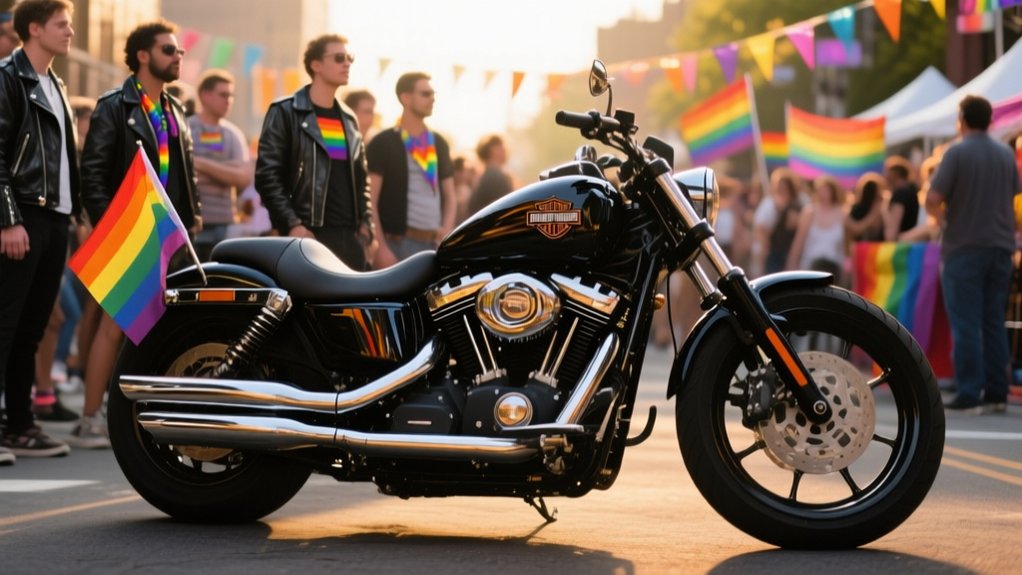
Although primarily known for its motorcycles, Harley Davidson has actively supported LGBTQ initiatives through sponsoring Pride events and funding related activities. You’ll find the company designates February and March as extra Months of Inclusion, highlighting its commitment to diversity.
Harley Davidson also promotes LGBTQ ally training for employees, helping foster an inclusive workplace. Furthermore, the brand sponsors LGBTQ+ entrepreneur boot camps, demonstrating support beyond marketing.
Their Pride-themed events include activities like drag storytime and “rage room” celebrations, engaging the community in unique ways.
How Did Harley’s Diversity Programs Spark Controversy?
Harley Davidson’s commitment to LGBTQ initiatives and diversity programs has sparked significant controversy among its customer base and the public. You’ll find that their corporate equality efforts included sponsoring Pride events and conducting diversity training focused on white males, which many viewed as divisive. These public policy moves challenged Harley’s traditional brand identity, causing backlash.
| Program Aspect | Controversy Highlight |
|---|---|
| LGBTQ+ Sponsorship | Pride rides, drag storytime for kids |
| Diversity Training | Anti-white focus upset employees |
| Brand Alignment | Clash with traditional American biker image |
These initiatives aimed to promote inclusivity but led to criticism from loyalists who saw them as misaligned with Harley’s core values and public policy expectations. It’s clear that while the company wanted to evolve, many customers felt the changes didn’t fit with what Harley stood for. So, the controversy really came down to balancing progress with tradition.
How Did Customers and the Public React to Harley’s Policies?
How did customers and the public respond to the company’s shift toward LGBTQ support and diversity initiatives? You’d see strong public backlash as Harley Davidson’s headquarters received numerous calls urging a return to traditional values.
Many motorcycle enthusiasts felt betrayed, worried the brand was moving away from its macho, all-American image.
Consumer reactions included criticism of Harley’s promotion of Pride events and inclusive training programs, which sparked controversy among core customers.
Sales of Pride-related merchandise declined, reflecting negative sentiments.
In response to this consumer pressure and public backlash, Harley Davidson acknowledged the negativity and pledged to stop participating in certain LGBTQ initiatives.
This reaction highlights the challenges the company faced balancing inclusivity with maintaining its loyal customer base.
How Did Right-Wing Activists Influence Harley’s Policy Changes?
When right-wing activists like Robby Starbuck targeted Harley Davidson’s diversity initiatives, they’d a big impact on the company’s policy changes. Starbuck leaked internal documents and spread false claims about LGBTQ indoctrination. This put a lot of pressure on Harley Davidson to rethink its support for Pride events and diversity programs.
Right-wing activists like Robby Starbuck pressured Harley Davidson to reconsider diversity and Pride support.
He framed these initiatives as harmful and ramped up public backlash through social media campaigns. Because of this external pressure, Harley Davidson ended up pulling out of LGBTQ sponsorships and anti-white training programs amid boycotts.
Starbuck openly said he was a key force behind these policy reversals, claiming he’d a strong influence on the company’s decisions.
In the end, the activism from people like Robby Starbuck played a crucial role in pushing Harley Davidson to step back from its earlier diversity commitments. It really shaped how the company changed its stance.
Why Did Harley Davidson Retreat From LGBTQ Initiatives?
You’ve probably noticed how public backlash from Harley’s core customers really put intense pressure on the company’s leadership to rethink its support for LGBTQ initiatives.
Basically, Harley wanted to hold on to its traditional brand values as criticism started to ramp up, especially from right-wing groups.
When you look at it this way, it’s easier to see why Harley Davidson decided to pull back from its earlier diversity efforts.
Public Backlash Impact
Although Harley Davidson initially embraced LGBTQ initiatives to promote inclusivity, intense consumer backlash quickly forced the company to retreat. The public backlash came from customers and activists who felt DEI efforts conflicted with the brand’s traditional motorcycle culture.
Pressure grew through social media campaigns led by right-wing figures.
Because of that, Harley decided to halt LGBTQ-related sponsorships and training programs. The company wanted to restore its core identity and keep loyal customers by stepping back from divisive DEI policies.
It was a clear sign of how powerful public opinion can be.
Key factors in the backlash impact include public protests demanding a return to traditional brand values, social media activism amplifying customer dissatisfaction, and leadership acknowledging negativity and stopping LGBTQ-focused initiatives.
All in all, this shows how public backlash can strongly influence corporate diversity policies.
Leadership Policy Shift
Because Harley Davidson faced significant public backlash, its leadership swiftly reversed course on LGBTQ initiatives. The leadership policy shift involved halting sponsorships of Pride events and withdrawing from the Human Rights Campaign’s rankings.
Under CEO Zeitz, Harley Davidson redirected focus toward core motorcycle and veteran communities, emphasizing traditional brand values.
This decision marked a clear retreat from earlier extensive LGBTQ support, including Pride-themed marketing and diversity training. Analysts indicate that the leadership policy shift was largely a response to consumer and board pressure rather than an internal ideological change.
If you follow Harley Davidson’s moves, you’ll see the company prioritized maintaining its established customer base over continuing divisive social policies. It really shows how leadership decisions can pivot in reaction to stakeholder feedback.
Right-Wing Pressure Influence
When right-wing activists ramped up pressure against Harley Davidson’s LGBTQ initiatives, the company quickly felt the impact. Facing intense backlash fueled by social media leaks and public outrage, Harley Davidson found itself under scrutiny.
Conservative campaigns targeted the brand’s Pride events and diversity programs, forcing a reevaluation of its stance.
You can see how right-wing pressure influenced Harley Davidson’s retreat. Internal memos leaked by figures like Robby Starbuck stirred claims of indoctrination.
Grassroots conservative activism and consumer pushback created significant challenges.
Several companies, including Harley Davidson, cited external political pressure as reasons for scaling back diversity efforts.
Ultimately, Harley Davidson’s withdrawal from LGBTQ support reflects a strategic response to sustained right-wing pressure reshaping its public policies.
What Does Harley’s Shift Mean for Its Future and Brand?
You’ll notice that Harley Davidson’s recent shift clearly signals a move to bring back its classic brand identity and reconnect with its traditional customers. It’s like they’re turning the wheel back to what made them iconic in the first place.
This change isn’t random—it’s a strategic decision aimed at tackling some loyalty challenges they faced with earlier progressive moves.
Brand Identity Restoration
Although Harley Davidson initially embraced progressive social policies, the company has reversed course to restore its traditional, all-American, masculine brand identity.
This shift reflects a strategic decision to prioritize brand identity over DEI initiatives that alienated core customers. By stepping back from LGBTQ support, Harley aims to reconnect with motorcycle enthusiasts who value heritage and community roots.
You’ll notice Harley refocusing on areas like military and veteran sponsorships and motorcycle sports, reinforcing its longstanding brand image.
This recalibration signals a broader industry trend where consumer backlash influences brand positioning.
Key points include:
- Renewed emphasis on traditional, masculine brand identity
- Retreat from DEI efforts to regain core customer loyalty
- Increased focus on heritage through military and veteran engagement
Market Loyalty Challenges
Harley Davidson’s recent decision to step back from LGBTQ+ support reflects a clear effort to regain its core customer base, but it also raises questions about how this shift will impact market loyalty.
You should understand that by reversing woke policies, Harley aims to realign with traditional motorcycle enthusiasts who value a macho brand identity.
However, this move risks alienating younger, progressive customers who embraced the company’s inclusive messaging.
As a result, market loyalty faces challenges from both sides. Longtime supporters may welcome the change, while others may look to competitors who maintain diversity initiatives.
Ultimately, Harley’s future brand loyalty depends on balancing these competing expectations without further undermining the trust of either group.
Strategic Policy Reversal
How will shifting away from diversity and inclusion initiatives affect Harley Davidson’s future and brand identity? Harley’s strategic policy reversal on DEI signals a return to its traditional roots, aiming to reconnect with its core motorcycle enthusiast base.
By halting LGBT-focused programs, the company seeks to reduce division and focus on product quality and community spirit. This shift may stabilize brand reputation and sales, especially at key events like the Sturgis Rally.
Here’s what this means for you as a consumer or observer:
- Reaffirmed focus on Harley’s classic brand values and customer loyalty
- Reduced emphasis on corporate activism and social causes
- Potentially stronger alignment with core motorcycle culture and events
This strategic policy reversal reflects broader industry trends emphasizing neutrality over social activism.
Frequently asked questions
Does Harley Davidson Offer Lgbtq-Specific Motorcycle Gear or Accessories?
No, Harley Davidson doesn’t offer LGBTQ-specific motorcycle gear or accessories. Their merchandise focuses mainly on traditional motorcycle apparel and culture-themed items without explicit LGBTQ designs.
While the company promotes inclusivity and diversity in its marketing, it hasn’t released any dedicated gear aimed specifically at the LGBTQ community.
Are Harley Davidson Dealerships Inclusive Workplaces for LGBTQ Employees?
You’ll find that Harley Davidson dealerships show mixed levels of inclusivity for LGBTQ employees. While many implement ally training and support Pride events, some workplaces experience inconsistent application and internal tensions due to divisive training programs.
Has Harley Davidson Partnered With Any LGBTQ Charities or Organizations?
Yes, Harley Davidson has partnered with LGBTQ+ charities and organizations. You’ll find they’ve supported groups like the Wisconsin LGBTQ+ Chamber of Commerce and donated to progressive organizations such as United Way, which promotes inclusive initiatives.
They also sponsor Pride rides and events, showing a clear commitment to LGBTQ+ causes. Their ongoing partnerships prove they actively support and contribute to the community beyond just corporate messaging.
It’s more than just words with them.
Do Harley Davidson Advertisements Feature LGBTQ Individuals or Themes?
You’ll find Harley Davidson’s advertisements often embrace vibrant expressions of identity, featuring LGBTQ individuals and themes. They highlight Pride symbols and stories, especially during Pride Month, showcasing diversity through colorful campaigns.
These ads aim to connect with a broad audience by portraying inclusivity and celebration.
How Do Harley Davidson’s LGBTQ Initiatives Compare to Other Motorcycle Brands?
You’ll notice Harley Davidson stands out by actively supporting LGBTQ initiatives, unlike most other motorcycle brands. They sponsor Pride events, fund LGBTQ activities, and promote diversity training.
In contrast, brands like Honda and Yamaha remain neutral, avoiding social or political activism. Harley’s approach is unique, embracing inclusivity and facing backlash.
Others focus mainly on design and performance without engaging in LGBTQ advocacy. It’s clear Harley is taking a different route, one that’s about more than just the ride.
Final Thought
You might think Harley Davidson’s retreat from LGBTQ initiatives signals a complete withdrawal from diversity, but that’s not the full story. While the company scaled back some programs due to backlash and political pressure, it hasn’t entirely abandoned inclusion efforts.
Understanding this nuanced shift helps you see how Harley balances its traditional roots with evolving social expectations. Keep watching, they’re steering a complex path that could reshape their brand and customer connections.