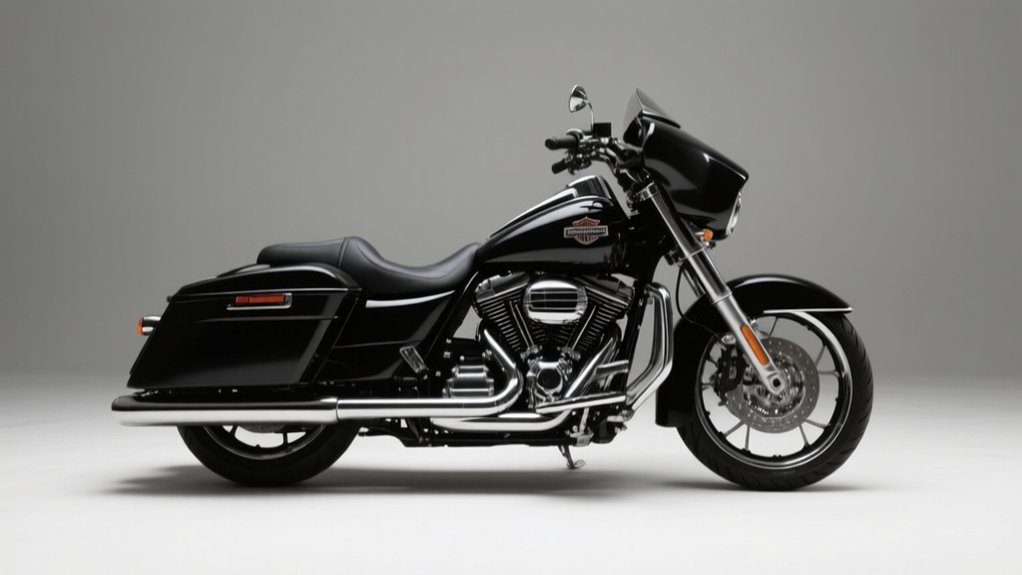
How Much Does A Harley Road Glide Weigh – Full Breakdown
A Harley Road Glide weighs between 810 and 950 pounds, depending on the model year, features, and modifications. Newer models with added touring equipment and electronics tend to be heavier, especially fully equipped Ultra versions. Weight affects handling, stability, and rider confidence, so understanding its impact helps you manage control and safety.
You’ll also find that accessory choices and upgrades influence overall weight and performance. These offer ways to customize the bike’s balance and ride feel. There’s more to explore about these specifics and their effects.
Road Glide Weight Across Model Years
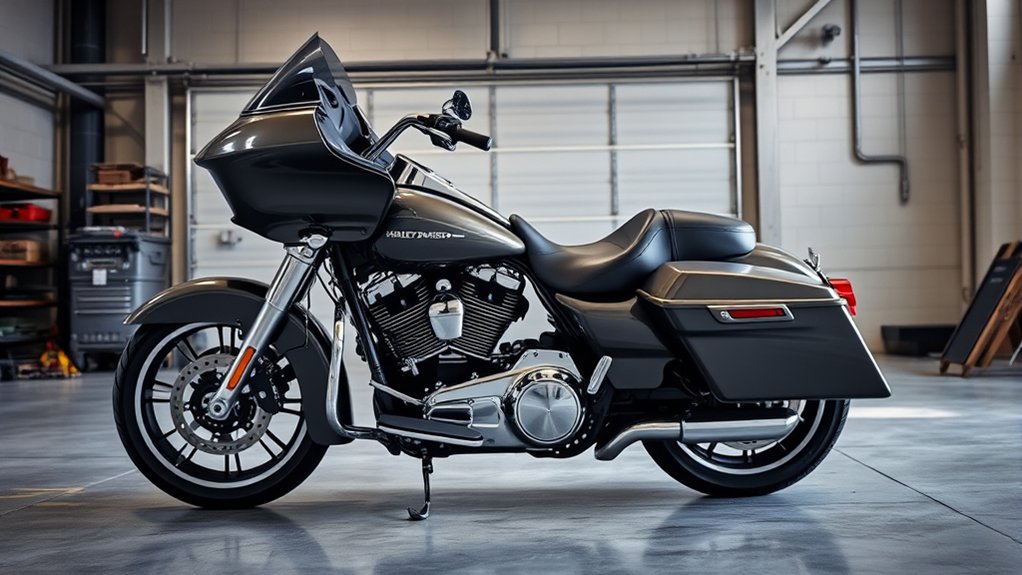
Although the weight of a Harley-Davidson Road Glide varies across model years, you can generally expect it to range between 810 and 950 pounds.
Earlier models, like the 2016 Road Glide Ultra, typically weigh around 860 to 880 pounds, while newer versions tend to be heavier.
For instance, the 2020 Road Glide Ultra weighs approximately 950 pounds when fully equipped and fueled.
This weight variation across model years results from changes in materials, design updates, and additional features.
Depending on the exact year and configuration, the Harley-Davidson Road Glide’s dry weight falls within this weight range.
Understanding this weight variation helps you gauge handling and performance differences when comparing different Road Glide model years.
Key Factors Influencing Road Glide Weight and Handling
When you ride a Harley Road Glide, how heavy it feels can really depend on your own physique and the way you handle the bike.
Plus, differences between model years play a role too—they affect the weight distribution, which changes how the bike feels when you’re out on the road.
Because of that, you might find yourself needing to tweak your handling, especially if your bike has extra weight or modifications that throw off its balance a bit.
It’s all about finding that sweet spot where the bike responds just right for you.
Rider Perception Variances
Because rider perception plays a crucial role in how the Harley Road Glide’s weight and handling feel, you’ll notice that factors like your physique, riding experience, and familiarity with similar motorcycles greatly influence your impression.
The bike’s large fairing and weight distribution often make it feel top-heavy, especially at low speeds.
Your handling confidence depends heavily on a few things. First, rider experience — more skill and practice help you manage the bike weight better.
Then there’s physique and strength. Your physical capability affects how heavy or manageable the Road Glide feels.
Lastly, model variations come into play. Different models and modifications impact balance and perceived weight.
Understanding these rider perception variances clarifies why two riders may feel very differently about the same Road Glide, even though the specs are identical.
It’s all about how each person connects with the bike.
Model Year Weight Differences
Many factors influence the weight differences across Harley Road Glide model years, and these variations directly impact how the bike handles on the road.
Between 2010 and 2013, Road Glide models typically weigh around 860-900 pounds, depending on configurations and accessories.
From 2014 to 2019, weight increased to roughly 900-930 pounds, largely due to added touring equipment and heavier fairings. Upgraded electronics and additional features also contribute to these weight differences.
As the weight rises with newer model years, you may notice changes in handling, affecting both stability and maneuverability.
Understanding these shifts helps you anticipate how each model year rides, especially when considering the balance between added comfort features and the overall handling dynamics of the Road Glide.
Handling Adjustments Needed
Although the Harley Road Glide’s substantial weight can feel challenging, especially at low speeds or tight maneuvers, you can improve its handling through targeted adjustments. The bike’s weight distribution and frame design affect how it manages turns and lane changes. But with proper tuning, you can better handle it.
Here are key adjustments to contemplate:
- Adjust the suspension settings to match your riding style and weight, enhancing stability and comfort.
- Modify handlebar height and positioning to improve control and reduce the feeling of top-heaviness.
- Add steering stabilizers to minimize wobble and improve balance during quick maneuvers.
These handling adjustments help you manage the Road Glide’s weight more effectively. This makes your ride smoother and more responsive.
How Road Glide Weight Affects Riding Experience
You’ll notice that the Road Glide’s weight really influences how balanced the bike feels. Some models are easier to handle than others, which makes a difference when you’re out on the road.
As you ride, you’ll find that adjusting your technique is key to managing the bike’s weight, especially during slow maneuvers or tight turns.
Getting a good feel for these differences not only helps you stay in control but also cuts down on fatigue during longer rides.
Perceived Bike Balance
Because the Harley Road Glide features a large fairing and substantial weight distribution, you might notice it feels top heavy, especially during slow maneuvers or tight turns. This perceived weight affects the bike’s balance and handling, varying with your physique and riding posture.
The Road Glide’s design enhances stability at highway speeds but can challenge control at lower speeds. To improve your riding experience, consider these points:
- Adjust suspension settings to better manage weight distribution and enhance handling.
- Maintain proper riding posture to counterbalance perceived weight and improve maneuverability.
- Recognize that subjective balance feelings differ; practicing slow-speed control helps build confidence.
Understanding these factors helps you leverage the Road Glide’s stability while minimizing top-heavy sensations.
Handling Compared By Model
Feeling the Road Glide’s weight in your riding posture and balance naturally leads to how different model years handle on the road. Heavier models, like the 2010-2013 versions, offer increased stability at higher speeds but reduce maneuverability during tight turns.
In contrast, lighter or newer models enhance agility without sacrificing the bike’s substantial presence. Weight distribution and frame design critically influence handling characteristics. This affects how stable and responsive the bike feels.
Here’s a quick comparison:
| Model Years | Handling Characteristics |
|---|---|
| 2010-2013 | More stable, less nimble |
| Newer Models | More agile, balanced weight distribution |
| All Models | Top-heavy feel impacts low-speed steering |
Understanding these factors helps you anticipate and adapt to the Road Glide’s unique riding experience.
Rider Adaptation Insights
Although the Harley Road Glide’s weight can exceed 800 pounds when fully equipped, you can adapt your riding techniques to manage its mass effectively. Rider adaptation is key to overcoming perceived top-heaviness and improving maneuverability.
Focus on these handling techniques: Adjust weight distribution by lowering suspension or adding front-end weight to enhance stability. Use proper body positioning, leaning into turns to counterbalance the bike’s bulk and maintain control.
Practice slow-speed maneuvers to build confidence, especially in tight turns and parking situations. With a bit of practice, you’ll find the bike feels much more manageable.
Tips for Managing Road Glide Weight on the Road
When you’re managing the weight of a Harley Road Glide on the road, smooth and deliberate steering inputs play a crucial role in maintaining stability, especially at low speeds. Effective weight management involves using your legs and core to support the bike during mounting, dismounting, and slow maneuvers, which reduces rider fatigue.
Adjust your riding posture to stay relaxed and centered, enhancing balance and control over this heavy touring motorcycle. Be cautious of its top-heavy feel by avoiding sudden turns and opting for gradual steering adjustments.
Also, consider suspension upgrades or weight-reducing modifications to improve handling. These handling tips help you maintain control and make riding the Road Glide safer and more comfortable despite its considerable weight.
Comparing Road Glide Weight to Other Harley Touring Bikes
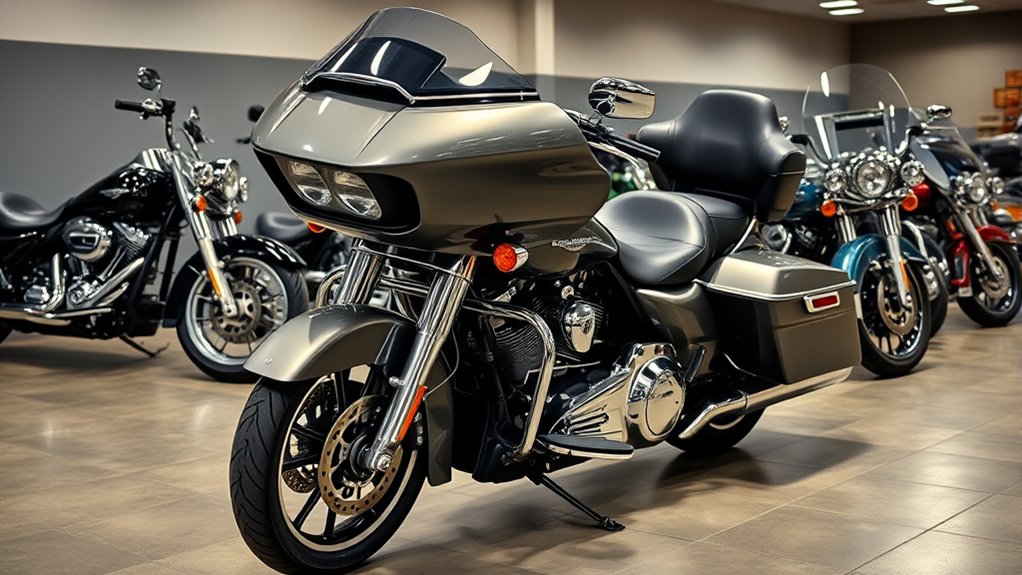
While the Harley Road Glide typically weighs between 814 and 843 pounds, comparing its weight to other Harley touring bikes gives you a better idea of how it handles.
The Harley Road Glide’s weight ranges from 814 to 843 pounds, influencing its overall handling.
When you’re looking at a Harley-Davidson weight comparison, keep a few things in mind.
The Ultra Limited is noticeably heavier, often going over 950 pounds when fully equipped. That extra weight definitely affects how easy it’s to maneuver.
On the other hand, the Street Glide usually weighs around 808 pounds, so it’s a bit lighter or about the same as the Road Glide depending on what accessories you add.
Then there’s the Ultra Classic models, which are some of the heaviest touring bikes out there. They often top 900 pounds, so the Road Glide feels more manageable in comparison.
With this weight range, the Road Glide sits in the mid-800-pound category. It strikes a nice balance between stability and ease of handling among Harley’s touring bikes.
How Road Glide Weight Influences Accessory and Modification Choices
Understanding the Road Glide’s weight helps you make informed decisions about which accessories and modifications to add without compromising performance. Since this bike weighs over 900 lbs fully fueled, you need to take into account how added weight affects handling and suspension.
Choosing lightweight accessories like aluminum parts helps maintain balance. On the other hand, heavy modifications demand upgraded suspension and brakes. Proper weight distribution is essential when installing items like audio systems or luggage to avoid safety risks.
| Accessory Type | Impact on Weight | Suspension Requirement |
|---|---|---|
| Aluminum wheels | Low | Standard |
| Carbon fiber parts | Very low | Standard |
| Luggage racks | High | Reinforced |
| Audio systems | Medium | Possibly upgraded |
| Lighting kits | Low to medium | Standard to upgraded |
Frequently asked questions
What Is the Fuel Capacity of a Harley Road Glide?
The fuel capacity of a Harley Road Glide typically holds around 6 gallons (22.7 liters).
Depending on the specific model and year, this capacity can vary slightly, usually between 5.5 to 6.5 gallons.
This large tank lets you enjoy long rides without worrying about frequent refueling.
To get the exact capacity for your model, you should check the owner’s manual or official specs.
That way, you’ll know exactly how much fuel you can carry.
How Often Should I Service My Road Glide’s Suspension?
You should service your Road Glide’s suspension every 10,000 to 20,000 miles, depending on how you ride and the road conditions. Regularly inspect shocks and forks for leaks or damage to keep handling sharp.
Replace fork oil and shock absorbers at recommended intervals or if you notice poor ride quality or excessive fork dive.
Adjust preload and damping based on your weight and load to improve comfort and extend suspension life.
Keeping an eye on these things will help your bike feel smooth and responsive every time you hit the road.
What Type of Tires Are Best for a Road Glide?
When it comes to your Road Glide, remember, “The devil is in the details.” The best tires are radial ones with multi-layer steel belts like Kingtyre K99, offering durability and heat dissipation.
Choose the right size: 130/70R19 or 130/60R21 up front, and wider rears like 260/40R18.
Keep pressure between 36-42 psi. These tires enhance safety, handling, and longevity, especially for long highway rides and heavy loads.
It really makes a difference when you’re out on the road for hours. So, picking the right tires isn’t just about looks—it’s about performance too.
Can a Road Glide Be Ridden Comfortably by Shorter Riders?
Yes, you can ride a Road Glide comfortably as a shorter rider, but you might need some adjustments. Consider lowering the suspension or choosing an adjustable seat to reduce the seat height.
Customizing handlebars and footpeg positions will help improve your posture and reach.
With proper modifications like these, you’ll gain better control and balance. This makes your ride much more enjoyable despite the bike’s larger size and weight.
It’s all about finding what works best for you.
What Are Common Maintenance Costs for a Road Glide?
You can expect to spend between $600 and $1,200 annually on maintenance for your Harley Road Glide. Routine services like oil changes and brake inspections typically cost $200 to $400 per visit.
Consumables such as brake pads and tires usually add $300 to $600 yearly. Major repairs, like transmission work, might run $1,000 or more.
Following Harley’s scheduled maintenance every 5,000 to 10,000 miles usually costs around $500 to $800. Sticking to this schedule can help you avoid bigger bills down the road.
Final Thought
Controlling the weight of your Harley Road Glide is like mastering the tides. Knowing its heft lets you ride with confidence and control. Each model year shapes this balance, influencing handling and your overall experience.
By understanding how weight impacts performance and modification options, you’ll steer through every twist and turn with ease. Embrace your Road Glide’s weight as a cornerstone of its power. It turns every journey into a smooth, commanding ride.