How Much Is My Harley Worth – The Real Numbers
To know how much your Harley is worth, consider its model, year, mileage, and condition carefully. Newer or limited editions usually hold more value, while high mileage and poor condition lower it considerably.
Professional upgrades can raise your price by up to 10%, but extreme modifications might hurt resale. Timing and location also impact offers. Private sales generally fetch better deals than trade-ins.
Understanding these factors can help you get the most accurate and competitive valuation. It’s all about knowing what buyers are looking for and when to sell.
How Harley-Davidson Model and Year Affect Value
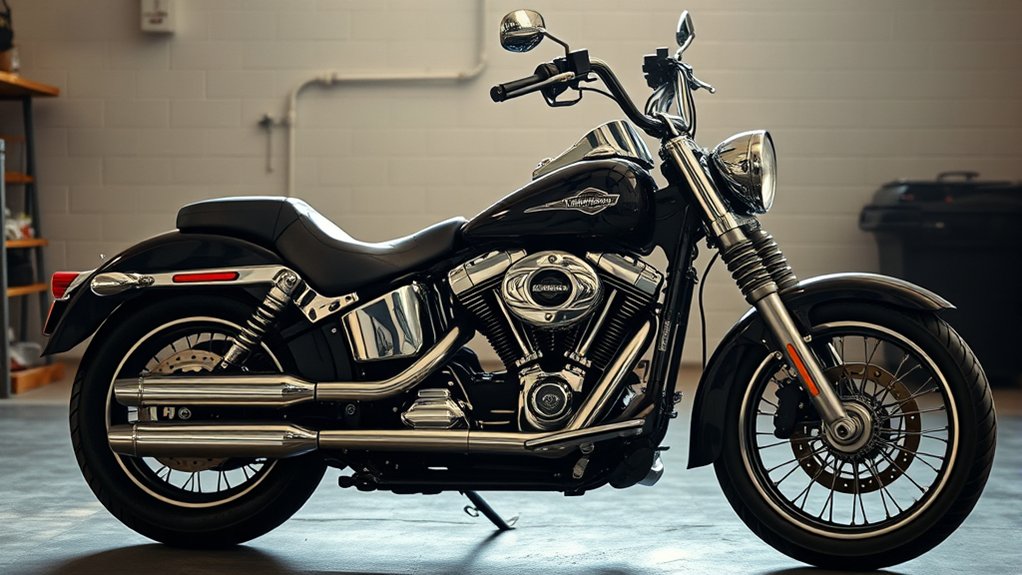
When evaluating how much your Harley-Davidson is worth, you’ll find that the model and year play essential roles in determining its market value. Newer Harley-Davidson motorcycles typically command higher prices due to updated technology and design.
The model and year are key factors in assessing your Harley-Davidson’s market value.
However, certain limited edition and classic models from specific years can appreciate over time, especially if they’re rare and well-maintained.
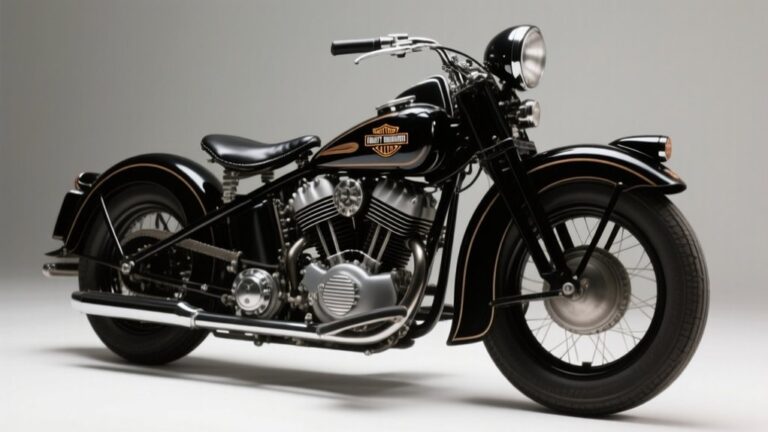
Older models from the 1990s or earlier generally have lower resale values unless they possess collectible status or unique features. Moreover, the release of new models or significant redesigns can cause fluctuations in the value of older Harley-Davidson motorcycles.
Significantly, Touring and CVO series tend to retain their value better compared to standard cruiser models, making the model and year critical factors in your bike’s overall worth.
How Mileage Affects Your Harley’s Value
Although many factors influence your Harley’s value, mileage plays a crucial role that often outweighs age alone.
Generally, Harleys with under 10,000 miles retain markedly higher resale value than those exceeding 40,000 miles.
Each additional 10,000 miles can reduce your bike’s worth by 10-20%, depending on the model and condition.
High-mileage motorcycles over 40,000 miles typically see a 25-40% decrease compared to low-mileage counterparts.
While documented maintenance helps, mileage remains a primary depreciation driver.
Buyers prioritize lower mileage because it suggests less wear and longer remaining life.
So, when estimating your Harley’s value, consider mileage carefully.
It impacts desirability and price more profoundly than the bike’s age.
Managing and presenting mileage transparently will give you a clearer, more accurate valuation.
How to Accurately Assess Your Harley’s Condition
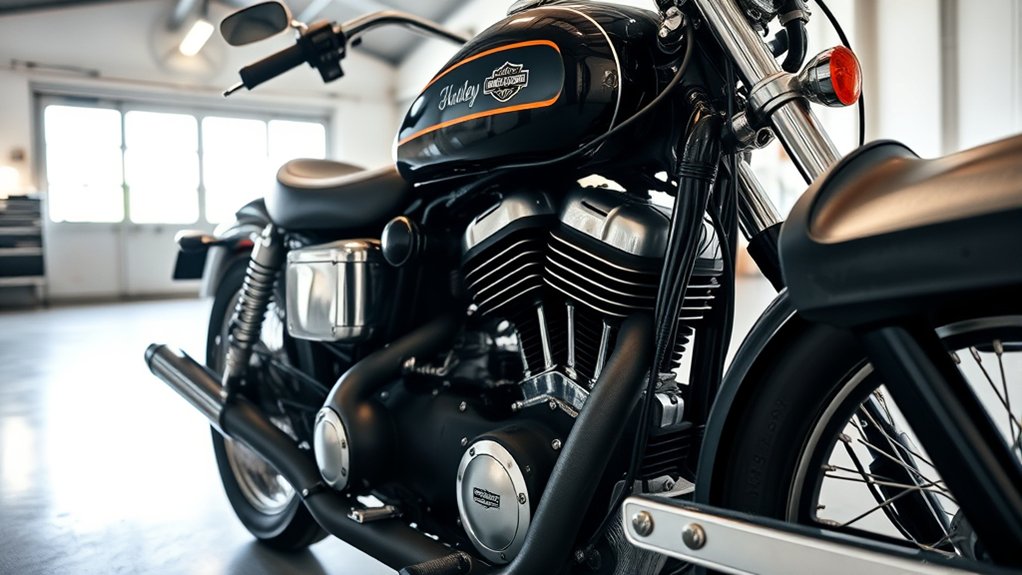
Mileage gives you a strong starting point for estimating your Harley’s value, but accurately evaluating the bike’s overall condition provides a more complete picture. Start by categorizing your Harley as Excellent, Good, Fair, or Poor, considering both physical appearance and mechanical performance.
Use high-quality photos to document key trademarks like paint, chrome, tires, and engine areas.
Capture clear images highlighting paint, chrome, tires, and engine details to showcase your bike’s true condition.
Gather all receipts and maintenance records to confirm regular service and any professional upgrades or repairs.
Note that bikes under 10,000 miles often command higher prices, but condition remains critical.
Professional safety features and flawless presentation can elevate your bike’s rating.
Upgrades That Boost Harley-Davidson Resale Value
You can increase your Harley’s resale value by installing professional performance upgrades like high-performance exhaust systems and upgraded suspension components. These can boost the bike’s worth by up to 10%.
Plus, safety enhancements such as LED lighting and advanced braking systems also attract buyers and raise your bike’s market appeal.
Focusing on these improvements ensures your Harley stands out without compromising its integrity or functionality. It’s a smart way to make your bike more desirable when it’s time to sell.
Performance Enhancements Impact
When you invest in professional performance enhancements, like high-performance exhaust systems and suspension upgrades, you’re not just boosting your Harley-Davidson’s ride quality. You’re also increasing its resale value.
Engine tuning and aftermarket carburetors that increase horsepower are especially popular and can add 5-10% to the bike’s market price.
These upgrades need to be professionally installed to guarantee quality and reliability. That really helps build buyer confidence and improves resale potential.
Plus, customization that fits Harley’s brand identity, such as premium seats or performance wheels, can make your bike look more valuable.
Just remember, poorly done modifications can actually lower your bike’s worth. So, it’s best to stick with reputable parts and expert installation.
When you focus on well-chosen performance enhancements, you make your Harley a more desirable and higher-value motorcycle in the resale market.
Safety And Lighting Upgrades
Building on performance enhancements, upgrading your Harley-Davidson’s safety and lighting features can really boost its resale value. Switching to LED headlights and taillights modernizes your bike, making it more visually appealing and increasing its worth.
Professional performance lighting upgrades like brighter auxiliary lights improve safety by enhancing rider visibility. These upgrades can add 5-10% to your Harley’s overall value.
Using high-quality, durable lighting components also shows proper maintenance, which positively influences buyer perception.
Just be careful with custom features such as color-changing LEDs. While they might attract niche buyers, they can actually reduce resale value if seen as excessive or non-standard.
In the end, well-installed safety lighting upgrades make your Harley more attractive to safety-conscious buyers, helping you get the most appeal and market value.
Modifications That Reduce Harley Resale Value
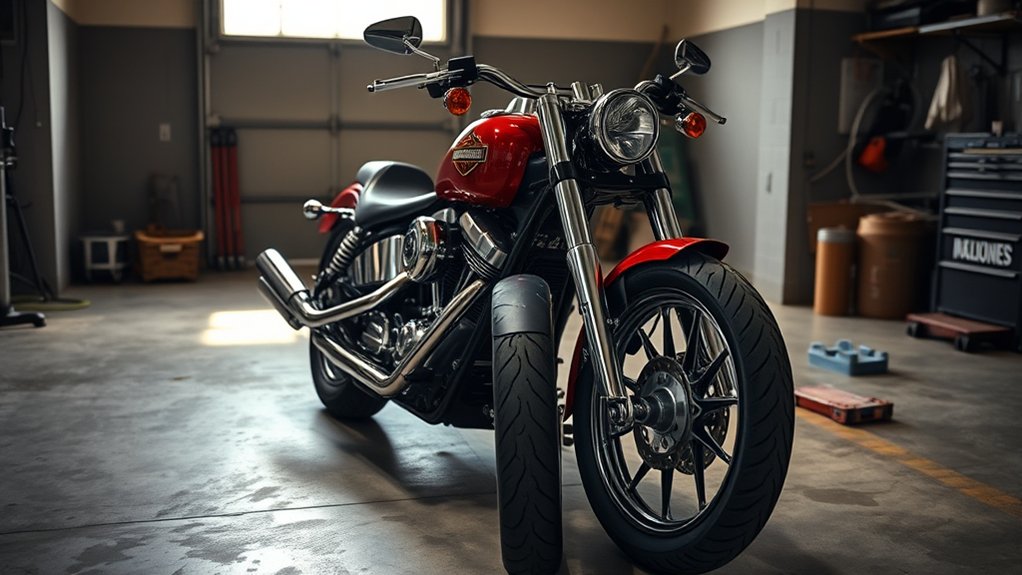
When you go all out with extreme customizations or non-professional modifications, you might actually limit how many people want to buy your Harley.
People usually prefer bikes that look closer to the original factory style.
Unwanted aesthetic changes, especially ones that stray from those factory standards, often end up lowering the bike’s market value.
Extreme Customization Impact
Although customization can make your Harley unique, extreme or non-professional modifications often reduce its resale value by 10–20%.
Extreme customization, like overly personalized paint jobs or graphics, can turn off buyers who want a stock look. Installing non-standard parts or aftermarket upgrades improperly can hurt your bike’s reliability and lower its perceived value.
While some rare, highly customized Harleys might attract niche buyers, this usually limits broader market appeal.
Also, if you can’t provide documentation or receipts for aftermarket parts, it’s harder to justify asking for a higher resale price.
To keep your bike’s value, focus on tasteful, professionally done customizations.
And be sure to keep detailed records. This way, you can express yourself without sacrificing strong resale potential in the Harley market.
Non-Professional Modifications
Since non-professional modifications often lack the precision and quality of expert work, they can considerably reduce your Harley’s resale value. Non-professional modifications like custom paint jobs or aftermarket parts installed without professional help may signal neglect or poor maintenance, which can make your bike seem less cared for.
Excessive personalization or extreme changes narrow your Harley’s appeal, limiting its marketability to a broader audience. Removing original parts or failing to document modifications further lowers value, especially for serious buyers who prioritize authenticity.
Moreover, non-professional upgrades that compromise safety, such as improper wiring or non-standard components, can deter potential buyers and bring down your bike’s worth. To maximize resale value, you should avoid non-professional modifications or make sure any changes are expertly done and well documented.
Unwanted Aesthetic Changes
If you make aesthetic changes that stray too far from your Harley’s original design, you risk considerably lowering its resale value.
Unwanted aesthetic changes, such as uneven paint jobs or poorly fitted custom parts, signal neglect and reduce buyer confidence.
Extreme personalizations that deviate from factory standards often deter potential buyers, shrinking the market for your bike.
Removing or altering stock components like the original exhaust, seat, or handlebars typically diminishes appeal and value.
Moreover, unapproved modifications like illegal lighting or frame alterations can make your Harley less desirable and harder to sell.
To preserve your bike’s market worth, avoid amateurish or radical aesthetic changes that compromise its authentic look and functionality.
Maintaining factory-approved elements ensures broader buyer interest and better resale outcomes.
It’s really about keeping things looking and working the way they were meant to.
How Presentation and Documentation Improve Your Offer
When you present your Harley with meticulous cleaning and detailed documentation, you directly increase its market appeal and potential offer. Proper presentation enhances your Harley’s perceived value by 5–10%, making it more attractive to buyers.
High-quality photos from multiple angles showcase its condition vividly. Plus, a well-organized portfolio of maintenance records boosts buyer confidence. This thorough documentation reflects the care your bike has received and positively influences resale value.
To maximize your offer, focus on detailing your Harley to highlight its pristine condition. Also, compile extensive maintenance records and receipts. Don’t forget to showcase any upgrades and custom features clearly in your listing.
This strategic presentation and documentation approach ensures buyers recognize your Harley’s true worth, improving your resale offer considerably.
How Seasonal and Regional Markets Impact Harley Prices
Beyond presentation and documentation, understanding how seasonal and regional markets affect your Harley’s value can really impact the offer you get. Seasonal demand peaks in spring and summer, boosting prices by up to 20%. On the flip side, values dip 10-20% during fall and winter.
Regionally, warmer climates like Florida, Texas, and California keep higher year-round values because of constant demand. Places with a strong motorcycle culture and events also see quicker sales and better resale prices.
| Region | Seasonal Price Impact | Market Traits |
|---|---|---|
| Florida, Texas, California | +10-25% | Warm climate, strong demand |
| Northern states | -10-20% in winter | Seasonal drop, less riding |
| Tourist hotspots | +15-25% | High buyer interest, outdoor activity |
These variations can influence your Harley’s worth by as much as 25%. So, timing and location really do matter when selling or buying.
Private Sale vs. Trade-In: Which Gets You More?
Although trade-ins offer the convenience of a quick sale, you’ll typically get 10–20% more by opting for a private sale. Dealers price trade-ins lower to cover refurbishment and profit margins, which means you lose potential value.
When selling privately, you can showcase your Harley’s maintenance records and quality photos, directly appealing to buyers willing to pay a premium.
Consider these benefits of a private sale:
- Maximizing your payout by attracting buyers who appreciate your bike’s condition
- Avoiding dealer markups and hidden fees
- Gaining control over negotiation and timing
While trade-ins streamline the process, choosing a private sale usually results in a higher final offer, especially if your Harley is well-maintained and features desirable options.
Best Online Tools to Value Your Harley
If you want an accurate estimate of your Harley’s value, using reputable online tools is essential. Valuation tools like Kelley Blue Book, J.D. Power/NADA Guides, CycleTrader, and eBay Motors provide reliable market data, regional pricing, and trends. By consulting multiple sources, you can establish a realistic price range based on your Harley’s model, year, condition, and upgrades.
These platforms offer instant third-party valuations, so you don’t have to worry about in-person appraisals. Combining these online tools with detailed documentation of your motorcycle’s specifics really maximizes your resale potential.
| Valuation Tool | Key Feature |
|---|---|
| Kelley Blue Book | Regional pricing & trends |
| J.D. Power/NADA | Comprehensive market analysis |
| CycleTrader | Extensive Harley listings |
| eBay Motors | Real-time auction values |
Frequently asked questions
How Do Financing Options Affect My Harley’s Resale Price?
Financing options directly affect your Harley’s resale price by influencing buyer appeal. If you’ve secured low-interest rates or favorable terms, buyers see added value, which can potentially boost the resale price.
On the other hand, a high remaining loan balance might deter buyers and lower your bike’s worth. It’s all about how confident buyers feel when considering the purchase.
Providing clear documentation that shows loans are paid off or that financing is manageable can really enhance trust. This can increase your Harley’s market value during resale negotiations.
It’s worth making that effort to keep things transparent.
Can Harley Warranties Increase My Bike’s Value?
Think of a Harley warranty as your bike’s shield, like a knight’s armor in a marketplace battlefield. Yes, warranties can increase your Harley’s value by assuring buyers of reliability and lower future costs.
Active or transferable warranties show that the bike has been well maintained. This makes your bike more attractive and might even let you ask for a higher price.
Both dealers and private buyers often pay extra for these protections, which can really boost your resale appeal. It’s a smart move if you want to get the most out of your Harley.
Does Insurance History Impact Harley Resale Value?
Yes, your Harley’s insurance history directly impacts its resale value. A clean record with no claims or accidents can increase your bike’s worth by up to 10%, signaling responsible ownership.
On the other hand, multiple claims or accident history can lower value by 15-20%, since buyers might doubt the bike’s condition.
Consistent, gap-free coverage reassures buyers.
Frequent claims or coverage lapses raise concerns, which decreases your Harley’s appeal and market price.
How Does Color Choice Influence Harley Desirability?
Your Harley’s color choice directly impacts its desirability and resale value. Neutral factory colors like black, red, and blue tend to attract more buyers and fetch higher prices.
Limited edition or rare colors can boost appeal, but bright or flashy hues might narrow your market.
Custom paint jobs risk lowering value unless they’re professionally done and widely appealing.
Are There Tax Implications When Selling My Harley?
Yes, you might face tax implications when selling your Harley. If you sell it privately for more than you paid, capital gains tax could apply on the profit.
But if it’s a personal sale without significant profit, usually no tax is due.
Selling it through a business may trigger sales or income tax.
Keep thorough records and consult a tax professional to navigate your specific state and federal rules.
It’s always a good idea to get advice tailored to your situation.
Final Thought
Determining your Harley’s worth isn’t a shot in the dark. It’s like tuning an engine, requiring precision and care. By considering model, mileage, condition, upgrades, and market timing, you can confidently set a fair price.
Remember, proper presentation and documentation are your tools to optimize value. Whether you choose a private sale or trade-in, leveraging expert online resources ensures you get the best deal possible.
Approach it methodically, and your Harley’s true value will shine through.