How To Ride A Motorcycle With A Passenger – The Right Way
Ride two-up the right way by briefing your passenger first. Explain hand signals, route, and stops. Then cover how to mount, hold on, and stay relaxed.
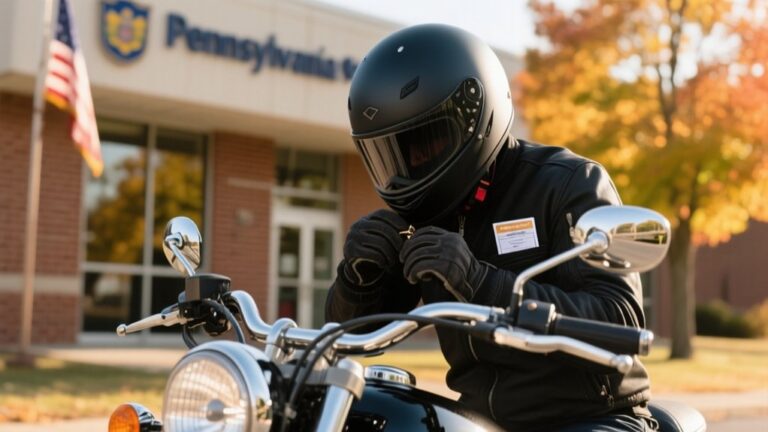
Make sure both of you wear snug helmets, gloves, boots, and proper protective gear. Confirm the gear fits well and feels comfortable before you start.
Mount on level ground and balance the bike first. Check in with your passenger and confirm comfort before moving off.
Ride smoothly, brake earlier, and turn as one unit. With a few simple habits, you can make every trip safer and easier.
Brief Your Passenger Before You Ride
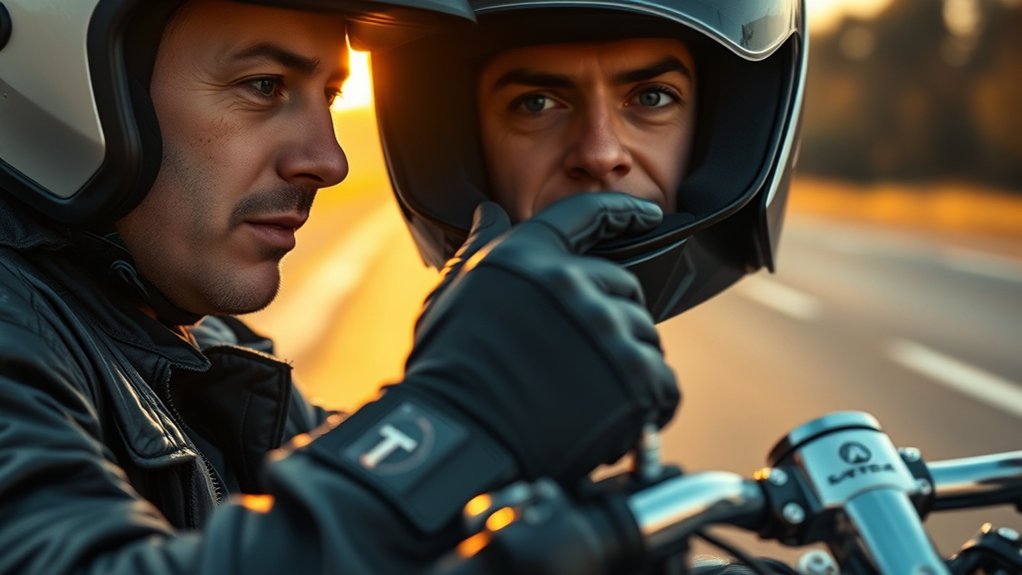
Before you mount up, take 5 to 10 minutes to brief your passenger.
Before you mount up, take 5 to 10 minutes to brief your passenger.
Make sure they know what to expect and how they can help keep the ride safe.
Tell them the bike may tip back on acceleration and dive under braking.
Cover the route type, the expected ride length, and the planned stops.
Agree on simple hand signals.
For example, one tap for slow, two taps for stop, and an emergency squeeze or a verbal cue.
Show the correct mount and dismount routine.
Mount from the left, last on and first off, and keep legs clear of the mufflers.
Demonstrate the pillion position.
Sit forward, hold your waist or grab the handles, keep feet on pegs, and look over the inside shoulder in turns.
Confirm comfort, experience, and that the gear fits properly.
Then plan a short test run before you settle into the full ride.
Choose the Right Gear for Two-Up Riding
Make sure you and your passenger both wear helmets that fit snugly—no wiggle, no slipping, and no sliding around.
Then, gear up with protective riding clothing for both of you, like an armored jacket and pants, quality gloves, and high-top boots.
Also, choose gear that won’t snag or brush against the exhaust, so you can ride without worrying about hot spots or loose fabric.
Whenever you can, match your gear levels and set up passenger-specific equipment.
That way, you’ll both be safer on the road and more comfortable during the ride.
Helmet Fit Matters
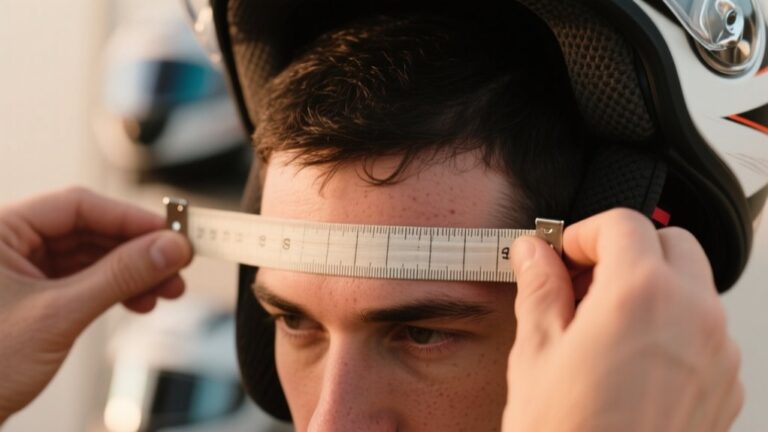
When you ride two-up, helmet fit isn’t negotiable. Both you and your passenger need helmets that sit evenly on the head. They should rest about 1–2 finger-widths above the eyebrows.
Make sure the helmets stay put when you shake your head. If a helmet wobbles or slides, it can’t protect you properly. Check the chinstrap so it secures snugly under the jaw.
Also confirm the shell size matches the head, not just the label. If your passenger doesn’t have one, bring a properly sized spare. Choose DOT/ECE/SNELL-certified helmets that meet local rules.
Before you roll, confirm both helmets support any helmet-to-helmet intercom or Bluetooth setup. Good peripheral vision and ventilation help on longer rides, but safety comes first. Test the fit together and adjust until both helmets feel stable and comfortable.
Protective Riding Apparel
Once both helmets fit right, turn your attention to the rest of your gear.
You and your passenger should wear abrasion-resistant layers that protect skin and support control.
Choose an armored motorcycle jacket and protective pants.
For short rides, heavy denim can work.
Add gloves and high-top boots that cover the ankles.
Keep laces tucked so nothing catches.
For longer trips, use motorcycle-specific protection with shoulder, elbow, and back armor.
Match your gear as closely as possible so your passenger sees what good protection looks like and feels more confident.
| Gear | Must Do | Why |
|---|---|---|
| Helmets | DOT/SNELL-rated | Head protection |
| Jacket/pants | Armor and abrasion resistance | Impact and slide protection |
| Gloves/boots | Cover hands and ankles | Grip and lower-leg safety |
A passenger backrest can add comfort, but it doesn’t replace proper gear.
Gear Prep Together
Before you roll out, check your gear together.
Make sure you and your passenger are equally protected and comfortable.
Fit both helmets snugly.
They shouldn’t wiggle or slide.
If your passenger doesn’t have one, lend a spare that fits.
Choose protective clothing that resists abrasion.
Armored jackets and pants are best.
Heavy denim works only for short trips.
Make sure both of you wear leather gloves.
Also wear high-top boots that cover the ankle.
Tuck long laces and secure scarves.
Remove anything loose that could flap or snag.
Before mounting, confirm your passenger’s legs clear the muffler.
Also check for any other heat source.
Match gear levels when possible.
Pack rain layers plus a basic first-aid kit for unexpected weather or minor injuries.
Mount and Settle the Motorcycle
First, mount the motorcycle and keep it steady on the sidestand, or hold it in place with the front brake while you wait on a flat surface.
Then have your passenger mount from the left side.
Once they’re on, they should sit as far forward as practical and hold your shoulder, waist, or the grab handles for balance.
Before you move off, make sure you’re both fully settled, your passenger’s feet are on the pegs, and the bike feels stable with the extra weight.
Rider Mounts First
Sit on the motorcycle first.
Place both hands on the grips and both feet firmly on the ground.
Then hold the front brake.
Raise the sidestand or bring the bike fully upright so it’s secure before your passenger approaches.
Keep the bike on flat, stable ground.
Brace it so it can’t roll or tip.
Once you’re balanced, tell the passenger to mount from the left side only.
Wait until you’re ready before they approach.
If needed, keep your left foot near the sidestand while you hold the brake.
Stay steady and don’t let go until the passenger starts to board.
Your job is to mount first, control the motorcycle, and ensure the passenger mounts safely.
Ask them to hold onto you lightly as they settle, while you keep your feet on the ground.
Passenger Settles In Securely
With the bike steady and the brakes held, let your passenger mount from the left side.
Have them place their left foot on the left peg, then use your left hand or shoulder for support.
Guide them to swing the right leg over smoothly and settle onto the passenger seat.
Sit as far forward as practical so the weight stays centered.
Have them place both feet on the footpegs right away.
Make sure their legs stay clear of the mufflers.
Before you roll, confirm they hold rider’s waist or grab handles.
Also confirm helmet-to-helmet communication or agreed hand signals.
Give a tapped or spoken “OK,” then gently rock the bike to check balance.
If the suspension compresses too much, adjust their position before moving.
Ride Smoothly With a Passenger
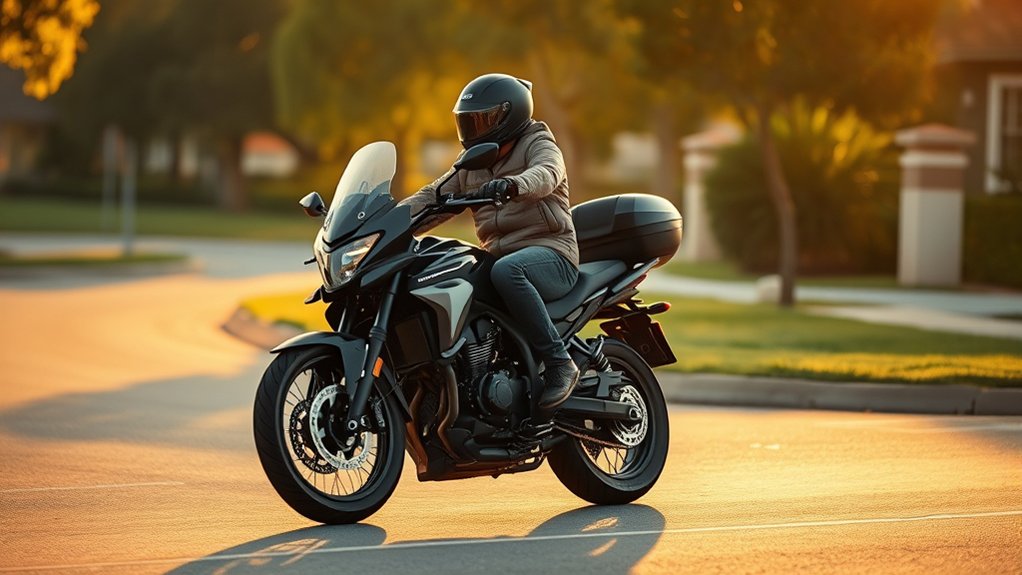
Ride more gently than you’d solo, because a passenger changes how your bike accelerates, brakes, and leans.
Ride more gently with a passenger, since extra weight changes how the bike accelerates, brakes, and leans.
Roll on the throttle slowly, about half to two-thirds as hard, so the passenger isn’t shoved back and the rear suspension doesn’t squat under extra weight.
Accelerate smoothly and keep inputs deliberate.
Brake earlier with a firmer rear-brake bias, so the chassis stays level.
Corner slower, with softer lean changes, and cue the passenger to sit far forward and lean with you.
Stop every 20–30 minutes to check comfort, luggage, and signals.
That quick pause helps you catch problems before they grow.
It also keeps the ride controlled, calm, and safe.
Brake and Stop Safely
Brake earlier than you’d solo. A passenger adds weight and can increase your stopping distance by 20–30%.
Give your passenger a quick cue before you slow down. Then apply the brakes smoothly and progressively so the bike stays settled.
For routine stops, use more rear brake than you’d alone. Aim for about 60/40 to 50/50 rear/front to keep the machine level and reduce jerking.
If traffic allows, downshift early so engine braking helps. Keep your inputs calm and avoid sudden grabs that can pitch your passenger forward or bump helmets.
When you come to a complete stop, hold the bike upright. Plant both feet, and don’t let your passenger dismount until you’ve communicated clearly.
Safe stopping protects both of you every time.
Turn and Lean Together
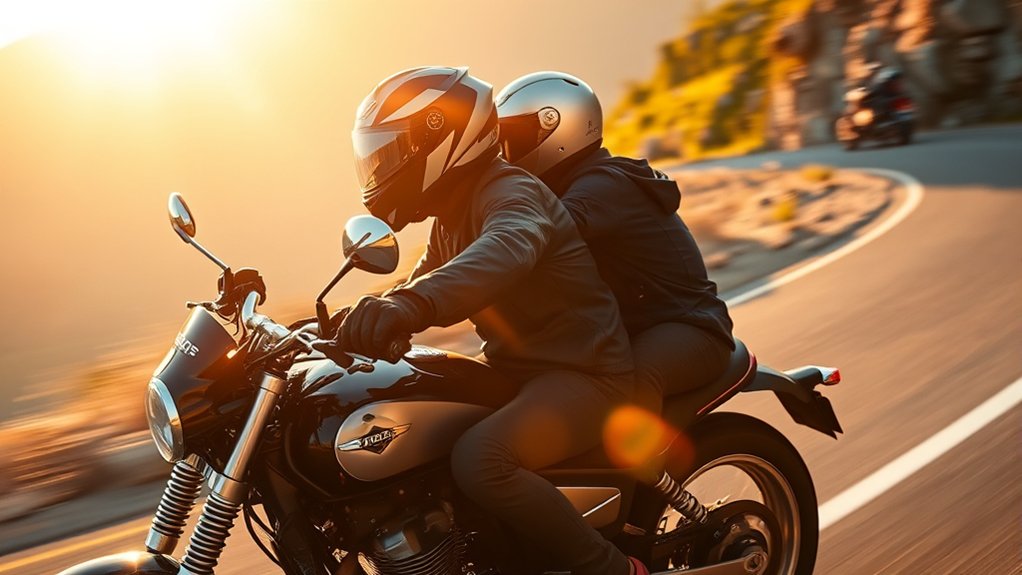
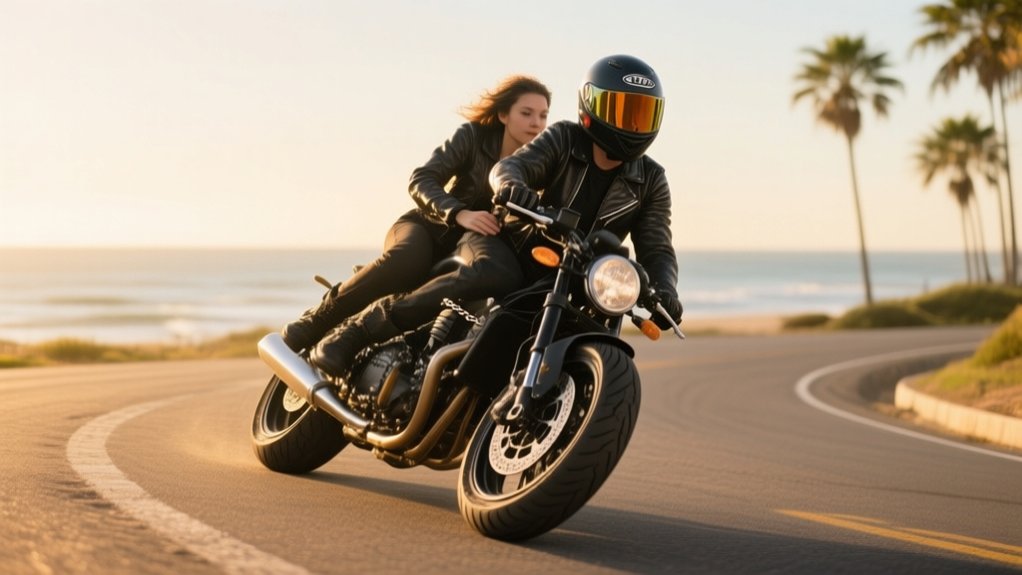
In corners, you and your passenger should lean as one unit.
Tell your passenger to keep hips aligned with yours and to look over the rider’s inside shoulder so the bike doesn’t fight opposing forces.
Keep hands on your waist or the grab handles, and hold knees tight to the tank to steady the passenger’s center of mass.
- Turn your head and shoulders together.
- Start the lean early and smoothly.
- Practice slow turns, then stop and check balance.
Remind your passenger not to brace on your arms or handlebars.
Tension can upset the turn and counter your input.
Stay relaxed, follow the same cue, and let both bodies move together through each lean and exit.
Frequently Asked Questions
How Do I Know if My Motorcycle Can Safely Carry a Passenger?
You can tell by checking your bike’s owner’s manual and VIN placard for its maximum load. Then compare that limit to your weight, your passenger’s weight, and any gear.
Make sure your motorcycle’s registration and license allow you to carry a pillion. Inspect the seat, footpegs, and grab handles.
Also confirm the suspension can be adjusted. Then verify your brakes, power, and chassis can safely handle two-up riding.
What Should I Pack for a Two-Up Motorcycle Trip?
Pack two DOT- or ECE-rated helmets, armored jackets, gloves, long pants, and high-top boots.
About 30% of motorcycle crashes involve lower-leg injuries, so protection matters.
You should also bring a compact tool kit, tire repair kit, and a preload spanner or shock pump.
Add waterproof luggage, a first-aid kit, water, and snacks.
Don’t forget a power bank and legal documents.
Also, bring a pre-ride checklist, intercom, and a secure backrest or top box.
How Can I Train a First-Time Passenger Before the Ride?
You can train a first-time passenger by giving a short briefing before you ride.
Show them your hand signals, explain where to hold, and tell them to keep their feet on the pegs.
Have them wear proper gear, then practice mounting from the left and sitting close to you.
Start in an empty lot, ride slowly, brake gently, and stop often to check comfort and confidence.
What Signs Show My Suspension Needs Adjustment for a Passenger?
If your bike squats like a canoe taking on water, it needs adjustment.
When you add a passenger, watch for more than 1–2 inches of rear sag.
Also look for extra fork dive and reduced cornering clearance.
You may notice bouncy rebound or vague, heavy steering too.
These signs usually mean you should increase preload, add damping, or fit stiffer springs.
Check your owner’s manual, then test again before you ride hard.
How Do I Communicate With My Passenger While Riding?
You should keep communication simple and nonverbal while riding.
Agree on two hand signals before you start, like a tap for slow and two taps for stop.
Use short cues for mounting and dismounting.
Finish with a helmet tap to confirm you’re ready.
If you ride often, use intercoms for real-time updates.
Save detailed talk for when you pull over safely and can face each other.
Conclusion
When you ride with a passenger, you carry more than weight—you carry trust.
With every smooth start, steady brake, and shared lean, your motorcycle feels like a single, balanced machine cutting through the road like a blade through wind.
Stay calm, communicate clearly, and ride as one.
If you respect the extra load and stay alert, you’ll give your passenger a safer, smoother trip.
Turn every ride into a confident partnership.