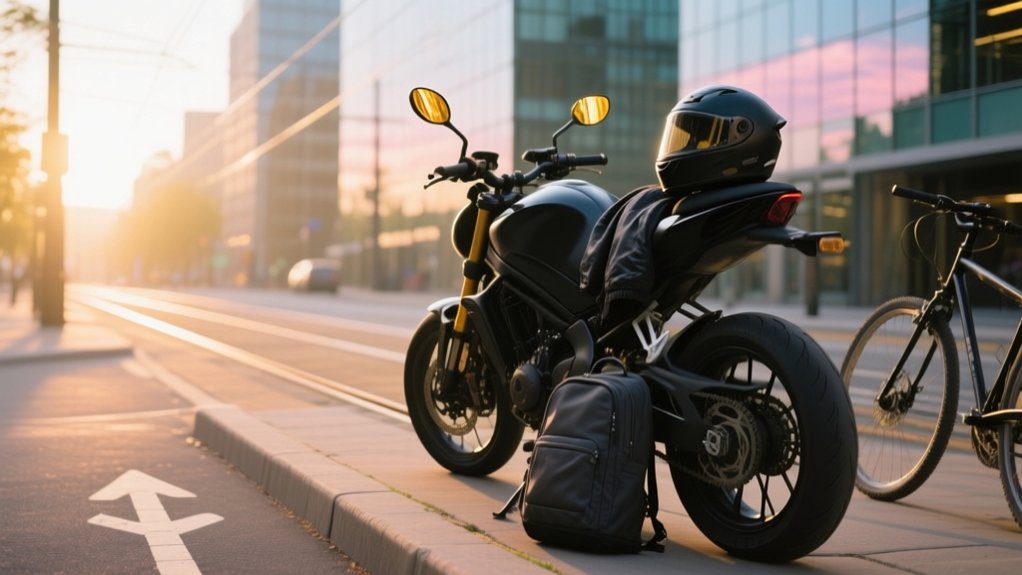
Should I Get A Motorcycle For Commuting – Overview
You’ll save time and money choosing a motorcycle for commuting, thanks to quicker travel, better maneuverability, and lower fuel costs. Picking the right engine size depends on your distance and licence restrictions, while features like weather protection, storage, and safety tech improve daily comfort and security.
Scooters suit short urban trips, and bigger bikes handle longer rides. Balancing comfort, cost, and safety is key. Explore how to match your needs with the ideal bike and smart commute strategies.
Reasons To Choose A Motorcycle For Commuting
Choosing a motorcycle for commuting often saves you significant time by cutting down travel duration by about 22% on paired routes.
That can add up to reclaiming nearly a full workday each month.
Using two wheels gives you superior maneuverability, letting you navigate urban traffic more efficiently than cars.
This means you spend less time stuck in congestion and can take advantage of easier parking.
Motorcycles and scooters also offer excellent fuel economy, reducing your daily commute costs.
However, riding year-round requires careful planning for weather protection and safety gear, as exposure on two wheels demands constant attention.
Features like ABS and traction control help, but you must remain cautious and mindful of your lane choices to minimize risks during your daily commute.
Matching Engine Size To Commute Distance
When you’re picking out a motorcycle for your daily commute, it’s really important to match the engine size to how far you’ll be riding. Smaller engines work great for short trips around the city where you’re stopping and starting a lot.
On the other hand, bigger engines are better suited for longer journeys and cruising comfortably on the motorway.
You’ll also want to think about your license restrictions and how far the bike can go on a tank of fuel. That way, you’re sure your motorcycle fits both the legal rules and what you actually need day-to-day.
Engine Size Considerations
Although your choice of engine size depends on various factors, matching it to your typical commute distance guarantees peak performance and comfort.
For short urban trips, a 125cc bike or scooter offers low running costs and sufficient power for city speeds.
If your route involves sustained motorway riding, a 300–500cc machine provides the ability to maintain higher speeds safely and overtake with ease.
For long-distance daily commutes, especially those exceeding 200 miles, consider a 1,000–1,200cc tourer designed for sustained high-speed travel, better ergonomics, and larger fuel tanks.
Remember to factor in licence restrictions, as A1 limits you to 125cc, while full licences allow larger engines. Choosing the right engine size makes certain your ride is efficient, legal, and comfortable.
Commute Distance Impact
Understanding how your commute distance affects your motorcycle choice guarantees you get the most suitable engine size for your daily ride.
For short urban trips under 10 miles, a 125cc bike or scooter fits well, especially if you’re limited to an A1 licence.
If you face medium commutes of 25–50 miles or regular motorway riding, a mid-capacity bike around 400–750cc offers better power, comfort, and luggage capacity.
Long-distance commutes beyond 50 miles demand a litre-class or large tourer for stability, range, and comfort, though these come with higher fuel and running costs.
Licence limits also influence your choice. A2 licences restrict you to around 47 bhp, limiting some mid-range options.
Matching engine size carefully to your typical route guarantees safety, efficiency, and compliance with legal requirements.
Essential Features For A Commuter Motorcycle
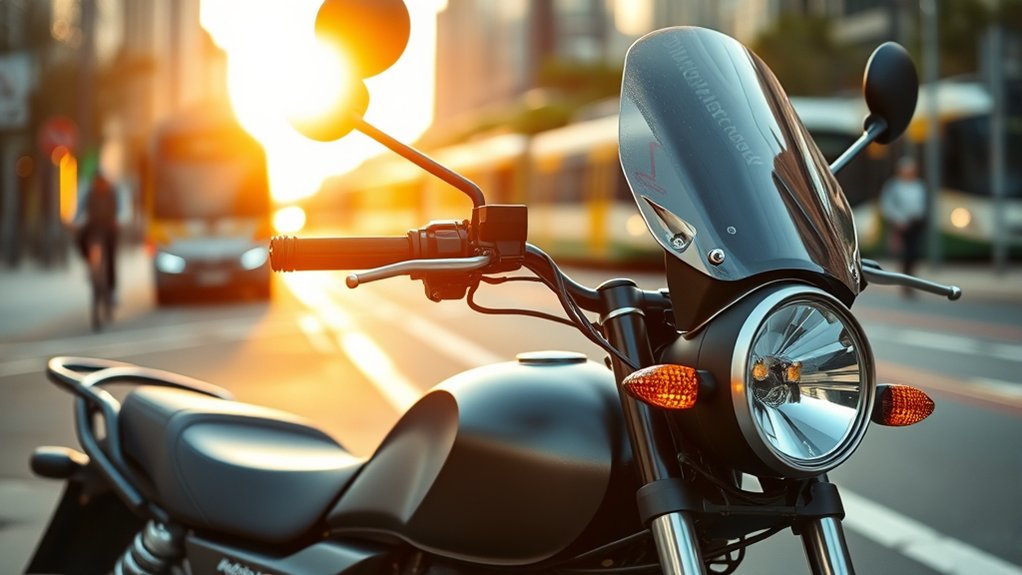
Choose a commuter motorcycle that balances practicality with comfort to make your daily rides efficient and enjoyable. When buying a motorcycle for commuting, prioritize a riding position that’s upright and low-footprint to handle traffic easily. If your commute is slightly longer, consider features that enhance comfort and range.
Select a commuter bike with an upright riding position for comfort and ease in traffic, especially on longer rides.
Focus on these three essentials:
- Weather protection and luggage: Maxi-scooters or mid-size bikes with panniers and top boxes keep your gear dry and secure year-round.
- Engine size and license compatibility: Match your bike to commute length. Use 125cc for city runs, and 400–750cc or more for longer distances.
- Safety and usability: Look for ABS, traction control, adjustable screens, heated grips, and easy accessory mounting to improve daily practicality.
Choosing wisely guarantees a smoother, safer commute every day.
Comparing Scooters And Motorcycles For Urban Commuting
When deciding between scooters and motorcycles for urban commuting, you’ll want to weigh their distinct advantages carefully. Scooters, like maxi models, offer every practical feature, including weather protection and storage. This makes them great for pretty much any urban run, including occasional motorway trips.
Motorcycles provide superior fuel efficiency and better long-distance capability but may lack integrated storage. If you commute every five days or more, consider which trade-offs matter most to you.
| Feature | Scooter |
|---|---|
| Weather Protection | Excellent |
| Storage | Underseat, good |
| Fuel Efficiency | Good (78mpg) |
| Handling | Easy, ideal for city |
| Long-distance | Limited |
| Feature | Motorcycle |
| Weather Protection | Limited |
| Storage | Minimal to moderate |
| Fuel Efficiency | Very high (up to 155mpg) |
| Handling | Precise, agile |
| Long-distance | Superior |
Balancing Comfort, Safety, And Cost
When picking out your commuter bike, you’ll want to think about comfort features like wind protection and storage. Sure, these things can add to the cost, but they make your ride a lot more enjoyable.
At the same time, it’s smart to prioritize safety components like ABS and traction control. These might bump up the price a bit, but they can seriously cut down the risks you face on the road.
Finding the right balance between comfort, safety, and cost means you’ll end up with a practical and secure bike without breaking the bank.
Comfort Features Importance
Frequently, riders underestimate how much comfort features influence both safety and overall ride quality during daily commutes. Prioritizing seat customization, ventilation systems, and ergonomic adjustments can markedly reduce fatigue and discomfort on the road. Consider these key points:
- Adjustable seats and ergonomic design, like the Honda NC750X’s seat height (~802mm), prevent lower-back strain during long rides.
- Ventilation systems and heated grips, such as those on the Kawasaki Versys 650 Grand Tourer+, maintain comfort across varying weather conditions.
- Wind and weather protection, with adjustable screens found on models like the Triumph Tiger Sport 660, cut fatigue caused by sustained highway exposure.
Balancing these features with cost and weight makes sure you don’t sacrifice efficiency or affordability for comfort.
Safety Versus Expense
Comfort features can greatly enhance your riding experience, but balancing them with safety and cost is equally important. You need to assess your risk tolerance realistically. Prioritize safety tech like ABS and traction control, especially for wet or urban commutes where sudden stops and slick roads increase hazards.
Avoid route complacency by varying your paths to reduce crash risk.
When choosing your bike, consider engine size based on commute length. Smaller engines lower insurance and fuel costs but may lack motorway stability.
Factor maintenance budgeting into your total cost of ownership, including fuel, tyres, and dealer support. Heated grips and wind protection improve comfort and reduce fatigue but add to expenses. Models like the Honda NC750X offer a practical balance, helping you manage safety without overspending.
Weather And Storage: What Commuters Need
Although riding year-round can be rewarding, you need to prioritize weather protection and secure storage to keep your motorcycle and gear in good condition. Choose a bike with full fairing or maxi-scooter style for better weather shielding, and invest in waterproof clothing rather than relying solely on fair-weather gear.
To maintain your setup efficiently, use locker organization for helmets and wet gear. This minimizes external luggage and optimizes space.
Also, implement ventilation strategies in storage areas to prevent moisture buildup and keep electronics dry.
Protect weatherproof electronics by securing your bike off-street. This helps avoid corrosion from long-term outdoor exposure.
These steps guarantee durability and comfort, especially during winter commutes when heated grips and clothing plugs add warmth without bulk. Proper weather and storage planning preserves your investment and reliability.
Best Motorcycles For Short-Distance Commuting
When choosing the best motorcycle for short-distance commuting, focus on practicality and ease of use in urban settings.
Small-capacity scooters like the Yamaha XMAX 300 offer excellent fuel economy, weather protection, and underseat storage. They’re ideal for quick city trips.
Small-capacity scooters like the Yamaha XMAX 300 combine fuel efficiency, weather protection, and convenient storage for urban rides.
If you want a simpler, budget-friendly option, 125cc models such as the Honda CB125F provide easy manoeuvrability and low running costs.
Electric scooters might also suit your needs, especially if you prioritize minimal gear maintenance and quiet operation.
Consider maxi-scooters like the Honda Forza 750 if you need extra luggage space or occasional motorway capability.
Always evaluate parking solutions in your area, as compact bikes and scooters fit better in tight spots.
Prioritizing safety features like ABS and a comfortable seating position guarantees smoother, safer commutes.
Mid-Range Motorcycles Perfect For Medium-Length Commutes
If you’re tackling medium-length commutes, you’ll want a bike that strikes the right balance between comfort, practicality, and reliable performance. It’s all about finding that sweet spot.
Look for mid-capacity models that offer features like good wind protection and upright ergonomics. These make a big difference when you’re on the road for a bit longer. Plus, having options for luggage and heated grips can really enhance your daily ride.
Keep in mind the trade-offs between power, weight, and fuel efficiency. Understanding these will help you pick the perfect motorcycle that fits your needs without any surprises.
Essential Features For Comfort
Since medium-length commutes demand sustained comfort, you’ll want a motorcycle that offers effective wind and weather protection, like tall adjustable screens and fairings found on models such as the Triumph Tiger Sport 660.
To stay comfortable on 50–100 mile rides, focus on these essential features:
1. Adjustable suspension
A quality suspension tuned to your weight and road conditions reduces fatigue and improves control.
2. Seat ergonomics
An upright riding position with seat heights around 800–840mm guarantees better posture, while well-padded seats minimize discomfort.
3. Heated controls
Heated grips or seats keep you warm during colder commutes, preventing stiffness and maintaining focus.
These elements help you endure longer rides without strain, making your daily journey more manageable and enjoyable.
Top Mid-Capacity Models
Several mid-capacity motorcycles stand out for medium-length commutes, combining comfort, fuel efficiency, and practical storage. The Triumph Tiger Sport 660 offers excellent ergonomic design and a 17.2-liter tank, enabling long rides with minimal refueling.
The Kawasaki Versys 650 Grand Tourer+ comes accessory-compatible with panniers, a top box, and heated grips, ideal for year-round comfort. If you prioritize fuel efficiency and storage, the Honda NC750X’s large underseat compartment and impressive ~67mpg make it a smart choice.
Maxi-scooters like the Suzuki Burgman 400 provide substantial weather protection and ample luggage space, ensuring practical daily use. When selecting a mid-capacity model, focus on accessory compatibility for luggage and heated features to maintain comfort and convenience throughout your commute.
Practicality And Performance Trade-Offs
When choosing a mid-range motorcycle for medium-length commutes, you’ll need to balance practicality with performance carefully. Mid-capacity bikes like the Triumph Tiger Sport 660 or Honda NC750X offer a good mix but come with ergonomics tradeoffs and cargo compromises you must consider.
Here are key points to weigh:
- Ergonomics tradeoffs: Comfort on 50–100 mile rides depends on adjustable screens and seating, though some models sacrifice sportiness for upright posture.
- Maintenance considerations: More complex features like DCT gearboxes increase upkeep but improve ease of use during daily commutes.
- Cargo compromises: Built-in storage or panniers add convenience but might affect handling and weight, especially on longer rides.
Prioritize fuel range and wind protection over peak power to guarantee a practical, enjoyable commute every day.
Premium Motorcycles For Long-Distance Commuting
Choosing a premium motorcycle for long-distance commuting means prioritizing comfort, reliability, and advanced features tailored to reduce fatigue over hundreds of miles. Models like the Honda NT1100 and BMW R1250RT excel with luxury ergonomics, adjustable screens, and integrated luggage, easing long rides.
While these bikes come with higher maintenance costs, their premium accessories, such as advanced suspension and rider aids, justify the investment by enhancing comfort and safety. You’ll find that the Triumph Tiger 1200 GT Pro offers exceptional torque and versatility, though its weight and price demand careful consideration.
Similarly, the Suzuki GSX-S1000GT blends sportbike performance with touring comfort but may require more frequent servicing. Ultimately, premium motorcycles trade initial expense and extra weight for features that keep you comfortable and dependable on extended commutes.
Staying Safe And Alert On Your Commute
Although commuting by motorcycle offers freedom and efficiency, staying safe and alert requires constant attention and smart habits.
To reduce risk and maintain focus, you should:
- Use route variation regularly to prevent complacency. Changing your path keeps your brain engaged and reduces crash risk.
- Perform cognitive drills during stops. Brief mental exercises boost your situational awareness and reaction speed.
- Incorporate micro rests and proper hydration to combat fatigue. Staying refreshed guarantees you remain vigilant, especially on short urban rides.
Always wear protective gear, use safety tech like ABS, and practice defensive riding.
Maintain good lane positioning and scan constantly for hazards such as inattentive drivers or school zones.
Avoid riding tired and favor predictable lane choices over risky maneuvers to stay visible and safe throughout your commute.
Frequently Asked Questions
How Do I Obtain a Motorcycle License for Commuting?
To obtain a motorcycle license for commuting, start by completing the required skills training, including Compulsory Basic Training (CBT).
Then, pass the motorcycle endorsements licensing process, which involves theory and practical tests tailored to your bike category (A1, A2, or full license).
Keep in mind that each step guarantees you build the necessary riding skills and legal entitlement, so budget for training, tests, and possible retakes to stay safe and compliant on the road.
What Maintenance Schedule Should I Follow for a Commuter Motorcycle?
Like a knight maintaining his trusty steed, you need to keep your commuter motorcycle in top shape.
Follow oil changes every 3,000 to 6,000 miles and perform brake inspections monthly to guarantee safety.
Check chain lubrication and tension every 300 to 600 miles, or weekly if you ride in wet or salty conditions.
Don’t forget to monitor tyre pressure before each ride and complete a thorough check weekly.
Staying diligent prevents breakdowns and keeps your commute smooth.
Are There Insurance Discounts for Motorcycles Used Only for Commuting?
Yes, you can often get insurance discounts for motorcycles used solely for commuting. Insurers may offer usage-based discounts if you provide accurate low mileage estimates and demonstrate secure storage with theft deterrents.
You might also qualify for multi-vehicle or multi-policy discounts if you insure more than one vehicle or combine policies. Always ask insurers about commuting-only terms and make certain you meet their requirements to access these savings cautiously and precisely.
How Does Commuting by Motorcycle Impact My Overall Health?
Commuting by motorcycle can reduce stress like a breeze clearing fog, helping you feel more alert and focused.
It engages your core and upper-body muscles, boosting cardiovascular fitness through active balance and control.
However, be cautious of exposure risks, such as cold or wet weather, which require proper gear to avoid illness.
Also, the higher crash risk means you must prioritize safety to protect your overall physical health.
What Are the Best Storage Solutions for Motorcycle Gear at Work?
The best storage solutions for your motorcycle gear at work include lockable lockers to keep helmets, gloves, and jackets secure and out of sight. Wall mounted racks offer a practical way to hang jackets and helmets, helping them dry without crumpling.
Portable garment bags with waterproof liners are excellent for storing damp clothing and preventing mildew. Combining these options guarantees your gear stays protected, organized, and ready for your next ride, even in unpredictable weather.
Conclusion
Choosing a motorcycle for your commute can feel like weaving through morning traffic with the wind at your back, efficient and freeing. But just as a sudden rain shower demands caution, matching your bike’s engine size and safety features to your route is vital.
Whether you opt for a nimble scooter or a powerful machine, balancing comfort, cost, and safety guarantees your ride stays smooth and secure every day. Ride smart, stay alert, and enjoy the journey.