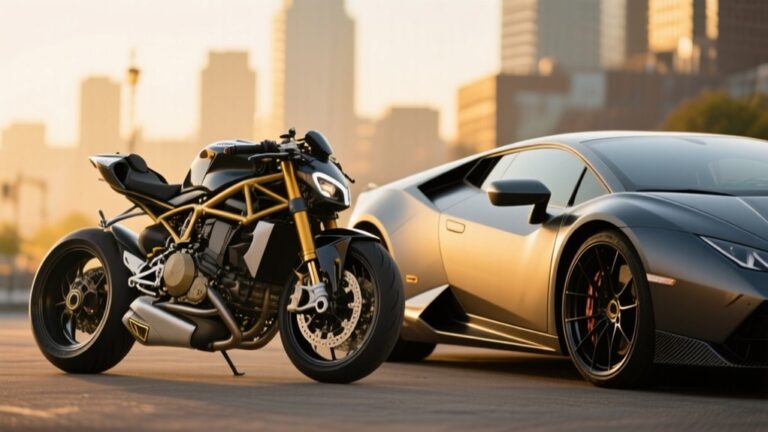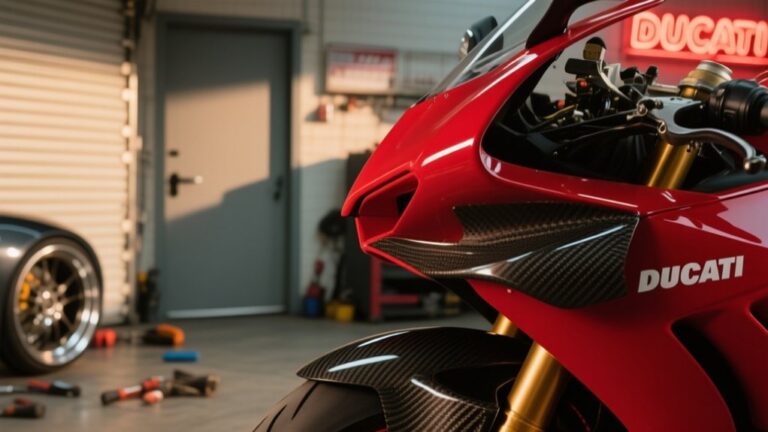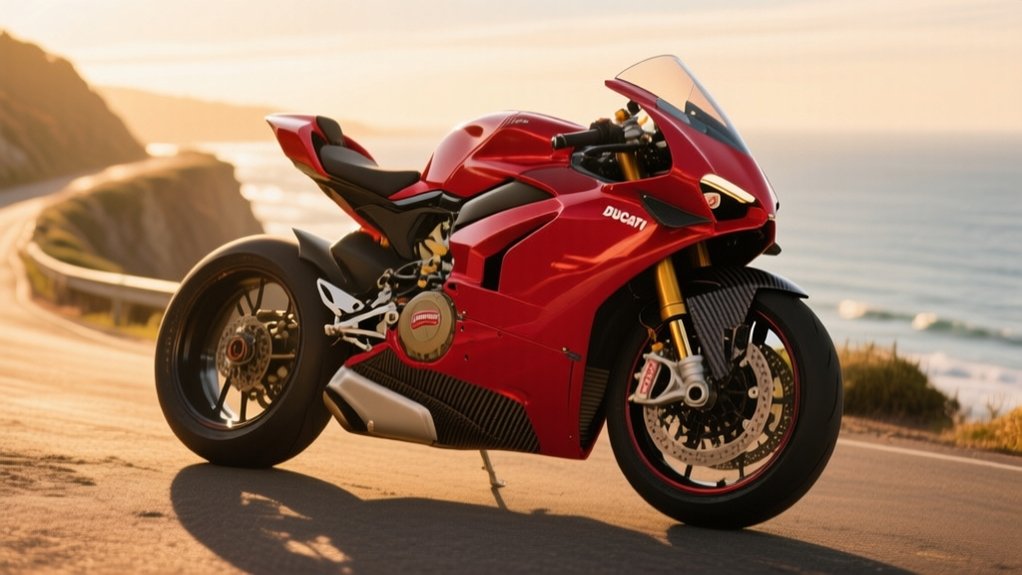
What Is The Most Expensive Ducati Motorcycle – What to Know
Ducati’s most expensive motorcycle is the Panigale V4 Superleggera. It’s a carbon-fiber superbike priced at roughly $100,000.
You’re paying for a hand-built, limited-production machine. It features carbon frame parts, a carbon swingarm, carbon wheels, racing electronics, Öhlins suspension, Brembo calipers, and MotoGP-inspired aero.
The Superleggera also uses a Desmosedici-based engine for extreme performance. Race-kit upgrades can push it even further.
It sits above the Panigale V4 R. The details behind that gap are worth knowing.
What Is the Most Expensive Ducati Motorcycle?
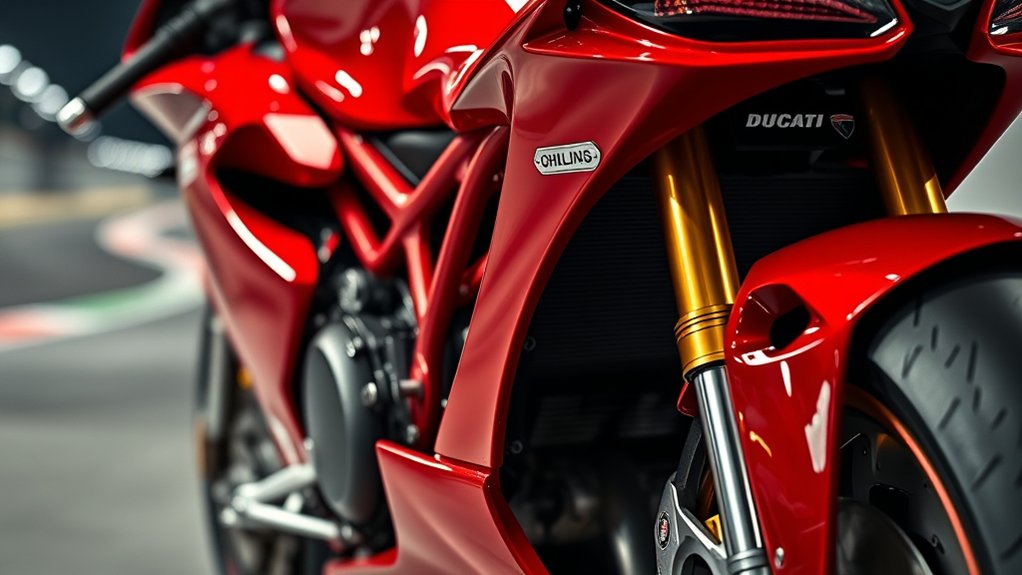
The most expensive current-production Ducati you can buy is the limited-run Panigale V4 Superleggera Centenario, a full-carbon superbike with a claimed price of around $100,000.
You get Ducati’s Superleggera flagship, built around a carbon frame, swingarm, wheels, and fairings. It also includes carbon-ceramic front discs and titanium parts.
Its Desmosedici Stradale R-based engine makes 170 kW, or 230 hp, in stock form. The optional race kit lifts output to 184.2 kW, or 247 hp.
Ducati also keeps weight extremely low, with a dry figure around 167 to 173 kg.
You should note that special collector Ducatis have sometimes cost more, but this Superleggera remains the priciest model in regular current production.
Why Ducati Prices Vary So Much
Ducati’s prices vary so much because the brand covers everything from relatively accessible street bikes to ultra-rare, hand-built flagships. You’ll see entry and midrange models like the Monster and V2 keep costs lower with simpler components, higher production volumes, and more practical tuning.
By contrast, a Panigale special edition can cost far more because Ducati builds it in Italy with exotic materials. That can include carbon-fibre structures, carbon rims, and titanium exhausts.
Limited runs, homologation requirements, and race-derived upgrades also add expense. Then, when you move into models shaped by MotoGP and WSBK engineering, you’re paying for advanced electronics and Öhlins suspension, plus finely tuned performance parts.
That mix of exclusivity, technology, and scarcity explains why Ducati’s range spans from everyday sport bikes to collector-level machines.
How Much the Panigale V4 Superleggera Costs
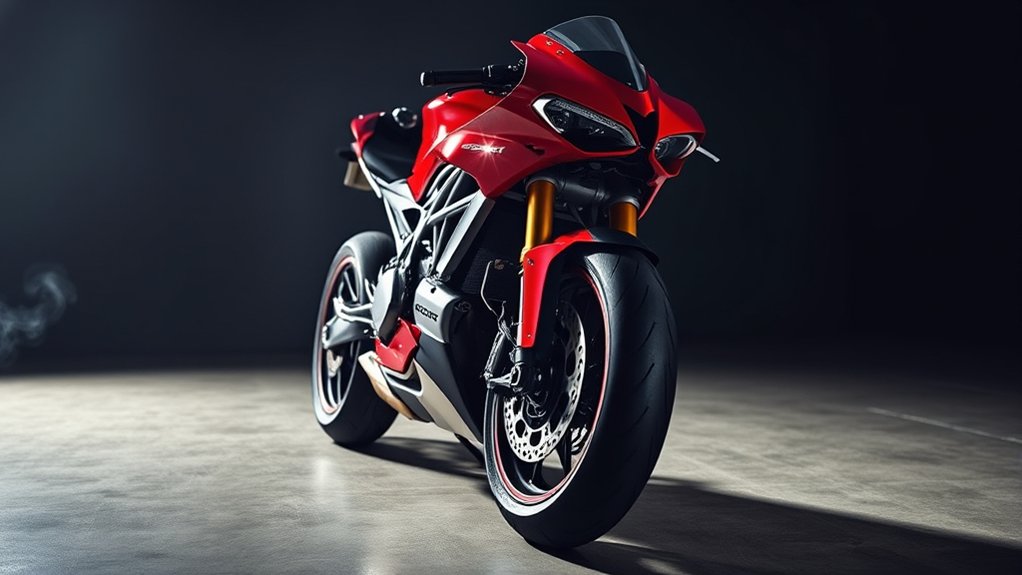
With a price tag around $100,000, the Panigale V4 Superleggera sits in Ducati’s true collector-bike territory.
You’re paying for an ultra-limited machine, with only 500 units built, and Ducati set its price to match its exclusivity.
The motorcycle uses a carbon frame, swingarm, and wheels, along with lightweight components.
That helps cut dry weight to roughly 152–159 kg, depending on setup.
Its Desmosedici-derived engine delivers about 221–233 hp.
A full racing kit can push output even higher.
Ducati markets it as the closest street-legal bike to a World Superbike, so the price reflects that positioning.
The later Centenario Superleggera follows the same $100k-class logic, keeping the model in elite, limited-production company.
What Makes the Superleggera So Expensive
What pushes the Superleggera into six-figure territory goes well beyond badge value or limited numbers.
You’re paying for an all-carbon-fibre load-bearing chassis, including the frame, subframe, swingarm, and carbon fiber wheels, plus extensive carbon fairings.
That construction is rare on a street bike and costly to engineer.
Ducati also fits race-grade hardware, such as carbon-ceramic front discs, titanium exhausts, Öhlins GP-derived suspension, and CNC-machined parts.
Its Desmosedici Stradale R engine delivers 170 kW, or 230 hp, in stock form.
It makes up to 184.2 kW, or 247 hp, with the racing exhaust and kit.
Hand-built assembly in Italy, advanced electronics, and production capped at about 500 units further push up cost.
They also boost collector demand.
How the Panigale V4 R Compares
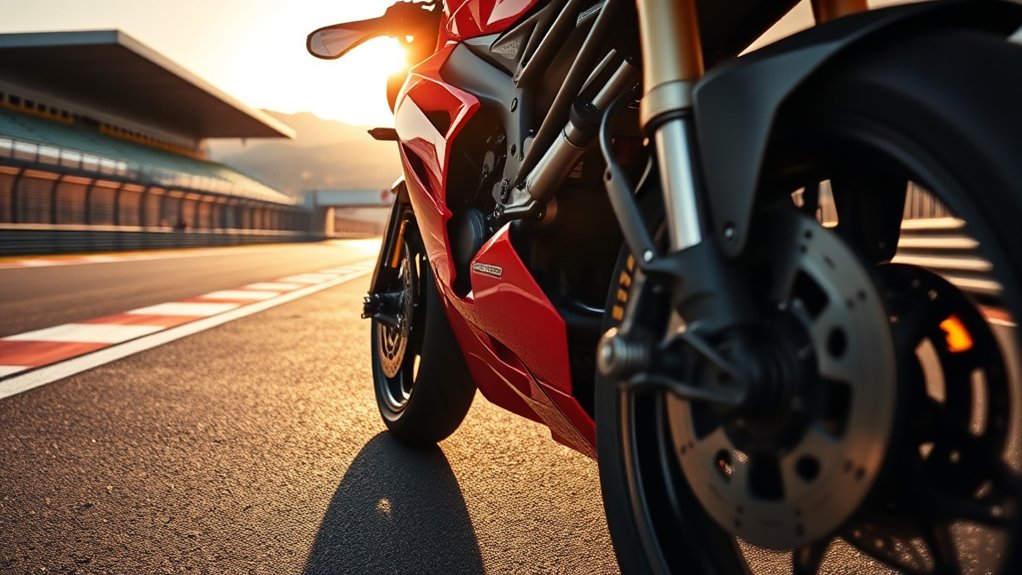
If you’re comparing Ducati’s top-tier superbikes, the Panigale V4 R sits below the all-carbon Superleggera V4 in price and exclusivity. Still, it delivers near-World Superbike performance in a road-legal package.
The Panigale V4 R is Ducati’s homologation machine. You get a 998 cc Desmosedici-derived V4 that revs to 18,250 rpm and makes 215.1 hp, with race kit gains pushing it higher.
| Area | Panigale V4 R | Superleggera V4 |
|---|---|---|
| Engine | 998 cc homologation V4 | More exclusive variant |
| Chassis | Adjustable, track-focused | More exotic carbon setup |
| Electronics | WSBK-grade aids | Similar high-level systems |
You still get Öhlins suspension, sharp geometry, and advanced rider aids. But you’re paying for performance rather than the full carbon spectacle.
Carbon-Fiber Parts on Ducati’s Top Models
Ducati’s most exotic top models lean heavily on carbon fiber to cut weight and sharpen performance. The Superleggera V4 and Superleggera Centenario go furthest by using an all-carbon-fibre load-bearing chassis for the frame, subframe, swingarm, and wheels.
With the Superleggera V, you’ll also find carbon rims, fairings, and aerofoils. Together, they help keep dry weight roughly in the 152 to 159 kg range.
On the Centenario, carbon-ceramic front discs add serious stopping power while keeping mass down. Ducati also pairs these with MotoGP-derived biplane winglets, which add measurable downforce at speed.
If you’re comparing limited-run Ducatis, you’ll notice that carbon bodywork and race kits help justify their premium pricing.
Engine Specs Behind Ducati’s Priciest Bikes
At the heart of Ducati’s priciest superbikes sits the Desmosedici Stradale R, the 1,103 cc V4 that powers the Superleggera V4 and Centenario line.
It makes 170 kW (230 hp) at 14,750 rpm and 119 N⋅m at 10,750 rpm. With the full racing exhaust fitted, output rises to 184.2 kW (247 hp) at 15,500 rpm and 122 N⋅m at 11,750 rpm.
| Model | Output |
|---|---|
| Panigale V4 R | 160.4 kW (215.1 hp) |
| Standard Panigale V4 | 1,103 cc V4 |
You’ll also see the Panigale V4 R’s 998 cc derivation, which revs to 18,250 rpm and can reach about 174 kW with a race kit.
These engines deliver extreme power and precise response, and they reflect the performance Ducati saves for its most expensive machines.
Race Tech That Raises the Price
Race tech is a major reason Ducati’s most expensive motorcycles command such steep prices.
You’re paying for an all-carbon-fibre load-bearing chassis, including the frame, subframe, single-sided aluminium swingarm, and wheels.
That design cuts weight, but it also demands costly materials and manufacturing.
Ducati also fits the Desmosedici Stradale R engine with race kits and titanium Akrapovič exhausts.
This pushes output to 247 PS and uses MotoGP-derived parts.
Aerodynamic biplane winglets add downforce at speed, so you get track-focused carbon aero work.
Add Öhlins NPX/TXX forks, titanium-spring rear shocks, Brembo racing calipers, and optional carbon-ceramic discs.
The MSRP climbs fast from there.
Hand-built assembly and bespoke electronics further raise development costs and complexity.
Limited Editions and Collector Appeal
You’ll notice Ducati’s limited-run models often come with a premium price, and that’s largely because scarcity is built right into the production strategy.
When a bike is produced in something like 500 or 1,000 units, that limited availability can create collector value almost immediately.
You’ll also see that these machines tend to pair rarity with race-derived parts, exotic materials, and numbered provenance.
All of that helps support long-term desirability.
And when a model includes a special collaboration or a track-focused specification, it usually holds value even better—because there are buyers who are happy to pay above the list price.
Rare Build Runs
When Ducati builds for rarity rather than sheer volume, the result is often the brand’s most collectible hardware. You can see that in the Panigale V4 Superleggera, capped at 500 units. It features an all-carbon load-bearing chassis, carbon rims, and race-grade parts.
These builds stay scarce because Ducati controls supply tightly. 1. Panigale V4 Superleggera: 500 units
2. Superleggera Centenario: 500 plus 100 Tricolore versions
3. Panigale V4 Tricolore: 1,000 units
4. Ducati × Lamborghini specials: tightly limited runs
You’ll also find factory race kits, titanium exhausts, Alcantara trims, and unique calibration on many editions. That combination keeps production low. The specification is unusually high too, so you’re looking at motorcycles designed to remain uncommon long after release.
Collector Value Drivers
Limited-edition Ducatis often hold stronger collector value. That’s because scarcity, provenance, and specification all work in the buyer’s favor.
You’ll usually see this with models like the Panigale V4 Superleggera. You’ll also see it with the Superleggera Centenario and Panigale V4 Tricolore, where capped production numbers, carbon rims, and all-carbon load-bearing chassis sharpen demand.
Homologation bikes like the Panigale V4 R add value through race links. Meanwhile, factory collaborations and Ducati-Lamborghini editions bring exclusive liveries and premium hardware.
A documented top-spec setup strengthens appeal. That includes carbon-ceramic discs, titanium exhausts, and a single-sided aluminum swingarm.
If you can verify serial numbers, original race kits, certificates, and maintenance history, resale pricing usually holds up better. That is especially true when track-use records and performance figures are well documented.
Which Ducati Offers the Best Value
For most buyers, the best Ducati value comes from models that deliver the brand’s performance and style without the extreme ownership costs of flagship superbikes. You’ll usually get the strongest return from bikes that balance price, service, and real-world use.
The best Ducati value comes from performance and style without the extreme ownership costs of flagship superbikes.
- Monster 797: near $9,000, it gives you a dependable engine and low maintenance costs.
- Streetfighter V2: around $18,000, it blends daily usability with modern Ducati tech.
- V4-derived track packages: these can deliver serious performance while keeping base prices and service intervals more manageable.
- Sub-$20,000 Ducatis: you can still get Italian build quality, a single-sided swingarm, and strong style without Superleggera pricing.
If you want maximum value, avoid the $100,000 limited editions and choose the Ducati that matches your riding needs.
Frequently Asked Questions
Is the Superleggera Street-Legal Everywhere?
No, you can’t assume the Superleggera is street-legal everywhere.
Ducati sells some versions as road-legal, but your local emissions, noise, and registration rules decide whether you can ride it on public roads.
If you add a racing kit or a full titanium exhaust, you’ll often lose road homologation.
Before you buy or import one, check your country’s approvals, taxes, and inspection requirements so you don’t end up with an unridable bike.
How Many Panigale V4 Superleggeras Were Made?
You’re looking at 500 Panigale V4 Superleggeras, a scarce fleet that symbolizes Ducati’s pursuit of elite performance.
Ducati capped production at 500 units, and that fixed number helped make the bike exceptionally exclusive.
You’ll also notice that the Superleggera name signals extensive carbon use, along with titanium and other premium parts.
That track-focused specification and high price pushed it into the six-figure range.
Does Ducati Include a Warranty With the Superleggera?
Yes, Ducati typically includes a standard manufacturer’s warranty with a Superleggera, usually 12 months from delivery, though it can vary by market.
You may also be able to extend coverage through Ducati Warranty Extension programs for another 12 to 24 months if you register it properly.
To keep coverage valid, you’ll generally need authorized Ducati maintenance.
Wear items, track damage, and some race kits usually aren’t covered.
What Maintenance Costs Does the Superleggera Require?
The Superleggera’s maintenance costs can soar like a finely tuned racebird, and you’ll pay for it.
You’ll need major service roughly every 24,000 km.
Track use can mean more frequent valve checks and inspections.
You’ll also replace costly carbon, titanium, and racing parts.
Premium brake pads and tires add even more to the bill.
Labor usually runs higher because specialized Ducati technicians handle these hand-built machines.
They also perform race-kit calibrations.
Can Owners Buy the Racing Kit Separately?
Yes, you can often buy Ducati’s Racing Kit separately for certain flagship models, but it isn’t always available everywhere.
You’ll usually need to order it through an authorized dealer, and Ducati may require dealer installation or technician calibration.
The kit’s parts are track-only, so they can affect road legality and homologation.
Before you buy, confirm the exact contents, price, and any regional restrictions with Ducati or your dealer.
Conclusion
In the end, you can see why Ducati’s priciest motorcycles command premium prices. If you want the rarest ride, the Panigale V4 Superleggera stands out. It has stunning specs, savvy engineering, and serious street-to-track swagger.
Before you buy, weigh rarity, race-bred technology, and real-world value. For many riders, the best Ducati isn’t the most expensive one. It’s the model that delivers the right mix of power, prestige, and purpose.