What Is The Safest Motorcycle – What It Really Means
The safest motorcycle is the one that fits you, matches your skill level, and suits the roads you ride.
You should favor a lower-seat, lower-power bike with ABS, traction control, good suspension, and clear controls you can reach easily.
Make sure you can plant both feet or at least the balls of your feet.
Then test ride it for comfort and confidence.
The right choice reduces risk, and the details matter more than badge prestige.
What Makes a Motorcycle Safest?
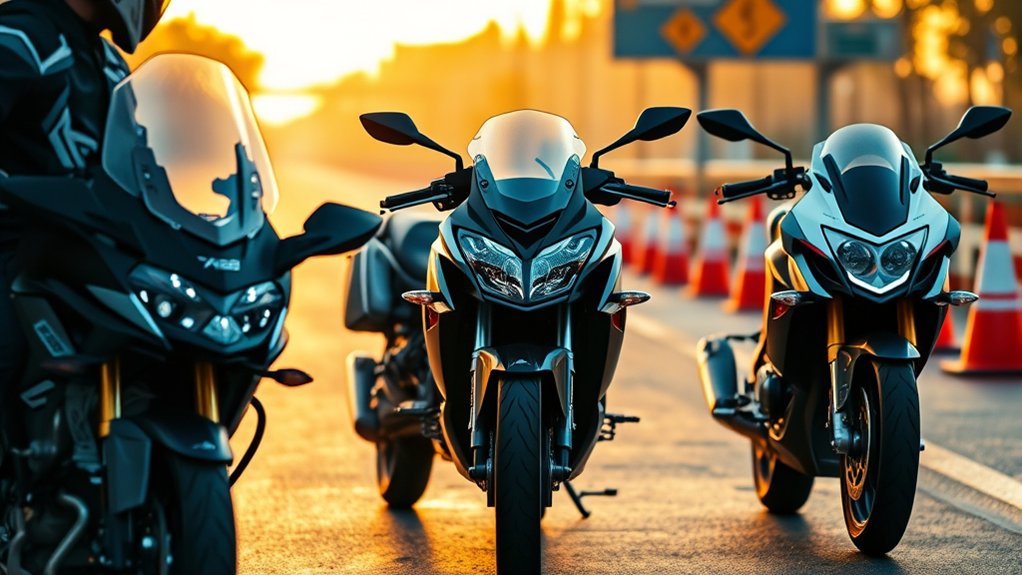
The safest motorcycle is the one that fits you well and matches your skill level. You’ll usually feel more secure on a smaller-displacement bike with a low center of gravity. It’s easier to balance and less likely to tip at low speeds.
A good safest motorcycle also provides proper reach to the controls. It should give you room to plant both feet and offer clear visibility.
ABS matters too. Bikes with ABS have about a 22% lower fatal crash rate than those without it.
Add traction control, linked brakes, and quality suspension. This helps improve braking stability and grip.
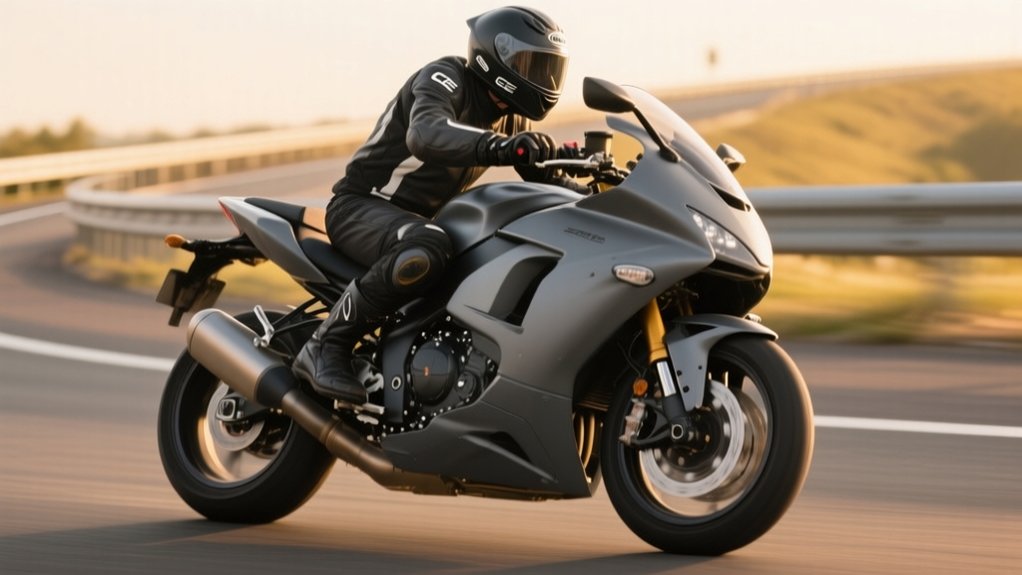
Avoid high-powered sport bikes if you want lower risk. Their power-to-weight ratio can work against control.
High-visibility gear and lighting help others see you sooner.
Match the Bike to Your Experience
You’ll want to match the bike to your skill level, because the safest choice is the one you can control confidently.
If you’re just starting out, begin with a beginner-friendly model—usually a smaller bike with modest power and an upright, comfortable riding position.
Then, take the time to test-sit and test-ride a few options.
That way, you can make sure you can reach the controls easily, plant at least one foot flat, and ride without feeling stretched or overextended.
Skill Level Match
Matching the bike to your experience level is one of the fastest ways to improve safety.
You need to match your skill level to the machine, not your ego.
If your riding experience is limited, stay in the 250–500 cc range.
Avoid supersports that can overwhelm you with sudden acceleration.
Choose lighter bikes for easier low-speed control.
Pick a seat height that lets both feet reach the ground.
Favor smooth power delivery over raw horsepower.
A standard or cruiser usually gives you a calmer throttle response.
It also has a lower power-to-weight ratio.
Take an accredited rider course.
Test beginner loaner bikes before you buy.
If you want more performance later, build 12–24 months of solid control, braking, and handling first.
Beginner-Friendly Bike Choices
Once you’ve matched the bike to your skill level, narrow your search to machines that make learning easier and mistakes less costly.
For Motorcycle safety, a lower-power, lower-seat-height bike is usually the safest type for you to start on.
Many beginners do well on 250–500 cc models because they’re easier to control.
They’re also less likely to overwhelm you at speed.
Choose small cruisers or standard/naked bikes.
They’re usually more forgiving than supersport machines.
Supersport bikes carry far higher risk.
Look for ABS and traction control.
ABS bikes have a lower fatal crash rate.
Enroll in a certified rider course, then practice low-speed skills on your own bike.
Sit on several options and confirm easy control reach and solid footing before you buy.
Test Ride For Fit
Test riding is where paper specs give way to real fit. Sit fully on the bike and make sure you can flat-foot at least one foot, ideally both, when stopped.
If the seat height is too tall, low-speed tip-overs become more likely. During the ride, check that the bars, levers, and foot controls sit naturally.
Make sure you don’t stretch or lose balance. Start with a low-power 300–500 cc standard or cruiser since it matches your skill level and won’t hide fit problems with quick acceleration.
Test several styles for 10–15 minutes each on mixed roads. Use that time to judge posture, weight, and comfort.
Bring your usual gear, and a passenger if you’ll ride two-up. Try these types: Standard, cruiser, sport, dual-sport.
Look for relaxed posture over time. Choose a fit that works with your body.
Choose a Motorcycle That Fits Your Body
Choose a motorcycle that lets you sit balanced and in control. Both feet should touch the ground flat, or at least the balls of your feet while you’re seated.
A lower seat height improves balance, parking-lot maneuvers, and low-speed confidence. When you sit on the bike, check that you can reach the handlebars, throttle, front and rear brakes, and the gear shift without stretching.
Make sure the seat-to-footpeg distance leaves your knees comfortably bent. You shouldn’t feel cramped or overextended.
Your weight and riding gear matter too. Suspension sag can change the fit, so keep that in mind.
Test several motorcycles, because ergonomics vary widely. A standard or small cruiser often suits shorter riders better than a bike with aggressive geometry.
Best Motorcycle Styles for Beginners
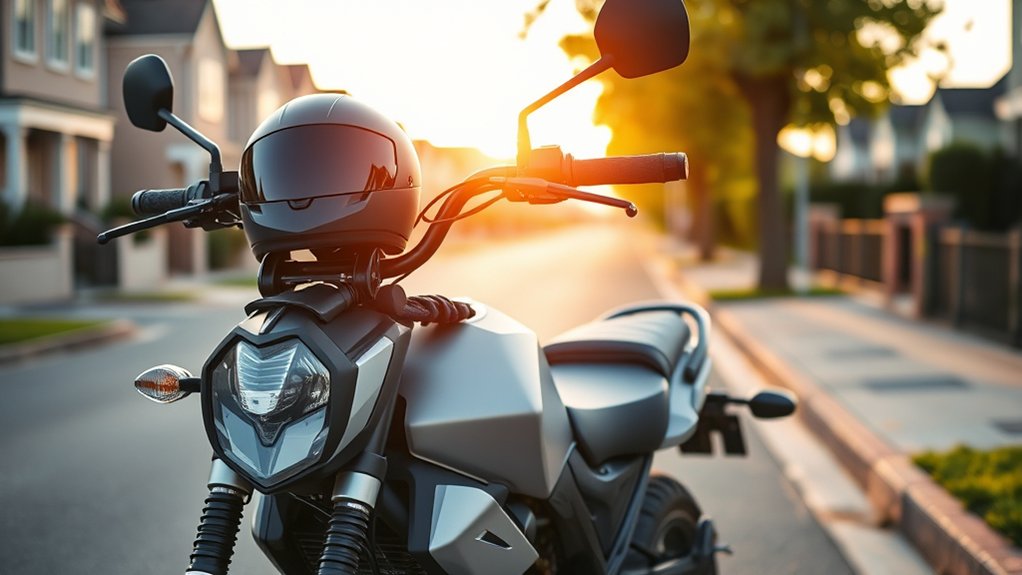
For most new riders, cruisers and standard bikes are the safest styles to start with. Their low seat heights and relaxed ergonomics make it easier to balance, steer, and stop with confidence.
Choose cruisers or naked standards with moderate power, usually 300 to 500 cc. That way, the bike won’t overwhelm you while you learn throttle control.
Test-ride several options and pick the one you can flat-foot. Also make sure you can reach the controls naturally without straining.
Low seat height improves low-speed stability. Balanced power helps you learn throttle control.
An upright posture reduces fatigue on longer rides.
If you want mixed-use versatility, consider small-displacement touring or dual-sport models. Prioritize beginner-friendly designs with ABS, since it can reduce crash risk.
Avoid supersport machines. They demand more skill and have far higher fatality rates.
Must-Have Safety Features
When you choose a safer motorcycle, it’s a good idea to prioritize braking and stability systems like ABS, traction control, and cornering ABS. These features help you stop more effectively and stay upright when road conditions change quickly.
You should also look for rider modes and other electronic aids that make power delivery easier to manage—especially if you’re riding in rain, on gravel, or through busy traffic.
And don’t forget visibility. Choose bright LED or adaptive lighting, and wear reflective gear so other road users can see you sooner.
Braking And Stability Systems
Braking and stability systems are some of the most important safety features on a motorcycle. They help you keep control when a ride gets unpredictable.
Anti-lock Braking Systems (ABS) reduce wheel lock-up during hard braking. They cut the risk of fatal crashes and help you steer instead of slide.
Traction control limits rear-wheel slip, especially on wet or loose pavement. That way, you stay planted when power comes on.
Combined or linked braking balances front and rear force for shorter, calmer stops. It also keeps deceleration smooth.
Cornering ABS and IMUs adjust braking while you lean. This improves your turn control when conditions change.
Rear-lift prevention and quick-shifter integration help you stay steady during aggressive braking and downshifts. They make downshifts feel more controlled too.
If you want the safest motorcycle, prioritize systems that keep braking predictable, stable, and controllable in real-world emergencies.
Visibility And Lighting Features
Even the best brakes and stability systems can’t help much if other drivers don’t see you in time.
So visibility has to be part of a safe motorcycle setup.
On a motorcycle, choose LED headlights and taillights. They shine brighter, last longer, and reduce failure risk.
Adaptive headlights help you see into a turn as the bike leans.
That improves safety on twisty roads.
Add daytime running lights or auxiliary fog lamps to stand out in traffic and bad weather.
Use brake light flashers or an emergency stop signal so drivers behind notice hard braking faster.
Finish the package with high-visibility gear, retroreflective strips, and reflective tape on your helmet or luggage.
These details make you easier to detect at dusk and after dark.
Why ABS and Traction Control Matter
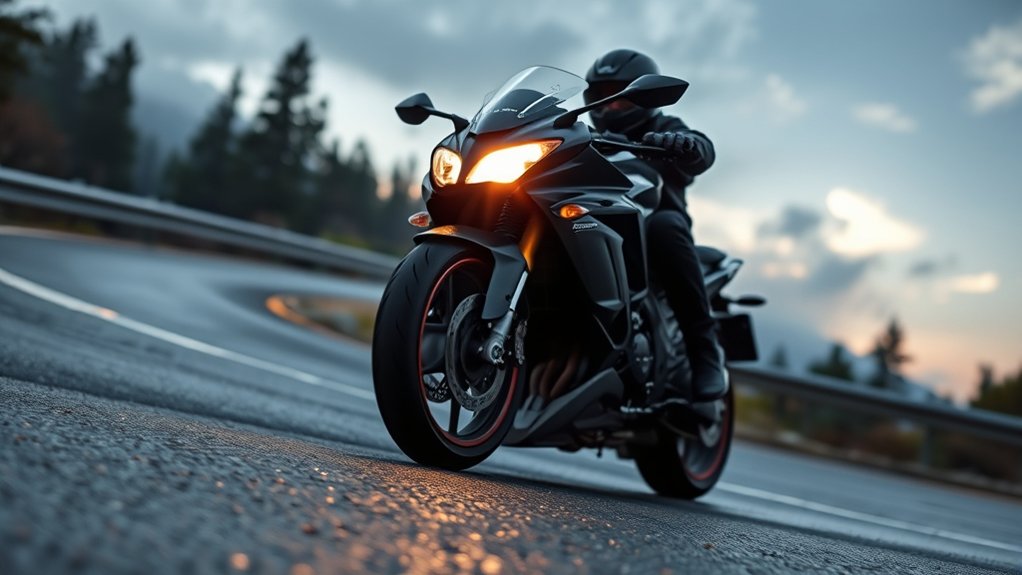
ABS and traction control matter because they stop the two most dangerous loss-of-control events on a motorcycle: wheel lockup and rear-wheel spin. These safety features give you more control when braking hard or opening the throttle on slick pavement. They can cut fatal crash risk by about 22% with Anti-lock Braking Systems (ABS).
ABS and traction control reduce wheel lockup and spin, helping keep you in control on slick pavement.
- ABS prevents wheel lockup under heavy braking.
- Traction control limits rear-wheel slip and helps avoid highsides and lowsides.
- Together, they stabilize you during emergency braking while cornering.
If your bike offers ride modes, use them to match rain, road, or sport conditions. If you ride an older model, a factory-equipped bike or retrofit kit is often a smart, cost-effective upgrade. For inexperienced riders, these systems matter even more.
How Visibility Reduces Crash Risk
Visibility cuts crash risk by making it easier for other road users to see you.
It also helps them judge your speed and predict your next move.
Choose motorcycles with LED headlights, daytime running lights, and adaptive or cornering lights.
These features help you stand out in low light and on bends.
Wear high-visibility clothing or a fluorescent vest so drivers spot you sooner.
That’s much better than riding in dark gear.
Ride slightly left or right of lane center when it helps your sightlines.
Also avoid sitting in blind spots, since clearer views reduce rear-end and side-swipe hits.
Keep a steady, legal pace, and signal clearly.
Don’t weave, because consistent communication makes you more readable.
When your brake lights, turn signals, and body position all match, you’re less likely to be struck.
Make sure your signals and movements tell the same story.
Check Reviews and Safety Ratings
You should start by checking credible safety ratings from places like IIHS, Consumer Reports, and trusted motorcycle magazines, since they review things like braking performance, stability, and rider aids.
Then, look up the NHTSA recall history and owner reports for the exact model year you’re considering—especially to spot any recurring defects or safety concerns.
Finally, compare what you find with the bike’s standard safety features, so you can pick a model that offers proven protection and avoids more hidden risks.
Credible Safety Ratings
When you’re checking a motorcycle’s safety, don’t rely on marketing claims alone. Instead, look for independent ratings and detailed test reports from sources like IIHS and Euro NCAP where available. Respected publications such as Consumer Reports or MCN can also help.
You’ll get the safest picture when you compare credible safety ratings that measure braking, stability, and crash-avoidance systems. Skip glossy ads and focus on what the tests actually show.
Prioritize models with ABS and traction control. Safety reviews indicate ABS bikes have about a 22% lower fatal crash rate.
Next, read results from independent braking-distance tests. Also check emergency-handling and stability reports.
Then compare class-based crash data with rider-use context. Look at real-world class trends too.
Supersport bikes often show higher fatality rates than cruisers. So your decision should reflect both performance and risk.
Recall And Reliability Checks
Before you buy, check the manufacturer’s recall database. Confirm that every recall has been resolved, since unresolved defects can raise the risk of brake, engine, or control failures.
Next, review reliability and safety ratings from IIHS, Consumer Reports, and trusted motorcycle magazines. If the bike has ABS, that’s a plus; studies show it cuts fatal crash rates by about 22% versus bikes without it.
Then search service bulletins and owner forums for repeated complaints like stalling, brake fade, or suspension faults. Note how often they appear.
Finally, inspect the service history or run a VIN check to verify completed recalls and routine maintenance. A model with low defect rates, solid dealer support, and consistent owner mileage usually offers stronger reliability and fewer unexpected failures.
Test Ride Before You Buy
Always test-ride several motorcycle styles: cruiser, standard, sport, dual-sport, and touring.
Confirm the seat height, handlebar reach, and whether you can plant at least one foot flat.
When you test ride before you buy, judge the riding position for control, not just comfort.
Reach the brakes, clutch, and shift lever without stretching.
Feel whether the bike’s weight stays manageable at slow speeds and in tight turns.
Test braking in a safe area and note ABS, combined brakes, and traction-control behavior.
Ride 15–30 minutes in parking lots, in traffic, and on a brief higher-speed stretch.
This shows wind protection, comfort, and stability under real stress.
If you’re new, compare smaller-displacement or beginner-friendly bikes first.
This way you don’t commit to a machine that feels too powerful or unforgiving.
How to Choose the Safest Bike for You
To choose the safest bike for you, start with your experience level. Pick a machine you can control with confidence. If you’re a beginner, a lower-power 300–500 cc standard or cruiser is usually a better fit than a high-performance sportbike, which tends to carry much higher crash and fatality risk.
Next, match the type of motorcycle to your use. Touring is best for long rides. Cruisers offer low-seat stability. Dual-sports handle mixed surfaces.
Prioritize safety features like ABS, traction control, stability aids, and LED or adaptive lighting. ABS alone cuts fatal crash risk by about 22%.
Then test ride several models. Make sure you can reach the brakes, clutch, and controls. Plant both feet flat.
Finally, check reliability, recalls, and training. Skill still matters after an Experienced Motorcycle Accident.
Frequently Asked Questions
How Often Should Motorcycle Safety Equipment Be Replaced?
Replace your motorcycle safety gear on a schedule, and sooner if it’s damaged.
You should replace helmets every 5–7 years, or right after a crash or visible damage.
Check armored jackets and pants yearly.
Gloves should be replaced every 1–3 years, and boots annually.
Swap faded visibility gear after 1–2 years.
Replace lights whenever brightness drops.
Inspect stitching, fit, and protection regularly.
That way, your gear keeps working when you need it.
Does Tire Pressure Affect Motorcycle Safety?
Yes—tire pressure affects your motorcycle safety. You should check it cold with a calibrated gauge.
Then keep it at the manufacturer’s recommended psi.
Too little pressure cuts wet traction, braking stability, and cornering grip.
Too much reduces the contact patch and can cause skids.
Don’t kick the can down the road.
Adjust pressure for load and passengers, too.
Proper pressure also helps your tires wear evenly and predictably.
Can Passenger Riding Change a Motorcycle’s Safety?
Yes—when you carry a passenger, you change your bike’s safety profile.
You add weight, lengthen stopping distances, and alter balance and steering.
Check the owner’s manual for passenger limits, then adjust tire pressure and suspension.
Ride smoother, especially at low speeds.
Your passenger should know how to mount, brace, and stay still.
Touring bikes with ABS and traction control usually handle two-up riding better.
Are Electric Motorcycles Safer Than Gas Motorcycles?
Yes, electric motorcycles can be safer than gas bikes, but they’re not automatically safer.
You’ll often get a lower center of gravity, no fuel spills, and strong safety tech like ABS and traction control.
Still, instant torque can catch you off guard. And range limits can leave you stranded.
If you ride smoothly, choose a well-equipped model, and plan charging stops, you can improve your safety.
How Does Road Surface Impact Motorcycle Accident Risk?
Road surface can sharply raise your crash risk because it changes traction, braking, and steering.
You’ll lose grip on wet, oily, sandy, or gravelly pavement, and potholes can upset your bike’s balance.
Painted lines, manhole covers, and metal plates get slick when wet.
When surfaces change suddenly, slow down, widen your following distance, and make smooth inputs to stay in control.
That can reduce the chance of a low-side slide.
Conclusion
The safest motorcycle is the one that fits your skill, body, and riding needs.
When you choose a bike with good visibility, stable handling, and strong safety features, you’re choosing control over risk.
Think of it as picking a steady shield, not a machine that promises invincibility.
Test ride before you buy, trust the ratings, and choose the bike that helps you ride with confidence, not fear.