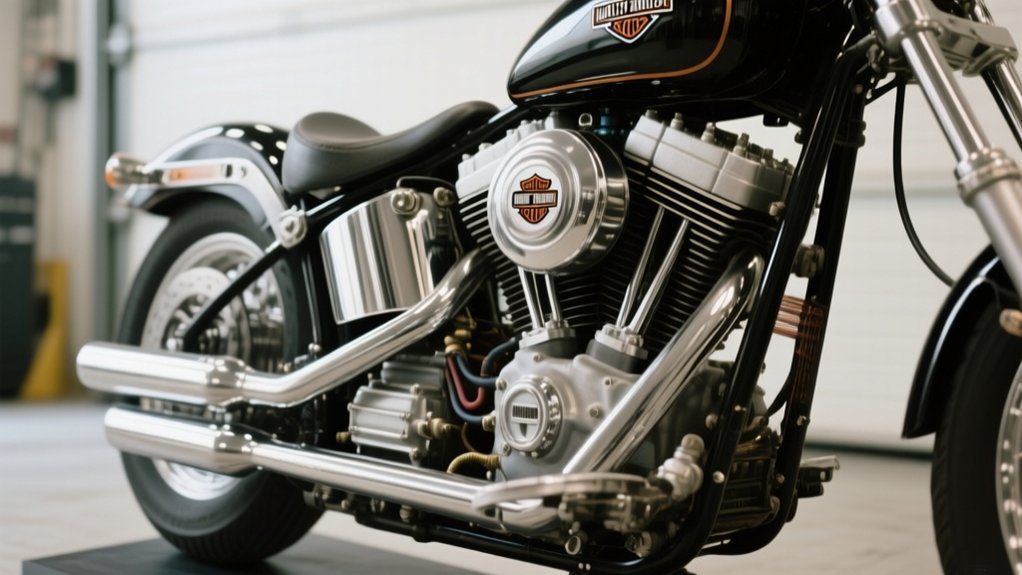
When Did Harley Start Fuel Injection – A Quick History
Harley-Davidson began introducing fuel injection in 1995 as an option on the Electra Glide Ultra Classic. Then, they fully embraced it with Twin Cam engines in 1998.
They gradually replaced carburetors over nearly a decade, making EFI standard on all Big Twin models by 2007. This change improved cold starts, throttle response, and emissions to meet stricter regulations.
While the shift faced resistance and challenges, it marked a key evolution in Harley’s performance and efficiency. There’s actually a lot more to uncover about this journey.
When and Why Did Harley-Davidson Introduce EFI?
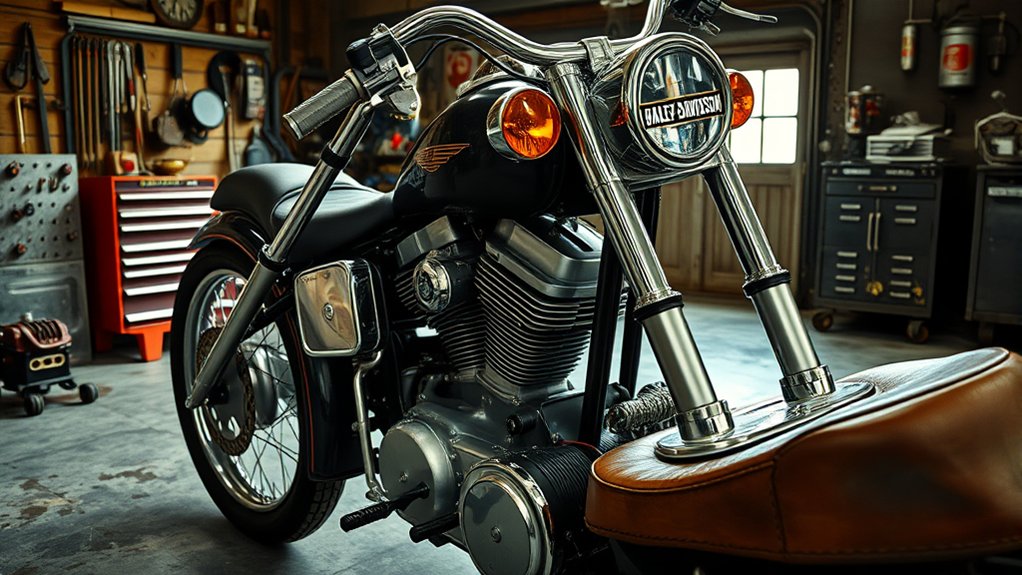
Although Harley-Davidson is known for its classic motorcycle designs, the company introduced electronic fuel injection (EFI) with the Twin Cam engines in 1998. They did this to meet stricter emissions regulations and to enhance engine performance.
You’ll notice this fuel injection system replaced traditional carburetors, marking a major technological upgrade. The shift was gradual; by 2007, EFI became standard on all Big Twin models.
Harley adopted EFI to improve cold starts, adjust for altitude changes, and provide smoother throttle response. This change aligned with a broader industry trend toward electronic fuel systems in the late 1990s and early 2000s.
How EFI Improved Harley’s Performance and Emissions
Since Harley-Davidson switched to electronic fuel injection (EFI), you’ve experienced engines that precisely meter fuel for cleaner emissions and better performance. EFI’s electronic control optimizes fuel delivery, enhancing combustion efficiency and boosting engine performance under varying conditions.
Harley-Davidson’s EFI ensures precise fuel metering for cleaner emissions and enhanced engine performance.
This means smoother throttle response and consistent power, even at different altitudes and temperatures.
As Harley-Davidson adopted EFI, they notably reduced exhaust emissions, meeting stricter EPA and European Union environmental regulations.
You’ve also benefited from improved fuel economy, as EFI dynamically adjusts fuel flow based on real-time sensor data.
How EFI Gradually Replaced Carburetors on Harley Models
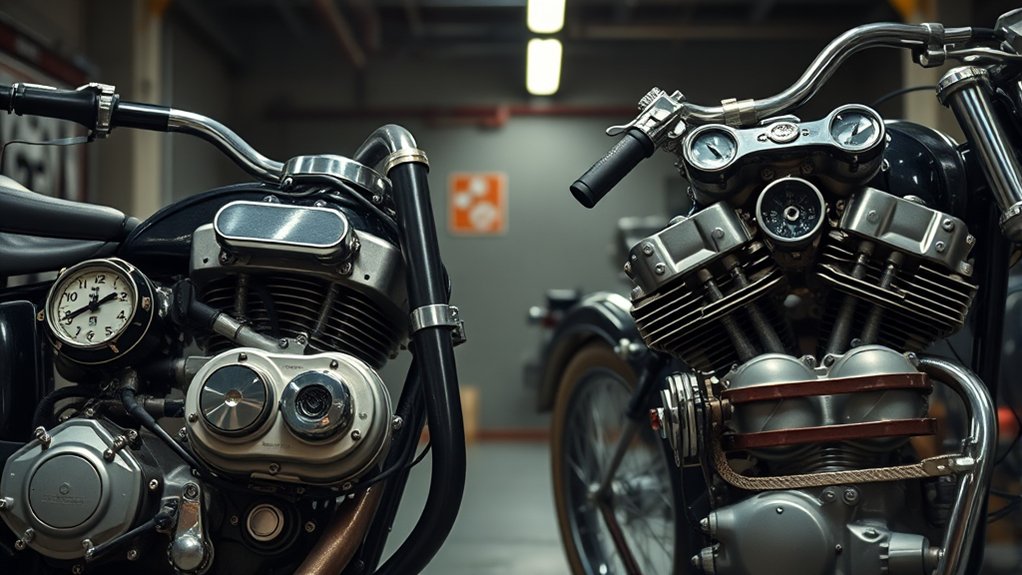
How did Harley-Davidson shift from carburetors to electronic fuel injection (EFI) across its models? The journey began in 1995 when Harley first offered EFI as an optional feature on the Electra Glide Ultra Classic. This cautious introduction allowed you to experience EFI benefits while still having carburetors available.
By 2001, Harley expanded EFI to the Softail lineup, signaling a broader embrace of fuel injection. Over the next several years, Harley-Davidson refined EFI technology carefully, balancing modern performance with traditional appeal.
Finally, by 2007, EFI became standard on all Big Twin engines, fully replacing carburetors. This gradual transition, spanning over a decade, ensured Harley’s motorcycles benefited from EFI’s precision and reliability while respecting the legacy of carburetors among enthusiasts.
What Challenges Slowed Harley’s EFI Adoption?
While Harley-Davidson recognized the advantages of electronic fuel injection (EFI) early on, several challenges slowed its widespread adoption. Initially, the high cost and complexity of EFI systems compared to traditional carburetors made Harley cautious. Enthusiasts’ strong attachment to the mechanical tuning and character of carbureted engines created resistance to change, which contributed to the slow adoption.
Throughout the 1990s, Harley gradually developed and refined EFI technology. They focused on ensuring reliability while preserving brand loyalty.
However, tightening emissions regulations during the late 1990s and early 2000s forced Harley to accelerate EFI implementation despite these hurdles.
This careful, phased approach balanced innovation with rider expectations. In the end, Harley overcame early challenges tied to cost, complexity, and regulatory pressures before EFI became standard on their models.
Why Do Some Harley Riders Still Prefer Carburetors Over EFI?
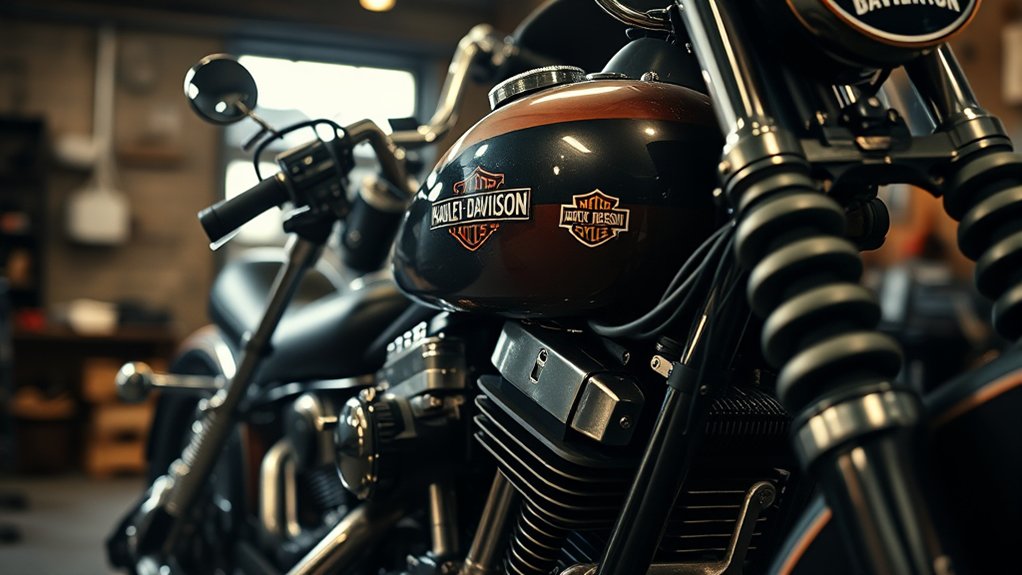
Even as electronic fuel injection (EFI) offers modern advantages like improved efficiency and emissions control, many Harley riders still choose carburetors for the hands-on tuning experience they provide.
You’ll find that carburetors allow for precise, personalized adjustments, letting you fine-tune engine sound and performance in ways EFI can’t match. This manual process feels traditional and connects you directly to your bike’s mechanical nature.
For many, working with carburetors is a rite of passage that deepens your bond with the motorcycle. You also benefit from easier customization, tweaking fuel delivery without relying on electronics.
Though EFI dominates modern bikes, a strong segment of riders prefers carburetors for their simplicity, authenticity, and nostalgic appeal. It’s this passion that keeps the traditional technology alive in the Harley community.
Frequently asked questions
Which Harley Models First Featured EFI as Standard?
You’ll find EFI first became standard on the 2007 Harley-Davidson Twin Cam 88 engines, especially in touring and cruiser models.
Before that, the 2001 Softail lineup offered factory-installed EFI, but it wasn’t standard across the board.
By 2007, all Big Twin models switched to EFI, fully replacing carburetors.
If you look at 2006 CVO models, those were among the last with carbureted engines before EFI took over.
How Does EFI Affect Harley-Davidson Motorcycle Maintenance Costs?
EFI generally lowers your Harley maintenance costs by reducing how often you need to tune or rebuild components.
While replacing sensors or the ECU can be pricier than carburetor repairs, you’ll spend less time cleaning injectors and adjusting jets.
You might need specialized diagnostic tools, which adds cost, but overall, EFI provides more reliable, self-adjusting fuel delivery.
This cuts down on ongoing upkeep and unexpected repairs over time.
Are EFI Systems Compatible With Aftermarket Harley Upgrades?
Think of your EFI system as the brain of your Harley. It generally works well with factory parts but can get finicky with aftermarket upgrades. You’ll often need to tune or remap the ECU when adding performance exhausts or air intakes.
Compatibility really depends on your bike’s year and ECU type. Plug-and-play modules can help, but you should always double-check that any upgrades match your existing EFI.
That way, you’ll keep your ride running smoothly.
What Are the Common EFI Troubleshooting Issues for Harley Bikes?
You’ll often face EFI troubles like sensor failures. MAP, TPS, or O2 sensors can cause rough running. It’s a good idea to start by checking those.
Next, check wiring harnesses for corrosion or damage. They frequently lead to intermittent issues, which can be tricky to track down.
Then, inspect fuel injectors for dirt or faults. These problems often cause misfires or rough idling.
Don’t overlook the ECU either. Software glitches or failed modules can disrupt fuel metering and cause performance issues.
Finally, watch out for vacuum leaks or intake cracks. They let unmetered air in, which throws off idle and drivability.
Does EFI Impact Harley-Davidson Motorcycle Resale Value?
You’ll notice EFI acts like a fresh breeze, enhancing your Harley’s appeal. Since EFI became standard around 2007, it’s improved cold starts and fuel efficiency, making your bike more reliable.
This modern upgrade often boosts resale value, attracting buyers who appreciate advanced fuel management and compliance with emissions.
Older carbureted models, by contrast, usually face lower demand due to maintenance challenges. So EFI really helps your Harley hold its worth over time.
It’s a win-win for sellers and buyers looking for a smoother ride and less hassle.
Final Thought
You’ve seen how Harley-Davidson introduced fuel injection in the late 1990s to boost performance and meet stricter emissions standards. Over time, EFI steadily replaced carburetors across models, despite early challenges like cost and rider resistance.
But why do some riders still cling to carburetors? It’s about tradition, simplicity, and personal preference.
Understanding this evolution helps you appreciate the balance between innovation and heritage in Harley’s ride.