Why Are Harley Davidsons So Loud – What’s Behind It
You notice a Harley Davidson before seeing it because its unique engine fires pistons irregularly, creating that signature “pop-pop” sound. This uneven firing, combined with its 45-degree V-twin design, produces loud, rhythmic growls that mufflers can’t fully silence.
Harley’s roar isn’t just noise. It’s a bold statement tied to rider identity and brand culture.
Curious about what makes that rumble so iconic and how modifications affect it? There’s a lot more behind Harley’s unforgettable sound.
What Makes the Harley Davidson Sound So Distinctive
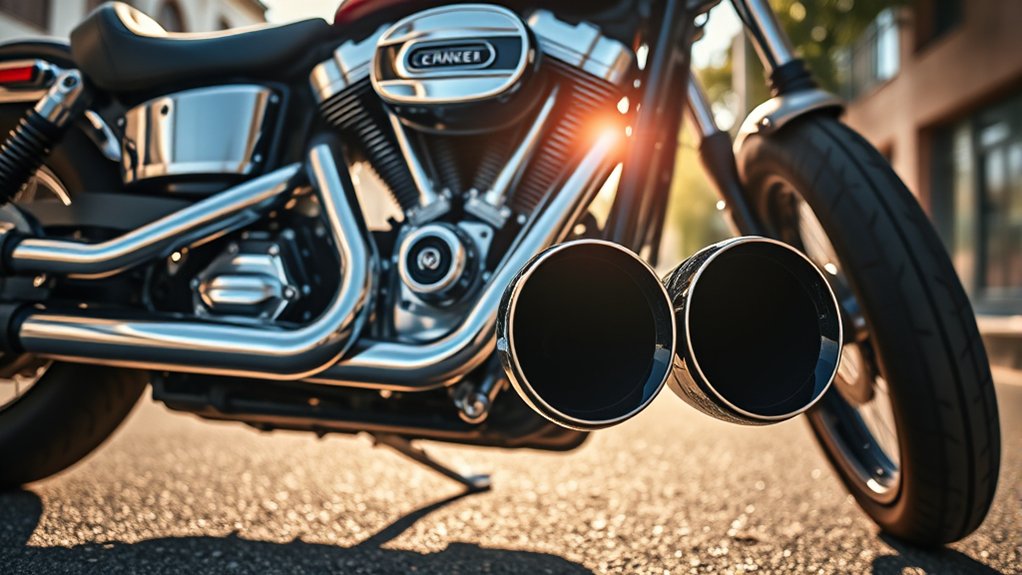
Although many motorcycles have powerful engines, Harley Davidson’s distinctive sound stands out because of its unique firing pattern. You’ll notice that Harley Davidson motorcycles produce a characteristic “pop-pop” sound at idle, which comes from the irregular engine firing pattern of their two-cylinder engines.
Unlike engines firing evenly, Harley’s pistons fire at angles like 360°, 315°, or 405°, creating uneven intervals between combustion events. This irregular timing generates a rhythmic sequence of pops and pauses, which shapes the iconic motorcycle sound you instantly recognize.
Importantly, this signature noise isn’t just about exhaust design; it’s embedded in the engine’s internal timing and mechanics. So when you hear that unmistakable Harley Davidson rumble, you’re really listening to a unique engine firing pattern that defines its identity.
What Makes a Harley’s Engine Sound So Unique
You’ll notice a Harley’s engine doesn’t fire evenly like most motorcycles. That’s because of its V-twin design with a single crankshaft pin.
This irregular firing pattern is what creates that unmistakable “pop-pop” sound you hear roaring down the street. It’s this unique rhythm that really sets Harley’s exhaust tone apart from the rest.
Distinctive Firing Pattern
Because Harley Davidson engines fire their pistons at uneven intervals, specifically at 360°, 315°, and 405°, you get that unmistakable “pop-pop” rhythm that sets them apart.
This irregular firing pattern happens because two pistons share a single crankshaft pin and fire on alternate revolutions.
Unlike engines with evenly spaced intervals, this uneven sequence creates distinct pauses between each “pop.” That’s what gives a Harley-Davidson motorcycle its signature sound.
If you’re setting up a new account to research or buy one, understanding this firing pattern helps you appreciate why Harley’s noise is so unique.
It’s not just loud; it’s the mechanical heartbeat defined by precise timing. That makes every Harley unmistakable on the road.
V-Twin Engine Design
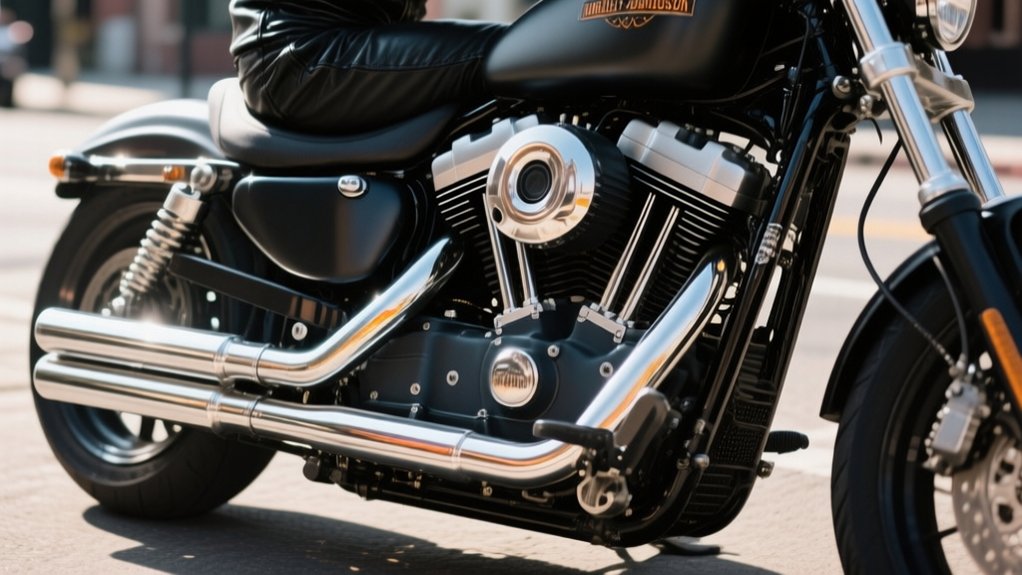
When you listen closely to a Harley Davidson, its V-twin engine design plays a crucial role in creating that unmistakable roar. The engine’s two cylinders sit at a 45-degree angle, a layout that shapes its unique sound profile.
Unlike conventional engines, Harley’s V-twin uses a single crankpin, causing uneven firing intervals. This irregular timing, with pistons firing at angles like 360°, 315°, and 405°, produces a distinctive rhythmic growl.
Each cylinder fires alternately on every crankshaft revolution, but the uneven gap between firings creates a sound you can immediately recognize.
This internal timing and firing sequence aren’t just mechanical quirks. They define the Harley experience, making its engine sound unlike any other motorcycle on the road. It’s pretty amazing how much character comes from the way those cylinders fire.
Pop-Pop Exhaust Sound
The unique firing pattern of Harley’s V-twin engine doesn’t just shape its mechanical rhythm. It creates that unmistakable “pop-pop” sound you hear when the bike idles. This signature noise comes from the engine’s uneven firing intervals caused by its design.
Here’s what makes it stand out:
- Two pistons share a single crankshaft pin, firing at irregular angles of 360°, 315°, and 405°.
- These uneven intervals create a rhythmic, irregular popping sound rather than a smooth hum.
- The V-twin configuration and internal timing, not just exhaust modifications, produce this effect.
- Even with mufflers, the internal combustion cycle guarantees the “pop-pop” remains distinct.
Understanding this helps you appreciate why a Harley’s sound is truly one of a kind.
Why Harley’s Loudness Is Part of Its Brand Identity
You’ve probably noticed that a Harley’s roar is hard to miss. That loud, signature sound? It’s no accident. It’s actually a key part of Harley’s branding.
This noise makes the bike instantly recognizable and really reinforces its rebellious image.
Plus, that powerful sound connects riders to a sense of freedom and individuality.
And that feeling? It’s central to the whole Harley experience.
Signature Engine Sound
Although many motorcycles produce noise, Harley Davidsons stand out because of their distinctive engine sound, which you’ll recognize instantly. This signature roar comes from a unique engine firing pattern and internal design that sets Harley apart.
You can attribute this sound to uneven piston firing intervals (360°, 315°, 405°), creating a “pop-pop” rhythm. It also comes from the V-twin engine layout combined with a single crankshaft pin.
Plus, there’s an intentionally loud, throaty engine noise designed to be unmistakable.
This sound is more than just noise—it’s an auditory trademark that deepens Harley’s cultural and emotional appeal. When you hear a Harley, you’re not just hearing an engine, you’re experiencing a carefully engineered sound that embodies the brand’s rebellious spirit and identity.
This distinct tone makes Harley Davidsons instantly recognizable, ensuring the bike’s presence is felt even before you see it.
Loudness As Branding
How does Harley Davidson make sure you recognize their bikes before you even see them? The answer lies in their loud engine sound, a deliberate part of their branding. That roar isn’t just noise. It’s an auditory signature that instantly tells you a Harley is nearby.
This loudness boosts the rider’s presence on the road and reinforces the rebellious and iconic image Harley cultivates. By emphasizing sound as a key brand element, Harley creates a memorable experience that sticks in your mind. It makes their motorcycles stand out in any crowd.
This strategic choice aligns perfectly with their bold, independent identity. Turning loudness into a powerful marketing tool strengthens Harley Davidson’s cultural and social impact. It’s a smart way to make sure their brand is heard as well as seen.
How Exhaust Mods Affect Harley Loudness

Why do so many Harley Davidson riders opt to modify their exhaust systems? It’s because exhaust mods dramatically impact the bike’s loudness and performance.
When you tweak your Harley’s exhaust, you’re not just turning up the volume. You’re shaping its personality and power.
Here’s how exhaust modifications affect your Harley’s loudness:
Removing baffles or installing straight pipes sharply increases sound levels. Many riders replace stock exhausts right after purchase to boost both noise and style.
Aftermarket exhausts can add around 15 horsepower, enhancing performance alongside volume.
Options range from moderately louder to extremely loud, influencing how your bike sounds in neighborhoods.
How Rider Preferences Shape Harley Loudness and Sound
When you choose to ride a Harley Davidson, you’re also embracing a culture that values loud, distinctive sound as a key part of its identity. Your preference for volume and tone shapes how your bike sounds, often reflecting personal style and a spirit of rebellion.
Many riders swap stock mufflers for aftermarket pipes or remove baffles to boost loudness, making their presence known both visually and audibly.
Swapping mufflers or removing baffles amps up volume, letting riders announce their presence loud and proud.
You might also appreciate the unique “pop-pop” engine sound, which comes from Harley’s firing pattern and design.
Whether you want your Harley to roar aggressively or resonate with that classic rumble, your choice expresses individuality and freedom. Sound becomes a powerful extension of who you’re as a rider.
What Loud Harleys Say About Rider Identity
Although the roar of a loud Harley Davidson might seem simply about noise, it actually speaks volumes about the rider’s identity. When you hear that distinctive rumble, you’re tapping into a culture rooted in boldness and individuality.
Riders often crank up their exhausts to send a clear message about who they are and what they stand for.
For you, a loud Harley means embracing rebellion and non-conformity. It’s about showcasing personality through intentional modifications.
It also signals loyalty to Harley’s values of freedom and defiance.
Plus, it projects confidence, power, and a commanding presence. This noise isn’t just sound—it’s an auditory badge of honor.
When you ride a loud Harley, you’re joining a community where toughness and pride resonate in every rev.
Safety and Noise Misunderstandings in Harley Culture
How much does loudness really boost Harley rider safety? Many riders believe louder engines alert others better, but this is more myth than fact. Harley’s signature roar is primarily about brand identity, not safety.
Overemphasizing noise can lead to community pushback and legal issues, overshadowing any supposed safety benefits.
| Common Belief | Reality |
|---|---|
| Loudness increases safety | Noise pollution irritates communities |
| Loud bikes prevent accidents | No conclusive evidence supports this |
| Engine noise is a warning | Visual cues often work better |
| Modifying for loudness is harmless | Could violate regulations |
| Loudness ensures recognition | Harley sound is a cultural icon |
You should consider these misunderstandings carefully before assuming louder means safer on your Harley.
Legal and Community Concerns About Loud Harley Bikes
Beyond the myths about safety, the loudness of Harley Davidsons raises significant legal and community issues. You mightn’t realize that many regions lack strict noise regulations, letting these bikes roar unchecked. However, the noise often sparks public complaints and regulatory actions.
Harley owners frequently modify mufflers or remove baffles, pushing noise levels even higher.
Communities respond with noise ordinances, especially in residential areas, aiming to reduce disruption.
Key concerns include disturbance to residents and local businesses, safety risks from distracted or startled pedestrians, environmental impact of excessive noise pollution, and legal efforts to enforce quieter exhaust standards.
Understanding these issues helps you see why loud Harleys draw both admiration and controversy beyond the ride itself.
How Harley’s Loud Sound Fits Into Motorcycle Culture
When you hear the unmistakable roar of a Harley Davidson, you’re experiencing more than just noise. You’re tapping into a powerful symbol of motorcycle culture. That loud sound isn’t accidental; it’s a deliberate statement of rebellion and freedom. It sets Harley riders apart, making their presence known on the road.
You’ll find that many enthusiasts cherish this distinctive engine noise because it amps up the thrill of riding and builds a unique sense of community among owners.
Beyond just aesthetics, the roar acts as an auditory signal that embodies Harley’s bold attitude.
Online, people celebrate this sound as a cultural icon, which just shows how deeply rooted it’s in the culture. So, when you ride or hear a Harley, you’re engaging with a legacy that’s as much about identity as it’s about performance.
Frequently asked questions
How Does Harley’s Loud Sound Impact Fuel Efficiency?
Harley’s loud sound doesn’t directly impact your fuel efficiency much. The noise mainly comes from engine design and exhaust patterns, not fuel use.
However, if you’re tempted to rev the engine louder or remove mufflers, you might burn more fuel by running at higher RPMs.
Some aftermarket exhausts can slightly improve airflow, but any fuel gains are minimal.
Are Electric Harley Models Quieter Than Traditional Ones?
Absolutely, electric Harleys are considerably quieter than traditional ones. Since they lack loud combustion engines and exhausts, you’ll notice a near-silent, smooth ride.
They sometimes use subtle synthetic sounds, but nothing like the roaring rumble you’re used to.
If you crave calm cruising without compromising style, electric models offer a stealthy street experience. They align with modern moves toward noise reduction and environmental awareness.
You’ll definitely appreciate the difference.
What Maintenance Challenges Come With Louder Exhaust Systems?
With louder exhaust systems, you’ll face more frequent muffler and pipe maintenance due to increased wear and corrosion. You’ll need regular engine inspections, as high-performance setups can stress your engine more.
Expect to fix exhaust leaks or rattles to keep things sealed properly.
Plus, tuning fuel mixture and timing becomes trickier, adding complexity. Overall, louder systems demand more attention and can drive up your servicing costs. It’s definitely something to keep in mind if you’re thinking about upgrading.
Do Louder Harleys Have Higher Resale Values?
If you think louder Harleys sell like hotcakes, you’re onto something. Enthusiasts often crave that bold roar as a badge of uniqueness.
You’ll find that a well-maintained, loud exhaust can boost resale value because it signals customization and performance.
But don’t assume louder always means better. Some buyers see excessive noise as a dealbreaker or legal risk.
How Do Harley Dealerships Handle Complaints About Noise?
When you bring noise complaints to Harley dealerships, they usually ask you to revert to stock mufflers or quieter, factory-approved exhausts. They won’t cover warranties if your bike’s heavily modified beyond legal noise limits.
You’ll find many dealers actively work with local authorities to make sure compliance with noise ordinances. Their goal is to balance your riding enjoyment with community peace.
They encourage you to keep noise levels within legal boundaries.
Final Thought
When you hear a Harley roar, it’s more than just noise. It’s the call of the wild, echoing the spirit of rebellion like a modern-day troubadour. That unmistakable growl reflects a legacy crafted by design, culture, and rider identity.
While some see it as a challenge to the quiet, for you, it’s a badge of belonging and freedom. Understanding this sound means hearing the heartbeat of motorcycle culture itself.