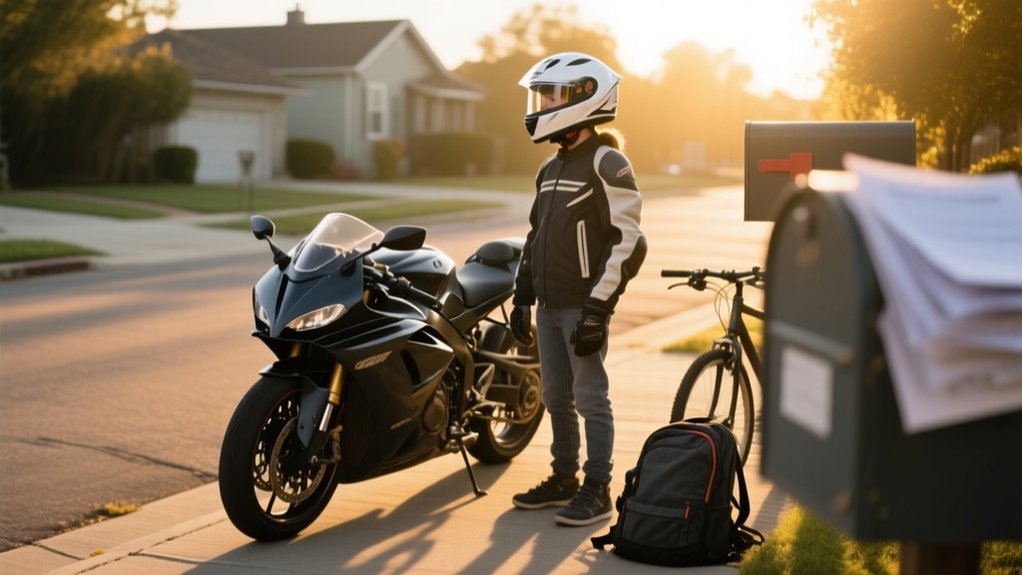
How Much Is Motorcycle Insurance For A Teenager – Guide
Teen motorcycle insurance usually costs more than adult coverage. You’ll often pay anywhere from a few hundred dollars a month to much less on a small 300cc bike.
If you’re 16 to 20, insurers treat you as a higher-risk rider. Age, bike type, mileage, and your record can push rates up fast.
A new Harley or sportbike can raise premiums even more. The right coverage and discounts can still help.
Here’s what to know next.
How Much a 20-Year-Old Pays for Motorcycle Insurance

If you’re 20 years old, you’ll usually pay a lot more for motorcycle insurance than an older rider with the same bike and driving history. Expect motorcycle insurance rates to run about $150 to $300+ per month for Full Coverage on mid-to-large motorcycles. Some quotes, like a new Harley Low Rider S, can top $200 monthly.
Young adults often see premiums 50% to 100% higher than a 30-year-old’s price. Your bike matters too. Sportbikes and expensive cruisers usually cost more.
Smaller 300cc models can be far cheaper. You can cut costs by taking a safety course, bundling policies, adding anti-theft devices, and keeping mileage low. You can also raise deductibles and compare quotes from multiple insurers and specialty carriers.
Why Young Riders Pay More
Young riders pay more for motorcycle insurance because insurers see them as a much higher risk group. This is especially true for ages 16 to 19, where crash and claim rates are the highest.
Young riders pay more for motorcycle insurance because insurers see them as a much higher risk group.
If you’re one of these teenagers, limited riding experience and a short history make it harder for insurers to judge your risk. Because of that, they often add age-based surcharges that can double adult rates.
Your bike choice matters too. Powerful sportbikes and newer, high-value models usually cost far more to insure than low-powered cruisers or used bikes.
You can still lower costs with teen discounts, like good-student rewards or safety-course credits. You may also qualify for pay-per-mile plans.
Even so, full coverage often lands in the hundreds each month for young riders. This is especially common when other rating factors add to the price.
What Affects a Young Rider’s Rate

Several factors shape what you’ll pay for motorcycle insurance as a young rider.
Age is usually a big one since insurers often rate 16–19-year-olds highest. That can make your premium much steeper than an older rider’s.
Your bike type also plays a role. A high-powered model usually costs more to insure than a modest one.
- Riding history: If you’re new, unendorsed, or have violations, expect higher rates.
- Coverage choices: Collision, all-risk, and low deductibles raise costs. Minimum liability or higher deductibles can lower them.
- Discounts: A safety course, garage storage, anti-theft gear, and usage-based programs can trim your bill.
Choosing a lower-risk bike and keeping a clean record helps you save more over time.
Why a New Harley Raises Your Rate
When you’re a younger rider, insurers usually treat you as higher risk right from the start—so getting a new Harley can raise your premium pretty quickly.
And because models like the 2024 Low Rider S often come with stronger engines and a higher market value, they typically cost more to insure for things like collision, full coverage, and theft.
Age And Risk Rating
Insurers usually charge riders ages 16–20 much more. Crash and theft data show these riders file losses more often and with greater severity than riders in their 30s.
As a young rider, your age can raise your insurance premium. This can happen even before an underwriter reviews your bike.
Without a multi-year clean Driving Record, carriers rely on age-based risk tiers for Motorcycle Riders like you. That’s why younger riders often see quotes 50%–100% higher than older peers.
You can still lower costs over time. Take an insurer-approved safety course, keep a clean record, and build riding history.
You can also bundle policies and use secure storage. Some carriers offer usage-based plans or small-accident forgiveness too.
These options can smooth your rate as you prove safer riding habits.
Harley Model Premiums
A new Harley can hit your premium hard.
It brings more risk and higher replacement costs to the policy.
When you insure new Harleys, carriers factor in the bigger engine, higher top speed, and steeper MSRP.
So your insurance cost climbs fast.
For teen riders, that effect stacks with age-based surcharges.
And the model’s heavier power can push quotes well above entry-level bikes.
A Low Rider S, for example, can draw monthly premiums around $200 or more for a younger rider.
Because the bike is new, you may also lose used-bike discounts.
You might pay more for full and collision coverage too.
If you finance it, gap coverage can add cost, but it helps protect you if the Harley gets totaled and your loan exceeds the payout.
Best Bikes for Lower Motorcycle Insurance
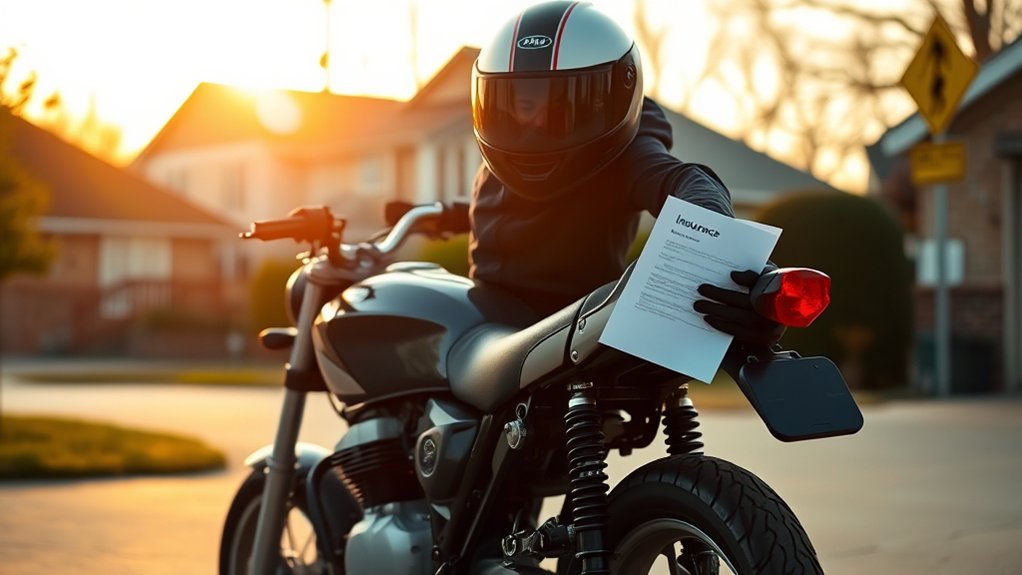
Choosing the right bike can make a big difference in what you pay for motorcycle insurance. You’ll usually save more with lower-displacement bikes, especially 250–500cc models, than with 600–1000cc sportbikes.
Insurers also tend to favor cruisers, standard bikes, and dual-sport models because they’re seen as lower risk.
Here’s a quick guide:
- Pick older used bikes, ideally 3–5+ years old, because they often cost less to insure than new models.
- Choose bikes with strong theft-deterrent ratings, and add alarms or locks to help cut premiums.
- Compare quotes for the same year and amount of coverage across several specific models before you buy.
If you shop smart, you can find a bike that fits your budget and keeps insurance manageable.
Coverage Young Harley Riders Should Carry
You should carry liability limits that protect your assets. Many young Harley riders choose at least $100,000/$300,000 for bodily injury and $50,000 for property damage—though it’s smart to go higher if you can afford it.
If you own a new or financed Harley, be sure to add all-risk and collision coverage. That way, you’re covered for damage, theft, and those expensive major repairs.
You should also consider uninsured/underinsured motorist coverage and medical payments or PIP. These options can really help if the other driver’s insurance doesn’t cover everything—or if you need accident-related care right away.
Liability Coverage Limits
Because state minimums are often too low to protect a young rider’s finances after a serious crash, teen Harley riders should look beyond bare-bones liability. Consider at least 100/300/50 coverage. That means $100,000 bodily injury per person, $300,000 per accident, and $50,000 property damage.
Strong liability coverage helps you handle third-party claims without risking your family’s savings or other assets if you’re at fault. Insurers often suggest these limits for a teen rider because serious injuries can quickly exceed minimums.
- Higher bodily injury limits protect you from large medical claims.
- $50,000 property damage helps cover expensive vehicle or property losses.
- Umbrella liability, starting around $1 million, can add affordable backup protection.
Check your state’s rules and motorcycle endorsement requirements with a licensed agent. Limits and underwriting vary by jurisdiction.
Comp And Collision
Thorough and collision coverage can protect a teenager’s Harley Low Rider S if it’s stolen, vandalized, or damaged in a crash. This is especially important when the bike is financed.
Full and collision usually cost more than liability alone. Still, the extra cost can be worth it on a high-value Harley.
For a teenager, monthly premiums often rise into the $150–$300+ range. This depends on the bike, insurer, and deductible you choose.
A higher deductible, such as $500 to $1,000, can cut premiums. But you’ll pay more after a claim.
Check exclusions before you buy. Make sure the coverage fits your budget and your ability to handle repair costs if damage happens.
Theft And Accident Protection
When you’re insuring a young Harley rider, theft and accident protection should go beyond basic liability. Add full coverage and collision, because motorcycles get stolen often and recovery is rare. Stronger coverage helps you pay for repairs, replacement, and custom parts if a crash or theft happens.
- Raise liability limits to at least $100,000/$300,000 BI and $100,000 PD.
- Add uninsured/underinsured motorist coverage plus medical payments or PIP for injury costs.
- Ask about agreed-value or accessory coverage for a new Harley Low Rider S.
Also check exclusions for track days, demo rides, and rentals. Some carriers handle theft recovery differently, so read the policy carefully. If you want full protection, make sure your teen’s coverage matches the bike’s value and the risks they’ll face on the road.
How to Lower Motorcycle Insurance Costs
You can bring down motorcycle insurance costs by making smart choices before you buy and by asking for every discount you qualify for. Complete a state-approved safety course, and many insurers cut premiums 5% to 15% for proof of training.
Pick a lower-risk bike, such as a standard or cruiser. Consider a used model too, since older bikes usually cost less to insure.
Raise collision and comprehensive deductibles if you can afford the risk. If the bike is financed, keep motorcycle insurance coverage on it.
Store your bike in a locked garage and add approved security devices. Report low annual mileage honestly.
You can also try usage-based insurance or pay-per-mile plans. Bundle policies, then compare quotes yearly because rates vary widely.
Which Motorcycle Insurers Riders Like Best
Riders often point to Progressive and GEICO as top choices for motorcycle insurance. Both have dedicated powersports adjusters and broad national reach, which can make claims and repairs feel smoother.
You’ll also see VOOM stand out if you ride only part of the year. Its pay-per-mile setup can fit lighter use in eligible states.
For teens, your best options often include carriers that offer safety-course discounts. They also tend to provide clear quote comparisons.
- Progressive: strong powersports support and broad availability.
- GEICO: easy access and familiar national service.
- VOOM: flexible pricing for low-mileage riders.
If you own a classic bike, specialized vintage insurers may fit better. They understand agreed-value coverage and parts valuation.
You can also compare State Farm and regional insurers through an independent agent.
When to Shop for a Better Rate
Start shopping for better motorcycle insurance rates at least 30 to 60 days before your policy renews.
Also shop before you add a teen rider. Insurers often adjust pricing seasonally, and underwriting can take time.
Get new quotes from at least four to six carriers. Include specialist powersports insurers and local independent agents, too.
Teen riders can see very different prices by state and by bike model. Compare multiple carriers before buying a high-powered bike.
Check lower-displacement options first. Re-quote annually, and do it again after a new bike, safety course, or ZIP code change.
Use the teen’s real driving record, garaging address, and expected mileage. That way your quote matches the final premium.
Frequently Asked Questions
Do Teen Riders Need a Learner’s Permit for Motorcycle Insurance?
Yes, you usually need a learner’s permit or endorsement to ride legally, and insurers often expect that too.
If you don’t have the proper permit, they may charge more, limit coverage, or deny claims.
Check your state’s DMV rules and ask your insurer whether they cover permit holders.
Taking a state-approved safety course can help you qualify for discounts and show you’re a lower-risk rider.
Can Parents Add a Teenager to an Existing Motorcycle Policy?
Yes, you can usually add a teenager to your existing motorcycle policy, but your premium may rise quickly. Insurers consider the teen’s age, license status, riding history, and the bike type.
You can lower the cost by listing them as an occasional rider, bundling policies, raising deductibles, or taking a safety course. Always compare quotes and ask about endorsement rules first.
Does Motorcycle Insurance Cover Passengers Riding With a Teenager?
Yes, your motorcycle policy usually covers passengers if your teen causes the crash, but only up to the liability limits you carry.
You’ll want higher bodily injury limits than state minimums to protect everyone’s assets.
Check for passenger exclusions, endorsements, and added premiums.
MedPay or PIP can help pay passenger medical bills.
Also, unlicensed or improperly endorsed riding could reduce coverage or trigger claim denials.
Will a Teen’s Grades Affect Motorcycle Insurance Discounts?
Yes, your teen’s grades can affect motorcycle insurance discounts, and that’s no small thing.
If your teen keeps a strong GPA, you can often qualify for a good-student discount, usually around 5% to 15%.
You’ll typically need a transcript or report card, not just your word. Ask each insurer about its GPA cutoff, renewal rules, and whether other discounts can stack for bigger savings.
Does Storage Location Change a Teenager’s Motorcycle Insurance Premium?
Yes, storage location can change your teenager’s motorcycle insurance premium. If you keep the bike in a locked garage, you’ll usually pay less because insurers see lower theft and vandalism risk.
Some companies offer discounts for secure storage or approved locks and alarms. If you park on the street, you’ll likely pay more.
Always tell your insurer where the bike’s kept, and update them if that changes.
Conclusion
If you’re a young rider, motorcycle insurance costs can feel steep. Still, you can keep them manageable.
Pick a bike that matches your experience level. Make sure you carry the right coverage too.
A new Harley may look great. But it can raise your premium fast.
Stay focused on safety. And ride carefully to avoid costly claims.
Finally, compare quotes often. Do this again when your policy renews.
With the right choices, you can keep costs down. Then you can enjoy the ride.