Can You Finance A Motorcycle – Here’s the Answer
Yes, you can finance a motorcycle, but it comes with trade-offs. The lender usually holds the title until you pay off the loan, which limits your resale options.
Financing adds interest and fees, raising your overall cost. You’ll need good credit and income to qualify. Buying new or nearly-new bikes can risk owing more than their value.
For beginners, paying cash for a used bike is often safer. Keep exploring to understand the full impact and smart alternatives.
How Does Motorcycle Financing Work and Who Qualifies?

Although financing a motorcycle can make it more accessible, it usually means the lender holds the title until you pay off the loan. This can complicate private sales or transfers.
Financing a motorcycle often means the lender keeps the title, complicating private sales or transfers.
When you finance a bike, lenders typically assess your creditworthiness and income to determine qualification. Loans add interest, increasing the bike’s overall cost compared to paying cash upfront.
Some dealers and specialized lenders offer point-of-sale financing, sometimes bundled with insurance or training, but terms vary widely. Keep in mind that financing a nearly-new bike carries depreciation risks, potentially leaving you owing more than the bike’s resale value.
Alternatives like personal loans or buying a used bike for cash might reduce financial exposure and provide more flexibility if you decide to sell later on.
When Is Financing a Motorcycle a Good Choice?
If you don’t have the cash upfront, financing a motorcycle can make sense when you’re purchasing a quality new model or a reputable-brand used bike. Finance helps spread the cost but expect to pay more overall due to interest and loan fees.
Keep in mind, financing complicates selling your bike since the lender holds the title until the loan is paid off. This makes it harder to exit ownership quickly.
For first-time riders, financing is usually not recommended because many stop riding soon after buying. This risks rapid depreciation and owing more than the bike’s worth.
Instead, consider buying a used starter bike with cash or a personal loan. This approach lowers financial risk and allows easier resale, especially while you build skills and manage insurance costs.
Pros and Cons of Financing a Motorcycle

You’ll often find that financing a motorcycle comes with both clear benefits and notable drawbacks. If you want to finance your first bike, weighing these pros and cons helps you make a smart choice.
Loans can increase your total cost markedly, and lenders usually keep the title until you pay off the loan. This complicates resale and may leave you upside-down if values drop.
On the plus side, financing lets you access a better bike sooner. Consider a personal loan instead of dealer financing to reduce costs. For beginners, buying a cheap used bike with cash lowers financial risk while you learn.
| Pros | Cons | Tips |
|---|---|---|
| Access better bikes early | Increased total cost | Opt for personal loans |
| Spread out payments | Title held by lender | Buy cheap used first |
| Builds credit | Risk of owing more than resale | Avoid brand-new loans |
| Harder private sales | ||
| Potential upside-down financing |
How Financing Impacts Resale and Ownership Flexibility
Financing a motorcycle affects how easily you can resell it and how flexible your ownership experience will be. When you finance your first bike, the lender holds the title until you finish payments, which complicates private sales and slows down quick exits. This can limit your ability to transfer ownership immediately, especially if you want to sell close to retail value.
Financed motorcycles often depreciate faster than your loan balance decreases, which risks upside-down loans. If you stop riding early, you’re still on the hook for payments. Buying used with cash lets you avoid these constraints, making resale smoother and preserving flexibility.
For your first bike, cash purchases often offer better control, quicker transfers, and less financial risk compared to financing nearly-new motorcycles.
What Other Costs Beyond Monthly Payments Should Be Budgeted?

Beyond your monthly loan payments, you’ve got to think about insurance premiums. These can really change depending on things like your age, where you live, and the type of bike you have.
And don’t forget about maintenance and repairs. Especially if you’re starting out with a used beginner bike, these costs can add up over time.
On top of that, it’s super important to invest in good safety gear. Not only does it keep you protected, but it also helps you stay on the right side of the law.
Insurance Premium Expenses
Insurance premiums frequently represent a significant portion of the total cost of owning a motorcycle, often surpassing those for comparable cars. Your bike’s insurance rate depends on factors like rider age, location, and bike class. Sportbikes usually cost more than cruisers or commuters.
Liability-only coverage might be affordable for low-powered starter bikes, but full coverage can add hundreds or even thousands annually, especially if your lender requires it. To budget properly, get quotes before buying, considering coverage levels, deductibles, and potential rate hikes after claims.
Discounts from completing approved rider training courses can lower premiums, so it’s worth checking eligibility. Don’t forget that your driving record, annual mileage, bike engine size, and anti-theft devices also impact your insurance costs, making thorough research essential before financing your bike.
Maintenance And Repairs
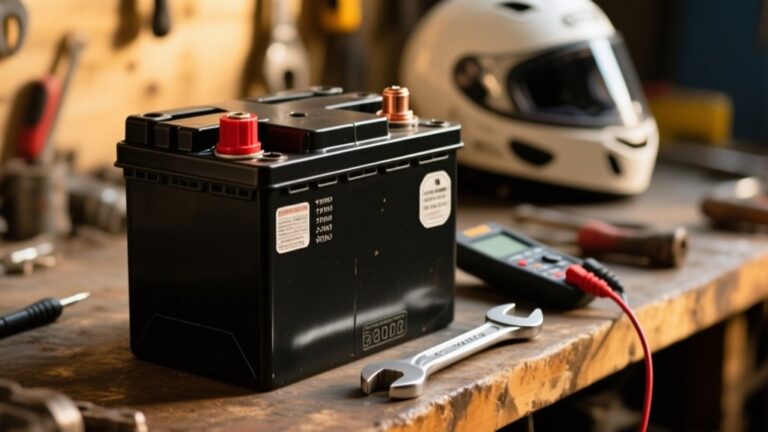
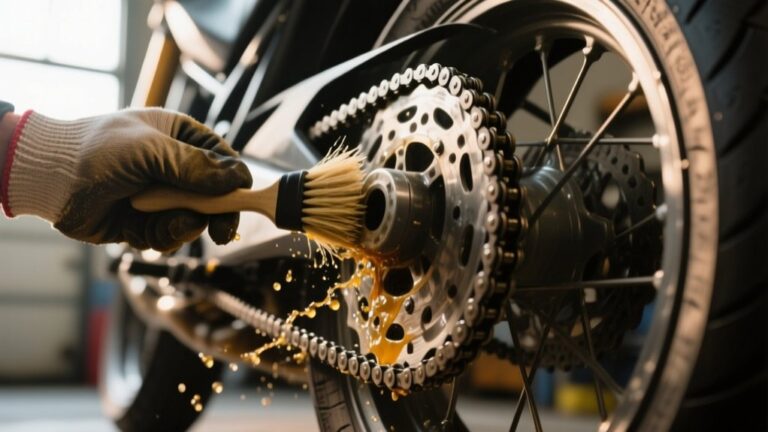
While insurance premiums can take up a large part of your motorcycle expenses, you’ll also want to plan for maintenance and repairs that come with ownership. It’s time to learn that routine upkeep like oil changes, chain adjustments, and tire replacements can add up.
Used motorcycles often need unexpected repairs due to prior wear, so budget for affordable parts and labor. Here’s a quick cost overview:
| Expense Type | Typical Cost Range | Notes |
|---|---|---|
| Routine Maintenance | $200–$500 annually | Oil, filter, tires, chain |
| Unexpected Repairs | Varies, $100+ | Common on used/starter bikes |
| Training & Licensing | $300–$500 | MSF courses, affects insurance |
Gear And Safety Equipment
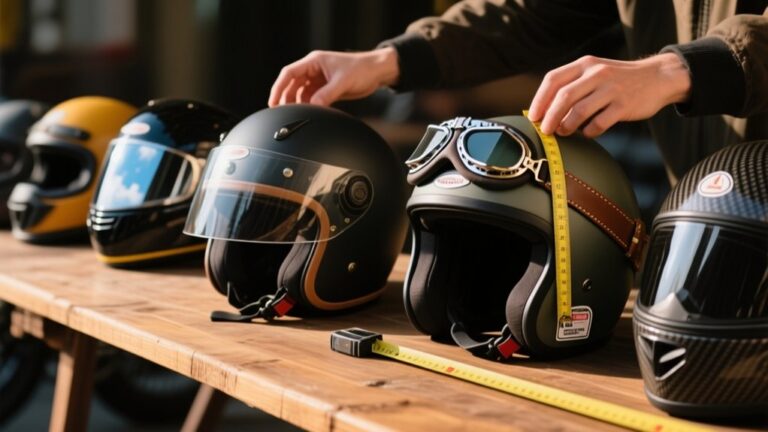
Typically, you’ll want to prioritize investing in quality gear and safety equipment to protect yourself on the road. First, budget for a DOT or ECE-approved helmet, which ranges from $150 to $600 depending on features.
Next, include a jacket with impact-absorbing padding or armor, costing between $150 and $800 for durable options. Don’t forget gloves and ankle-high boots designed for protection, generally $50–$200 and $75–$300 respectively.
Riding pants or armor-equipped jeans, essential for full protection, usually run $100–$400 per pair. Finally, allocate funds for replacement and maintenance costs like visor replacements, armor inserts, waterproofing, and storage, which can add up to a few hundred dollars annually.
Factoring these expenses guarantees you budget beyond just your monthly motorcycle payments.
Why Buying a Used Motorcycle With Cash Is Safer for Beginners
Because buying a used motorcycle with cash means you own it outright, you avoid the complications of lender-held titles that can delay resale and transfer. For beginners, this means simpler transactions and no risk of upside-down loans.
A modest used bike minimizes depreciation exposure, making it easier to exit or trade if you decide riding isn’t for you. Plus, used starter bikes tolerate scratches and minor damage, so you won’t stress over costly repairs while building skills.
Buying through classifieds often provides affordable options without monthly payments, helping you avoid opening a new account for financing.
How to Compare Motorcycle Loan Offers and Find the Best Terms
If you decide to finance a motorcycle instead of paying cash, comparing loan offers carefully can save you money and hassle.
Start by obtaining APR quotes from banks, credit unions, and dealer financing. Typical rates range from 4% to 15% based on your credit profile.
Use AI-generated tools to analyze loan terms, usually 24 to 60 months. Balance lower monthly payments against total interest paid.
Don’t overlook origination fees, prepayment penalties, and insurance requirements since they affect your overall cost.
Confirm if the lender places a lien on the title because this can limit resale options due to negative equity risks. Prequalify or get a soft-pull rate estimate before shopping. This strengthens your negotiating position and helps you compare the final financed cost accurately across offers.
Alternatives to Traditional Motorcycle Loans
When you can’t pay cash for a motorcycle, exploring alternatives to traditional loans can help you avoid higher costs and complicated ownership issues. One option is obtaining a personal loan, which may offer more flexible terms without tying the title to a lender.
You might also consider buying a used “beater” with cash to keep expenses low and enjoy simpler repairs and resale. Peer to-peer renting is another alternative, letting you experience different bikes without financing, reducing risk and upfront costs.
Avoid financing your first motorcycle, as loan agreements typically keep the title with the lender, complicating private sales and exit strategies. These alternatives not only help you save money but also prevent the dramatic cost increases that traditional financing often causes.
Frequently Asked Questions
Can I Finance Motorcycle Accessories With My Loan?
Yes, you can typically finance motorcycle accessories with your loan through accessory financing. Many lenders let you roll accessory costs into the principal, so you pay for them alongside the bike.
Just remember, this can increase your monthly payments and total interest. Always confirm accessory eligibility with your lender beforehand, and consider how it might affect your insurance and resale options to avoid surprises down the road.
Are There Special Financing Options for Electric Motorcycles?
Like finding a hidden treasure, you can discover special financing options for electric motorcycles. Many lenders offer loans similar to those for traditional bikes, but you might benefit from battery incentives that lower your overall cost.
Keep an eye out for manufacturer or government rebates, which can reduce your financed amount. Just remember to check battery warranty terms and insurance costs to make certain your loan fits your budget comfortably.
How Does Refinancing a Motorcycle Loan Work?
Refinance basics for your motorcycle loan involve replacing your current loan with a new one, often to secure a better interest rate or more manageable payments.
You’ll need to qualify based on your bike’s age, condition, and your credit score.
The lender usually requires proof of insurance, payoff details, and a vehicle inspection.
Keep in mind, extending the term lowers monthly bills but may increase overall interest costs.
Can I Pay off My Motorcycle Loan Early Without Penalties?
About 70% of motorcycle loan holders consider early payoff to save on interest.
You can pay off your motorcycle loan early, but you need to check your loan contract first. Some lenders charge prepayment penalties, while others don’t.
Always request a payoff statement to confirm the exact amount and specify that extra payments go toward the principal. Getting written confirmation guarantees your early payoff reduces your loan balance properly.
Is Gap Insurance Necessary When Financing a Motorcycle?
Gap insurance isn’t always necessary when financing a motorcycle, but it’s essential if you worry about total loss coverage.
If your bike is totaled or stolen, gap insurance covers the difference between its actual cash value and your outstanding loan balance. This prevents you from owing money on a bike you no longer have.
If your loan-to-value ratio is low or you have savings to cover shortfalls, you might skip it.
Conclusion
Financing a motorcycle is like choosing the right gear for your ride. When timed well, it propels you forward smoothly. But remember, each loan shifts your journey and impacts flexibility and costs beyond just monthly payments.
Weigh the pros and cons carefully, compare offers, and consider cash or alternatives if you’re a beginner. With thoughtful planning, you’ll navigate the road to ownership confidently, ensuring your motorcycle financing aligns perfectly with your financial destination.