Can You Get A Motorcycle License Without A Driver’s License
Yes, you can get a motorcycle license without holding a full driver’s license in some states like Florida, Texas, Michigan, and Wisconsin. You’ll usually need to pass a written knowledge test, obtain an instruction permit, and complete an approved safety course.
These steps often waive the on-cycle skills test. Keep in mind there are permit restrictions and gear requirements to follow. If you want to understand eligibility, courses, and specific state rules, keep exploring.
Can You Get a Motorcycle License Without a Driver’s License?

Getting a motorcycle license without a driver’s license isn’t straightforward in most states, but it’s not impossible. You’ll often need to start with a motorcycle instruction permit, which requires passing a written knowledge test at your state DMV.
Some states offer a motorcycle-only endorsement or permit, though you’ll still meet similar requirements as for a driver’s license, like proving identity and residency. Taking a motorcycle safety course can help you skip the on-cycle skills test when applying for your motorcycle endorsement.
Keep in mind, permits usually come with restrictions, such as no passengers or night riding. Since rules vary widely, check your state DMV’s website carefully to understand the specific process, age requirements, and documentation needed for getting licensed without a driver’s license.
States That Allow Motorcycle-Only Licensing
Some states let you get a motorcycle-only license without having to get a full driver’s license first. This can really simplify things if riding is all you’re interested in.
Usually, you’ll need to pass a knowledge test and complete a safety course, so you’re well-prepared to hit the road safely.
It’s a good idea to check your state’s specific rules before applying. That way, you can understand who’s eligible and what benefits come with having a separate motorcycle credential.
States With Separate Licensing
While many states require you to hold a standard driver’s license before adding a motorcycle endorsement, a handful allow you to obtain a motorcycle-only license without having a car license. States like Florida, Texas, and Michigan let you apply for a motorcycle-only license by completing a Motorcycle Safety Course and passing a written knowledge test.
You’ll also need to meet age and helmet requirements, which vary by state but usually include parental consent and mandatory rider education for minors. These states often require you to provide proof of identity, residency, and pass vision screening.
Following these steps lets you legally ride a motorcycle without a separate passenger vehicle license, ensuring you’re prepared and compliant with safety rules.
Motorcycle-Only License Benefits
States that offer motorcycle-only licensing provide distinct advantages for riders who don’t have a standard driver’s license. With a motorcycle-only license, you can legally ride without first obtaining a full driver’s license, like in states such as Wisconsin and Michigan.
You’ll often start by getting a Temporary Instruction Permit, which allows supervised practice with restrictions like no nighttime riding or passengers. Completing a Basic Rider Course can waive the skills test, making it easier to earn your motorcycle endorsement.
This path requires passing a written test and vision screening, plus meeting insurance and ID requirements. Since rules vary by state, it’s important to check local DMV guidelines.
Eligibility Without Driver’s License
If you don’t already hold a full passenger car driver’s license, you can still qualify for a motorcycle-only license or endorsement in several states, though requirements vary widely.
Some states, like Florida and Texas, let you earn a motorcycle endorsement by completing a Basic Rider Course, even without a separate car license.
Others might require you to pass vision, knowledge, and skills tests or finish approved rider education courses.
Minors usually face extra rules, such as parental consent and mandatory holding periods for permits.
To get a motorcycle-only license, you’ll need to check your state’s DMV or Secretary of State guidelines carefully, since age minimums, fees, and whether you can waive the riding test differ.
This guarantees you meet all requirements smoothly.
Age and Eligibility Requirements for Motorcycle Licenses
You’ll typically need to be at least 16 years old to qualify for a motorcycle permit or license without holding a standard driver’s license. Age minimums vary by state. If you’re under 18, you’ll likely need parental consent, hold a motorcycle instruction permit for a set time, and complete a state-approved rider education course.
Some states offer a motorcycle-only license or endorsement, letting you ride without a car license. Adults may skip some steps by finishing an approved Basic Rider Course. Be sure to check your state’s specific rules for eligibility, testing, and fees.
| Age Group | Requirements | Notes |
|---|---|---|
| Under 16 | Usually not eligible | Some states offer exceptions |
| 16 to 17 | Instruction permit, rider education | Parental consent often required |
| 18 and older | Basic Rider Course or tests | May waive skills test |
| All ages | Vision and knowledge tests | Varies by state |
| All ages | Fees and insurance proof | State-specific |
How to Apply for a Motorcycle Instruction Permit Alone
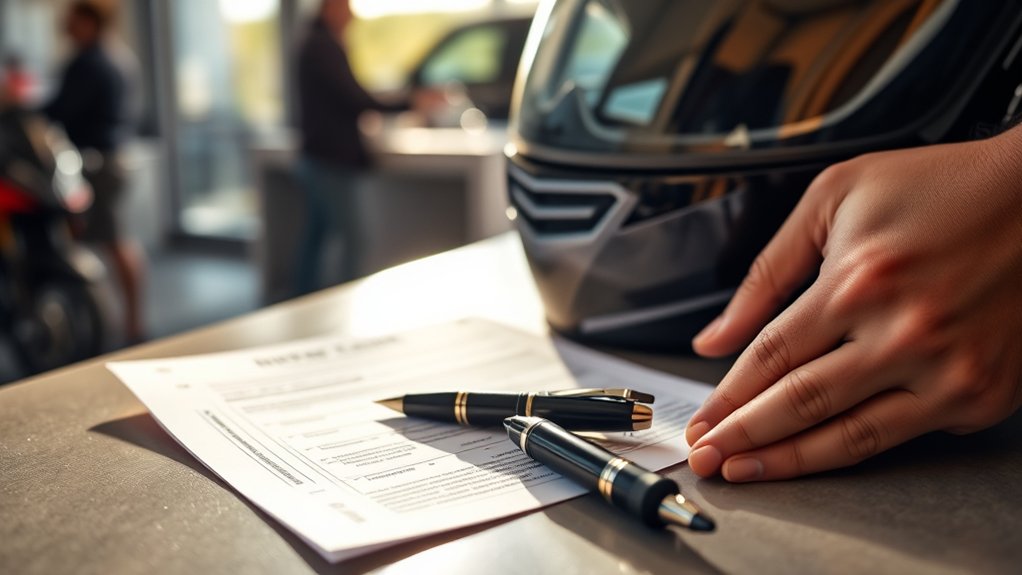
Applying for a motorcycle instruction permit on its own is straightforward once you meet the age and eligibility requirements. First, gather your proof of identity, residency documents, and any necessary parent or guardian consent if you’re under 18.
When you visit the licensing office, be prepared for a vision screening and to take the motorcycle knowledge test, which usually requires around an 80% passing score. You’ll also need to pay a modest fee.
Many states encourage or require completing a Basic Rider Course, which can sometimes waive the on-cycle skills test later. Once approved, your motorcycle instruction permit will come with restrictions like no nighttime riding and mandatory helmet use.
Following these steps helps you get your permit without needing a full driver’s license.
Motorcycle Safety Courses That Replace Testing Requirements
You can often skip the on-cycle skills test if you complete an approved motorcycle safety course, like the MSF Basic Rider Course. These courses mix classroom learning with hands-on training, so you get a well-rounded experience.
Plus, lots of states accept the certificate you get from finishing these programs as a way to waive the test. Just be sure to pick a course that your state’s licensing agency recognizes—otherwise, it mightn’t count.
Course Testing Waivers
Many states offer a way to skip the on-cycle skills test by completing an approved Motorcycle Safety Course, such as the MSF Basic RiderCourse or a state-run alternative. When you finish one of these courses, you usually receive a Skills Test Waiver Certificate.
This certificate lets you present proof to the licensing agency, so you don’t have to take the on-road or range skills test. States like Wisconsin, Michigan, and Texas allow this waiver to directly earn or add a motorcycle endorsement, sometimes without taking the manual riding exam.
Keep in mind, eligibility rules often apply. You might need to be a certain age, hold a learner permit for a specific time, or complete the course within a set period to qualify for the waiver.
Approved Safety Programs
States frequently accept approved motorcycle safety courses as a way to replace the on-cycle skills test when you apply for a motorcycle endorsement.
Completing a Basic Rider Course (BRC), such as the MSF’s nationwide program, often earns you a Skills Test Waiver Certificate. This certificate lets you skip the state riding exam.
Many states, including Texas and Michigan, recognize these approved safety courses.
If you’re under 18, be prepared to complete the course alongside any required paperwork, like parental consent forms.
Course formats vary, from online modules to in-person training, but all focus on safe riding skills.
When applying for your motorcycle endorsement, you must present your official completion certificate. This streamlined process helps you get licensed efficiently while reinforcing essential riding knowledge.
What Tests Are Needed for a Motorcycle License Without a Driver’s License?

Although obtaining a motorcycle license without a full driver’s license involves several steps, the testing process is straightforward.
First, you’ll need to get a motorcycle instruction permit by passing a vision screening and a written motorcycle knowledge test, usually requiring an 80% score.
If you’re under 18, completing a state-approved rider education course is mandatory before advancing. Adults have the option to either take the motorcycle skills test at the licensing office or present a Skills Test Waiver after finishing an approved safety course, waiving the road test.
Throughout this process, you’ll provide proof of identity, residency, and course completion if applicable.
Following these steps guarantees you meet all testing requirements to earn your motorcycle license without holding a full driver’s license.
Permit Restrictions for Motorcycle-Only Riders
When you have a motorcycle-only permit, there are certain riding rules you need to follow. For example, you can’t ride at night, and carrying passengers isn’t allowed.
You also have to wear safety gear, like a helmet and eye protection. This is especially important if you’re under 18.
Sticking to these restrictions not only keeps you safe but also helps you avoid fines or having your permit suspended. So, it’s really worth paying attention to the rules!
Permit Riding Limitations
Because permit holders are still learning, many restrictions apply to guarantee safety during practice rides. When you have an instruction permit, you’ll face permit restrictions like no nighttime riding, no passengers, and avoiding highways or freeways.
Helmet use is mandatory in most states, and you’ll also need eye protection while practicing. Your permit typically has a set validity period, often six months, during which you must log your supervised practice hours.
Completing an approved basic rider course can provide supervised practice and sometimes waive the skills test, helping you bypass some permit limitations when you apply for a full license. Keep in mind, some states limit how many permits you can hold and may require additional safety courses if you repeatedly fail tests or let permits expire.
Safety Gear Requirements
You’ll almost always need to wear a DOT or Snell-approved helmet while riding with a motorcycle instruction permit, as helmet laws typically apply to all permit holders regardless of age.
Along with your helmet, you must follow these safety gear requirements:
- Wear eye protection, such as a face shield, goggles, or safety glasses, which is legally required in many states.
- Use additional protective gear like full-fingered gloves, long sleeves, long pants, and ankle-covering boots to enhance safety.
- Avoid riding at night or carrying passengers, as permit restrictions often prohibit these to keep you safer while learning.
- Check local rules for helmet exceptions, which may apply if you’re over a certain age and carry specific medical insurance coverage.
Following these guidelines helps protect you and guarantees compliance with permit restrictions.
Protective Gear Rules for Motorcycle-Only Riders
Motorcycle-only riders almost always have to wear a DOT or Snell-approved helmet, especially if they hold an instruction permit or are under 18. Many states enforce these rules strictly. You’ll also need eye protection like goggles or a face shield if your helmet isn’t full-face.
While jackets, gloves, long pants, and boots aren’t always legally required, they’re strongly recommended and often mandatory in rider training courses. Some states let riders waive helmets if they meet specific medical or insurance criteria.
| Protective Gear | Legal Requirement | Recommended Use |
|---|---|---|
| Helmets (DOT/Snell) | Required for most riders | Always use certified gear |
| Eye Protection | Required without full-face | Essential for safety |
| Gloves & Jackets | Not always required | Strongly recommended |
Following these rules keeps you safe and compliant.
Using a Motorcycle License for Scooters and Mopeds: What You Should Know
Protective gear keeps you safe when riding, but knowing which license you need is just as important, especially when operating scooters or mopeds. Here’s what you should know:
Wearing protective gear is crucial, but understanding your required license is key when riding scooters or mopeds.
- A Class M motorcycle license or endorsement is often required if your scooter or moped exceeds engine or speed limits, like over 50cc or faster than typical mopeds.
- Some states let you ride low-powered scooters or mopeds with just a standard driver’s license, but rules vary widely.
- If your vehicle crosses those limits, you’ll need a motorcycle instruction permit or Class M endorsement, which involves passing tests or completing a rider course.
- Riders with permits or under 18 must follow helmet and riding restrictions, such as no nighttime riding or passengers.
Always check your state DMV for exact rules before riding.
Where to Find Motorcycle Training and Licensing Resources Without a Driver’s License
Finding motorcycle training and licensing resources without a driver’s license is easier than you might think, especially in states like Michigan and Wisconsin. You can apply for a motorcycle instruction permit by presenting proof of identity, residency, and passing vision and written tests.
Many state-approved basic rider courses accept students without a driver’s license, letting you complete training and potentially earn a Skills Test Waiver or endorsement eligibility. Before enrolling, check your state’s DMV requirements for permit issuance, including minimum age and parental consent if you’re a minor.
Also, confirm any restrictions like no night riding or passengers during the permit phase. By following these steps, you can access motorcycle training and licensing resources without holding a full driver’s license.
Frequently Asked Questions
Can I Transfer a Motorcycle License From Another State Without a Driver’s License?
You generally can’t complete an out of state transfer of a motorcycle license without a driver’s license or state ID.
Most states require you to meet ID requirements and establish residency before they grant endorsement equivalency.
License reciprocity usually covers motorcycle endorsements only when paired with a valid driver’s license.
To transfer your motorcycle license alone, you’ll likely need to get a new driver’s license or state ID and meet additional testing or course requirements.
Are There Insurance Differences for Riders With Motorcycle-Only Licenses?
Yes, you’ll likely face different insurance premiums with a motorcycle-only license. Insurers often charge higher rates since you lack a car driving history to prove experience.
Coverage limits remain state-mandated, but policy endorsements and liability exclusions might vary based on your license type. Completing rider training can lower premiums, but some insurers might still scrutinize your risk more closely.
Always compare policies to find the best coverage for your situation.
How Does Having a Motorcycle-Only License Affect Renting Motorcycles?
Having a motorcycle-only license can complicate renting motorcycles. Rental age restrictions usually still apply, and companies often require thorough endorsement verification.
You might face higher security deposits or mandatory liability waivers to cover additional risk. Some rental firms even ask for a valid driver’s license alongside your motorcycle license for extra confirmation.
Always check rental policies beforehand to avoid surprises and make sure you meet all requirements smoothly.
What Happens if I Fail the Motorcycle Riding Test Without a Driver’s License?
If you fail the motorcycle riding test without a driver’s license, you’ll face consequences like waiting through a retest timeline that varies by state.
You might need to practice more or enroll in a Basic Rider Course to improve your skills. This could also help you waive retests.
Safety resources are important because they help you prepare better. They reduce delays or added costs, making it easier to pass and get your motorcycle endorsement faster.
Can Motorcycle-Only License Holders Ride on Highways or Interstates?
Yes, you can ride on highways or interstates with a motorcycle-only license, but it depends on your state’s rules and your license type. You must follow speed limits strictly, avoid illegal lane sharing unless allowed, and respect shoulder use regulations.
Also, the vehicle type matters. Three-wheel endorsements might restrict you from two-wheel highways. Always check your state’s specific laws to make sure you ride safely and legally on these roads.
Conclusion
You might think you need a full driver’s license to get a motorcycle license, but many states let you start with just a motorcycle permit. While some require you to already hold a driver’s license, others welcome you to ride solo from the start, no car keys needed.
By understanding your state’s rules and taking a safety course, you can confidently hit the road on two wheels, even without traditional driving credentials.