How To Lower Motorcycle Insurance – Do It Right
To lower your motorcycle insurance right, choose a lower-risk bike, preferably a 400–650cc standard or cruiser with theft-deterrent features. Keep a clean riding record by avoiding violations and taking safety courses that insurers reward.
Compare multiple quotes carefully, adjusting deductibles to balance cost and risk. Bundle your bike insurance with other policies and pay annually to capture extra discounts.
Taking these measured steps can noticeably trim premiums. Plus, there are additional strategies worth exploring to maximize savings.
Pick a Lower-Risk Bike
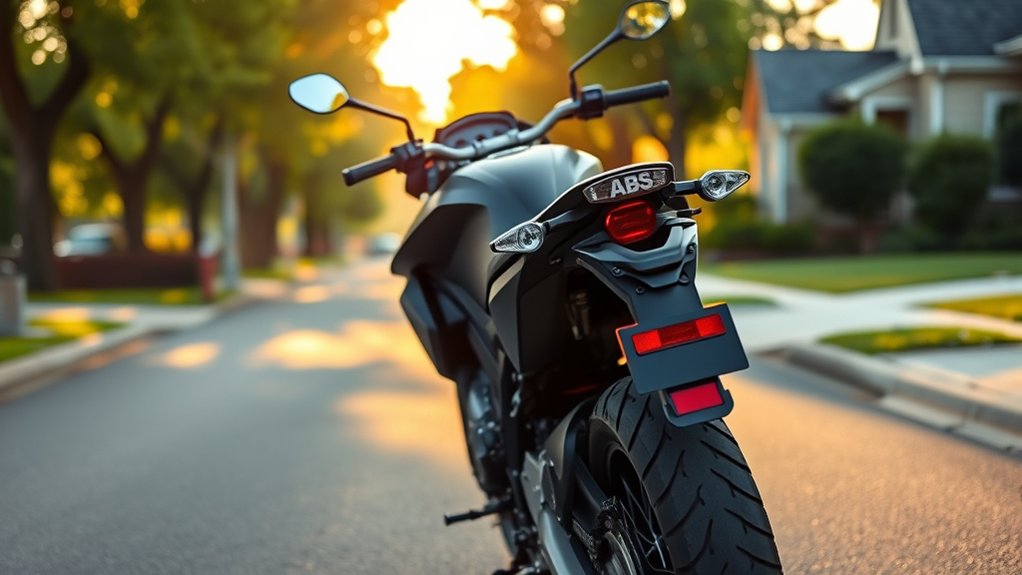
When choosing a motorcycle to lower your insurance costs, focus on models that insurers consider lower risk. Opt for motorcycles with smaller engine displacements, typically between 400 and 650cc, as these attract markedly lower motorcycle insurance premiums compared to bikes exceeding 1000cc.
Favor standard or cruiser models over high-performance or supersport bikes, since insurers associate sports models with higher claim frequencies, increasing premiums. Prioritize older, modestly valued motorcycles, preferably well-maintained 5–10-year-old models, to reduce replacement and comprehensive coverage costs.
Furthermore, select bikes equipped with strong theft-deterrent features or those compatible with easy-to-install immobilizers and ground anchors. Insurers often offer discounts for anti-theft devices and secure parking. Before purchasing, consult insurer-specific rating lists since premium classifications can vary widely by insurer for the same model.
Maintain a Clean Riding Record and Practice Safe Riding
You can lower your motorcycle insurance by strictly avoiding accidents and traffic violations. Insurers heavily factor in recent claims and violations when setting premiums, so staying clean really pays off.
Following traffic safety rules—like sticking to speed limits and practicing defensive riding—helps you avoid surcharge points that can hike your rates for years.
When you consistently keep a clean record, it shows insurers you’re a lower risk, and they usually reward that with reduced premiums. So, it’s definitely worth being safe and cautious on the road!
Avoid Accidents And Tickets
Building up a clean riding record plays a crucial role in lowering your motorcycle insurance premiums. Insurers typically reduce rates after 2–3 years without at-fault accidents or speeding tickets, so maintaining a spotless driving record is essential.
Enrolling in an approved motorcycle safety course not only sharpens your skills but often secures immediate discounts by proving reduced risk. Adopting defensive riding techniques, such as keeping a safe following distance, scanning intersections, and moderating speed in high-risk zones, significantly lowers your crash likelihood.
Moreover, refining your riding habits by limiting night and high-mileage rides can further reduce premiums. Together, these disciplined approaches demonstrate responsibility and safety to insurers, directly influencing your insurance costs through fewer claims and violations.
Follow Traffic Safety Rules
Although maintaining a clean riding record demands consistent attention, it directly impacts your motorcycle insurance premiums by showing lower risk to insurers. To optimize your driving history, always obey speed limits and traffic signals. Violations can increase rates by 20% to 40%.
Completing an insurer-recognized motorcycle safety course can reduce premiums by 5% to 20% and improve your riding skills. Implementing anti-theft measures and securing your bike in a garage or locked storage lowers theft risk, often resulting in 5% to 15% discounts.
Moreover, avoiding high-risk behaviors like late-night high-speed commuting and excessive mileage further enhances your profile. By integrating these traffic safety rules, you not only maintain a spotless record but also strategically reduce your insurance costs through responsible riding and risk mitigation.
Compare Motorcycle Insurance Quotes

Kick off your search by gathering at least 5 to 7 quotes from a mix of specialist motorcycle insurers and mainstream providers. Premiums for the same rider profile can differ by 20 to 50 percent.
When you compare quotes, use identical details—bike make, model, year, mileage, storage, driving history, deductibles, and coverage limits. This guarantees an accurate comparison. Also, request information on applicable discounts, as they can substantially reduce costs.
Obtain quotes with various deductible levels and coverage types (third-party/fire & theft vs. comprehensive) to gauge how premiums are impacted.
Use both online comparison tools and direct insurer contacts to verify quotes.
Document available discounts like multi-policy bundling and approved safety courses for a thorough evaluation.
This disciplined approach helps you find the best motorcycle insurance deal objectively.
Raise Your Deductible
Raising your collision and all-risk deductible can lower your premium by 10–25%. But, you’ll want to balance those savings against the risk of higher out-of-pocket costs if you need to make a claim.
It’s important to choose a deductible amount you can realistically afford based on your emergency savings so you don’t end up under financial strain.
Comparing quotes with different deductible levels can really help you find the most cost-effective option for your bike’s value and your budget.
Benefits Of Higher Deductibles
Opting for higher collision and all-encompassing deductibles can markedly reduce your annual motorcycle insurance premiums, often by 10–20% when increasing from $500 to $1,000. By choosing higher deductibles, you effectively lower insurance costs but accept a greater pay out-of-pocket amount after a claim.
This strategy suits riders with older or less valuable bikes, where repair expenses may approach the bike’s worth. Consider these points:
- Higher deductibles discourage minor claims, which can further reduce premiums over time.
- Premium reductions vary by insurer, so compare quotes at different deductible levels.
- Liability coverage remains unaffected since it usually has no deductible, limiting deductible impact to collision insurance.
Balancing these factors will help you make an informed decision on deductible levels to optimize your insurance expenses.
Balancing Savings And Risk
While increasing your all-encompassing or collision deductible can lower your motorcycle insurance premiums by up to 25%, you’ll assume greater financial responsibility in the event of a claim. Opting for a higher deductible reduces premiums but requires you to pay more out of pocket first.
It’s vital to maintain an emergency fund matching your comprehensive/collision deductible to avoid delays in repairs or replacements. Analyze premium savings against potential costs carefully. Older bikes often justify higher deductibles due to lower claim values.
| Deductible (£) | Premium Reduction (%) |
|---|---|
| 250 | Baseline |
| 500 | 10–15 |
| 750 | 15–20 |
| 1,000 | 20–25 |
| Emergency Fund | Equal to Deductible |
Choosing Affordable Deductible Levels
Adjusting your deductible level directly impacts your motorcycle insurance premiums and potential out-of-pocket expenses. Raising your collision and comprehensive deductible from $500 to $1,000 typically lowers premiums by 10–20%. But you must make sure you can cover the higher deductible if a claim arises.
For lower-value or older bikes, a higher deductible may be more cost-effective since premium savings often exceed the risk of repair costs.
When choosing deductible levels, consider:
- Comparing quotes for multiple deductibles (e.g., $250, $500, $1,000) to assess savings versus risk
- Recognizing liability coverage usually has no deductible, so changes affect only collision and comprehensive premiums
- Selecting a deductible you can comfortably afford to avoid financial strain after a loss
This approach balances premium reduction with manageable out-of-pocket costs.
Bundle Motorcycle Insurance for Discounts
Bundling your motorcycle insurance with an existing car or homeowners policy can unleash significant multi-policy discounts, often ranging from 5% to 25% off your motorcycle premium. When you bundle motorcycle insurance, insurers offer discounts that may increase with multiple vehicles or loyalty credits.
However, always request itemized premiums to verify how much you save on the motorcycle line versus standalone rates, since discounts vary by insurer and state. Bundling may also grant perks like accident forgiveness, indirectly lowering costs. Yet, confirm bundled quotes beat specialized motorcycle insurers’ offers to secure truly affordable motorcycle insurance.
| Bundle Type | Typical Discount Range |
|---|---|
| Motorcycle + Car | 10% – 25% |
| Motorcycle + Homeowners | 5% – 15% |
| Multiple Vehicles Bundled | 15% – 25% |
| Loyalty Credits Included | Additional 5% – 10% |
Pay Annually to Save and Review Coverage Often

Frequently, paying your motorcycle insurance annually can lower your overall costs by eliminating monthly service fees and interest charges. Many insurers offer a 5–10% discount for upfront payment. When you pay annually, you avoid monthly administration fees that can add £60–£180 to your insurance costs each year.
Use the annual basis renewal as a strategic moment to review coverage thoroughly. This helps guarantee your policy matches your current needs and budget.
Consider these key actions when you review coverage:
- Request quotes from at least three insurers to compare annual rates effectively.
- Assess if increasing your deductible can reduce your premium without undue risk.
- Adjust policy endorsements like agreed value or usage type to remove unnecessary costs.
Pay annually and review coverage often to optimize savings.
Frequently Asked Questions
How Do Anti-Theft Devices Impact Motorcycle Insurance Premiums?
Anti-theft devices directly reduce your motorcycle insurance premiums by lowering theft risk. Installing alarm systems, GPS trackers, wheel locks, and keyed ignitions can earn you discounts, sometimes up to 20%.
Insurers favor devices that meet specific standards and may require proof of installation. The more effective and approved your security measures, especially GPS trackers with recovery capabilities, the greater your premium reduction. This is particularly true if you ride in high-theft areas or own a high-value bike.
Can Completing a Motorcycle Safety Course Lower My Insurance Costs?
Completing a safety course can cut your insurance costs by 5–15%. Insurer certification or DMV recognition of the course proves you’ve refreshed your skills, often shifting you to a lower risk category.
Make sure to submit your completion certificate when getting quotes, as discounts vary widely. By choosing a recognized advanced course, you not only save money but also demonstrate safer riding habits, which insurers reward with better renewal rates.
Are There Discounts for Insuring Multiple Motorcycles Under One Policy?
Yes, you can get multi-bike discounts by insuring multiple motorcycles under one policy. Insurers often offer combined discounts through family plans or policy stacks, reducing your overall premiums.
These discounts vary depending on bike types and values, so it’s important to analyze how each additional bike affects your rate. To maximize savings, compare single versus multi-bike policies and ask insurers about combined discounts and stacking options.
Does Storing My Bike in a Garage Reduce Insurance Rates?
You might think parking your bike on the street adds character, but storing it in secure storage actually cuts insurance rates. Using a garage reduces your bike’s visibility risk, lowering theft chances.
Even a shared garage with climate control helps, as insurers see less damage risk. Just declare the garage address and provide proof. This simple step often trims premiums more than tweaking deductibles, especially in high-theft areas.
What Coverage Options Are Best for Occasional Riders?
For occasional riders, choosing liability only coverage keeps costs low while meeting legal requirements.
Limited full-coverage can protect against theft or fire without full collision coverage, balancing savings and risk.
Pay per mile policies work well if you ride under 3,000 to 5,000 miles yearly, adjusting premiums to actual use.
Seasonal storage or laid-up policies let you pause coverage when off-road, preventing full-year charges.
Evaluate these options based on your riding frequency and risk tolerance.
Conclusion
To lower your motorcycle insurance effectively, focus on picking a lower-risk bike and maintaining a clean riding record through safe practices. Compare quotes diligently and consider raising your deductible to cut costs.
Bundling policies and paying annually can also save money while keeping you covered. Like a knight choosing the right armor, being strategic and regularly reviewing your coverage guarantees you’re protected without overpaying.
Stay proactive for the best balance of safety and savings.