Do You Need A Motorcycle License For A Dirt Bike – Guide
Yes. If you ride a dirt bike on public roads, you usually need a motorcycle endorsement, not just a regular car license.
You can often ride off-road on private property or approved OHV trails without one. Still, you may need registration, permits, or a safety course.
If your dirt bike is street legal, it must meet local equipment rules and insurance requirements. Age, helmet rules, and state laws also apply.
There’s more to check below.
Do You Need a Motorcycle License for a Dirt Bike?

Whether you need a motorcycle license for a dirt bike depends on where and how you ride.
If you ride on private property or designated off-road OHV trails, you usually don’t need a motorcycle license.
You may still need an OHV decal or permit on public lands.
Once you enter public roads, your bike must be street-legal.
At that point, you need a motorcycle endorsement on your license, not just a car license.
If you convert the bike for road use, you must complete registration, inspections, and insurance requirements.
You should also check age requirements and any required safety course rules, especially for younger riders.
Because state laws differ, verify the local rules before you ride. This helps you stay compliant and safe.
When Can You Ride a Dirt Bike Without a License?
You can ride a dirt bike without a license when you’re staying strictly off-road on private property or on designated public OHV trails where the land manager doesn’t require rider licensing. In those cases, you’ll usually need only the required registration or OHV decal, not a motorcycle license. Still, check local rules carefully.
You can usually ride a dirt bike without a license on private property or designated OHV trails.
First, confirm the trail allows off-road use. Then verify age restrictions and any supervision rules. If safety training is required, complete it before you ride.
Next, wear a helmet that meets helmet laws. Also, keep off public roads unless your dirt bike is street-legal and you hold a motorcycle endorsement.
Rules vary by state, parks, and land managers. So, review the exact jurisdiction before you ride. Local ordinances can add extra requirements even on OHV trails.
What Changes When a Dirt Bike Is Street Legal?

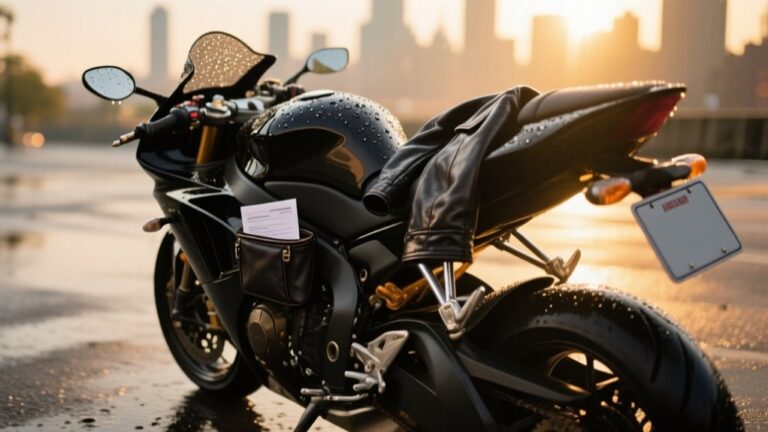
Once you make your dirt bike street legal, the big changes start right away. You’ll need to register it and display a license plate before you ride on public roads.
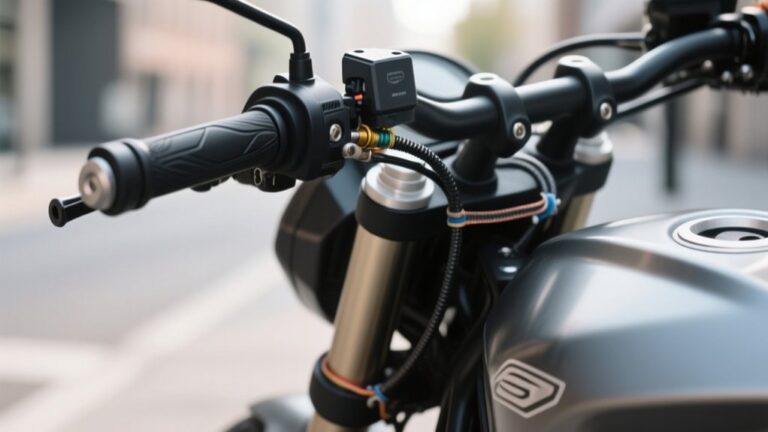
You’ll also have to install the required street equipment. That usually includes DOT-approved lights, turn signals, mirrors, and a horn, plus proper plate mounting and plate illumination.
Before you try to register or ride, it’s smart to double-check that everything meets local inspection and equipment rules—because missing items can stop your registration and make it illegal to use the bike on the road.
License And Plate
When a dirt bike becomes street legal, the DMV treats it like any other motorcycle. It must be registered, titled, and issued a license plate before you ride on public roads.
You’ll also need proof of insurance. You’ll need the right motorcycle license endorsement too. A car license alone won’t qualify.
Some states also require a VIN inspection. They may also require emissions compliance before the DMV finalizes registration.
- Confirm the title matches the bike’s VIN.
- Submit registration forms to the DMV.
- Show proof of liability insurance.
- Pass any required VIN inspection.
- Keep the license plate displayed while riding.
If your bike is labeled closed-course only, you may face rejection. This can happen until it meets state rules. Always verify local requirements before you apply.
Street Equipment Requirements
A title, plate, and endorsement get the paperwork in order, but a dirt bike still has to meet street-equipment standards before the DMV will treat it as roadworthy. For a street-legal conversion, you need DOT-approved lighting, turn signals, a license plate mount, and DOT tires. You should also add a mirror, horn, and speedometer/odometer for the vehicle inspection.
| Item | Required? | Note |
|---|---|---|
| Lighting | Yes | Headlight, tail light, brake light |
| Controls | Yes | Turn signals, mirror, horn, speedometer |
| Rolling gear | Yes | DOT tires, plate light, secure mount |
| Compliance | Yes | emissions CARB, USFS spark arrester |
Check your registration title and confirm the bike isn’t closed-course only or red-stickered.
Noise limits still apply, and an inspector can reject equipment that isn’t fully functional or properly labeled.
California Registration and Sticker Rules
In California, you typically need DMV registration for an off-highway dirt bike, and the sticker you receive is what largely determines where—and when—you can ride.
A Green Sticker means your bike meets CARB standards. With that, you can generally ride on public OHV trails year-round.
A Red Sticker usually means your bike is limited to approved seasonal riding periods, rather than unlimited access.
If your bike doesn’t have a CARB sticker, or it’s marked “Closed-Course/Competition Only,” you should assume you won’t have the same public trail access and may not be eligible in the same way for OHV registration.
Green Vs Red Stickers
California’s Green and Red sticker rules determine where and when you can ride a dirt bike on public OHV land. You should confirm your California Green Sticker or Red Sticker status before entering any OHV area.
Green Sticker bikes meet CARB emissions standards and can use public OHV trails year-round. Red Sticker machines face seasonal riding limits and may only enter designated riding areas during posted periods.
If your bike lacks sticker eligibility or is marked closed-course only, don’t assume you have access.
- Verify your DMV registration and the sticker that’s displayed.
- Check local trail restrictions before you go.
- Expect Red Sticker seasonal closures.
- Follow posted dates at all times.
- Confirm county rules, since they can be stricter.
DMV Registration Rules
Once you’ve confirmed where a green or red sticker lets you ride, also make sure your dirt bike meets California’s DMV registration rules. You need DMV registration for off-highway vehicle registration. The DMV checks vehicle eligibility and CARB emissions status before approving title and registration.
A California Green Sticker shows compliance. It usually supports year-round use on public OHV trails.
A Red Sticker means your bike is emissions-noncompliant. So registration stays limited and seasonal.
If your bike lacks a sticker or is marked competition only, it likely won’t qualify. Review your titling paperwork carefully. Keep copies of all documents.
If you want help, Dirt Legal can verify sticker status and handle filings. Still, confirm local requirements before riding.
Legal Riding Areas
Before you head out, make sure your dirt bike’s sticker status matches the area you plan to ride. California limits where and when you can use an off-highway bike based on DMV registration and CARB compliance.
Even if you have a dirt bike license, you still need proper registration DMV paperwork and a CARB sticker for legal use on public trails.
- Green Sticker: year-round access for compliant bikes
- Red Sticker: limited seasons and designated routes
- No sticker: usually no public OHV access
SVRA access: check each site’s posted rules. County regulations also apply, so confirm local limits before you ride.
Green Sticker bikes can ride more freely, while Red Sticker bikes face seasonal restrictions. Always verify current signs, site notices, and county regulations before you enter any OHV area.
What Street-Legal Equipment Does a Dirt Bike Need?
To make a dirt bike street legal, you’ll usually need the core equipment state motorcycle laws and inspection checklists require. This includes a DOT-approved headlight with high and low beams, a taillight and brake light, and front and rear turn signals.
You’ll also need a functional horn, at least one rearview mirror, and a speedometer or odometer. Add a secure license plate mount with illumination and DOT-approved street tires.
Depending on your state, you may also need a required mud flap or chain guard. If you ride on public land, install a U.S. Forest Service-approved spark arrester and keep the muffler within noise limits.
You should also confirm emissions or CARB labeling if your state requires it. Before you convert the bike, get a VIN or title inspection so officials can verify it isn’t marked closed-course only and your equipment meets local rules.
What Motorcycle License Do Dirt Bike Riders Need?

If you plan to ride a dirt bike on public roads, you’ll need a motorcycle endorsement on your driver’s license. This is typically Class M, or M1/M2 depending on your state. A standard car license alone usually isn’t enough, so check your DMV requirements first since road rules vary.
For off-highway use, a license usually isn’t required. A learners permit may allow limited practice after testing. An MSF or CMSP safety course can also satisfy training rules.
Age requirements can affect whether you get an endorsement. Street-legal conversion, registration and titling, and local proof rules can also matter. Make sure your state accepts your permit and check whether it requires extra testing or has special age rules.
If you skip the required motorcycle endorsement, you could face fines, impoundment, or suspension.
What Are the Age and Helmet Rules for Dirt Bikes?
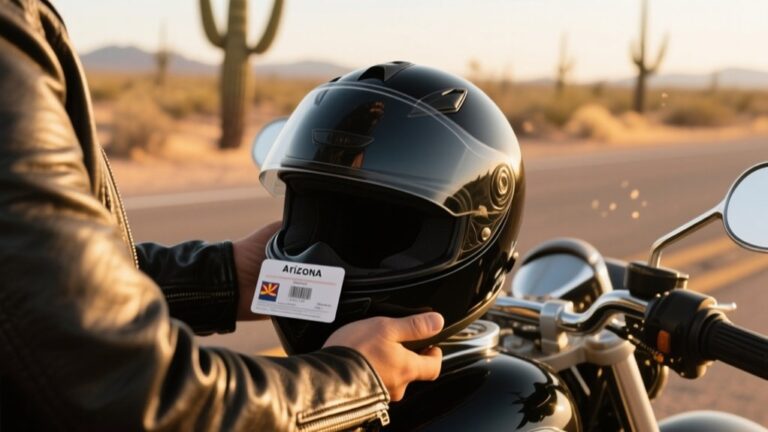
Age and helmet rules for dirt bikes vary by state and by riding area. Many places require a DOT-approved helmet on public lands or OHV trails. Some jurisdictions also set minimum age limits for unsupervised riding.
Age and helmet rules vary by state, trail, and riding area; many require a DOT-approved helmet.
You should check local helmet laws before trail riding. Regulations can differ widely depending on where you ride. In many areas, riders under 14 can’t ride alone, and supervision may require a parent or another adult nearby.
If you’re under 18, you may need to complete an OHV safety course. Or you may have to ride under a certified supervisor. Some parks also add stricter age, training, or gear requirements, so verify posted standards before you go.
Always carry proof of compliance in case officials ask. Rules can change, especially between different trails and parks.
What Happens If You Ride Without the Right License?
Riding a dirt bike without the right license or endorsement can lead to fines, citations, and even impoundment if you’re on public roads. Some states may also suspend your license or add court costs. Make sure you carry the proper motorcycle license and endorsement before you ride.
You should expect a citation during a stop. Unpaid fines can trigger license suspension. Repeat violations may bring criminal charges.
Missing OHV registration or permits can cause penalties. In a crash, insurance liability may fall on you.
If you ride under a learner permit, follow every restriction. Don’t carry passengers or ride after hours if your permit forbids it. These rules protect you, reduce legal risk, and help you keep your riding privileges intact.
Frequently Asked Questions
Can You Insure a Dirt Bike Without Street Registration?
Yes, you can insure a dirt bike without street registration. You’ll usually need an off-road or specialty policy.
You can often get coverage for theft, damage, and sometimes liability on private land or designated trails.
You generally won’t get on-road liability coverage unless you register the bike for street use.
Be sure to tell the insurer how you’ll ride it. Exclusions and limits can apply.
Do Dirt Bike Laws Vary by County or City?
Yes, dirt bike laws can vary by county or city, so check local rules before you ride.
You may need extra permits, OHV stickers, noise limits, or time-of-day restrictions that state law doesn’t require.
Once you enter a city or use public roads, you must follow municipal traffic rules too.
Review county codes, posted land regulations, and enforcement policies to avoid fines, closures, or citation risks.
Is a Learner’s Permit Enough for a Dirt Bike?
A learner’s permit can be enough only if you’re riding a street-legal dirt bike on public roads and you follow all permit restrictions.
You’ll usually still need the full motorcycle endorsement for unrestricted riding.
Some states also require a skills test or an approved course.
If you’re riding only on private property or off-road trails, you typically don’t need a permit.
Always check your local DMV and vehicle laws first.
Can Passengers Ride on a Dirt Bike Legally?
Usually, you can’t legally carry passengers on a dirt bike unless it’s designed for two-up riding and local laws allow it.
You must check the bike’s registration, the trail or road rules, and any age limits.
You’ll also need proper seats, foot pegs, and DOT-approved helmets for both of you.
If you only have a permit, you usually can’t take passengers anyway, so confirm your license terms first.
Does Off-Road Racing Require a Motorcycle License?
No, off-road racing usually doesn’t require a motorcycle license if you’re riding on private property or a closed course.
You should still check the event rules, because organizers often require age verification, waivers, training certificates, and approved safety gear.
If you’ll cross public roads or ride on highways to reach the course, you’ll need a motorcycle endorsement, registration, and insurance.
Conclusion
In the end, you need to know where and how you ride before you take your dirt bike out.
If you stay on private property or off-road land, you may not need a motorcycle license.
But street use changes everything.
Check your state rules, register the bike if required, and wear the right safety gear.
Don’t cut corners, because an ounce of prevention is worth a pound of cure.
Ride legally, ride carefully, and stay protected.