Does Riding A Motorcycle Burn Calories – Yes or No?
Yes, riding a motorcycle does burn calories.
You’re balancing, steering, shifting, and making constant small corrections, so your core, arms, and grip stay active the whole time.
A typical street ride burns about 145 to 179 calories per hour for a 150-pound rider.
Off-road riding can burn much more. It’s not a huge workout, but it does add up.
If you keep going, you’ll see how style and intensity change the numbers.
Does Motorcycle Riding Burn Calories?
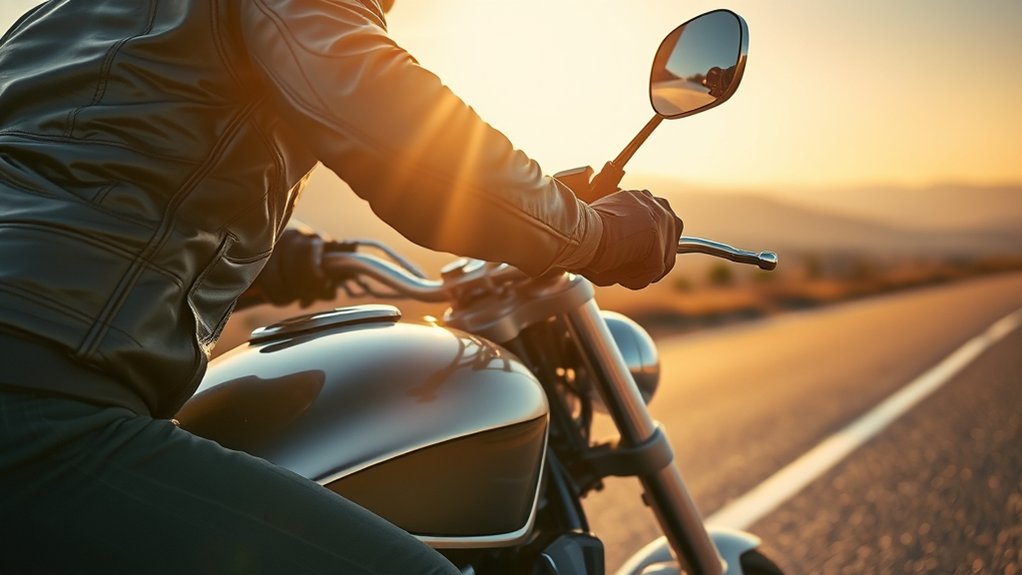
Yes—riding a motorcycle does burn calories. As Motorcycle Riders, you’re constantly making small, steady efforts that add up: balancing the bike, steering, shifting, and working the clutch and brakes.
For a typical street ride, you might burn around 179 calories per hour if you weigh about 150 pounds. That’s more than driving a car.
Your total changes with your body weight, terrain, speed, and how long you ride. No single number fits everyone.
Smartwatches and fitness apps often show higher heart rates during rides, which helps explain the calorie count. If you want the most accurate estimate, track your own rides with a heart-rate monitor.
Compare results over time to see what your body is doing.
How Many Calories Does Riding Burn by Style?
How much you burn on a motorcycle depends a lot on the style of riding. If you’re cruising on-road, you’ll usually burn a modest 145–179 calories an hour at about 150 lb. That’s a bit more than driving.
Cruising on-road usually burns a modest 145–179 calories an hour at about 150 lb.
When you ride street routes with frequent steering, braking, and clutch use, you can reach roughly 300 calories an hour. Some riders see even more.
Off-road and motocross sessions demand far more. Reports commonly land around 400 calories an hour for heavier riders and up to 600 in intense runs.
If you spend several active hours riding, your smartwatch may log 500–600 calories for the day. So choose your motorcycle style knowing the effort can range from light movement to serious training.
What Makes Motorcycle Riding Burn Calories?
Riding burns calories because you’re not just sitting there. You’re constantly balancing, steering, shifting, and making small control corrections.
That low-intensity effort keeps your core, arms, legs, and grip working together. When you’re Riding A Motorcycle, you stabilize your body and react to changing conditions.
On smoother roads, the burn stays modest. But it still reflects steady postural work that adds up over time.
On rough trails or during motocross, you recruit more muscle. You stand more often and move faster, which raises your calorie burn.
Your body weight, ride length, and posture also play a role. If you want the most accurate number, track your heart rate and active calories during your rides.
How Does Riding Compare to Driving?
Compared with driving a car, motorcycling usually burns a bit more energy.
That’s because you’re actively balancing, steering, and working the controls instead of sitting mostly still.
For a 150-pound rider, the difference is modest.
You might burn about 179 calories per hour on a motorcycle versus roughly 145 in a car.
The gap comes from constant small muscle actions.
You’re holding posture, managing the bars, braking, and using the clutch.
On the street, that extra effort adds up slowly.
So don’t expect a huge metabolic jump.
If you ride off-road or motocross, your calories per hour can rise sharply.
Sometimes they can reach 400 to 600.
In other words, street riding is a light upgrade over driving.
Dirt riding can be a real workout.
Can Motorcycle Riding Help With Weight Loss?
Yes, motorcycle riding can help with weight loss, but it’s mostly a small part of the bigger picture. You’ll burn more than driving, and longer rides can lift your heart rate and add to your weekly calorie burn.
For a 150-pound rider, road riding might use about 179 kcal/hr. Off-road sessions can reach 400–600 kcal/hr.
| Ride type | Calories/hr | Weight-loss impact |
|---|---|---|
| Car driving | 145 | Low |
| Street riding | 179 | Modest |
| Long ride | 500–1,000 | Helpful |
| Motocross | 400–600 | Strong |
| Best plan | — | Combine with exercise |
Use riding as support, not your only strategy. Add cardio, strength training, and smarter eating, and you’ll see better results.
Consult a healthcare provider for advice.
Frequently Asked Questions
Does Motorcycle Riding Improve Balance and Core Strength?
Yes, motorcycle riding can improve your balance and core strength. You’ll constantly brace your torso, shift weight, and make tiny corrections to stay stable.
That helps train your deep stabilizers, core, and coordination, especially at low speeds or off-road. Still, riding shouldn’t replace targeted exercise.
Use it as a practical supplement, and over time you’ll build better body awareness, steadiness, and control while enjoying the ride.
Can Riding a Motorcycle Increase Heart Rate Noticeably?
Absolutely—riding a motorcycle can raise your heart rate noticeably. You’re alert, balanced, and constantly making small adjustments, so your body works harder than you’d think.
On calm highway rides, you might see only a modest bump. But off-road or spirited riding can push it much higher.
It’s not a walk in the park, and your smartwatch may even log it as exercise. Individual response varies, so pay attention to yours.
Do Weather Conditions Affect Calorie Burn While Riding?
Yes—weather can change how many calories you burn while riding.
In cold air, you use extra energy to stay warm, and wind makes you grip harder and stabilize more.
Rain and slippery roads can also raise effort because you tense your muscles more.
Hot weather may reduce that extra burn, but dehydration can make the ride feel tougher.
Dress smart, stay hydrated, and ride smoothly to manage your energy.
Is Riding a Scooter Less Strenuous Than a Motorcycle?
Yes, you’ll usually find a scooter is a gentler workout than a motorcycle.
You handle lighter controls, skip clutch work, and sit in a more relaxed posture, so your body doesn’t have to hustle as much.
For commuting, that means lower calorie burn and less muscle engagement.
If you want a tougher ride, a motorcycle asks more from your core, balance, and legs, especially on twisty roads or off-road terrain.
Can Long-Distance Riding Cause Fatigue or Dehydration?
Yes, long-distance riding can absolutely cause both fatigue and dehydration.
You’re holding tension in your core, neck, and forearms for hours, while constant focus drains your mental energy.
Heat, sun, and heavy gear can make you sweat more, so don’t wait until you’re thirsty.
Drink regularly, take breaks every 1–2 hours, stretch, and use ventilated gear or electrolyte drinks to stay sharp and safe on the road.
Conclusion
So, does riding a motorcycle burn calories? Yes, but not in the dramatic way you might hope. You’re balancing, steering, scanning, and reacting the whole time. That keeps your body and mind working.
Still, it won’t replace a real workout. If you ride often, think of it as a small bonus, not a weight-loss plan.
The real payoff is that you stay alert, engaged, and in control. And that’s where the ride gets interesting.