How Should A Motorcycle Jacket Fit – Quick Facts
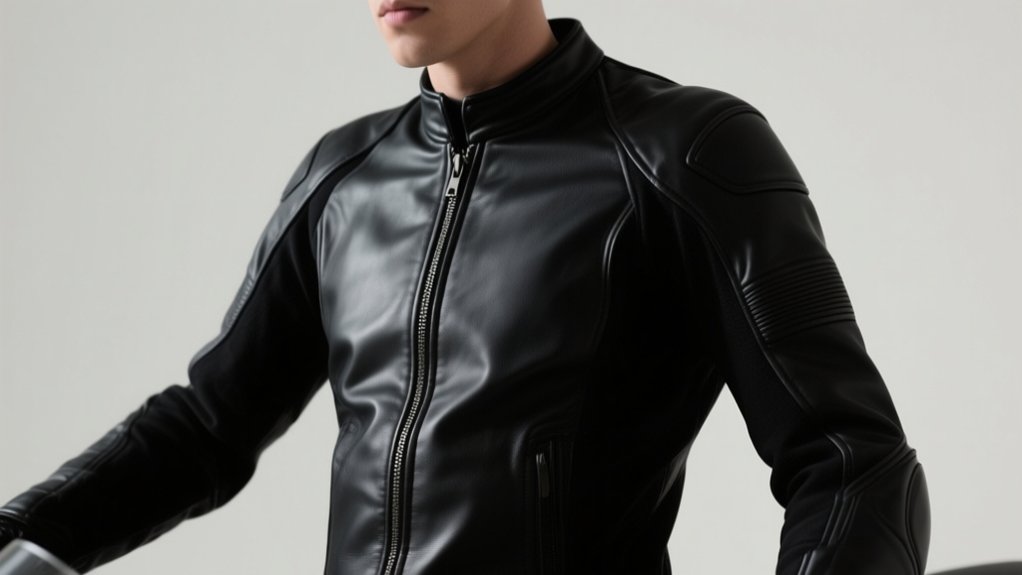
Your motorcycle jacket should fit snug but not restrictive. You need to breathe, move, and reach the bars without the shell fighting you.
The shoulders should sit on your natural shoulder line. The chest should allow a thin layer, and the waist should stay close to your torso to stop ride-up.
Sleeves should cover your wrists in riding position. Make sure the armor is centered and secure.
Keep going and you’ll see how to fine-tune the fit.
What a Motorcycle Jacket Fit Should Feel Like
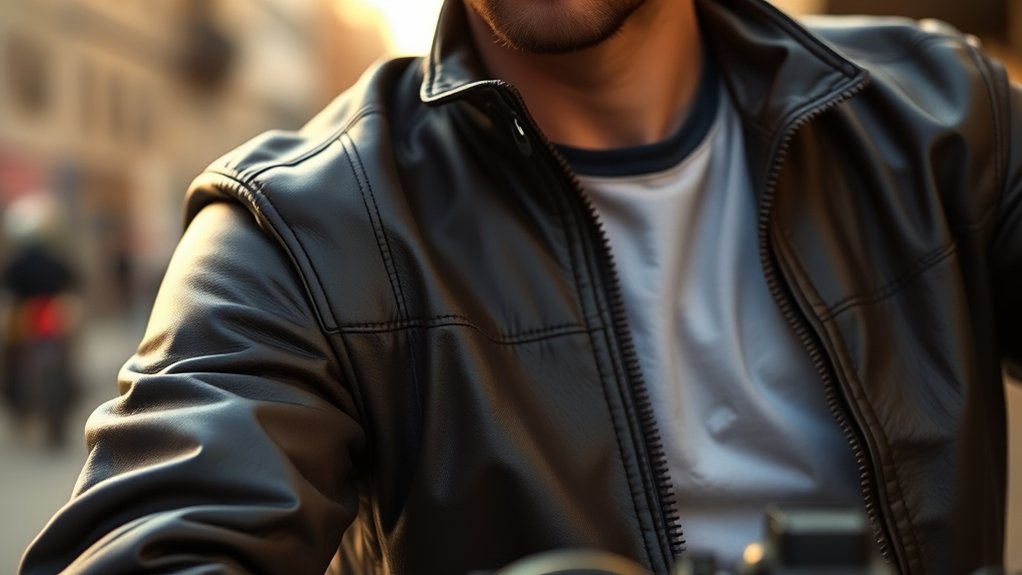
A motorcycle jacket should feel snug, but not restrictive. CE-rated armor at the shoulders, elbows, and back needs to stay flush against your body without shifting.
A motorcycle jacket should feel snug, but not restrictive, with armor staying flush and secure.
You should still be able to breathe and expand your chest comfortably. The jacket should fit close enough that it moves with you, not against you.
Sleeves should reach just past your wrist bones at rest. When you reach the bars, they should still cover your gloves.
Shoulder seams need to sit on your natural shoulder line. This helps the jacket avoid pulling or bunching.
Leave room for a thin mid-layer or a heated vest, but avoid excess fabric. In a riding stance, the jacket shouldn’t ride up at the waist.
It should also not limit neck and torso movement.
Check the Shoulders, Chest, and Waist
Once the jacket feels right overall, check the shoulders, chest, and waist in a riding stance. Your shoulder seams should sit on your natural shoulder line, not droop off the edge. This keeps your armor centered and lets your arms rotate freely.
In the chest, aim for a snug fit that still breathes. You shouldn’t feel rib squeeze or limited breathing once the CE-rated inserts are in place.
At the waist, the jacket should stay close to your torso. This helps prevent it from riding up or flapping at speed. Use cinches or a belt to fine-tune the fit.
Then lean forward as if reaching for the bars. Confirm the jacket still feels stable, mobile, and properly anchored where it matters most.
Get the Right Sleeve Length and Coverage
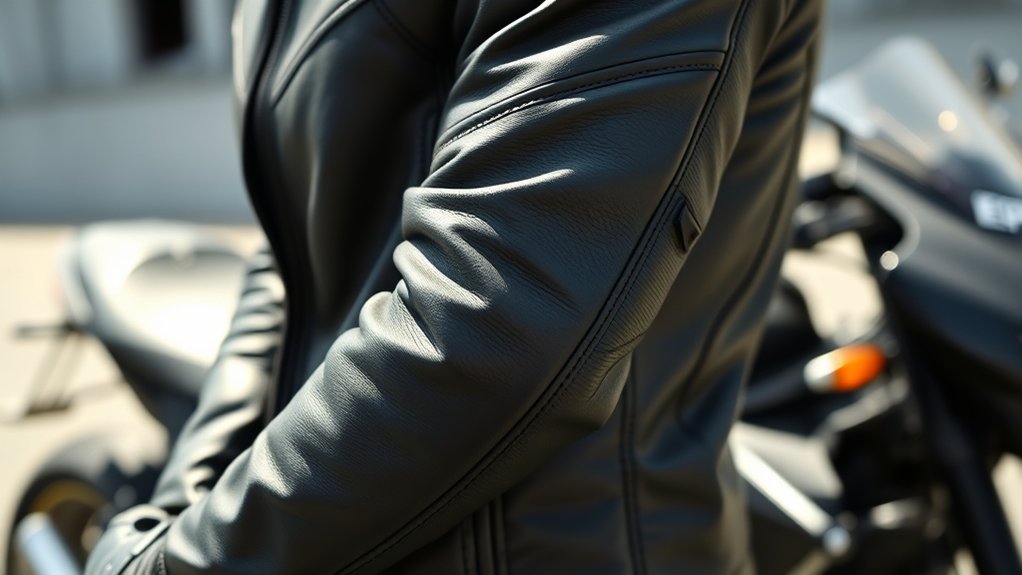
You want sleeve length that reaches the base of your wrist—or just slightly past it—so your forearms stay covered when you reach for the bars.
After that, check the fit in a riding posture, because the sleeves shouldn’t ride up or leave a gap between your glove and jacket.
Finally, make sure the cuffs sit snugly over the top of your gloves, and that your armor stays aligned at your elbow and forearm.
Sleeve Length Precision
Sleeve length on a motorcycle jacket needs to be precise. With your arm relaxed, the cuff should reach the wrist bone and cover the top of your gloves. Then it should still stay put when you lean forward on the bike.
On a leather jacket, aim for about 1–2 cm extra length when standing. This helps stop the sleeves from riding up in riding posture.
Check that the shoulder seams sit on your natural shoulder. If they’re off, the sleeve can shorten and reduce protection.
If you wear armor or layers, size the sleeves so movement stays free. Make sure the elbow doesn’t bind or bunch when you ride.
Use snaps or zippers at the cuffs to lock the fit. This keeps wind out, maintains coverage, and doesn’t limit control.
Wrist-To-Glove Coverage
When your arms are extended in a riding position, the sleeves should reach the base of your wrist and cover the top of your gloves. Aim for about 1–2 cm of overlap to keep skin covered and armor properly positioned.
| Check | Target | Why |
|---|---|---|
| Wrist bone | Ulnar styloid | Confirms length |
| Glove overlap | 1–2 cm | Blocks gaps |
| Arm bend | No rise | Protects forearms |
Test the fit by reaching for the handlebars and bending your elbows. The sleeves shouldn’t ride up or expose skin. Adjustable cuffs, zippers, and hook-and-loop closures help lock the sleeve-to-glove interface, cut wind flap, and keep movement free.
If you wear thermal liners or thicker gloves, size up slightly. This helps ensure your sleeves still cover the wrist, your armor stays aligned, and your comfort holds up.
How Tight Should a Motorcycle Jacket Fit?
Your motorcycle jacket should fit snugly enough to keep the CE armor in place, but not so tight that it restricts breathing or your arm movement.
You should still be able to wear a thin base layer and move into a riding posture without feeling like the shoulders or chest are pulling or getting tight.
A fitted waist or adjustable cinches can really help too, since they reduce flapping and keep the jacket close to your body.
Snug Yet Flexible
A motorcycle jacket should fit snugly enough to keep CE-rated armor centered over your shoulders, elbows, and back.
But it shouldn’t be so tight that protectors shift when you move.
On motorcycle jackets, aim for a close chest fit.
You should still be able to wear a thin base layer and breathe easily.
You shouldn’t feel pinching.
Extra tension reduces comfort and limits your reach.
Check that sleeves extend to your wrists and overlap your gloves when you’re in a riding position.
The shoulder seams should sit on your natural shoulder line.
Move your arms and make sure they rotate freely.
When you reach for the bars and lean forward, the jacket mustn’t pull hard across your back.
It also shouldn’t ride up from your waist.
Armor-Stable Fit
For armor to work properly, the jacket must fit snugly. The CE-rated shoulder, elbow, and back pads should stay flush against your body. They shouldn’t gap or shift as you move.
Your Motorcycle Jacket should hold the armor in place with minimal extra room. Avoid several inches of loose fabric over the padding. Aim for a close torso fit that still lets you breathe and move naturally.
A finger-to-flat-hand gap at the chest is about right. Check sleeve length while riding too. Cuffs should cover the wrist, and elbow armor shouldn’t ride up.
If you plan to layer with liners or hoodies, size up one step. Then verify the armor still stays stable. Adjustable straps and removable pads help you fine-tune fit and protection.
Should You Size Up for Layers?
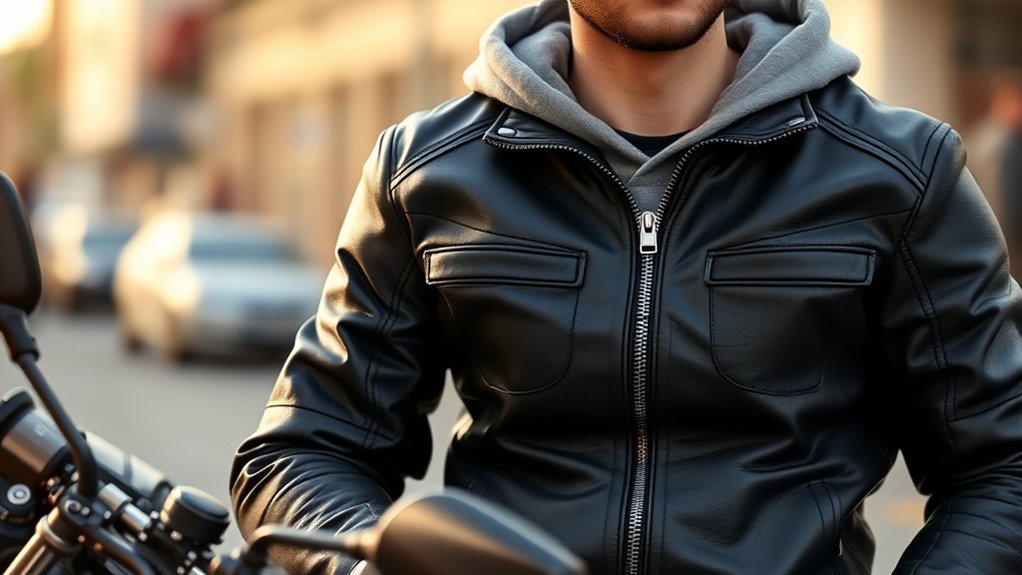
If you plan to wear insulating layers under your motorcycle jacket, sizing up by one size is often the right move. This helps the fit stay snug without compressing armor.
Keep in mind that you need room for a thin base layer and a mid-layer. Aim for about 1–2 inches of extra chest circumference. This space helps you move naturally while keeping elbow and shoulder protection in place.
Don’t oversize the jacket, though. Too much slack lets armor shift and creates wind flap that hurts stability. Also, check sleeve length and shoulder seam placement in the riding position. A larger size can pull seams off target.
If possible, choose a jacket with removable liners or adjustable waist cinches instead.
Match the Fit to Your Riding Style
Fit doesn’t stop at body measurements. It needs to match how you ride.
If you’re a sport rider, choose a snug, aero cut with tapered sleeves. Go for minimal flap so armor stays put and wind drag stays low.
If you ride a cruiser, go a bit roomier. Choose a longer torso and relaxed sleeves to support an upright posture.
For adventure or touring, match the right fit to your liners and baselayers. One size up from your street fit often works best for protection and all-day comfort.
If you commute or ride urban streets, prioritize mobility and visibility. Make sure CE armor is anchored and that there’s room for a hi-vis layer.
Always check sleeve length, glove overlap, and collar clearance with your helmet. Test it in your normal riding stance.
Pick the Right Jacket for Your Body Shape
Your body shape should guide the jacket’s cut as much as your riding position does.
Your body shape should shape the jacket’s cut, just as your riding position should.
If you’re hourglass-shaped, choose a fitted biker jacket with a cinched waist or cropped length. This highlights your definition without crowding your torso.
Pear-shaped riders should find the right A-line or slightly flared jacket. It balances hips and lets your legs move freely.
If you’re rectangular, belted or cropped bomber styles with shoulder structure can add shape. They also help keep armor in place.
Apple-shaped riders do best in longer, softly structured leather. It skims the hips and avoids tight waist pressure.
Prioritize clean seams, correct armor pockets, and a cut that tracks your proportions. This way the jacket supports control, comfort, and protection on every ride.
Test Mobility Before You Buy
Once you’ve matched the jacket to your body shape, check how it moves on the bike.
Test it in a riding stance: lean forward, reach for the bars, and confirm the shoulder seams stay aligned. Make sure the armor remains over your joints without pulling.
Next, raise your arms overhead and twist your torso. Your sleeves shouldn’t climb past your wrists, and you should keep full elbow and shoulder motion.
Then sit on a bike or chair at your seat height. Verify the back doesn’t gap or ride up, so spine and lower back coverage stay put.
Wear your usual base layers and mid-layers too.
Finally, simulate an emergency reach with one arm extended toward the brake. Confirm the armor holds position and the chest and shoulders don’t bind.
Choose Features That Improve Fit and Protection
Prioritize jackets with CE-rated removable armor at the shoulders, elbows, and back. This helps the protection sit correctly and lets you swap for fit or protection level.
For textile jackets, check that the shoulder seams follow your natural shoulder line. Also confirm the armor pockets center the pads over your joints in a riding posture.
A snug fit should keep the armor in place without restricting breathing or movement. Use adjusters to fine-tune waist cinches, sleeve tabs, cuff closures, sleeve length, and waterproof membranes.
Extend your arms to confirm your wrist stays covered. Also check that the protectors don’t shift when you move.
Choose jackets with double or triple stitching and durable zippers. This helps the shell keep its shape and maintain a stable fit over time.
Frequently Asked Questions
How Do I Know if My Armor Sits in the Right Place?
You know your armor sits right when it stays centered as you ride.
Your shoulder pads should rest on the shoulder bone, not creep toward your neck.
Your elbow armor should cover the outer joint when your arms are bent.
Your back protector should line up with your spine, from C7 to your tailbone.
If it shifts more than a finger’s width during movement, adjust the fit or sizing.
Should a Motorcycle Jacket Fit Differently for Summer and Winter?
Yes—what’s ideal in summer isn’t ideal in winter.
You’ll want a snug, ventilated jacket in hot weather so airflow keeps you cool and armor stays put.
In winter, you can size up slightly or choose one with thermal liners to fit insulating layers.
“Fit for purpose.” Keep shoulders and sleeves close in both seasons so CE armor stays aligned and protection doesn’t shift.
Can I Alter a Jacket for a Better Motorcycle Fit?
Yes, you can alter a jacket for a better motorcycle fit, but you need to do it carefully.
You should use a tailor who knows riding gear.
Sleeve, waist, and hem changes can shift armor if done poorly.
Keep cuff coverage in the riding position, preserve armor alignment, and avoid major sewing on waterproof membranes.
If the jacket needs extensive changes, you’re better off choosing a different size or model.
How Much Back Length Should a Riding Jacket Have?
You should aim for a back length of about 18–24 inches from the base of your neck.
The hem should reach the top of your buttocks when you’re seated.
That keeps your lower spine covered and your armor centered.
For sport riding, choose a slightly longer tail so it won’t ride up.
Always test the jacket on the bike.
A few inches can make the difference between protection and exposure.
Do Women’s Motorcycle Jackets Fit Differently Than Men’s?
Yes, women’s motorcycle jackets usually fit differently than men’s. You’ll often see a tapered waist, more room at the hips, shorter torso and sleeve lengths, and narrower shoulders.
These cuts help the armor stay aligned and reduce excess fabric. Always check the brand’s size chart, since bust, waist, and hip measurements matter more than chest alone. Fit can vary a lot between manufacturers.
Conclusion
A motorcycle jacket should fit like protection, not armor. If you test it properly, you’ll see the truth: a good fit gives you control, comfort, and coverage only when it matters.
Too loose, and it shifts in a crash. Too tight, and it limits movement.
Choose a jacket that matches your body, your riding style, and your layers. When the fit is right, you ride safer and feel it every mile.