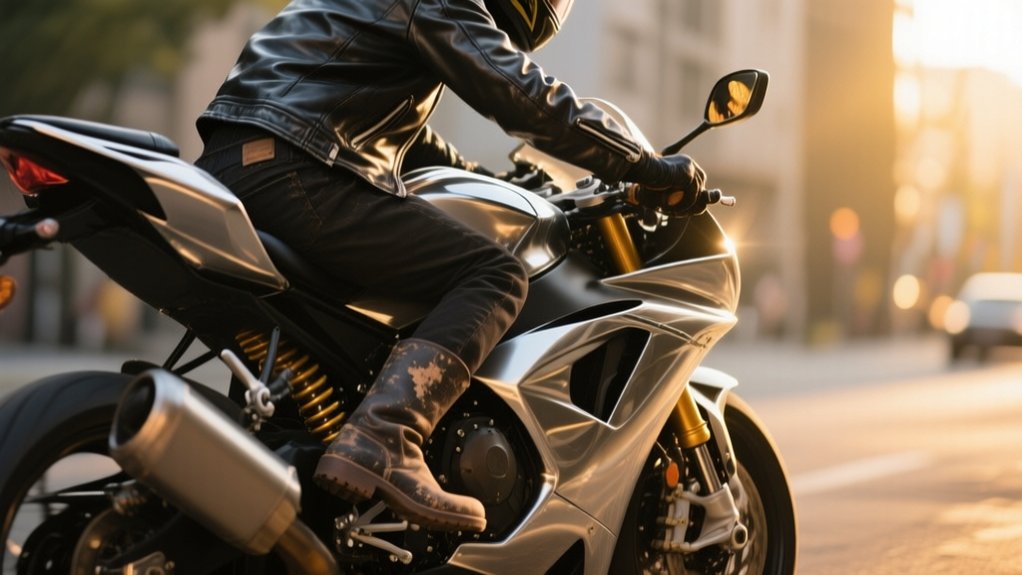
Is Riding A Motorcycle Hard – Fact Check
Yes, riding a motorcycle can feel hard at first because you need precise balance, coordinated clutch and throttle control, and sharp situational awareness all at once. Smaller, lighter bikes ease this learning curve, while larger, heavier motorcycles demand more skill and can slow your progress.
Building core skills gradually and prioritizing defensive riding boosts confidence and safety. If you want to develop smoothly and avoid common pitfalls, understanding these challenges and solutions is essential.
Why Motorcycle Riding Feels Hard at First
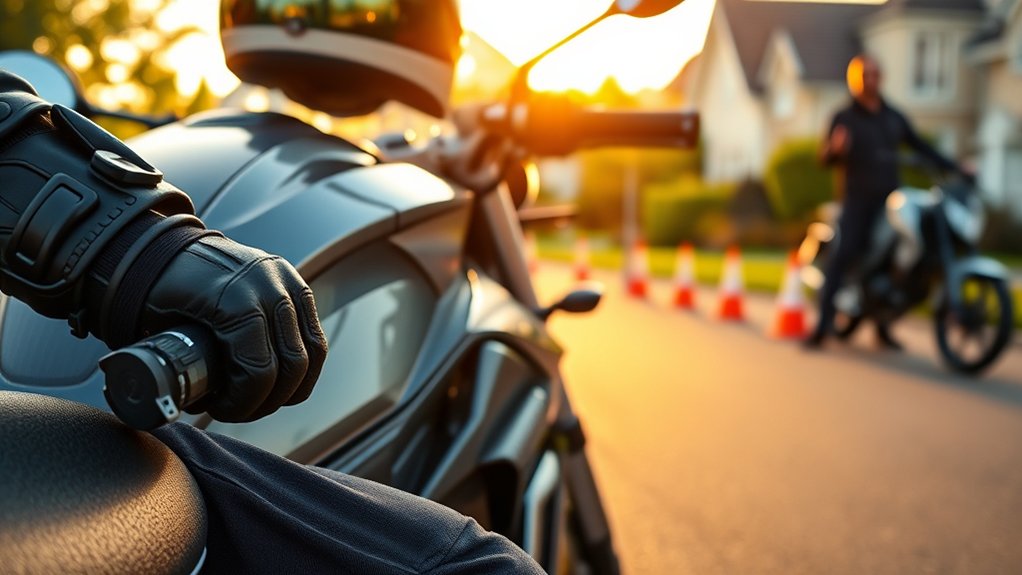
Although riding a motorcycle may seem thrilling, it feels hard at first because you have to master balancing the bike, coordinating the clutch and throttle, and making precise steering inputs simultaneously.
Riding a motorcycle is exciting but challenging, requiring balance, clutch control, throttle coordination, and precise steering skills.
Learning how to ride involves developing these skills over months or years with consistent practice.
Starting on smaller-displacement bikes (50–500cc) can accelerate your progress since they’re lighter, less powerful, and easier to handle.
Larger 600–1000cc motorcycles often increase difficulty at low speeds and can slow your development due to their weight and power.
You must also build situational awareness to handle early hazards like oil or sand on the road, which demand practiced technique.
Wearing proper protective gear and avoiding alcohol are critical safety steps while you develop confidence and competence in riding fundamentals.
Common Beginner Motorcycle Riding Challenges
Facing common challenges when learning to ride a motorcycle is inevitable, but understanding them helps you improve faster. If you’ve never ridden before, expect a steep, uneven learning curve. Small bikes (50–250cc) help build confidence, but shifting to heavier machines can feel like a setback.
Low-speed control and maneuvering often trip up beginners, especially on heavier bikes. This makes parking, U-turns, and tight corners tougher. Improper cornering, such as excessive lean or poor line choice, causes many solo crashes, so practicing slow-speed countersteering and throttle-lean coordination is essential.
Early on, focus on visibility and hazard recognition. Wear high-visibility gear, scan for road hazards, and never ride under the influence. Invest in quality helmets and protective gear, and build your skills gradually on manageable bikes for safer, more effective learning.
How Motorcycle Bike Size Shapes Your Learning Curve
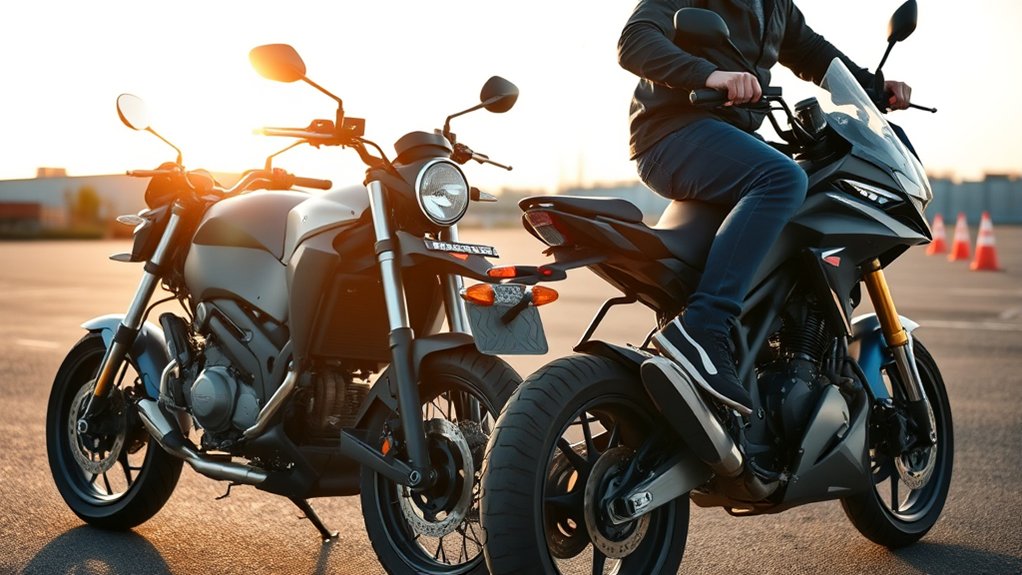
Your bike’s size plays a big role in how fast you pick up riding skills. Smaller-displacement models tend to be more forgiving, making it easier to build confidence as you learn.
On the other hand, heavier and larger bikes can be tougher to handle, especially when you’re working on low-speed maneuvers.
If you’re not quite ready for that kind of challenge, a bigger bike might actually slow down your progress. So, it really helps to match your bike choice with where you’re at skill-wise. That way, you can keep improving steadily without running into unnecessary setbacks.
Impact Of Bike Displacement
Mastering motorcycle riding hinges markedly on the displacement of the bike you choose. Smaller-displacement motorcycles, like 200–500cc models or 50cc scooters, offer lighter weight and forgiving handling, making them ideal for beginners.
They let you accumulate miles quickly, sharpening your skills without overwhelming you. For example, logging thousands of miles on a 250cc bike builds confidence and control efficiently.
Conversely, stepping up to heavier, midsize motorcycles of 600–1000cc can slow your progress. Their increased weight, higher center of gravity, and stronger acceleration often challenge your balance and low-speed maneuvers, setting back development.
Matching bike displacement to your current skill level matters most. Choosing a manageable motorcycle or scooter keeps learning achievable, while oversized bikes raise difficulty unnecessarily and risk eroding your confidence.
Skill Development Challenges
Although choosing a motorcycle with a larger engine might seem appealing, it can complicate your skill development. When buying a motorcycle, starting with smaller-displacement bikes (200–500cc) provides a lighter, lower, and more forgiving platform that accelerates your learning curve.
Frequent riding on these manageable bikes helps you accumulate miles rapidly, building foundational skills efficiently. Conversely, jumping to heavier machines with higher centers of gravity, like 600–1000cc models, often causes regression in low-speed control, parking, and U-turns, setting back progress by months or even years.
Practicing proper cornering and control on appropriately sized bikes reduces crash risks and boosts confidence. For peak skill development, prioritize manageable weight and seat height over engine size to guarantee steady, stress-free improvement.
Matching Bike To Rider
Choosing the right motorcycle size acts as a foundational step that shapes your entire learning curve. When riding a motorcycle, starting with a 200 to 500cc bike, like a Ninja 250 or a small commuter, builds your confidence and skills rapidly.
These lighter, lower-center-of-gravity machines improve your control during low-speed maneuvers, parking, and U-turns, making crawling before walking easier. Jumping to a 600 to 1000cc or heavier bike too soon often sets you back, slowing development by months or even years.
You’ll ride more frequently on smaller bikes, which accelerates your progress. Ergonomics matter, too; matching seat height and weight to your body guarantees comfort and control.
Ultimately, prioritize a bike that makes you enthusiastic to ride. If fear or frustration persists, downsizing will speed up your learning and enjoyment of riding a motorcycle.
Key Safety Habits That Make Riding Easier and Safer
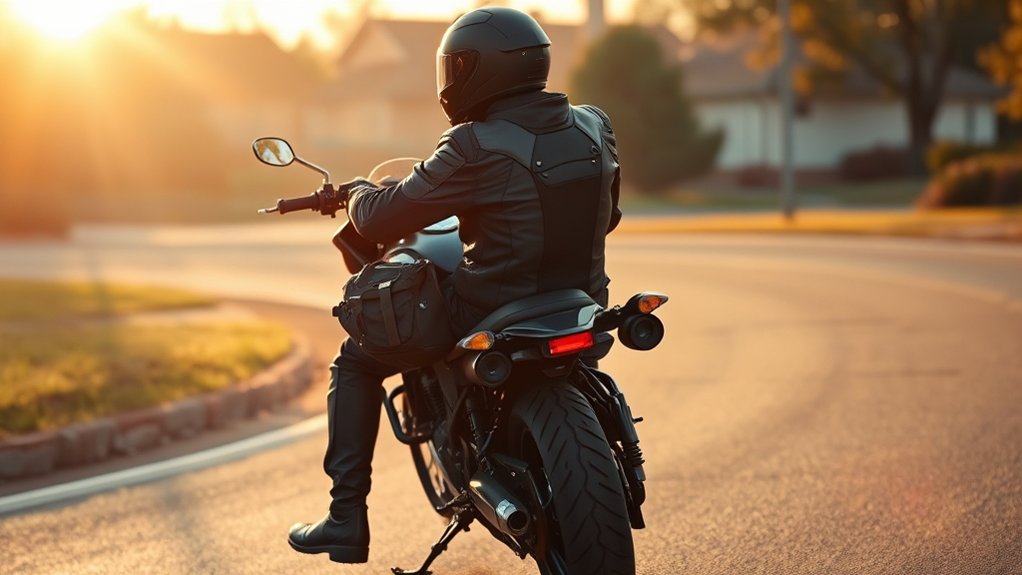
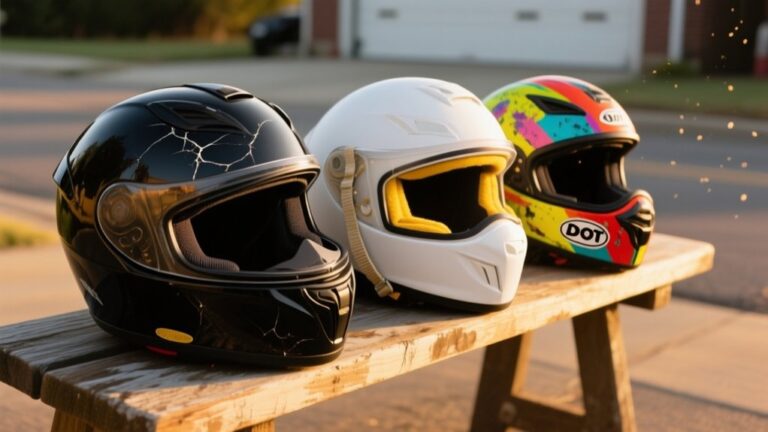
You should always wear a DOT- or Snell-certified helmet along with full protective gear. This really helps cut down your risk of injury.
And remember, never ride after drinking—even a little bit can mess with your reflexes and judgment.
It also pays to adopt defensive riding techniques. Things like making sure you’re as visible as possible and anticipating hazards ahead can keep you safer and give you more control on the road.
Helmet And Gear
Always wearing a DOT or ECE-certified helmet dramatically lowers your risk of fatal head injury. Nearly 40% of motorcycle deaths in 2020 involved riders without helmets.
You need more than just a helmet to maximize safety. Full protective gear like textile or leather jackets and pants with armor, gloves, and boots significantly reduces road rash and impact injuries.
This gear also boosts your confidence and control during minor slides, making riding easier and safer. High-visibility clothing helps motorists spot you sooner, which cuts down collision risk far better than dark outfits or loud pipes alone.
Prioritize quality gear that fits well and meets safety standards. It’s essential for protecting you on every ride. Proper helmet and gear use remain the cornerstone of smart, safe motorcycling.
Avoid Riding Drunk
Protective gear greatly reduces injury risk, but staying alert and sharp plays an equally essential role in safe riding.
Even though alcohol may seem to dull nerves, it markedly impairs your reflexes and judgment, increasing the risk of missing hazards or misjudging turns and braking.
Alcohol was linked to about 32% of motorcycle fatalities in 2020, so never ride after drinking or if you feel any impairment.
Plan ahead: if you’ll be drinking, use a ride-share, taxi, or have a sober passenger, or leave your bike at home to avoid temptation.
Combine alcohol avoidance with wearing a helmet and maintaining situational awareness to multiply your chances of avoiding crashes.
If you see an impaired road user, increase your following distance to allow extra reaction time.
Defensive Riding Techniques
Mastering defensive riding techniques markedly boosts your safety and control on the road.
Start by always wearing a DOT or Snell-approved helmet and high-visibility gear. Common sense tells us that being seen dramatically reduces your risk.
Ride sober and well-rested. Even minimal alcohol impairs the reflexes needed for quick maneuvers.
Practice slow-speed control, proper braking, and cornering in a controlled setting before tackling higher-powered bikes. Use defensive positioning to avoid drivers’ blind spots, maintain an escape route, and scan far ahead for hazards like gravel or oil.
Match your bike’s size and power to your skill level. Smaller machines build confidence and reduce mistakes.
These habits rely on common sense and discipline, making riding easier and markedly safer.
Why Rider Training Matters More Than Gear or Loud Pipes
While gear and loud pipes often grab attention, rider training plays a far more essential role in keeping you safe on the road. Proper training teaches you critical skills like braking, cornering, hazard scanning, and throttle control. These are abilities that protective gear or loud exhausts simply can’t replace.
When you start on a common motorcycle with a small-displacement engine, you build muscle memory and situational awareness more effectively than jumping to heavier bikes. Training also targets decision-making, helping you avoid risks like riding under the influence or skipping helmets, which remain major causes of fatalities.
Defensive-riding techniques, learned through formal courses and repeated practice, empower you to detect hazards early and maintain control. This makes rider training your most important long-term safety investment.
Building Skills Step-By-Step to Ride With Confidence
Building your motorcycle skills gradually is key to gaining confidence and control on the road. Start on a small, low-weight bike to accumulate frequent seat time and save money on initial expenses.
Gradually building motorcycle skills on a lightweight bike boosts confidence and cuts initial costs.
Master foundational skills like low-speed clutch and throttle control, smooth braking, and slow U-turns before progressing. Practice specific maneuvers in controlled environments such as empty parking lots to build reflexes and situational awareness.
Remember, riding defensively and sober guarantees safety as you develop.
- Choose a small-displacement bike (125–500cc or scooter)
- Focus on basics before increasing speed or bike size
- Drill emergency braking and slow-speed balance regularly
- Use high-visibility gear and avoid alcohol entirely
Step-by-step skill building speeds learning while saving money and reducing crash risk.
How to Build Confidence Without Jumping to a Bigger Bike
You’ll find that confidence grows steadily when you stick with a smaller, lightweight motorcycle rather than rushing to a bigger bike. Choose a 200–500cc or smaller model to build frequent, confidence-boosting miles.
Focus on accumulating seat time through short, varied rides: city streets, light highways, and low-speed twisties. This helps sharpen your technique effectively.
Practice foundational skills like slow-speed control, u-turns, and controlled braking before tackling larger machines. Don’t let loud pipes or the allure of a bigger bike tempt you into an ego-driven upgrade. True improvement comes from refined skill, not displacement.
Use protective gear and high-visibility clothing to reduce anxiety, and consider a better horn to enhance your presence on the road. This deliberate approach solidifies your confidence without unnecessary risks.
When to Reconsider Your Bike Choice for More Enjoyment
How do you know when it’s time to reconsider your bike choice for more enjoyment? If your rides often end in anxiety or you avoid maneuvers like parking or twisty roads, it’s a good idea to evaluate your bike.
If riding feels stressful or you dodge tricky maneuvers, it might be time to rethink your bike choice.
Larger, heavier bikes with higher centers of gravity can stall skill development and erode confidence. Matching your bike size to your experience is vital for progress and safety.
Consider these signs it’s time to switch:
- Frequent avoidance of basic maneuvers
- Long skill plateaus after moving to a bigger bike
- Feeling dread instead of excitement before riding
- Struggling with low-speed handling and control
Choosing a lighter, easier-to-ride bike promotes competence, reduces crash risk, and boosts long-term enjoyment. It’s a good idea for any rider.
Frequently Asked Questions
What Types of Motorcycles Are Best for Experienced Riders?
For experienced riders, sport bikes are often the best choice because they offer exceptional cornering and braking capabilities. You’ll appreciate 600cc to 1000cc machines for their race-proven performance and sharp handling.
Lightweight middleweights like the SV650 balance agility and usable torque, ideal for both street and track. Just make sure your bike’s weight and power match your skill level, so you can develop your abilities without being overwhelmed.
How Does Weather Affect Motorcycle Riding Difficulty?
Weather throws a curveball at your ride, making every twist and turn a test of skill.
Rain slashes road grip by up to 40%, forcing you to brake earlier and steer smoother to avoid slides.
Cold stiffens tires, reducing cornering control below 40°F.
Wind gusts push your bike off course, demanding constant corrections.
Fog and poor visibility hide hazards and you, so boost your visibility with bright gear and lights.
What Maintenance Tips Keep a Motorcycle Riding Smoothly?
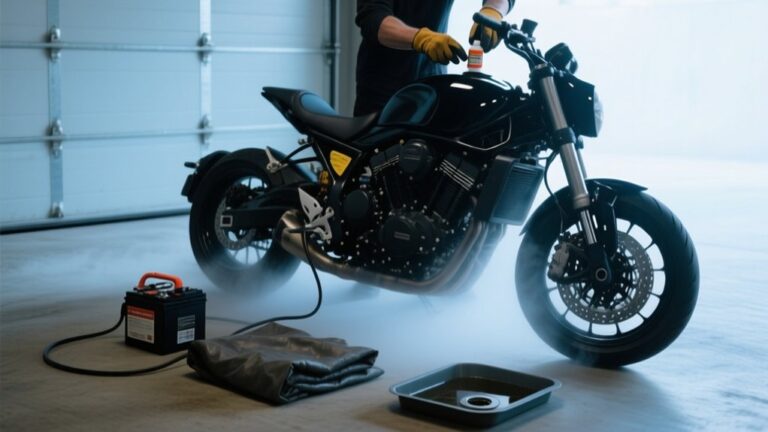
To keep your motorcycle riding smoothly, regularly check and adjust the chain tension within the manufacturer’s specs. This helps prevent jerky power delivery and premature wear.
Maintain proper tire pressure for better handling, change engine oil and filter as recommended, and inspect brake pads and fluid frequently.
Don’t forget to clean and lubricate the chain every 300 to 600 miles. Keep the air filter clean and make sure the battery stays charged and terminals are corrosion-free.
Can Motorcycle Riding Improve Physical Fitness?
You build core strength balancing turns, you strengthen neck muscles countersteering corners, and you develop leg power pushing a heavy bike. Motorcycle riding improves your coordination and reaction time, enhancing your overall control.
While it’s primarily an aerobic and light-strength activity, it won’t replace structured workouts for major fitness gains. Still, regular riding boosts your neuromuscular skills and provides moderate physical fitness benefits you shouldn’t overlook.
Are There Psychological Benefits to Riding Motorcycles?
Yes, riding motorcycles offers psychological benefits by acting as a mindfulness practice. When you focus intently on the road, your senses engage fully, helping you enter a flow state that reduces stress and boosts mood.
Over time, as your skills improve, you gain confidence and self-efficacy. Plus, social connections from group rides enhance well-being. Just remember, safety and appropriate bike choice are key to maintaining these positive effects.
Conclusion
Riding a motorcycle may feel tough at first, but remember: nearly 80% of beginners improve dramatically within their first 20 hours of practice. By focusing on safety habits, proper training, and choosing the right bike size, you’ll build confidence steadily.
Don’t rush into bigger bikes or flashy gear. Master the basics first. With patience and the right approach, riding will become second nature, transforming challenges into enjoyable freedom on two wheels.