What Is A Naked Motorcycle – What It Really Means
A naked motorcycle is a sport-bike–derived machine with the fairings removed. That means you can see the frame, engine, and other hardware.
You get a lighter, more upright bike that’s usually easier to handle in traffic. It also tends to feel more comfortable on daily rides.
In exchange, you give up some wind protection and high-speed aerodynamics. You also get simplicity, lower repair costs, and a stripped-back look.
If you want to know how it rides, how it compares, and whether it fits your needs, there’s more to explore.
What Is a Naked Motorcycle?

A naked motorcycle is a sport-bike–derived machine with its fairings and body panels removed or minimized, leaving the engine, frame, and other mechanical parts exposed.
You’ll usually call it a Naked Bike when you want a simpler, stripped-back version of a sport-bike.
Manufacturers often keep upright handlebars and forward footrests, so you get a more neutral setup than on a fully faired machine.
Because there’s less bodywork, the bike often weighs less and can cool better in traffic.
You may also notice lower prices than comparable sport bikes, plus solid city fuel economy and useful low-RPM torque.
The exposed mechanicals give it a rugged, aggressive look, whether it’s factory-built or converted by removing fairings from an existing sport-bike.
How Naked Bikes Ride Differently
Unlike fully faired sport bikes, naked bikes put you in a more upright position. With higher handlebars and less aggressive foot placement, your wrists and neck usually take less strain.
Naked bikes favor a more upright posture, easing strain on your wrists and neck.
You’ll notice the naked bike feels lighter and more responsive at low speeds. Its exposed engine and slimmer bodywork cut weight and sharpen throttle response.
In city traffic, that makes stop-and-go riding easier than on a sport bike. At highway pace, though, the missing fairings let more air hit you. Drag rises and comfort drops.
You may want a windshield for longer rides. The open design also cools parts well, but it leaves them more exposed to debris, weather, and corrosion. So you’ll likely clean and inspect it more often.
Naked Bike Pros for Everyday Riding

Naked bikes often make everyday riding easier on your wallet and in the saddle. You usually pay about $500 less than comparable faired sport bikes, and that savings can keep going with simpler repairs. For short-distance riding, the upright position, higher bars, and relaxed footpeg placement help reduce wrist and lower-back strain.
- Better city control: lighter weight and exposed engines can help you accelerate smoothly. You can also thread traffic with less effort.
- Lower upkeep: fewer body panels mean less expensive damage after minor drops or parking-lot tips.
- Efficient commuting: naked bikes often return slightly better urban fuel economy.
You’ll also notice strong low-end torque. It makes stop-and-go riding feel lively and easy to manage.
Naked Bike Cons You Should Know
You’ll notice that a naked bike’s exposed engine and hardware tend to pick up more dirt, grime, and corrosion risk. Because of that, you’ll usually need to clean and inspect those parts more often.
On top of that, you don’t get as much weather protection. So mechanical parts can end up dealing with more rain, road spray, and rust over time.
And when you’re riding at highway speeds, the missing fairings can create extra wind drag. You may feel more blast, and you could also see lower top speed and slightly worse fuel economy.
Exposed Engine Wear
With the engine left in the open, a naked bike’s metal parts take more abuse from dust, road grime, salt, and debris.
This can speed up surface corrosion and wear compared with a fully faired sport bike.
When you ride a naked motorcycle, the exposed engine also leaves hoses, wiring, and fasteners easier to inspect.
But they’re harder to protect.
Heat can build around nearby parts, and road spray can reach connectors and crevices more easily.
So you’ll need to clean, dry, and check them often.
- Inspect cylinder heads and fins regularly.
- Apply anti-corrosion spray to exposed metal.
- Lubricate and check gaskets during cleaning.
That extra upkeep helps you slow grime buildup, catch early damage, and keep your bike looking sharper longer.
Weather Protection Limits
One major downside of a naked motorcycle is limited weather protection.
Without a fairing or windscreen, you’re far more exposed to wind, rain, cold air, and road spray.
That means your riding comfort drops fast when conditions get rough.
With no windshield, you’ll feel more moisture and chill, especially in wet or snowy weather.
You’ll also need solid waterproof gear to stay comfortable.
Exposed parts take more abuse from salt and debris too, so corrosion can become a real concern.
After a rainy ride, expect extra time cleaning bolts, seams, and other hard-to-reach spots.
In short, naked bike weather protection is basic, not complete.
Highway Wind Drag
At highway speeds, a naked bike has a lot less aerodynamic help than a fully faired sport bike.
So you feel more wind resistance and the machine has to work harder through the air.
That extra drag can cut fuel economy and trim top speed.
It can also make crosswinds push you around more than you’d like.
With limited wind protection, your chest, helmet, and arms take the blast.
That adds riding fatigue fast on 60–80+ mph stretches.
You may also notice more buffeting and more road spray hitting exposed parts.
- Expect stronger wind pressure at cruising speed.
- Plan on more riding fatigue on long rides.
- A windshield can help, but it may change handling.
How Sport Bikes Compare to Naked Bikes
When you compare sport bikes and naked bikes, you’ll notice some pretty clear differences right away.
Sport bikes typically come with full fairings, clip-on handlebars, and a tucked riding position. All of that helps improve aerodynamics and supports track-style performance.
On the other hand, naked bikes remove most of that bodywork. You’ll see the engine and frame more clearly, and the handlebars are usually higher, so you sit more upright. That makes them feel more comfortable for everyday riding and easier to maneuver in traffic.
You do trade a bit of top-end speed and wind protection with a naked bike, though. In return, you often get a lighter bike, a slightly lower cost, and better practicality for real-world commuting.
Sport Bike Basics
Sport bikes are built for speed and track-ready handling. They differ from naked bikes in both shape and intent.
You’ll notice full fairings, low clip-on bars, and rear-set pegs. This creates a tucked riding position for cornering.
Their aerodynamic shell cuts drag and helps push top speeds past 200 mph on extreme models. It also shields the engine from debris.
Compared with a naked version, you get sharper braking and quicker acceleration. You also get more stable high-speed control, though comfort usually drops on long rides.
- Fairings improve airflow and branding space.
- Aggressive ergonomics favor track days.
- Performance comes with a higher cost.
If you ride twisties or chase lap times, a sport bike fits better. If you want easier commuting, a naked bike usually makes more sense.
Naked Bike Differences
A naked bike takes the same basic sport-bike platform and strips off the full fairings and body panels.
That leaves the engine, frame, and other mechanical parts exposed.
When you compare naked bikes with sport bikes, you’ll notice higher handlebars and a more upright riding position.
This eases wrist and neck strain in traffic and on longer rides.
Sport bikes use full aerodynamic fairings to boost stability, top speed, and fuel economy at speed.
Naked bikes create more drag on the highway, so you may feel that difference at higher speeds.
You also get lighter weight, lower repair costs after minor drops, and often about $500 less in bodywork.
Sport bikes chase peak power and track handling, while naked bikes favor torque, agility, and daily practicality.
Naked Bike vs. Sport Bike: Which Fits You?
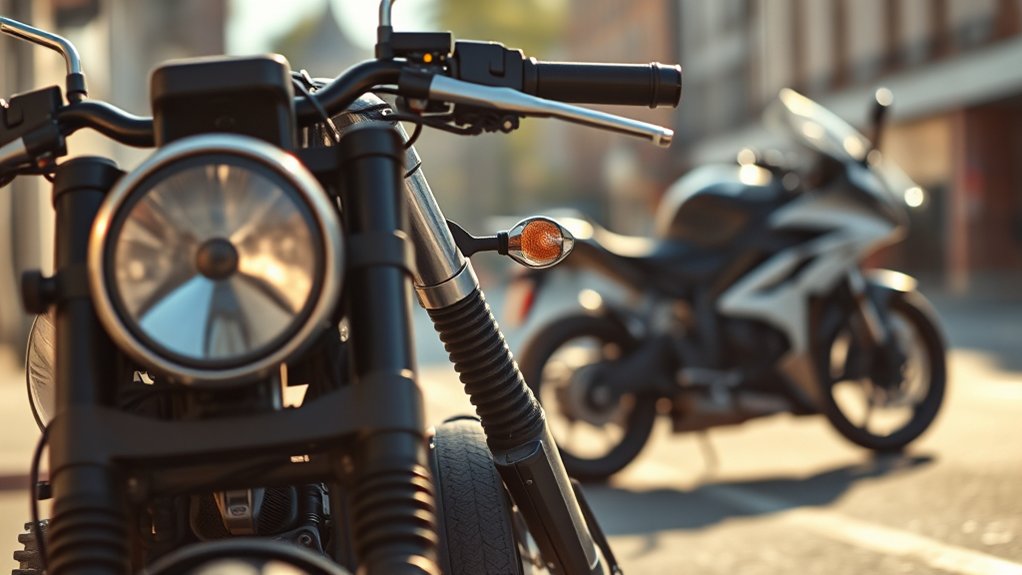
Choosing between a naked bike and a sport bike comes down to how and where you ride.
A naked bike strips off fairings, so you get a lighter machine with exposed mechanicals, upright comfort, and easier city manners.
A sport bike wraps that same idea in bodywork, clip-ons, and a tucked stance for speed and cornering.
- Ride comfort: Choose a naked bike if you want less wrist and back strain.
- Performance focus: Choose a sport bike if you care most about aero and track pace.
- Everyday value: A naked bike often costs less and is cheaper to fix after a tip-over.
If you commute, tour, or want simple practicality, the naked bike fits.
If you chase top-end performance, the sport bike suits you better.
Common Naked Bike Types and Examples
Now that you know how naked bikes compare with sport bikes, it helps to look at the main types you’ll see on the road.
Standard naked models like the Honda CB500F, Kawasaki Z400, and Yamaha MT-07 offer a sporty chassis, upright comfort, and less weight for city use.
Cruiser-naked options, including the Honda Rebel, Indian Scout Bobber, and Harley-Davidson Street Rod, blend low-slung seating with relaxed torque.
If you want more punch, streetfighters such as the KTM 990 Duke and Yamaha MT-10 keep high-output engines and aggressive tuning with higher bars.
You’ll also find custom builds, where riders strip a bike without fairings and reshape it for a personal look.
Frequently Asked Questions
Do Naked Motorcycles Have More Maintenance Than Sport Bikes?
Usually, you won’t do more major maintenance on a naked bike than on a sport bike. Many models share the same engines and service intervals.
That said, you’ll inspect exposed parts more often. You’ll clean grime, check wiring, hoses, and connectors, and watch for corrosion after rides.
You may also replace damaged cosmetic parts more cheaply. At highway speeds, you might spend a bit more on fuel.
Are Naked Bikes Good for Long Highway Trips?
Yes, you can use a naked bike for long highway trips.
You’ll likely want a windshield to cut windblast.
You’ll usually sit more upright, so you may feel less wrist and neck strain than on a sport bike.
Still, you’ll get more heat and drag, and fuel economy can drop.
Add luggage if you need storage.
Plan for more frequent fuel stops on long stretches.
Can Beginners Ride Naked Motorcycles Safely?
Yes, you can ride a naked motorcycle safely as a beginner.
If you’re not auditioning for a crash montage, you’ll be fine.
You’ll likely appreciate the upright posture, lighter weight, and friendly power delivery.
Models like the Honda CB500F or Kawasaki Z400 are good starting points.
Start small and practice in low-traffic areas.
Wear full gear every time.
For highway use, add a windscreen if you want more comfort.
Also remember exposed parts may need a bit more care and attention.
What Accessories Improve Comfort on a Naked Bike?
You’ll feel much more comfortable with a small windscreen, bar-end mirrors, and wider handlebars or risers.
They’ll cut windblast and ease wrist and shoulder strain.
Swap in a thicker gel or memory-foam seat to reduce soreness on longer rides.
Add heat shields or tank pads to manage engine heat.
Use a tank bag, tail bag, or soft panniers to carry gear without sacrificing comfort.
Why Do Naked Bikes Get Worse Wind Protection?
You get worse wind protection because the bike leaves you out in the open.
Without a full fairing or windscreen, air hits your chest, helmet, and shoulders directly.
Exposed engine parts and frame tubes stir up turbulent flow.
Upright bars and seating put you farther into the wind.
That adds drag, buffeting, and fatigue at speed.
Conclusion
So, if you’re eyeing a naked motorcycle, you’re really choosing a bike that trades full fairings for a simpler, more upright ride.
You get great everyday comfort, easy handling, and plenty of real-world fun, though you may give up some wind protection and top-end focus.
If you want a machine that feels modern but also a bit like a trusty steed from another age, a naked bike could be your perfect match.