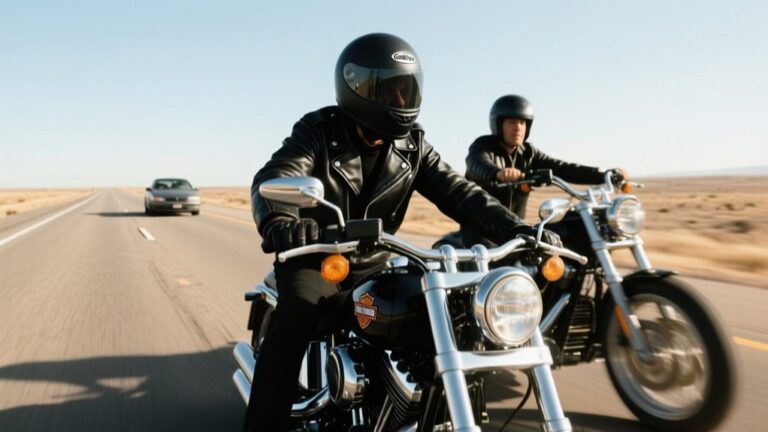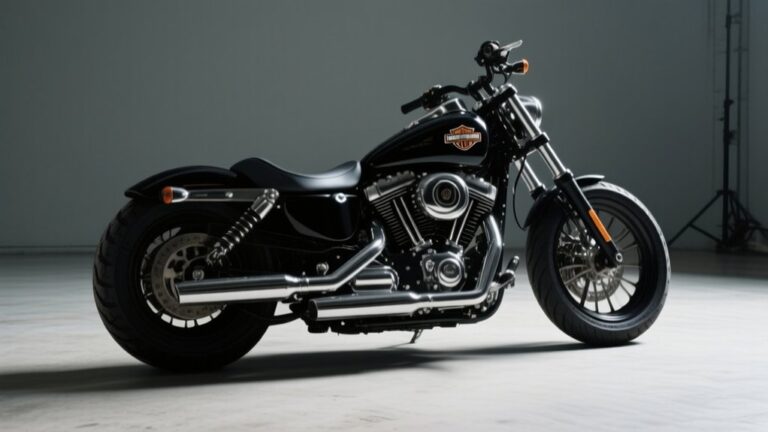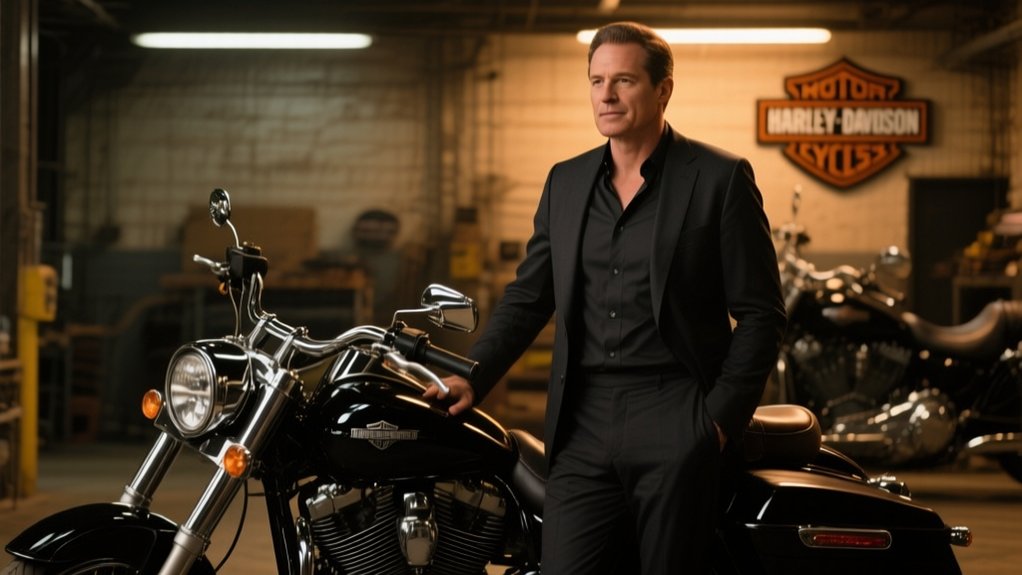
Who Is The Ceo Of Harley-davidson – Behind the Brand
You’re looking at Artie Starrs, Harley-Davidson’s CEO since October 2025. He’s leading the brand’s transformation.
With a strong background running global brands like Topgolf and Pizza Hut, he’s focused on attracting younger, diverse riders and driving innovation. He’s especially interested in electric motorcycles like LiveWire.
Starrs aims to blend Harley’s iconic legacy with fresh energy, community building, and global expansion. There’s much more to understand about how his leadership shapes Harley’s future.
Who Is Artie Starrs, Harley-Davidson’s New CEO?
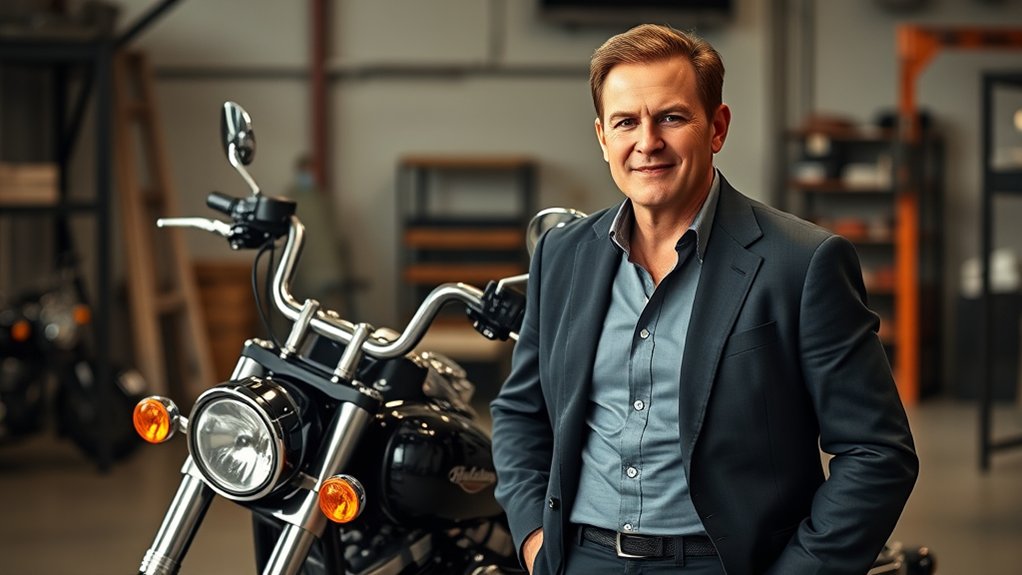
Wondering who Artie Starrs is and why his appointment matters? Artie Starrs became Harley-Davidson’s President and CEO starting October 1, 2025.
Curious about Artie Starrs and his impact? He steps in as Harley-Davidson’s CEO from October 1, 2025.
You’ll find his leadership experience impressive. He previously led Topgolf International as CEO, managing over 100 venues worldwide and driving revenue growth from $1.1 billion in 2021 to $1.8 billion in 2025.
Starrs also served as Global CEO of Pizza Hut, overseeing 18,000+ locations in 110 countries. His background spans investment banking and managing strong global brands, which equips him with the skills to steer Harley-Davidson’s motorcycle legacy toward sustained growth.
Your understanding of this brand’s trajectory benefits from recognizing how Starrs’ global experience and proven leadership align with Harley-Davidson’s ambitions for growth and innovation under his new appointment as CEO.
What Challenges Does Harley-Davidson Face Today?
You’re dealing with a challenge with Harley-Davidson’s aging customer base, and that’s limiting growth potential.
On top of that, the brand’s relevance is slipping, which makes it tough to connect with younger riders.
Aging Market Demographics
Although Harley-Davidson has a loyal following, it faces significant challenges due to its aging customer base. Many core riders are over 50 years old. This demographic shift impacts the brand’s relevance and youth appeal, especially as Millennials and Gen Z show limited interest.
You should consider these key challenges:
- The aging customer base leads to a sales decline as younger riders remain elusive. This is influenced by the brand’s cultural perception and high prices.
- Harley’s marketing strategy hasn’t effectively attracted Millennials or Gen Z. It also hasn’t expanded enough toward women and diverse groups.
- The brand struggles to maintain presence in media that resonates with younger audiences. This reduces overall brand relevance.
Addressing these points is vital to reversing the downward trend and engaging younger riders.
Brand Relevance Decline
Harley-Davidson’s struggle to maintain brand relevance extends beyond its aging customer base. You’ll notice the company faces cultural decline due to limited media presence and partnerships that don’t resonate with younger demographics like Millennials and Gen Z.
Its marketing strategy hasn’t effectively targeted these groups, partly because of perceived high prices and outdated messaging. As a result, brand loyalty among traditional riders is waning, and overall market share is shrinking.
Competitors are gaining ground by offering more affordable, innovative, and electric motorcycles that appeal to modern consumers.
Operational challenges, such as supply chain inefficiencies and dealer model issues, further hinder Harley-Davidson’s ability to adapt.
To regain its edge, Harley must revamp its marketing strategy and innovate to connect with younger audiences and restore brand relevance. It really needs to find new ways to engage people who don’t yet see the brand as relevant.
How Does Starrs’ Background Shape His Leadership at Harley-Davidson?
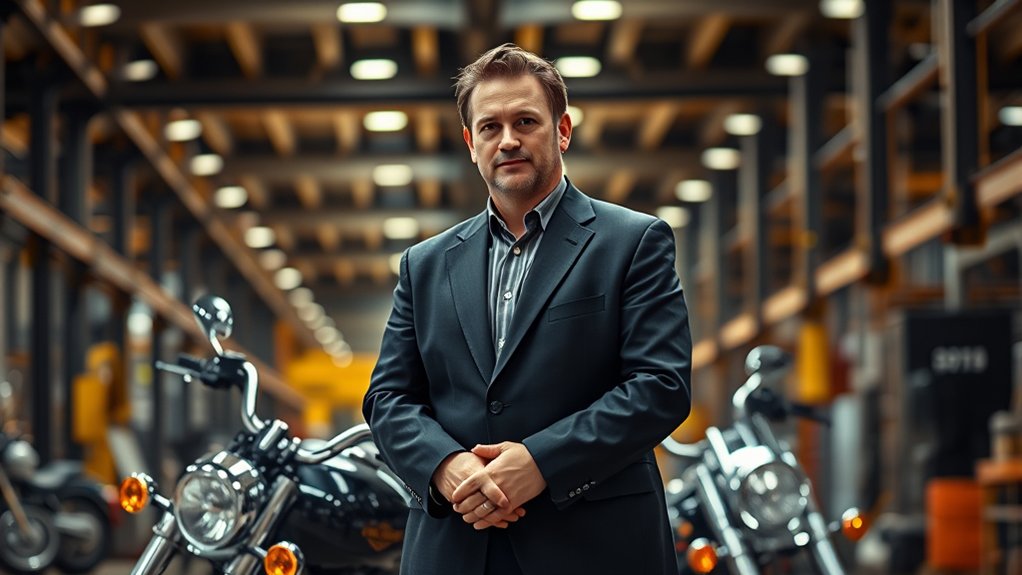
You’ll notice Starrs bringing his franchise management know-how to the table as he works to boost Harley-Davidson’s global presence and make operations more efficient. He’s got a solid history of growing brands worldwide, so he really understands how to take Harley beyond its usual markets.
On top of that, Starrs isn’t just focused on motorcycles—he’s got an innovative mindset that’s all about diversifying and modernizing what the brand offers.
Starrs’ Franchise Management Expertise
Because Artie Starrs has extensive experience managing large franchise operations, his leadership at Harley-Davidson is shaped by proven strategies for growth and scalability. You can expect his franchise management expertise to influence the brand through strategic insights from overseeing 18,000+ Pizza Hut locations and 100+ Topgolf venues. These experiences enhance brand expansion and operational scalability.
He also brings a strong focus on customer engagement and community-focused initiatives. These are essential for Harley-Davidson’s brand growth in diverse markets.
Plus, his business leadership drives revenue growth and optimizes venue management. This was clearly demonstrated by Topgolf’s 50% revenue increase under his guidance.
Starrs’ background equips him to lead Harley-Davidson’s global franchise network with innovative, scalable solutions. These align perfectly with the company’s heritage and future ambitions.
Global Brand Growth Experience
How does Artie Starrs’ extensive global brand experience influence his leadership at Harley-Davidson?
As CEO, his background managing over 100 global venues at Topgolf and leading Pizza Hut’s presence in 110 countries shapes his strategic vision for Harley-Davidson’s global growth.
You’ll see his expertise in brand development driving Harley’s brand expansion into new international markets, leveraging innovative marketing tailored to diverse audiences.
Starrs’ proven leadership in scaling strong brands equips him to enhance Harley-Davidson’s international presence effectively.
His success in increasing Topgolf’s revenue by more than 50% between 2021 and 2025 underscores his ability to accelerate Harley’s growth trajectory.
Ultimately, Starrs’ global brand growth experience positions him to steer Harley-Davidson confidently on a path of sustained global market expansion.
Innovation Beyond Motorcycles
What drives Artie Starrs to push Harley-Davidson beyond its traditional motorcycle roots? His leadership draws from extensive experience in franchise models and global expansion, fueling innovation and brand evolution. You’ll notice his impact in three key areas:
First, leveraging a franchise model mindset, Starrs enhances community building and emotional connections. These are essential for Harley-Davidson’s lifestyle branding.
Next, applying insights from experiential marketing successes at Topgolf, he drives growth in electric motorcycles through LiveWire. This approach expands Harley’s product innovation.
Finally, focusing on brand evolution, Starrs integrates the rebellious spirit with global market expansion. This positions Harley-Davidson as more than just a motorcycle maker.
How Does Starrs’ Experience Align With Harley-Davidson’s Future Goals?
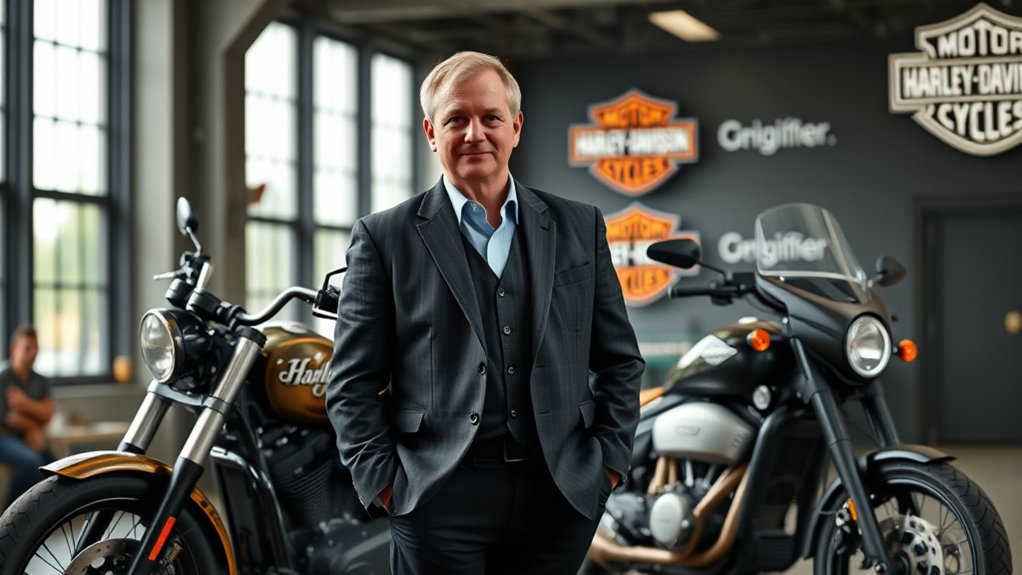
Although Artie Starrs comes from industries different from traditional motorcycle manufacturing, his extensive leadership experience aligns well with Harley-Davidson’s future goals. As CEO, Starrs brings proven expertise in driving brand growth and international expansion. He’s managed over 100 global venues and more than 18,000 franchise locations.
His success at Topgolf, where he boosted revenue by over 50%, shows his ability to innovate and attract diverse, younger audiences. This matches Harley-Davidson’s push to evolve as a lifestyle brand.
Starrs’ background in franchise management and community building supports the company’s mission to strengthen its unique motorcycle culture while fostering loyalty.
What Changes Will Starrs Bring to Harley-Davidson?
Since taking the helm at Harley-Davidson, Artie Starrs has been expected to inject fresh energy into the brand, targeting younger and more diverse audiences. You can anticipate three key changes under his leadership.
First, brand revitalization through innovative marketing strategies and enhanced community engagement. He’s drawing on his global brand experience to make this happen.
Revitalizing the brand with fresh marketing and stronger community ties, fueled by global expertise.
Next, a strong push toward electric motorcycles and innovation. Starrs is leveraging Harley-Davidson’s stake in LiveWire to secure cultural relevance with millennials and Gen Z.
Finally, streamlining the dealer network and implementing growth initiatives to boost sales and support long-term strategic goals.
These changes reflect Starrs’ commitment to modernizing Harley-Davidson while preserving its iconic status. He’s making sure the brand resonates with today’s riders and future generations.
Who Supports Starrs? Meet Harley-Davidson’s Executive Team
Several key executives stand firmly behind Artie Starrs as he leads Harley-Davidson into its next chapter. Harley-Davidson’s leadership includes Jonathan Root, Chief Financial and Commercial Officer, and Matt Ryan, Chief Marketing and Technology Officer. Both provide essential CEO support.
Troy Alstead, Chairman of the Board, actively backs Starrs’ strategic vision. Meanwhile, Gayle Littleton, Chief Legal, Compliance & Corporate Affairs Officer, guarantees legal and corporate oversight.
The Harley-Davidson executive team also features Bryan Niketh, COO, and Glen Koval, SVP of Global Development. They oversee operations and global motorcycle development.
Together, Harley-Davidson executives and management collaborate across executive roles to drive growth and innovation. This cohesive leadership strengthens Harley-Davidson’s management, aligning the company’s strategic vision with effective execution under Starrs’ guidance.
Why Starrs Is Key to Harley-Davidson’s Electric Future
Because Artie Starrs brings extensive experience managing global brands and driving revenue growth, he’s uniquely positioned to lead Harley-Davidson’s shift toward electric motorcycles. As CEO, Starrs blends brand leadership with innovation to drive the company’s electric future. Here’s why he’s key:
- His proven ability to scale and market brands like Topgolf ensures Harley-Davidson’s electric motorcycle line, including LiveWire, reaches diverse consumers effectively.
- Starrs’ focus on growth and operational excellence accelerates Harley-Davidson’s progression to sustainable, cutting-edge electric technology.
- His commitment to innovation aligns with Harley-Davidson’s mission to redefine its cultural relevance while securing long-term sustainability.
How Harley-Davidson Builds Its Community and Culture
Artie Starrs’ vision for Harley-Davidson goes beyond just electric innovation. It’s really about strengthening the community and culture that make the brand what it is.
Artie Starrs envisions Harley-Davidson as a community-driven brand, beyond just electric innovation.
You’ll see this in how Harley-Davidson builds its community through iconic events like the Sturgis Motorcycle Rally and local rides. These events help create strong connections among riders.
The brand’s rebellious and adventurous spirit really creates a shared identity that resonates with enthusiasts. Plus, Harley-Davidson promotes inclusivity by reaching out to women and younger riders, which broadens its community quite a bit.
Supporting rider clubs like the Harley Owners Group (H.O.G.) also helps cultivate loyalty and camaraderie among fans.
Customization options and branded apparel let you express your individuality, while still reinforcing a collective sense of belonging.
Through all these efforts, Harley-Davidson keeps a vibrant culture alive. It’s a culture that unites riders around passion and shared values.
Where Is Harley-Davidson Headed Under Starrs’ Leadership?
While Harley-Davidson maintains its iconic status, Starrs is steering the company toward a future focused on innovation and inclusivity. Under Artie Starrs’ leadership, Harley-Davidson pursues brand revitalization and growth strategy centered on three key areas:
- Expanding electric motorcycles through LiveWire to drive innovation and attract younger demographics and women.
- Enhancing cultural relevance and community engagement to restore the brand’s rebellious spirit and deepen customer connection.
- Improving operational efficiency and supply chain management to support sustainable growth and market responsiveness.
You’ll see Harley-Davidson evolve into a lifestyle empire emphasizing adventure and freedom while maintaining its core identity. Starrs’ leadership balances honoring tradition with embracing change.
This approach ensures the brand remains relevant and competitive in today’s dynamic motorcycle market.
Frequently asked questions
What Is Harley-Davidson’s Current Market Share Globally?
Harley-Davidson’s current global market share is around 2-3%, which is relatively small compared to its competitors.
You’ll find that while Harley remains strong in North America, it struggles to gain traction in Asia and other markets.
The brand faces stiff competition from Japanese and European manufacturers, which hold larger shares.
Harley is trying to grow by introducing electric motorcycles and appealing to younger riders, but its global presence is still limited.
How Has Harley-Davidson Performed Financially in Recent Years?
You’ve seen Harley-Davidson’s financial performance fluctuate recently. Revenues climbed from $1.1 billion in 2021 to $1.8 billion in 2025, showing growth.
However, the company faced declining sales and profitability challenges due to supply chain issues and a shrinking market.
They took steps like restructuring finances, including a $5 billion loan sale, to stabilize.
Despite efforts, Harley still struggles to attract younger buyers and maintain cultural relevance.
It’s clear the company is working hard, but the road ahead remains tough.
What Are Harley-Davidson’s Most Popular Motorcycle Models?
You’ll find Harley-Davidson’s most popular motorcycles include the Softail, Touring, and Sportster families. They’re known for their powerful engines and iconic design.
The Street series, especially Street 750 and 500, targets urban riders and younger customers. The Fat Boy remains a classic favorite because of its robust build and unique style.
Many models feature the reliable Milwaukee-Eight engine. The LiveWire electric bike appeals to those seeking eco-friendly options.
Does Harley-Davidson Offer Any Rider Safety Programs?
Yes, Harley-Davidson offers rider safety programs to help you ride more responsibly. You’ll find rider training courses designed to improve your skills and promote safe habits.
They also provide safety gear and accessories that boost your visibility and protection on the road.
Plus, through Harley Owners Group events and collaborations with certified instructors, you get access to safety briefings and skill development sessions. These are aimed at reducing accidents and enhancing your riding experience.
It’s all about keeping you safe while you enjoy the ride.
How Does Harley-Davidson Contribute to Environmental Sustainability?
Harley-Davidson contributes to environmental sustainability by developing electric motorcycles like the LiveWire, which produce zero tailpipe emissions.
They invest in cleaner manufacturing processes and work to improve supply chain efficiency, reducing waste and energy use.
They also promote eco-friendly technologies and responsible riding.
Their goal is to minimize their carbon footprint and lead the industry toward greener transportation options.
You can really see their commitment through these ongoing sustainability efforts.
It’s clear they’re serious about making a positive impact on the environment.
Final Thought
As you ride into Harley-Davidson’s future under Artie Starrs, think of him as the captain steering a legendary ship through evolving waters. With his leadership, the brand’s rich heritage meets innovation, especially in electric ventures. You can expect Starrs to navigate challenges with a steady hand, inspiring a community that values tradition and progress.
Harley-Davidson’s journey is far from over, and with Starrs at the helm, the road ahead looks promising and electrifying.