Who Was Harley Davidson – Here’s Who
You’d recognize Harley Davidson as the visionary inventor who designed his first internal combustion engine at 15 and created the revolutionary V-Twin engine in 1909. This engine really pushed motorcycle performance forward.
Along with his partners, he combined engineering brilliance with strategic leadership to build a brand known for durability and rider comfort. His innovations didn’t just shape bikes. They created a culture of freedom and style.
The story of his impact reveals even deeper engineering milestones and cultural legacies. It’s more than just about motorcycles—it’s about a lasting influence on how people experience the open road.
Who Was Harley Davidson and His Key Inventions?
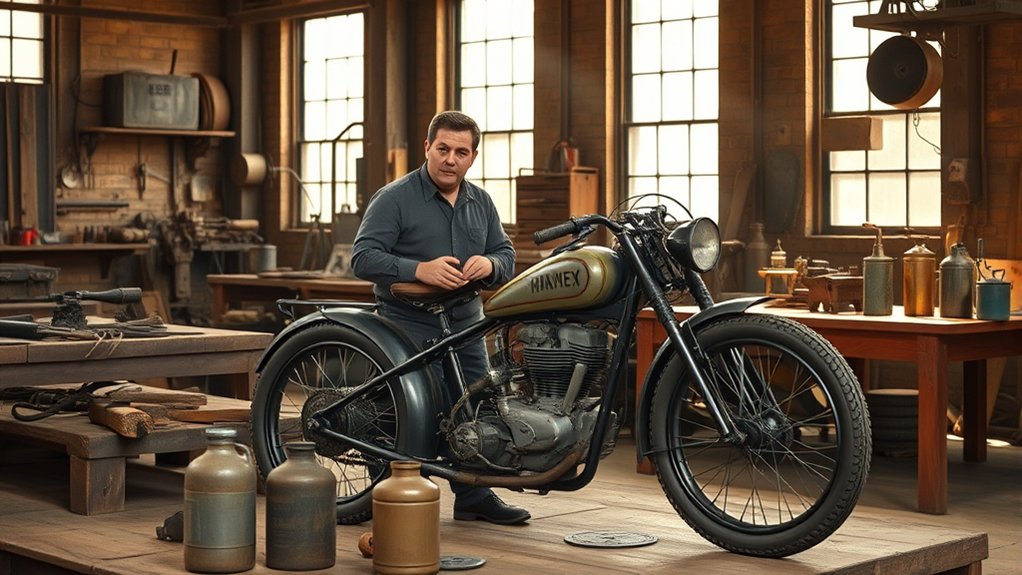
Although many recognize Harley Davidson as a brand, few know that Harley Davidson himself was a visionary inventor who designed the company’s first internal combustion engine at just 15.
Harley Davidson was a visionary inventor, designing the company’s first engine at just 15 years old.
You’ll find his engineering prowess pivotal in motorcycle history, especially with the invention of the V-Twin engine in 1909, which revolutionized motorcycle performance.
His innovations didn’t stop there. By 1911, he developed a silent, encased engine, addressing noise issues common at the time.
Then, in 1912, he patented an adjustable spring suspension seat, enhancing rider comfort.
These breakthroughs highlight Harley Davidson’s dedication to engineering excellence and innovation.
When you explore Harley Davidson’s legacy, you see how his inventions firmly established the brand’s reputation for durability and craftsmanship.
It’s clear his work shaped the future of motorcycles worldwide.
Harley Davidson’s Early Life and Vision
While many associate Harley-Davidson with the iconic motorcycles it produces, few realize that Arthur Davidson’s early fascination with mechanics and engineering set the stage for the company’s success. Born in 1890, Arthur Davidson’s early life was marked by a passion for mechanics that fueled his collaboration with William Harley.
Together, they developed motorcycle prototypes designed to outperform bicycles. They blended engineering innovations with a vision for riding that emphasized both performance and style. This partnership laid the foundation for the Harley-Davidson founding, aiming to create reliable motorcycles that delivered exhilarating rides.
Key elements of Arthur Davidson’s vision include a deep passion for mechanics driving continuous innovation. He collaborated with William Harley on performance-focused prototypes.
There was also a strong commitment to building powerful, reliable motorcycles that balance style and function.
The Harley-Davidson Founders and Their Roles
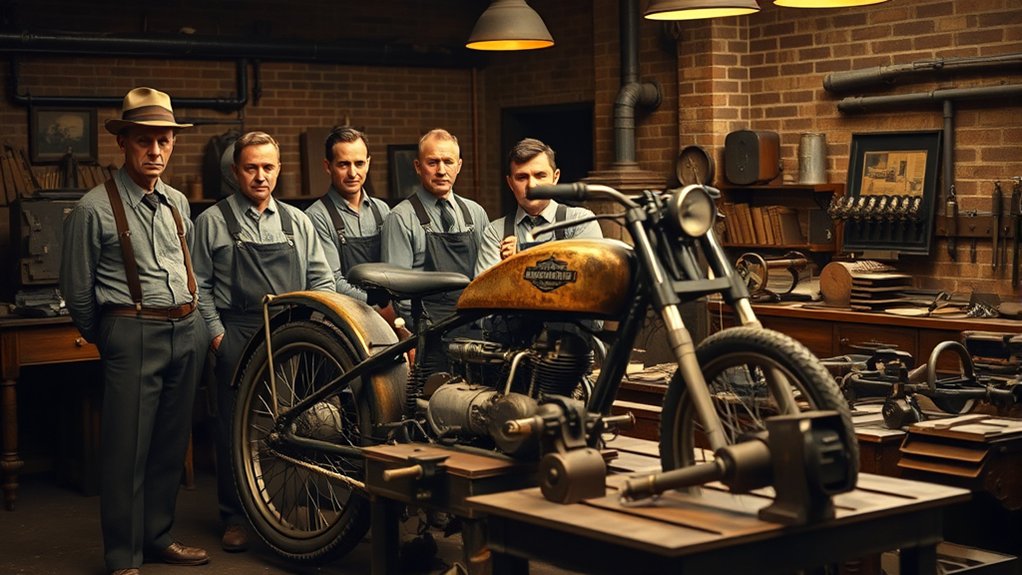
Arthur Davidson’s early passion for mechanics and collaboration with William Harley set a technical and visionary foundation. But the success of Harley-Davidson really depended on the distinct roles each founder played.
William Harley, the chief engineer, designed the first motorcycle and maintained technical leadership until 1943.
Among the Davidson brothers, Walter served as the first president, focusing on building the company’s reputation and securing military contracts that were crucial for growth.
Arthur Davidson specialized in marketing and sales, shaping Harley-Davidson’s brand legacy through military and police contracts.
William Davidson managed factory purchasing and product development, steering operational efficiency and innovation.
Together in Milwaukee, these founders combined engineering expertise and strategic management. They created a balanced leadership that propelled Harley-Davidson from a small workshop into an iconic American motorcycle brand.
Harley-Davidson’s Engineering Innovations
How did Harley-Davidson transform motorcycle engineering into a blend of innovation and identity? You witness it through their pioneering V-Twin engine in 1909, a technical evolution that defined the brand’s motorcycle engineering.
Their engineering innovations didn’t stop there. Consider these milestones: The 1914 introduction of a step-starter and two-speed transmission improved rider convenience and engine performance.
Then, in 1925, the JD® model’s teardrop-shaped gas tank marked a shift in motorcycle design that combined aesthetics with function.
Fast forward to 1984 with the Softail series’ hidden rear suspension system, which blended vintage style with modern comfort based on Bill Davis’s design. These model advancements highlight Harley-Davidson’s continuous refinement of the V-twin configuration and suspension system.
This ongoing development has cemented its legacy in motorcycle engineering.
How Harley-Davidson Built Motorcycle Culture
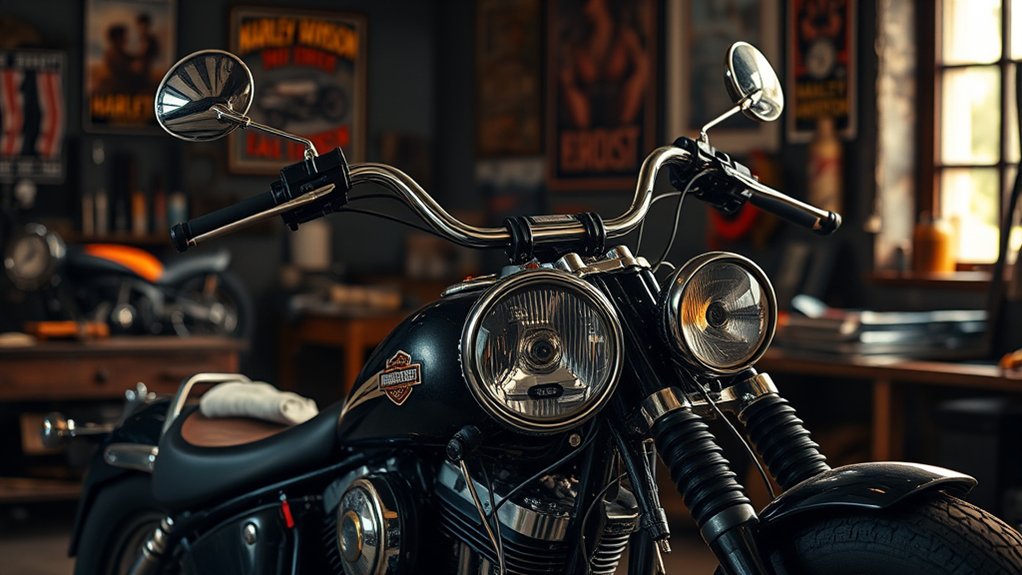
Because Harley-Davidson crafted customizable motorcycles that encouraged individual expression and rebellion, it didn’t just sell bikes. It shaped a culture.
You’ll find that Harley-Davidson’s early involvement in motorcycle racing and boardtrack events established an adventurous image that attracted thrill-seekers. Its rugged heavyweight motorcycles symbolized freedom, especially for American servicemen during wartime. This reinforced the brand history of resilience and independence.
You can’t overlook how the Harley Owners Group (H.O.G.) built a strong community, fostering camaraderie and a shared identity among riders.
Iconic models like the Fat Boy and Softail series set a distinctive style that influenced motorcycle culture worldwide.
Through custom bikes and a tight-knit community, Harley-Davidson created more than machines. It built a lasting culture of rebellion and belonging.
Harley-Davidson’s Legacy in Modern Motorcycles
What keeps Harley-Davidson relevant in today’s evolving motorcycle market? It’s their ability to blend brand heritage with innovation. You’ll find their motorcycle legacy embodied in models like the Softail series, introduced in 1984. This series modernized cruiser motorcycles by integrating hidden shocks while preserving vintage aesthetics.
Then, there’s the 2019 Harley-Davidson LiveWire, their first electric motorcycle model offering a 146-mile city range. This marked a significant step toward sustainable mobility.
Harley’s modern motorcycles also include the Street platform, targeting urban riders and younger demographics.
The Street platform caters to urban riders and appeals to a younger, dynamic audience.
Key elements sustaining Harley-Davidson’s legacy include commitment to innovative, high-quality motorcycle models developed in Milwaukee and global facilities. They also focus on preserving iconic styling and extensive customization options.
Plus, there’s continuous adaptation to market demands without compromising brand heritage. That balance is what keeps Harley-Davidson riding strong in today’s market.
Why Harley-Davidson Is Still an Icon Today
Harley-Davidson’s enduring appeal comes from more than just innovative motorcycles; it’s rooted in a rich history that blends engineering prowess with cultural significance.
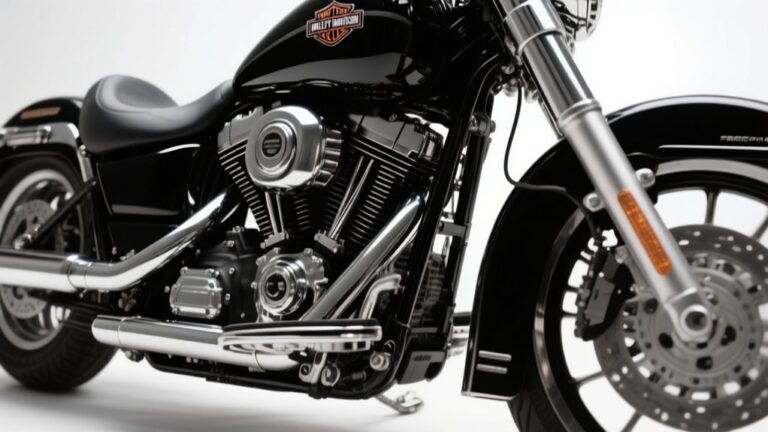
You’ll find that Harley-Davidson’s iconic V-twin engine showcases unmatched craftsmanship and innovation, reinforcing its status as a symbol of American durability.
The brand’s cultural legacy thrives on themes of freedom, rebellion, and a strong community spirit, creating an emotional connection that transcends generations.
By embracing customization and blending retro styling with advancements like the Livewire electric model, Harley-Davidson stays relevant in today’s market.
Its historic roles in military and law enforcement further solidify its reputation for reliability and patriotism.
When you choose Harley-Davidson, you’re engaging with an icon that embodies innovation, craftsmanship, and a lasting cultural legacy.
Frequently asked questions
What Was Harley-Davidson’s First Motorcycle Model Called?
Harley-Davidson’s first motorcycle model was called the Model No. 1®. When you look at it, you’ll see it was a simple, lightweight motorized bicycle with a small engine, introduced in 1905.
This model wasn’t just an experiment. It laid the groundwork for all future Harley motorcycles.
If you analyze its design, you’ll notice it balanced performance and durability. This balance helped establish the brand’s reputation for reliable, powerful machines right from the start.
How Did Harley-Davidson Contribute During World War I?
During World War I, Harley-Davidson supplied over 20,000 motorcycles to the U.S. military. These bikes were essential for communication, reconnaissance, and transportation.
You’d appreciate that they also provided free repair training to military riders, which really boosted operational readiness. This hands-on approach made sure the motorcycles stayed reliable, even in harsh conditions.
Their contributions didn’t just help the war effort. They also boosted Harley-Davidson’s reputation and set the stage for its dominance in the American motorcycle market after the war.
What Are Some Famous Harley-Davidson Motorcycle Models?
You’ll find famous Harley models like the Fat Boy, famed for its formidable frame and cruiser charm since 1990. The Sportster XL, launched in 1957, offers a sleek, starter-friendly style.
The Electra Glide, debuting in 1965, boasts electric start and touring tech.
The customizable Dyna series revs up versatility, while the groundbreaking LiveWire zips as their electric entrant. Each model merges tradition with technology, tailoring rides to your tastes. It’s all about finding the Harley that fits your vibe and riding style.
How Does Harley-Davidson Influence American Pop Culture?
You see Harley-Davidson influence American pop culture through its iconic motorcycles that symbolize freedom and rebellion. Its designs inspire fashion and music tied to rugged individualism.
You’ll find Harley featured in films like “Easy Rider,” shaping the adventurous, tough image of motorcycling.
When you attend events like the Sturgis Rally, you experience how Harley fosters community identity, making it a lasting emblem of Americana and cultural defiance.
It’s more than just bikes—it’s a lifestyle that resonates with many people across the country.
What Maintenance Tips Are Essential for Harley-Davidson Bikes?
You might think riding a Harley-Davidson is all about freedom and power, but essential maintenance keeps it that way.
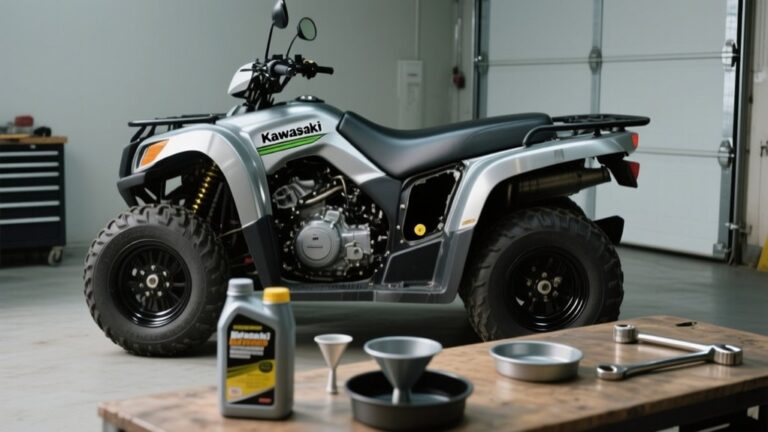
Regularly change your engine oil every 3,000 miles to prevent wear.
Don’t neglect drive belts or chains; inspect and replace them to avoid slippage.
Always keep tires inflated to the recommended PSI and check for damage.
Clean and lubricate drive components often, and maintain brakes by checking pads and fluid levels to guarantee safety and reliability.
Taking these steps helps your bike run smoothly and keeps you safe on the road.
Final Thought
When you picture a roaring Harley-Davidson, you see more than a motorcycle. You see the spark of innovation ignited by Harley himself. From his early visions to engineering breakthroughs, Harley-Davidson crafted a culture that still rides strong today.
Every twist of the throttle echoes decades of legacy, blending craftsmanship with freedom. So, when you hear that iconic rumble, remember it’s not just a bike. It’s a timeless symbol of American ingenuity and spirit.