Is Classic Motorcycle Insurance Cheaper – Myth or Fact
Classic motorcycle insurance can be cheaper, but only under the right conditions.
If you ride sparingly and keep annual mileage low, insurers may offer lower pricing.
Storage matters too. If you keep the bike in a locked garage and meet classic-policy rules, the rate is often below standard coverage.
In Ontario, limited-use policies for vintage bikes can fall well under regular rates, sometimes around $275 a year.
On the other hand, if you commute daily or modify the bike, the savings can disappear.
The details really matter.
Ontario Classic Motorcycle Insurance Basics
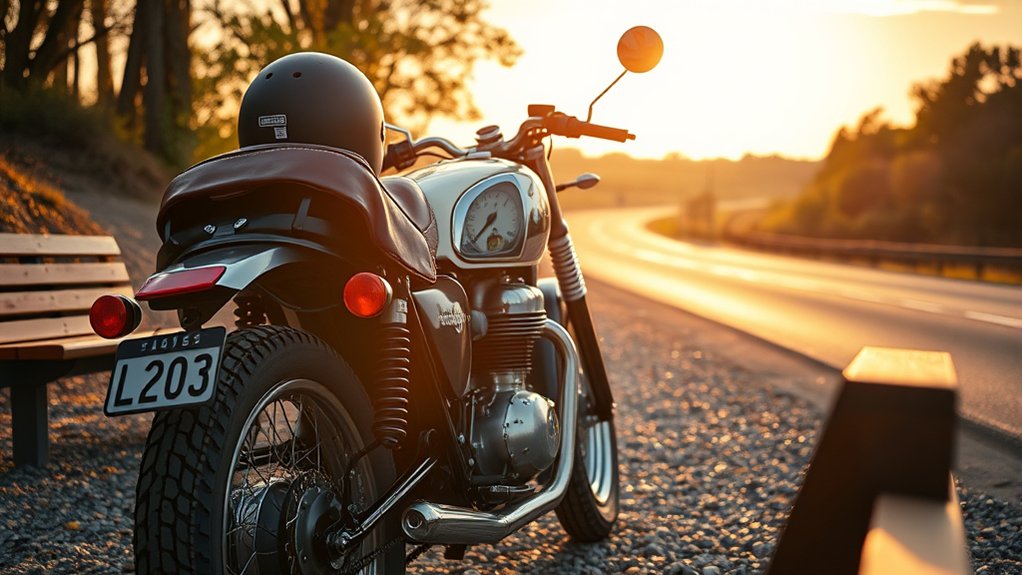
In Ontario, classic motorcycle insurance can be a practical option if your bike is used mainly for pleasure rides, shows, and travel to or from events. Many insurers price these policies well below standard coverage when annual mileage stays low.
You’ll usually need limited use, often under 4,000 km a year. Some insurance providers ask for club membership or full-license experience.
For classic motorcycles, agreed value coverage lets you set a replacement amount instead of accepting a low book-value payout. That can improve predictability if the bike’s market data is thin.
Specialist brokers and niche insurers often tailor these policies. Community reports also show annual premiums as low as about $275 for restored vintage machines.
If you commute regularly, though, the savings often disappear.
What Coverage a 1972 CB350 Needs
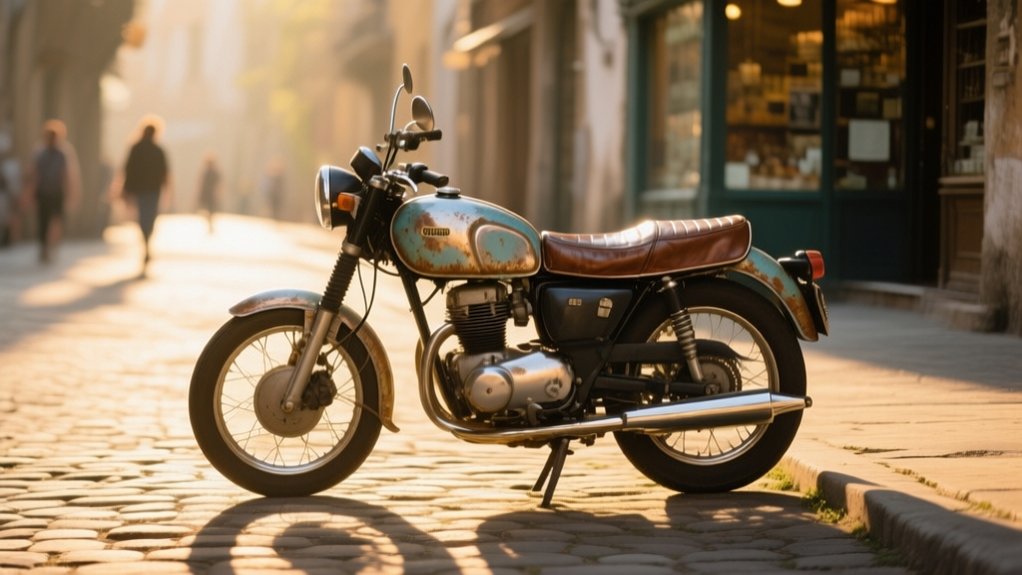
For a 1972 Honda CB350, the most practical starting point is an agreed-value classic motorcycle policy. It should reflect the bike’s real replacement cost, not a generic book value.
Look for agreed-value all-risk coverage for theft, fire, and vandalism. Add collision coverage if you ride on public roads.
If you use the bike sparingly, a limited-use policy with a low annual mileage cap can fit vintage bikes better. Standard coverage may be overkill in that case.
Many insurers also offer roadside recovery, which can matter for older machines. To qualify, you may need a full M licence history and secure storage in a locked garage.
You may also be asked for anti-theft devices. If you’re restoring or modifying the CB350, confirm how the insurer handles project, off-road, or non-roadworthy status before you bind the policy.
Why Classic Motorcycle Rates Can Be Lower
Classic motorcycle rates can be lower because insurers price them around limited exposure and collectible value, not daily commuting risk.
You’ll often see agreed-value classic motorcycle policies. With these, you set a fixed payout that matches market reality instead of depreciation.
That matters because specialist insurers can price a 1970s bike or other modest-value model with premiums as low as $25 to $400 a year, depending on value and condition.
Low annual mileage limits usually range from 500 to 4,000 km. This cuts exposure and can reduce rates further.
If you store the bike in a locked garage and use it mainly for shows or club runs, you lower claim likelihood.
That risk profile is why specialist insurers can underwrite classic coverage more cheaply.
When Classic Coverage Costs More
Lower rates aren’t guaranteed, though.
Classic coverage can cost more when the policy offers agreed-value protection.
Classic coverage can cost more when it includes agreed-value protection.
That pays a set replacement amount instead of depreciated book value.
You may pay more for Classic/antique motorcycle policies when insurers price in that higher payout exposure.
Modified or high-performance vintage bikes also tend to raise premiums.
Unique parts and specialized repairs increase expected claims costs.
If you ride daily, you may lose access to limited-use pricing.
That can make your premium higher than a weekend-only policy.
Add-ons like spare-parts coverage, restoration-in-progress protection, or agreed-shop choice usually increase costs too.
Regional theft and accident rates matter as well.
In places with year-round riding, classic-bike premiums can rise above comparable modern-bike rates.
How to Lower Ontario Classic Motorcycle Premiums
To trim Ontario classic motorcycle premiums, focus on what insurers actually price: mileage, storage, usage, and rider risk.
If you ride a low‑mileage classic, target policies capped at 3,000–4,000 km a year. Those limits can drop rates sharply, with examples near $275 annually.
Choose agreed‑value coverage, not book value. This way you protect a 1970s bike at a realistic amount and avoid underpayment later.
Lock the bike in a garage and add alarms or approved anti‑theft devices. Keep it off the road in winter to qualify for discounts.
Maintain a clean record, finish advanced safety training, and hold an M licence for three years.
Bundle policies, pay yearly, and compare specialist brokers.
Frequently Asked Questions
Can I Insure a Classic Motorcycle Year-Round in Ontario?
Yes, you can insure a classic motorcycle year-round in Ontario, but you’ll usually face usage limits or special conditions.
Some specialty insurers offer agreed-value policies for full-year coverage if you meet eligibility rules. These may include an M licence, club membership, and declared mileage.
If you ride regularly, you may qualify for a standard policy instead. That can change premiums, deductibles, and payout terms quite a bit.
Does Storage Location Affect Classic Motorcycle Premiums?
Yes, your storage location affects classic motorcycle premiums like a lock affects theft risk.
You’ll usually pay less if you keep the bike in a locked garage instead of on the street, because insurers see lower vandalism and theft exposure.
Secure features like alarms or ground anchors can earn discounts.
High-theft areas often raise rates.
Some policies even require proof of storage conditions, or they’ll increase deductibles.
Are Modified Classic Motorcycles Harder to Insure?
Yes, modified classic motorcycles are often harder for you to insure. Insurers usually view custom parts and non-stock components as more expensive to repair, easier to steal, and harder to value.
You’ll often need to declare every modification. You may also have to provide an appraisal or proof, and buy agreed-value or custom-parts coverage.
Some specialist carriers will insure them. They may still add surcharges, mileage limits, or storage requirements that can raise your premium.
Can I Switch Between Classic and Standard Coverage Later?
Yes, you can switch later, but it depends on insurer approval.
You’ll usually need to wait for renewal or give notice, and the insurer may reunderwrite your bike.
Classic cover often has requirements like age, storage, mileage, and club rules.
Standard cover is typically for regular use, but it usually costs more.
Ask for written confirmation of the switch dates and the new limits.
Also confirm whether any inspection or appraisal is needed, so you avoid a coverage gap.
Do Classic Policies Cover Spare Parts and Accessories?
Yes—often, but only if you list them on your policy.
You’ll usually get agreed-value coverage for spare parts and accessories, so insurers pay the stated amount instead of depreciated value.
However, standard classic policies often exclude custom parts unless you add endorsements and declare their value.
Some policies also cap storage or restoration items, so keep receipts, photos, and valuations.
Conclusion
So, is classic motorcycle insurance cheaper? Often, yes, but not always.
In Ontario, many classic motorcycle policies cost less because insurers see them as lower-risk. They’re usually ridden less.
One useful benchmark: some riders report paying 20% to 40% less than for standard motorcycle coverage.
But if you modify your bike, ride year-round, or store it poorly, your premium can climb fast. Compare quotes carefully to see the real savings.