How Many Hours Will A Kawasaki Engine Last – Quick Answer
You can expect your Kawasaki engine to last between 4,000 and 5,000 hours with proper upkeep. It can even reach 7,000 to 8,000 hours under ideal conditions.
Consistent maintenance like timely oil changes and air filter care is key. Harsh operating conditions and poor fuel quality, on the other hand, will shorten its lifespan.
Using genuine parts and appropriate fuel also helps preserve durability. Knowing these factors well can help you get the most out of your engine’s performance. Plus, it makes it easier to know when it’s time for a replacement.
How Many Hours Does a Kawasaki Engine Typically Last?
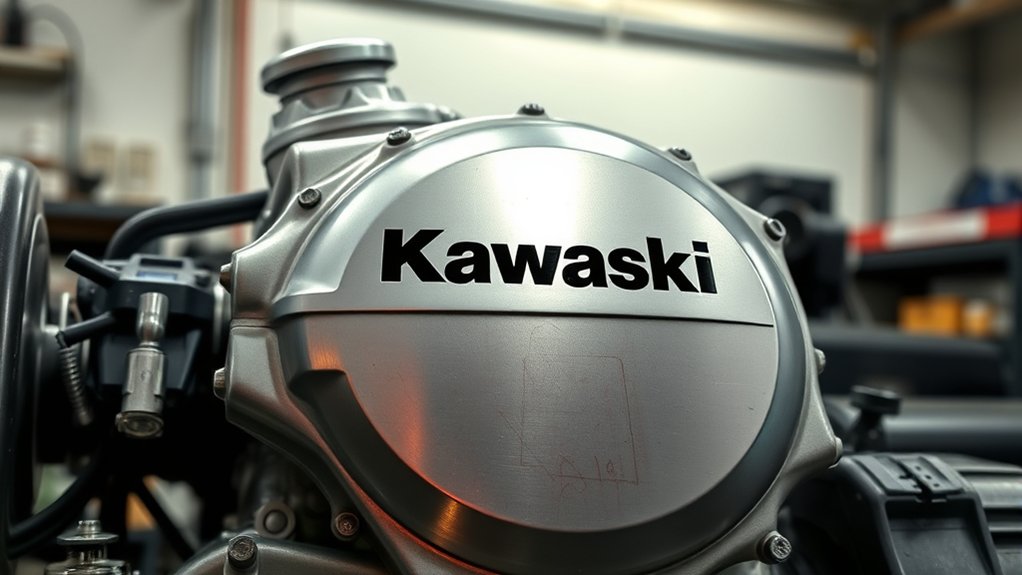
A Kawasaki engine typically lasts between 4,000 to 5,000 hours when you maintain it properly. This lifespan hinges on consistent upkeep, especially addressing components like the air filter.
A clean air filter guarantees peak airflow, preventing contaminants from entering the engine, which otherwise accelerate wear.
Maintaining a clean air filter ensures optimal airflow and protects the engine from damaging contaminants.
Under ideal conditions, including diligent air filter maintenance, some Kawasaki engines can reach 7,000 to 8,000 operational hours.
The engine model plays a lesser role compared to how rigorously you perform maintenance.
Neglecting routine service, such as skipping air filter checks or replacements, can drastically shorten the engine’s life below standard expectations.
So, the typical operational lifespan isn’t fixed. It really depends on how effectively you preserve critical parts like the air filter throughout the engine’s use.
Taking care of these details makes all the difference.
What Maintenance Habits Extend Kawasaki Engine Lifespan?
You can really extend your Kawasaki engine’s lifespan by sticking to regular oil changes every 50 to 100 hours. This helps minimize wear and keeps things running smoothly.
Also, don’t forget to keep the air filters clean and replace them as soon as needed. This ensures the engine gets the right airflow and reduces unnecessary strain.
On top of that, maintaining the hydro system by regularly checking and replacing the fluid plays a big role in supporting your engine’s durability and performance over time.
Regular Oil Change
Although engine wear can occur over time, performing regular oil changes drastically reduces friction and maintains proper lubrication. These are critical for extending the lifespan of your Kawasaki engine.
You should change the oil every 50 to 100 hours of operation, depending on usage intensity, as recommended by Kawasaki.
Fresh oil not only lubricates moving parts but also removes contaminants and sludge that accumulate, preventing long-term engine damage.
Consistent oil change intervals can extend your engine’s operational life from the typical 4,000-5,000 hours to over 7,000 hours. It really makes a big difference.
It’s vital to use Kawasaki-approved oils like KTECH™ Engine Oil to guarantee optimal viscosity and additive performance. This helps preserve engine integrity.
Neglecting oil changes accelerates wear and compromises engine reliability and efficiency, so don’t skip them!
Air Filter Care
Because dirt and debris can severely damage your Kawasaki engine, inspecting and replacing the air filter every 50 to 100 hours of operation is essential. A clean air filter guarantees ideal airflow, reducing engine strain and fuel consumption while enhancing performance.
Using OEM air filters maintains filtration efficiency and prevents contaminants from causing internal damage. Neglecting air filter care can lower engine efficiency by up to 10%, accelerating wear and shortening engine life.
So, make sure to incorporate routine air filter maintenance into your engine care schedule for maximum lifespan.
| Maintenance Task | Interval (hours) | Impact on Engine |
|---|---|---|
| Inspect Air Filter | 50 | Detect dirt buildup early |
| Replace Air Filter | 100 | Restore airflow and filtration efficiency |
| Use OEM Filters | Each Replacement | Ensure proper fit and contaminant removal |
| Clean Air Filter | As needed | Maintain perfect airflow |
Hydro System Maintenance
Maintaining your Kawasaki engine’s hydro system plays a significant role in extending its operational life. You should regularly inspect fluid levels to prevent overheating and ensure hydraulic efficiency.
Changing the hydro oil at Kawasaki’s recommended intervals minimizes wear on engine components and sustains peak performance.
Always use the specified type and quality of hydro fluid to avoid system damage and maintain durability.
Keep the hydro system free from debris and contaminants to reduce strain and maintain consistent operation.
Promptly addressing leaks or malfunctions prevents further damage and extends engine longevity.
By sticking to these precise maintenance habits, you’ll maximize the hydro system’s function. This directly contributes to a longer Kawasaki engine lifespan.
It’s all about staying on top of things to keep your engine running smoothly.
How Do Operating Conditions Affect Kawasaki Engine Lifespan?
When you operate a Kawasaki engine under severe conditions like high loads or extreme temperatures, its lifespan can drop considerably. Operating conditions directly impact engine wear, affecting durability and performance.
For instance, frequent short trips that prevent the engine from reaching the best temperature cause accelerated internal wear.
Running the engine in dusty environments without proper air filter care speeds up component degradation.
And consistently pushing the engine at high RPMs or heavy loads increases mechanical stress, shortening overall life.
To illustrate:
- Short trips cause incomplete combustion and oil contamination
- Dusty conditions clog filters and abrade engine parts
- High RPMs elevate thermal and mechanical stress
Knowing how these conditions affect your engine helps you adjust usage and maintenance. That way, you can keep your Kawasaki engine running longer and stronger.
Why You Should Use Genuine Kawasaki Parts for Longer Engine Life
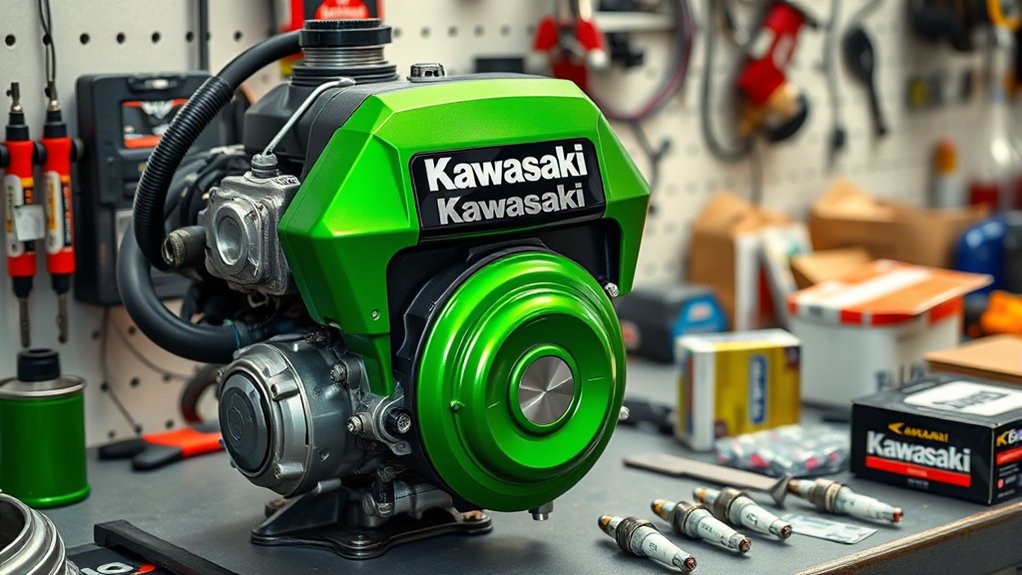
Although it might be tempting to opt for cheaper alternatives, using genuine Kawasaki parts is essential to preserving your engine’s longevity and performance.
Genuine Kawasaki parts guarantee precise fit and compatibility, minimizing risks of engine damage from improper components. These OEM parts meet rigorous quality standards, ensuring your engine operates at peak efficiency and durability.
Components such as filters, oils, and spark plugs are engineered specifically for Kawasaki engines, supporting ideal function.
Plus, installing authentic Kawasaki parts keeps your engine’s warranty intact, protecting you from voiding issues linked to incompatible replacements.
By consistently using genuine Kawasaki parts for maintenance and repairs, you actively extend your engine’s operational lifespan through reliable performance and protection against premature wear.
It’s really the best way to keep your Kawasaki running strong for the long haul.
How Fuel Quality Impacts Kawasaki Engine Lifespan
You’ll want to use fuel with no more than 10% ethanol to prevent corrosion and injector clogging, which can shorten the life of your Kawasaki engine.
Using fuel stabilizers like Kawasaki KTECH™ is also a smart move—it helps keep the fuel in good shape, especially if you’re storing the engine or using it over a longer period.
And just so you know, going for premium fuel won’t necessarily boost performance or extend your engine’s lifespan beyond what regular gas with the right ethanol content can do.
Ethanol Effects On Engines
Because fuel quality directly affects engine durability, understanding ethanol’s impact on Kawasaki engines is essential. Ethanol-blended fuels like E-10 are generally safe, but higher concentrations such as E-15 or E-85 accelerate corrosion and damage fuel system components.
Ethanol’s hygroscopic nature means it attracts water, causing fuel separation and microbial growth that degrade engine integrity. Plus, ethanol can compromise rubber and plastic parts in the fuel system, which increases the risk of leaks and engine failure.
So, Kawasaki advises avoiding fuels exceeding E-10 ethanol content to keep your engine running at its best.
Key ethanol effects on Kawasaki engines include:
- Corrosion of metal fuel components due to water absorption
- Degradation of rubber and plastic seals causing leaks
- Fuel separation and microbial contamination within tanks
Using ethanol-free or low-ethanol fuel helps extend your engine’s lifespan by reducing these risks. It’s a simple way to keep your engine healthy and performing well.
Fuel Stabilizers Benefits
Managing the risks posed by ethanol in fuel involves more than just selecting the right blend. Incorporating fuel stabilizers plays a significant role in preserving Kawasaki engine longevity. Fuel stabilizers like Kawasaki KTECH™ Fuel Treatment prevent fuel degradation by inhibiting phase separation and moisture accumulation common in ethanol-blended fuels.
By maintaining fuel integrity, these stabilizers reduce deposits and corrosion within the fuel system, which otherwise accelerate engine wear. When you store fuel with stabilizers during inactivity, you ensure consistent fuel quality. This helps prevent starting difficulties and internal damage.
Furthermore, consistently using stabilized, high-quality fuel promotes ideal combustion. That means less mechanical stress on engine components. Integrating fuel stabilizers into your maintenance routine is a precise, effective strategy to extend your Kawasaki engine’s operational lifespan and keep it running at its best.
Premium Fuel Myths
How much does premium fuel really impact your Kawasaki engine’s performance and lifespan? In reality, Kawasaki engines are engineered to run efficiently on regular pump gas with up to E-10 ethanol content. So, premium fuel doesn’t really offer any performance or longevity advantage.
Higher-octane premium fuels are made for high-compression engines, which Kawasaki models typically aren’t.
What truly matters for engine health is fuel quality, not the octane rating.
Consider this: absence of water and impurities prevents deposits and knocking. Proper fuel storage and using stabilizers help maintain fuel integrity.
Using contaminated or low-quality fuel consistently causes damage, no matter the grade.
How Kawasaki Engine Design Affects Its Lifespan
When you examine Kawasaki engine design, you’ll find that their use of high-pressure die-cast crankcases and forge-quality components greatly enhances durability. This precise engineering reduces wear and extends operational life.
They also use advanced cooling systems, including air-cooled fins and liquid-cooled radiators, which prevent overheating. Overheating is a key factor in engine longevity, so this is really important. Kawasaki’s adherence to SAE J1995 and J2723 testing standards ensures consistent performance under stress.
The design also prioritizes maintenance ease and genuine part compatibility, which supports long-term reliability. Overall, Kawasaki puts a lot of thought into making engines that last longer and are easier to care for.
| Design Aspect | Impact on Lifespan |
|---|---|
| High-pressure crankcases | Improved structural integrity |
| Forge-quality components | Reduced mechanical wear |
| Cooling systems | Best thermal regulation |
| SAE testing standards | Verified durability |
| Maintenance design | Simplified upkeep, longer use |
How Kawasaki Engine Lifespan Compares With Other Brands
Wondering how Kawasaki engine lifespan stacks up against other brands? Kawasaki engines typically last between 4,000 to 5,000 hours with proper maintenance, aligning closely with competitors like Briggs & Stratton.
Under ideal care, they can reach 7,000 to 8,000 hours, matching Kohler engines known for durability.
The key factor influencing Kawasaki engine longevity is maintenance, not just brand reputation. Regular oil changes and air filter servicing greatly extend engine life.
Hydro system upkeep plays a crucial role in sustaining performance.
Kawasaki engines perform on par with Kohler and Briggs & Stratton when maintained properly.
When Should You Consider Replacing Your Kawasaki Engine?
Although Kawasaki engines are built for longevity, you should consider replacing yours if it consistently operates beyond 5,000 hours and shows signs of significant wear. The typical engine lifespan ranges between 4,000 and 5,000 hours with proper maintenance. That said, some units can reach 7,000 to 8,000 hours under ideal care.
If your engine shows frequent breakdowns or has been neglected, replacement may be necessary sooner, no matter the total hours. Regular inspections help you assess wear levels and the integrity of internal components. These checks give clear indicators when your engine’s lifespan is nearing its limit.
Keep an eye on performance metrics like compression loss, oil consumption, and unusual noises. Monitoring these will guide you in deciding the right time for replacement. Doing so ensures operational reliability and helps you avoid costly failures down the road.
Frequently asked questions
Can Kawasaki Engines Be Rebuilt to Extend Their Lifespan?
Yes, you can rebuild Kawasaki engines to extend their lifespan. Authorized dealers replace worn components like pistons, rings, valves, and gaskets with genuine parts to restore performance.
The rebuild’s success depends on your engine’s condition, maintenance history, and the quality of parts used.
By conducting regular inspections and timely repairs, you’ll maximize durability and markedly prolong service life beyond typical operational hours.
This way, you ensure reliable and efficient engine function for a long time.
What Are Common Signs of Kawasaki Engine Failure?
When you hear unusual knocking coinciding with a sudden power drop, you’re likely facing engine failure. You’ll notice frequent overheating or thick exhaust smoke, signaling cooling or oil issues.
If your Kawasaki struggles to start or oil leaks appear unexpectedly, internal damage or seal failure might be at play.
These precise signs indicate you should inspect ignition, fuel systems, and seals to prevent further deterioration and costly repairs. It’s better to catch these problems early before they turn into bigger headaches.
How Does Engine Storage Affect Kawasaki Engine Longevity?
Proper engine storage directly impacts your Kawasaki engine’s longevity by preventing corrosion and internal damage. When you store it in a cool, dry place and drain or stabilize fuel, you reduce carburetor and fuel system issues.
Using fogging oil protects internal components from rust during inactivity.
Following Kawasaki’s storage guidelines, including cleaning and inspection, guarantees ideal performance and extends your engine’s operational life considerably.
Taking these steps really helps your engine run smoothly for years.
Are There Kawasaki Engine Models With Longer Lifespans?
Yes, you’ll find Kawasaki engine models, like the FX and FS series, engineered for longer lifespans. With disciplined maintenance, such as regular oil changes and air filter servicing, plus proper usage, they can exceed 7,000 hours.
Commercial-grade Kawasaki engines also offer enhanced durability and are designed to endure more demanding applications. By sticking to Kawasaki’s service schedules and operational guidelines, you can really maximize engine longevity.
This means pushing beyond the conventional 4,000 to 5,000 hour benchmark is definitely possible with the right care. Just keep up with the maintenance, and your engine will keep running strong.
What Warranty Coverage Is Available for Kawasaki Engines?
You get a limited warranty covering Kawasaki engines for 2 years or a specific number of hours, whichever comes first. This warranty protects you against manufacturing defects, ensuring repairs or replacements of faulty parts.
To keep coverage valid, you must perform regular maintenance per Kawasaki’s guidelines and use genuine parts. It’s really important to follow their instructions to avoid any issues with your warranty.
Also, damage from misuse, improper maintenance, or modifications will void the warranty. So, make sure you take good care of your engine and keep proof of proper care handy if you ever need to make a claim.
Final Thought
You can expect a well-maintained Kawasaki engine to last between 1,500 and 3,000 hours, depending on usage and conditions. Regular maintenance, genuine parts, and quality fuel are critical to maximizing this lifespan.
Keep in mind, operating environments and engine design also play significant roles in durability. By understanding these factors and sticking to proper care, you’ll help ensure your Kawasaki engine delivers reliable performance longer than many competitors.
This makes it a sound investment in the long run.