When Did Kawasaki Stop Making 2 Strokes – Here’s When
You’ll find that Kawasaki stopped making full-size two-stroke dirt bikes after 2007. Models like the KX250 and KX125 were phased out because of stricter emissions rules and shifting market demand.
While they ended big two-stroke production, Kawasaki has kept smaller youth two-strokes like the KX65 and KX85 alive. There’s also buzz about a possible new two-stroke revival soon, blending modern tech with classic performance.
Keep exploring to see what’s next for Kawasaki’s two-stroke lineup.
When Did Kawasaki Stop Making Two-Stroke Dirt Bikes?
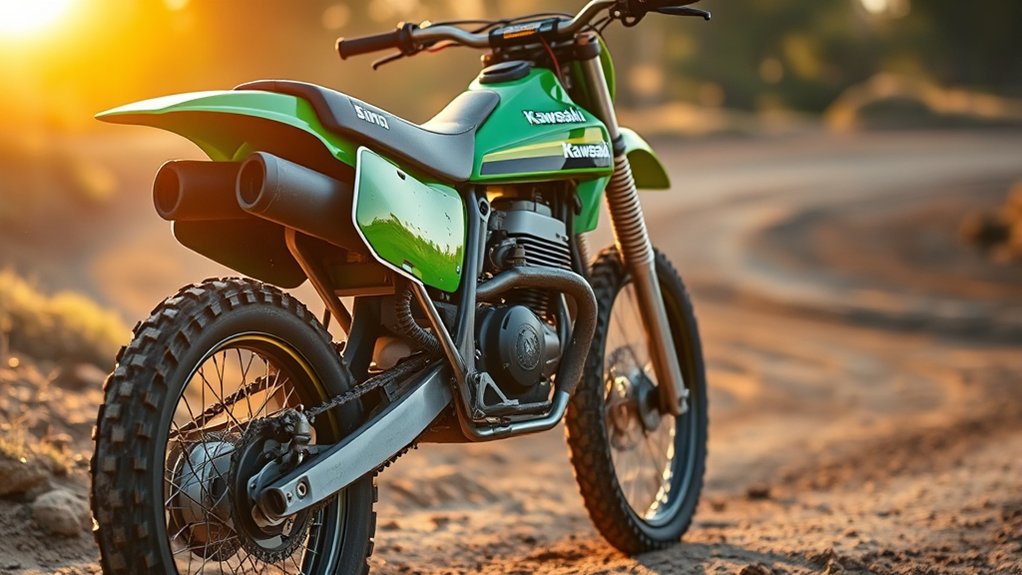
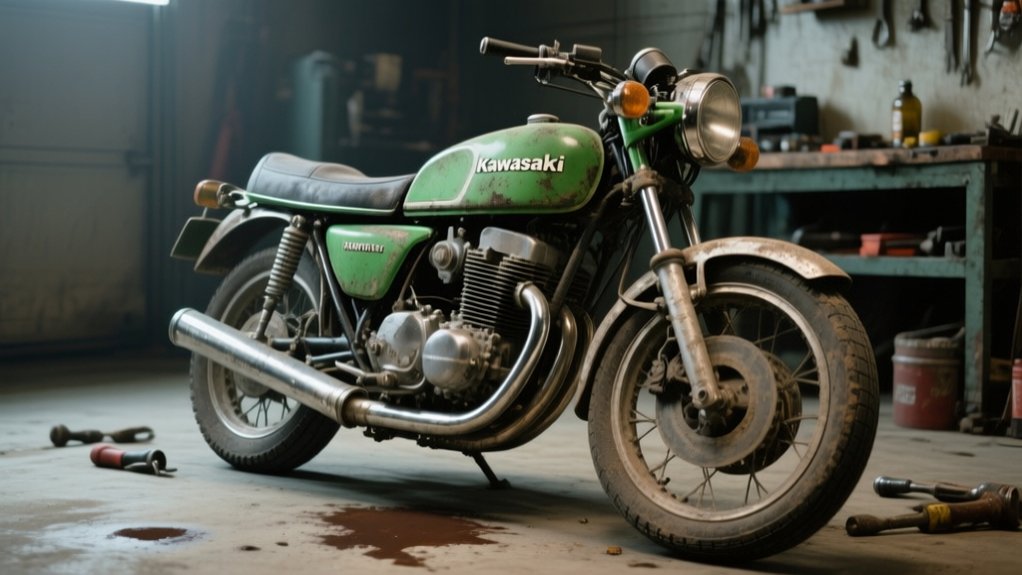
When did Kawasaki stop making two-stroke dirt bikes? Kawasaki discontinued full-size two-stroke dirt bikes after 2007, with models like the KX125 and KDX200 marking the end of an era. This was largely due to tightening emissions regulations that made it tough for two-stroke engines to comply.
They shifted focus toward four-stroke engines, which offered better environmental performance and met stricter standards. Since then, Kawasaki has concentrated on four-stroke motocross bikes for full-size models. They only continued two-stroke production in youth categories such as the KX65 and KX85.
Even though the discontinuation happened over a decade ago, recent teasers hint that Kawasaki might bring back two-stroke dirt bikes. So, it looks like we could see a return to this classic engine style in the near future.
Which Kawasaki Two-Stroke Dirt Bikes Were Last Made?
You’ll find that Kawasaki’s last full-size two-stroke dirt bikes were the KX125 and KDX200, both produced until 2006.
Then there was the KX250, which was discontinued a year later in 2007. These models really marked the end of an era for Kawasaki.
They shifted away from full-size two-strokes mainly because of stricter emissions rules and changing market demands.
Final Two-Stroke Models
Although Kawasaki had produced a variety of two-stroke dirt bikes over the years, their final full-size models were the KX125 and KDX200. These remained in production until 2006 and 2007 respectively.
The last model in Kawasaki’s lineup was the KX250, discontinued in 2007. That marked the end of an era for Team Green’s iconic two-stroke machines.
Alongside these, Kawasaki continued to offer smaller two-stroke bikes like the KX65, KX85, and KX112. These were mainly for youth riders.
After 2007, Kawasaki shifted focus toward four-stroke engines and stepped away from new two-stroke development.
If you’re a fan of classic dirt bikes, these final two-stroke models represent the last of Kawasaki’s commitment to lightweight, high-revving performance before fully embracing four-stroke technology.
It’s the close of a significant chapter in dirt bike history.
Last Production Years
Kawasaki’s final production years for full-size two-stroke dirt bikes marked a big change in their lineup. By 2007, they’d completely moved on from these models and shifted focus to four-stroke engines instead.
Here’s a quick look at their last two-stroke offerings you might find interesting: The KX125 and KDX200 were produced until 2006, which pretty much ended most full-size two-strokes.
The KX250 two-stroke stuck around for one more year and was discontinued in 2007.
After that, Kawasaki stopped making any full-size two-stroke motocross bikes altogether.
Today, only youth two-stroke models like the KX65, KX85, and KX112 are still in production.
This change marked the end of an era that had really defined Kawasaki’s motocross presence for decades.
Discontinued Model Details
While the two-stroke era was winding down, Kawasaki was still producing notable models that riders knew well. The final full-size two-stroke dirt bikes Kawasaki made were the KX125 and KDX200 in 2006, followed by the KX250 in 2007. These discontinuations came as environmental regulations tightened and the two-stroke segment became less profitable.
After 2007, Kawasaki shifted focus almost entirely to four-stroke engines for motocross and off-road bikes. Today, Kawasaki’s two-stroke lineup is limited to youth models like the KX65, KX85, and KX112.
The end of full-size two-stroke production reflected the industry-wide move away from two-stroke engines. It marked a significant shift in off-road motorcycle technology and Kawasaki’s product strategy.
Is Kawasaki Bringing Back Two-Stroke Dirt Bikes?
You’ve probably noticed Kawasaki dropping some hints about bringing back their two-stroke dirt bikes. It’s got a lot of fans pretty excited and talking.
While everyone’s hoping for a full-size comeback, Kawasaki has some serious market and technical hurdles to clear first.
Kawasaki’s Two-Stroke Revival
Could Kawasaki be gearing up to bring two-stroke dirt bikes back into the spotlight? After stopping full-size two-stroke production in 2007, Kawasaki now hints at a revival. Here’s what you need to know:
Kawasaki stopped making models like the KX125 and KDX200 because of regulations and profitability issues. But recent teasers suggest a new two-stroke model might debut before the 2025 AMA Supercross season.
They’ve been pretty quiet about patents, which makes us think there’s some big innovation happening behind the scenes. Fans are expecting a 250cc or 300cc two-stroke aimed at off-road competition.
If you follow Kawasaki closely, this comeback could really shake up the two-stroke dirt bike market by blending tradition with modern tech. So, stay tuned for official updates!
Community Reactions And Speculation
As rumors about Kawasaki’s two-stroke comeback swirl, the community has responded with a mix of excitement and skepticism. You’ll find over 3,300 reactions and 250 comments fueled by hopes of Kawasaki reintroducing classics like the KDX300 or updating the KX85.
Many enthusiasts passionately anticipate these potential model returns, but some remain cautious, questioning Kawasaki’s silence and whether these bikes will truly arrive.
Posts like Chase Hicks’ have amplified speculation, prompting widespread discussion about Kawasaki’s intentions and timing for official announcements.
The community’s focus centers on possible updates and revivals of beloved two-strokes, reflecting both optimism and doubt as fans await clarity.
You can clearly see the buzz Kawasaki’s two-stroke future has ignited among riders and enthusiasts alike. It’s a conversation that’s only heating up as everyone waits to see what’s next.
Market And Technical Challenges
The buzz around Kawasaki’s potential two-stroke comeback raises some important questions about the hurdles they face in making it happen. You should consider both market demand and regulatory challenges that influence their strategy. Here’s what you need to know:
Environmental regulations tightened around 2007 and forced Kawasaki to stop producing full-size two-strokes. Developing compliant two-stroke engines requires costly advanced emissions technology.
Despite these challenges, strong enthusiast demand motivates Kawasaki’s quiet efforts to revive these models.
Strict standards in major markets like the US and Europe make new two-stroke production difficult, but not impossible.
If Kawasaki succeeds, it means they’ve found innovative ways to balance regulations with rider interest. That could signal a potential shift in dirt bike manufacturing.
Why Did Kawasaki Discontinue Their Two-Stroke Dirt Bikes?
Although two-stroke dirt bikes had a loyal following, Kawasaki stopped making full-size models around 2006-2007 because tightening emissions regulations made their engines too costly and complex to produce.
You should understand that stricter environmental standards demanded cleaner, more efficient engines, which pushed Kawasaki to reevaluate their two-stroke lineup.
Developing compliant two-stroke engines became financially unviable due to escalating costs and technical challenges. Kawasaki shifted focus to four-stroke models, which delivered better emissions performance and met market demands more effectively.
This change wasn’t unique. It reflected a broader industry trend as manufacturers worldwide adapted to tougher environmental laws.
How Kawasaki Changed Its Two-Stroke Strategy After 2007
Since 2007, Kawasaki has shifted its two-stroke strategy by focusing primarily on four-stroke engines for full-size motocross and off-road bikes. You’ll notice they stopped producing models like the KX125, KDX200, and KX250 to meet environmental regulations and improve profitability.
Since 2007, Kawasaki shifted from two-stroke to four-stroke engines for full-size motocross bikes.
However, Kawasaki didn’t abandon two-strokes completely. Here’s how their approach evolved:
- Discontinued full-size two-stroke dirt bikes to prioritize four-stroke technology.
- Continued producing smaller two-stroke models, such as the KX65 and KX85, aimed at youth riders.
- Adapted to stricter emissions standards by innovating in four-stroke engine design.
- Maintained a flexible two-stroke strategy, signaling possible future re-entry into the segment.
This strategic pivot allowed Kawasaki to stay competitive while aligning with industry trends and regulatory demands. It was a smart move that helped them keep up with changing times.
What Youth Two-Stroke Models Does Kawasaki Still Offer?
Kawasaki continues to support young riders by offering a select range of two-stroke models tailored for various skill levels.
If you’re just starting out, the KX65 with its 65cc two-stroke engine provides an ideal introduction to off-road riding.
As you gain confidence and skill, the KX85 steps in with an 85cc engine, making it a favorite for intermediate youth riders.
For those more experienced, the KX112 offers a powerful 112cc two-stroke engine, giving you a competitive edge in youth motocross.
These models form the core of Kawasaki’s youth two-stroke lineup, designed specifically to develop your riding skills and provide a clear progression path as you advance in the sport.
It’s all about helping you grow and enjoy every step of the ride.
How Market and Emissions Trends Affect Kawasaki’s Two-Stroke Plans
As emissions regulations tighten worldwide, especially in key markets like the U.S., manufacturers have shifted focus toward four-stroke engines. This shift makes two-strokes increasingly difficult to produce profitably.
Kawasaki actually stopped producing full-size two-stroke dirt bikes back in 2007 because of these stricter standards and concerns about profitability.
But the market interest in two-strokes keeps the possibility alive. You should consider these factors shaping Kawasaki’s two-stroke plans:
- Global emissions policies favor cleaner four-stroke engines, which limits the viability of two-stroke models.
- Profit margins shrink as compliance costs rise for two-stroke bikes.
- Kawasaki is exploring new two-stroke technologies to meet demand despite environmental hurdles.
- Industry trends toward electric and four-stroke bikes reflect long-term regulatory pressure, and that challenges the sustainability of two-strokes.
Understanding these trends helps you see why Kawasaki’s two-stroke future is cautious but definitely not closed.
What Are Fans Saying About Kawasaki’s Two-Stroke Comeback?
Fans have been buzzing with excitement and speculation about the possible return of full-size two-stroke motorcycles, especially after Kawasaki’s last models appeared in 2006-2007. You’ll find the fan community highly engaged on social media, generating over 3,300 reactions and 250 comments focused on Kawasaki’s two-stroke comeback.
Many of you hope Kawasaki revives classics like the KDX300 or modernizes the KX85 to suit today’s riders. While optimism runs high, some of you remain skeptical about Kawasaki’s ability to meet strict emissions regulations with new two-stroke technology.
When Could Kawasaki’s New Two-Stroke Models Arrive?
Though the company hasn’t confirmed an exact date, you can expect Kawasaki’s new two-stroke models to debut sometime between late 2024 and early 2025. The brand’s teaser videos and industry buzz point toward a strategic launch aligning with major racing events.
Here’s what you should know:
- Kawasaki discontinued full-size two-strokes after 2007 but is now signaling a comeback.
- Teasers suggest a release before the 2025 AMA Supercross season.
- Analysts predict an official unveiling in the first half of 2025.
- Kawasaki’s development progress remains under wraps, maintaining suspense among enthusiasts.
If you’re eager for Kawasaki’s two-stroke return, keep an eye on late 2024 and early 2025. That’s when you’ll likely see these models hit the market.
Frequently asked questions
What Maintenance Differences Exist Between Kawasaki Two-Stroke and Four-Stroke Bikes?
You’ll find Kawasaki two-stroke bikes need oil mixed with fuel and more frequent spark plug checks, plus regular carburetor tuning. Their simpler engines mean easier maintenance but require thorough top-end inspections.
Four-stroke models, on the other hand, demand valve adjustments, separate oil changes, and complex lubrication routines. You’ll spend more time on valve clearance checks and oil maintenance with fours, while twos focus on fuel mixture and port timing for peak performance.
How Do Kawasaki Two-Stroke Engines Compare in Performance to Other Brands?
Imagine Kawasaki two-stroke engines as a well-tuned orchestra: balanced, reliable, and smooth. You’ll find their performance rivals Yamaha and KTM, delivering strong power with a more controlled, durable feel.
While KTM and Husqvarna push aggressive, raw power notes, Kawasaki offers a harmonious blend that suits riders seeking both thrill and consistency.
If you want dependable speed and responsive handling, Kawasaki’s two-strokes hold their own in the competitive lineup.
Are Kawasaki Two-Stroke Parts Still Widely Available for Older Models?
Yes, you can still find Kawasaki two-stroke parts for older models, but availability varies. While official dealers mainly focus on newer four-stroke parts, there are specialized aftermarket suppliers and enthusiast communities that offer a good selection of OEM and aftermarket components.
You’ll want to check online marketplaces and vintage bike forums for specific parts, especially for models like the KX125 or KDX200.
Keep in mind, rarer parts might be harder to source and could require some patience.
What Fuel Types Are Recommended for Kawasaki Two-Stroke Dirt Bikes?
You should use high-octane gasoline with a minimum rating of 87 for Kawasaki two-stroke dirt bikes. Often, this gasoline is mixed at ratios like 32:1 or 50:1 with two-stroke oil.
Using the right mix is key to keeping your engine happy and performing well.
Ethanol-blended fuels like E10 are pretty common these days, but they might require some carburetor tweaks or additives to prevent corrosion.
It’s a good idea to keep an eye on how your bike responds if you’re using ethanol blends.
Always avoid stale or low-quality fuel.
And make sure you strictly follow your owner’s manual when it comes to fuel mixture guidelines.
That way, you’ll keep your engine running smoothly and efficiently for the long haul.
How Does Kawasaki’s Two-Stroke Technology Impact Environmental Sustainability?
Kawasaki’s two-stroke technology impacts environmental sustainability by traditionally producing higher emissions than four-stroke engines. You’ll find that advances like direct injection help reduce pollutants, but emissions remain a concern.
If you’re considering Kawasaki’s two-strokes, be aware they face stricter regulations due to environmental impact. While newer tech improves efficiency, you’ll still need to balance performance desires with sustainability priorities in today’s eco-conscious market.
Final Thought
Think of Kawasaki’s two-stroke legacy like a classic vinyl record. It was paused in 2009, but never forgotten. While they shifted gears to four-strokes for cleaner emissions and market demands, they still spin limited youth two-strokes, keeping the spirit alive.
There are even rumors of a comeback swirling, so you might soon hear that familiar roar again. If you’ve been waiting for Kawasaki to drop a new two-stroke beat, your patience might just pay off soon.