How Much Is My Harley-davidson Worth Calculator – Guide
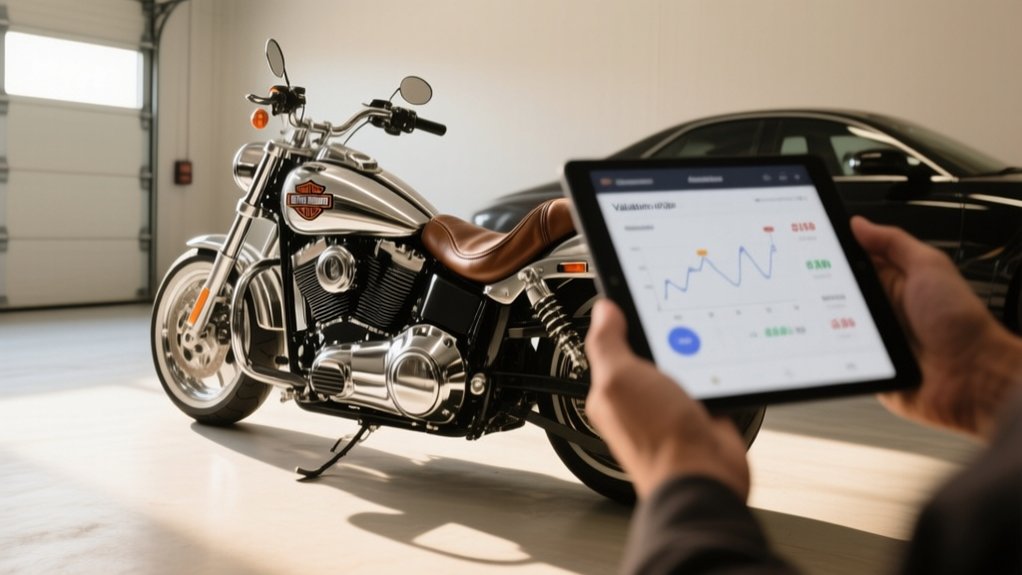
You can quickly find your Harley-Davidson’s worth by using a specialized calculator that factors in model, year, mileage, condition, and upgrades. These tools rely on trusted data sources like Kelley Blue Book and NADA to provide objective, data-driven values.
Be sure to include maintenance records and any professional modifications for accuracy. Understanding market trends and comparing private sale, trade-in, and online offers also helps set a realistic price.
Keep exploring to uncover how mileage, condition, and presentation impact your Harley’s value. It’s easier than you might think once you get the hang of it!
How a Harley-Davidson Worth Calculator Works and Where to Find One
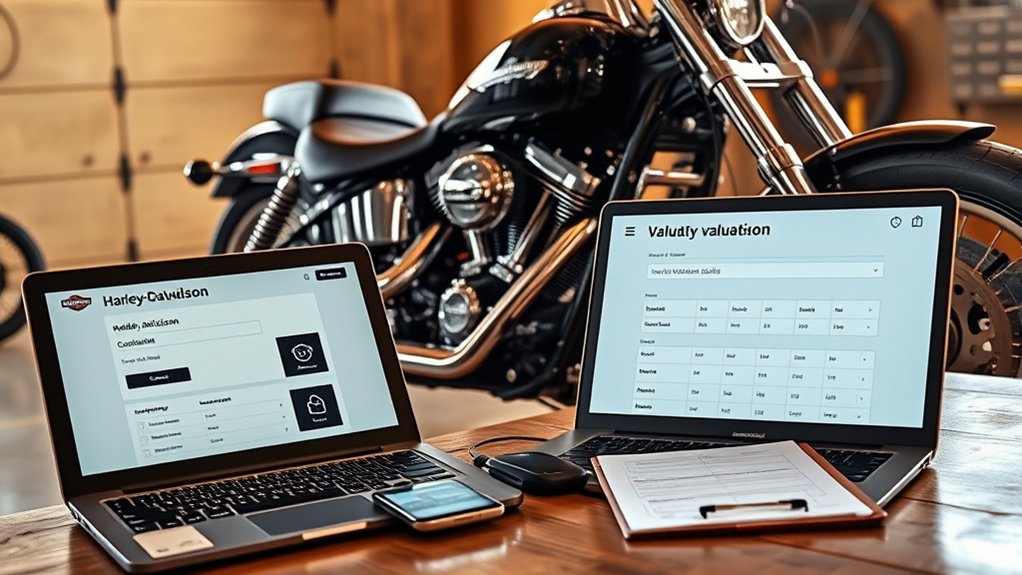
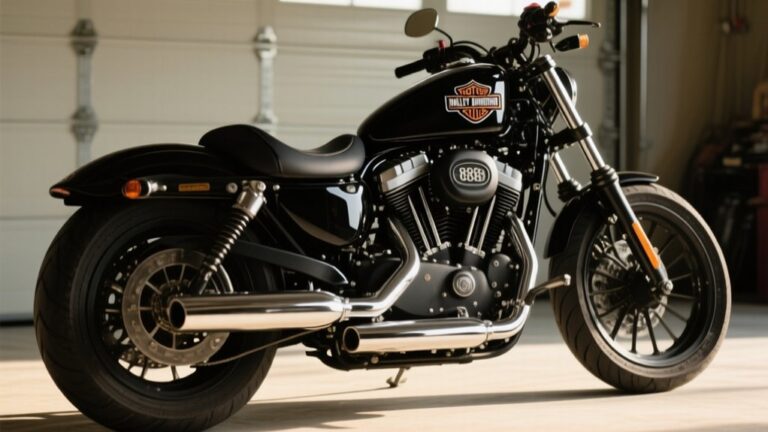
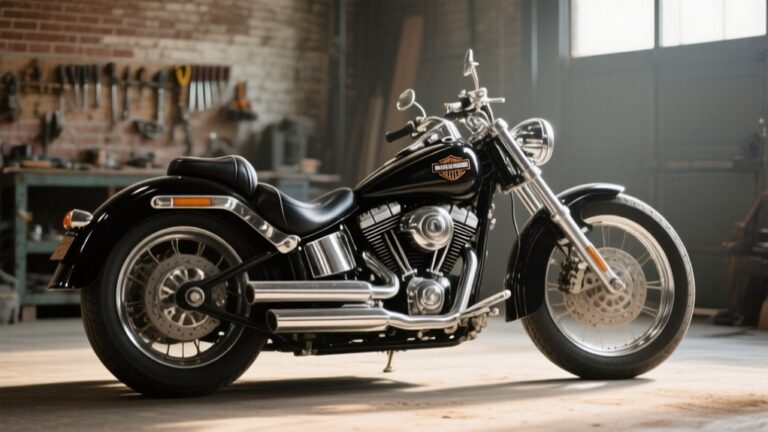
How do you accurately determine the current market value of your Harley-Davidson? A Harley-Davidson worth calculator is your best tool. It uses specific details like your Street Glide’s model, year, mileage, and condition to estimate its market value.
These calculators rely on trusted third-party data sources such as Kelley Blue Book and NADA Guides, ensuring precise valuations. You’ll find free Harley-Davidson worth calculators on official brand websites, motorcycle resale platforms, and third-party automotive valuation sites.
Many tools also ask about modifications or maintenance to refine estimates. If you have questions about the process, these platforms often provide FAQs to clarify doubts.
Using a dedicated Harley-Davidson worth calculator gives you an objective, data-driven value for your bike quickly and confidently.
Key Bike Details to Enter for Accurate Harley Valuation
To get an accurate Harley valuation, you’ll need to enter the exact model year, mileage, and condition of your bike. It’s important to be precise with these details because they play a big role in determining the bike’s value.
Also, don’t forget to include any modifications or upgrades you’ve made. Be sure to mention whether they were done professionally or if they were DIY projects. These factors can really affect your bike’s market value.
Model Year Selection
Why does selecting the correct model year matter so much when valuing your Harley-Davidson? It’s because the model year directly affects the bike’s market value by reflecting technological upgrades, design changes, and collector interest.
Entering the exact year makes sure your valuation matches current market trends and the bike’s unique attributes.
Think about it like this:
Vintage or limited-edition models from earlier years often hold higher value if they’re well-maintained and historically significant.
Newer models usually command higher prices thanks to updated features and modern specifications.
Putting in the accurate model year captures the bike’s age and demand, giving you a precise and fair market estimate.
Mileage And Condition
Once you’ve nailed down the correct model year, the next step is to focus on mileage and condition. These two factors heavily influence your Harley-Davidson’s market value. Bikes with under 10,000 miles typically command higher prices because they show limited wear.
On the other hand, high-mileage bikes, especially those above 25,000 miles, often depreciate 10-40%, depending on their upkeep and usage history.
Condition categories range from Excellent to Poor and have a big impact on value. When checking condition, think about cosmetic wear, mechanical soundness, and any maintenance you can prove.
Speaking of maintenance, having records and receipts can really boost your bike’s appraisal by showing it’s been well cared for.
Reporting mileage and condition accurately helps you get a precise valuation. That way, you can set realistic expectations or negotiate better when selling your Harley-Davidson.
Modifications And Upgrades
Although mileage and condition play crucial roles in determining your Harley-Davidson’s value, modifications and upgrades can also have a big impact on its appraisal. To get an accurate valuation, make sure you document all professional modifications, including engine enhancements, exhaust systems, and suspension improvements.
Keep receipts and maintenance records handy to prove authenticity and quality. Don’t forget to note aesthetic changes like custom paint jobs or seat upgrades since these can affect how desirable your bike is and its price.
Be careful with DIY or extreme modifications—they might actually lower the resale value if they take away from the bike’s original look. It’s best to focus on both performance and cosmetic upgrades to get the most precise estimate.
- Record all professional and aesthetic modifications with supporting documentation.
- Verify upgrades’ authenticity through receipts and maintenance history.
- Avoid extreme alterations that compromise the bike’s original condition.
How Condition Impacts Your Harley’s Resale Value
Because condition directly influences buyer perception and market demand, it plays a critical role in determining your Harley-Davidson’s resale value. A bike rated in “Excellent” condition can command up to 50% more than one considered “Fair” or “Poor.”
Condition shapes buyer demand, with an “Excellent” Harley-Davidson fetching up to 50% more than lower-rated bikes.
Even minor scratches or blemishes can reduce value by 10-15%, regardless of mechanical soundness.
You’ll want to maintain a detailed, well-documented service history and retain original parts, as these factors substantially boost resale price.
Keep in mind, customizations can either raise or lower value depending on their quality and buyer preferences.
Ultimately, the better the condition rating your Harley earns, the higher the likelihood you’ll receive top dollar when selling.
Condition really is a decisive factor in your bike’s market appeal.
Why Mileage Matters in Harley Resale Prices
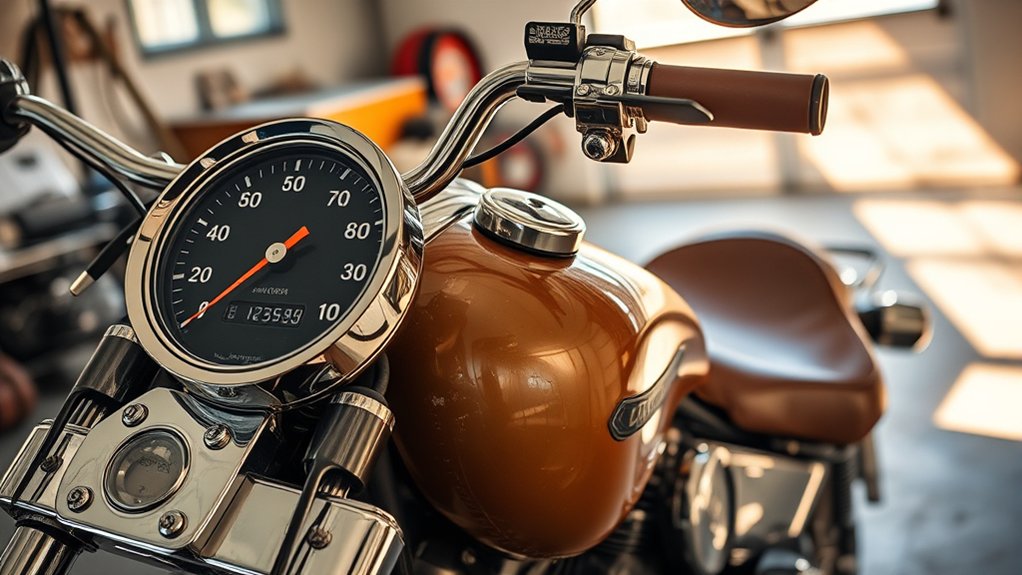
You know, mileage plays a big role in determining your Harley’s resale value. There are specific mileage thresholds that really mark noticeable drops in price.
For example, bikes with less than 10,000 miles often fetch premium prices. On the other hand, once you hit over 40,000 miles, the bike can lose up to 40% of its value.
Mileage Impact On Value
When evaluating a Harley-Davidson’s resale value, mileage plays a vital role in determining its market worth. Lower mileage often means less wear, which buyers value highly.
Here’s how mileage impacts your Harley’s value:
- Bikes under 10,000 miles command the highest prices due to minimal wear.
- Those with 10,000 to 25,000 miles see moderate depreciation, reflecting typical use.
- Motorcycles exceeding 40,000 miles may lose 25-40% of their value because of extensive wear.
Maintaining low mileage, paired with diligent care and service records, significantly boosts your bike’s resale price.
Understanding these mileage brackets helps you set realistic expectations when selling or trading in your Harley-Davidson.
It really pays off to keep track of your miles and take good care of your bike if you want to get the best deal possible.
Depreciation Thresholds Explained
Three key mileage thresholds directly influence how much depreciation your Harley-Davidson will experience in the resale market.
First, bikes under 10,000 miles command premium prices due to minimal wear and higher perceived reliability.
Between 10,000 and 25,000 miles, you’ll see moderate depreciation, typically 10-20% less than low-mileage models.
Once mileage exceeds 25,000, resale value can drop 25-40%, depending on condition and maintenance history.
High-mileage Harleys, those above 40,000 miles, tend to sell for markedly less, reflecting increased wear and potential mechanical issues.
To maximize your bike’s resale value, keeping mileage low and maintaining detailed service records is essential.
Understanding these thresholds helps you set realistic expectations and make informed decisions about your Harley-Davidson’s worth.
It’s all about knowing where your bike stands and planning accordingly.
That way, you get the best value when it’s time to sell.
How Upgrades Affect Harley Resale Value
Although upgrades can markedly enhance your Harley-Davidson’s appeal, their impact on resale value depends heavily on quality and authenticity. Professional, well-documented modifications often increase value by 10-20%. But poorly executed or DIY changes might actually lower it because buyers get concerned.
Upgrades can boost your Harley’s value by 10-20% if expertly done and properly documented.
Here are some key things to keep in mind when thinking about upgrades:
- Quality and Professionalism: High-performance exhausts or custom paint jobs installed by experts boost resale value more than amateur work.
- Factory vs. Aftermarket: Factory-installed features like advanced audio or comfort options usually hold or increase value better than aftermarket parts.
- Documentation and Rarity: Providing receipts and before-and-after photos builds buyer trust. Plus, unique, desirable customizations can help you get a premium price.
Focusing on these elements makes sure your upgrades really boost your Harley’s market appeal.
How Market Demand and Your Location Affect Harley Prices
You’ll notice that Harley prices tend to go up and down depending on the season. This usually happens during the peak riding months when buyers are out in full force.
Plus, where you live plays a big role too. Things like the local climate, riding culture, and even the economy can cause prices to vary quite a bit from one region to another.
Seasonal Demand Impact
How does the time of year and your location influence the value of a Harley-Davidson motorcycle? Seasonal demand profoundly impacts resale prices. During spring and summer, market interest rises, often increasing your Harley’s value.
Plus, warmer regions with year-round riding conditions generally maintain higher prices. Understanding these factors helps you time your sale strategically.
Consider these key points:
- Demand spikes in warmer months boost resale prices.
- Year-round riding regions see consistently higher Harley values.
- Seasonal events or rallies can temporarily elevate local prices.
Regional Price Variations
Seasonal demand sets the stage, but where you live plays an equally significant role in determining your Harley-Davidson’s resale value.
In warmer regions like the South and Southwest, higher market demand pushes prices up, reflecting favorable riding conditions year-round.
Coastal states benefit from robust enthusiast communities and increased sales activity, often resulting in above-average resale values.
Conversely, rural areas typically experience lower prices due to limited demand and fewer dealerships facilitating trade-ins or sales.
Local economic factors also impact value. Regions with higher income levels and strong Harley popularity tend to support better resale prices.
Understanding these regional variations helps you set realistic expectations and strategize the timing and location of your sale for maximum return.
Market Trends Influence
Although market demand fluctuates throughout the year, your Harley-Davidson’s resale value strongly depends on the local motorcycle culture and the density of enthusiast populations. Regional factors like economic conditions and climate also play a pivotal role.
Seasonal peaks in spring and summer often increase demand, especially in warmer or tourist-heavy areas.
Limited editions and rare models command premium prices where collectors are active.
Consider these key influences on your Harley’s worth:
- Local Enthusiast Density: Higher populations of riders and collectors boost demand and prices.
- Seasonal Demand: Sales typically rise in warmer months, affecting short-term price trends.
- Regional Preferences: Economic health and popular models vary by location, impacting resale value.
Understanding these market trends helps you accurately assess your Harley’s current market value.
Comparing Private Sale, Trade-In, and Online Offers for Your Harley
When deciding the best way to sell your Harley, you’ll want to weigh private sales, trade-ins, and online offers carefully.
Private sales typically yield 10-20% higher prices than trade-ins but demand more time and effort from you.
Trade-ins offer convenience and speed, though dealers generally value your bike 10-20% less than private buyers.
Online cash offers provide quick valuations but often reflect only 70-80% of private sale prices.
To maximize your return, compare multiple valuations and consider regional demand carefully.
While private sales can be more profitable, trade-ins and online offers offer ease and speed.
Understanding these differences helps you select the method that best balances your priorities between price, time, and convenience.
It’s all about what matters most to you—getting the highest price, saving time, or keeping things simple.
How to Present Your Harley for the Best Resale Price
After deciding how to sell your Harley, the next step is making sure it looks its best to attract serious buyers and get top dollar. Presenting your bike in a professional way boosts buyer confidence and helps justify a higher asking price.
Making your Harley look its best attracts serious buyers and supports a higher asking price.
Focus on these key areas:
- Thorough Cleaning and Repairs: Clean your Harley meticulously and fix any cosmetic flaws. A flawless appearance shows you’ve taken good care of it and adds value.
- Document Upgrades and Maintenance: Gather receipts and detailed descriptions of any modifications and service history. Being transparent about upkeep makes buyers feel more comfortable.
- Quality Photos: Take clear, well-lit pictures from multiple angles. Include close-ups of notable features and any imperfections. This kind of visual honesty builds trust.
Whenever possible, try to keep your Harley in factory-original colors. Bikes in original colors usually sell faster and for better prices.
A well-presented bike commands respect and helps you maximize resale value.
Using Multiple Valuation Tools to Get a Reliable Harley Value
To accurately determine your Harley-Davidson’s value, you should use multiple online valuation tools like Kelley Blue Book, J.D. Power/NADA Guides, and CycleTrader. Each tool weighs factors such as model, year, mileage, and condition differently, so comparing results helps spot discrepancies and yields a more precise estimate.
Keep detailed records of your bike’s condition, upgrades, and maintenance to support your valuation. Regularly updating your data with current market trends ensures you stay informed about price fluctuations.
| Tool | Focus Areas | Strength |
|---|---|---|
| Kelley Blue Book | Market trends, condition | Widely recognized values |
| J.D. Power/NADA | Vehicle specs, history | All-inclusive data |
| CycleTrader | Listings, buyer demand | Real-time market insight |
Avoid These Common Mistakes That Lower Your Harley’s Value
Using multiple valuation tools gives you a solid foundation to price your Harley-Davidson accurately. But overlooking common mistakes can still undermine its value. To maximize your bike’s resale worth, avoid these pitfalls:
Leveraging various valuation methods sets a strong pricing base, but beware common errors that could devalue your Harley.
- Skip proper documentation: Failing to maintain clear records of maintenance and upgrades lowers buyer confidence and reduces offers.
- Avoid extreme or unprofessional modifications: Such changes can detract from your Harley’s originality, cutting into its market value.
- Don’t neglect cleaning and presentation: A poorly detailed motorcycle signals neglect, which negatively impacts perceived condition and price.
Also, be mindful of regional and seasonal market trends. Set realistic prices based on demand to prevent prolonged selling periods or undervaluation. Staying attentive to these factors helps you get the best value for your Harley-Davidson.
Frequently asked questions
Can I Insure My Harley-Davidson Based on Its Calculated Worth?
Yes, you can insure your Harley-Davidson based on its calculated worth. Insurers often use market value or replacement cost estimates to set premiums.
Just make sure you provide accurate valuation details, including any custom modifications. This helps you avoid underinsurance or paying more than you need to.
Using a reputable valuation tool or getting a professional appraisal can help you secure the right coverage.
And don’t forget to keep your valuation updated regularly to reflect any changes in value or upgrades. That way, you’ll have the proper protection.
How Often Should I Update My Harley’s Value in the Calculator?
Think of updating your Harley’s value like tuning a guitar before every gig. If you skip it, the music just won’t sound right.
You should update your bike’s worth every 3 to 6 months to keep up with market shifts.
After upgrades or during peak seasons, update more often.
Keeping an eye on local sales helps you know exactly when to refresh.
This way, your valuation stays precise and you get the best price or insurance coverage possible.
Does the Calculator Consider Custom Paint Jobs or Rare Editions?
The calculator doesn’t automatically factor in custom paint jobs or rare editions unless you enter detailed information about those features.
Custom paint can affect value positively or negatively, depending on quality and buyer interest. The tool may not fully capture these nuances.
Rare editions usually add value, but the calculator only recognizes this if you specify it accurately. For best results, provide thorough descriptions and documentation.
That way, you can get a more precise valuation.
Can I Use the Calculator for Harley-Davidson Parts Valuation?
Think of your Harley-Davidson parts as puzzle pieces rather than a complete picture. You can’t use the calculator designed for whole bikes to value individual parts accurately.
Instead, you’ll want specialized tools or marketplaces like eBay for precise estimates.
The calculator overlooks factors like condition and rarity specific to parts, so relying on it may lead you astray.
For expert valuations, seek dedicated parts guides or third-party appraisal services.
Will the Calculator Estimate the Value of Vintage Harley Models?
Yes, the calculator can estimate vintage Harley values, but its accuracy depends on the details you provide, like age, condition, and originality.
Since vintage models’ values fluctuate with rarity and collector interest, the calculator’s estimate should be viewed as a starting point.
For precise valuation, especially for rare or limited editions, you’ll need professional appraisals and thorough documentation. This helps capture the bike’s true worth beyond basic online tools.
Final Thought
Think of valuing your Harley like tuning its engine. Small adjustments make a big difference. Just as a finely tuned bike runs smoother and commands a higher price, accurately entering details, noting upgrades, and presenting your bike well can boost its value considerably.
Studies show well-maintained motorcycles sell for up to 15% more. Use multiple tools and avoid common pitfalls. Treat your Harley’s valuation like precision work to get the best resale deal possible.