What Bike Does Harley Use For Msf Course – Quick Answer
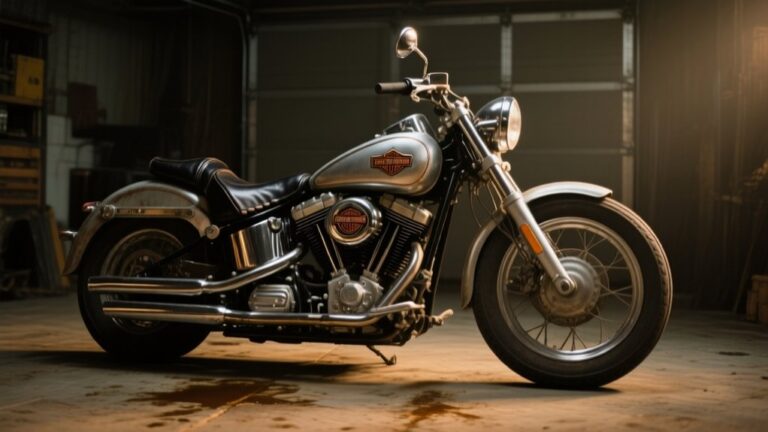
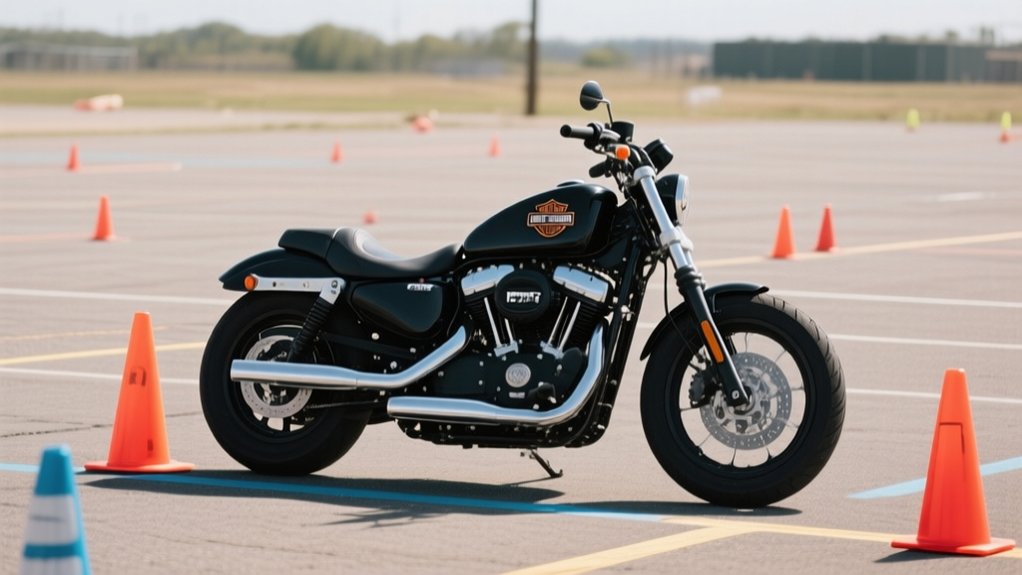
Harley uses lightweight, beginner-friendly models like the Street 500 and Street 750 for their MSF courses. These bikes have lower seat heights and balanced power, making them easier to handle as you learn core riding skills.
They’re designed to build your confidence and guarantee safety while emphasizing proper technique. Because these bikes focus on fundamentals, the skills you gain transfer easily to other motorcycles.
If you want to understand how these bikes help shape your riding foundation, keep exploring.
What Bike Does Harley Use For MSF Courses And Why?
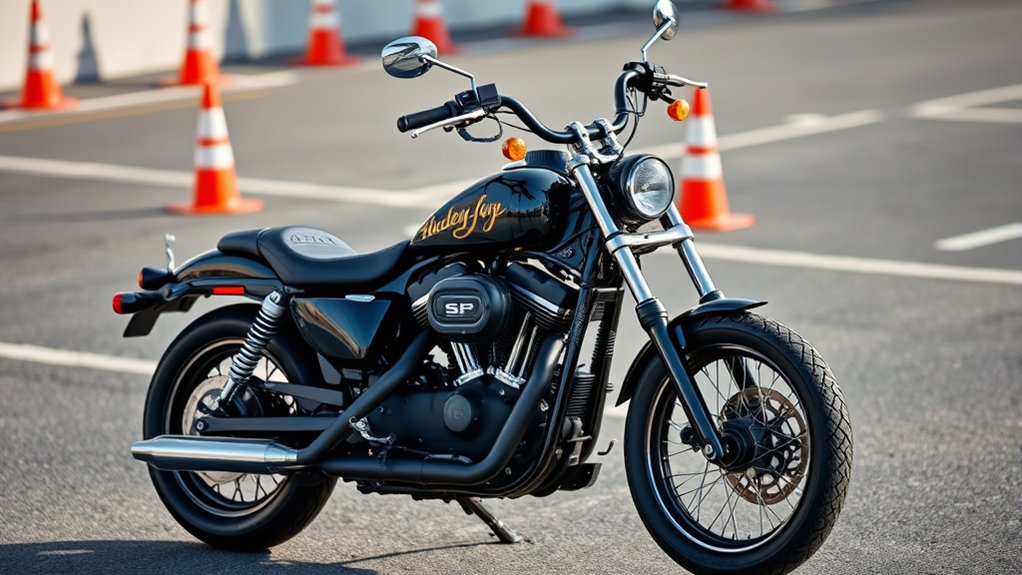
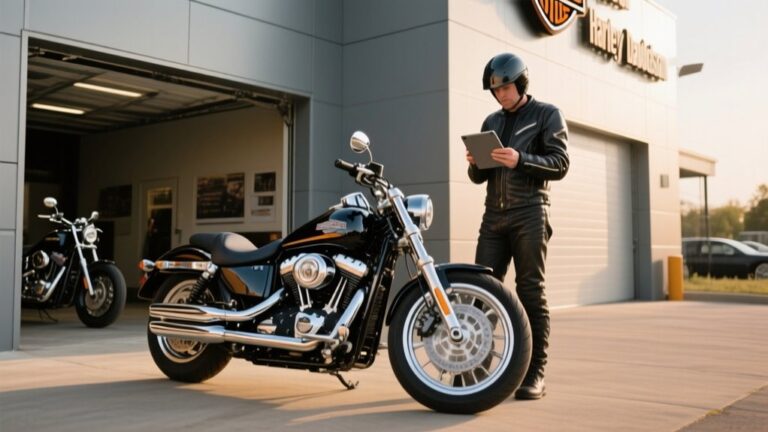
Although Harley-Davidson offers a wide range of motorcycles, they typically use smaller, manageable models like the Street 500 or Street 750 for MSF courses. These beginner motorcycles are lightweight and user-friendly, making them perfect for those just starting out.
Harley-Davidson selects these specific models because they provide reliability and the right balance of power and control, which is vital for new riders learning core skills.
Harley-Davidson chooses models that offer reliable power and control, essential for new riders mastering core skills.
In the MSF course, consistency is key, so the bikes are standardized across classes to guarantee every student gets the same experience. By using their own Harley-Davidson models, the brand builds familiarity and confidence.
This encourages riders to continue their journey with the company.
This combination makes Harley-Davidson’s approach to MSF courses both effective and approachable. It’s all about helping new riders feel comfortable and supported from the very beginning.
How MSF Course Bikes Teach Essential Riding Skills
When you ride MSF course bikes, you’re really zeroing in on the basics—things like proper posture, braking, and turning. These are skills that work no matter what motorcycle you’re on.
The great thing is, what you learn on these bikes transfers easily, so you’ll feel confident handling your own ride afterward.
And honestly, it doesn’t matter what model you end up with later on. The fundamentals you pick up remain key to staying safe and in control out there.
Core Riding Techniques
How do MSF course bikes help you master essential riding skills? These bikes focus on developing your core skills by emphasizing proper posture, balance, and throttle control. They’re designed for beginner riders and provide a manageable, stable platform.
This setup lets you concentrate on fundamental motorcycle handling without getting overwhelmed by advanced features. During the course, you’ll practice turning, braking, and clutch control on bikes that give consistent feedback. That way, you build safe, repeatable habits.
It ensures you learn how to handle a motorcycle confidently and smoothly. By focusing on these foundational techniques, MSF course bikes prepare you to ride safely and competently. And it doesn’t matter what type of motorcycle you use later on.
Skill Transferability Across Bikes
Since MSF course bikes focus on teaching fundamental riding skills, you can confidently apply what you learn to any motorcycle you ride afterward. The skill transferability built into the course guarantees that foundational riding skills like throttle control, body positioning, and braking techniques translate seamlessly across different bike types.
Whether you switch to a sport bike, cruiser, or standard motorcycle, the core principles of motorcycle handling remain consistent. This consistency means you won’t need to relearn basics when shifting to a new bike.
The MSF course emphasizes balance, proper cornering, and safe maneuvering, equipping you with versatile riding abilities.
Ultimately, this approach enhances your safety and confidence, making your skills adaptable to any motorcycle you choose to ride.
How Harley MSF Bikes Differ From Other Course Bikes
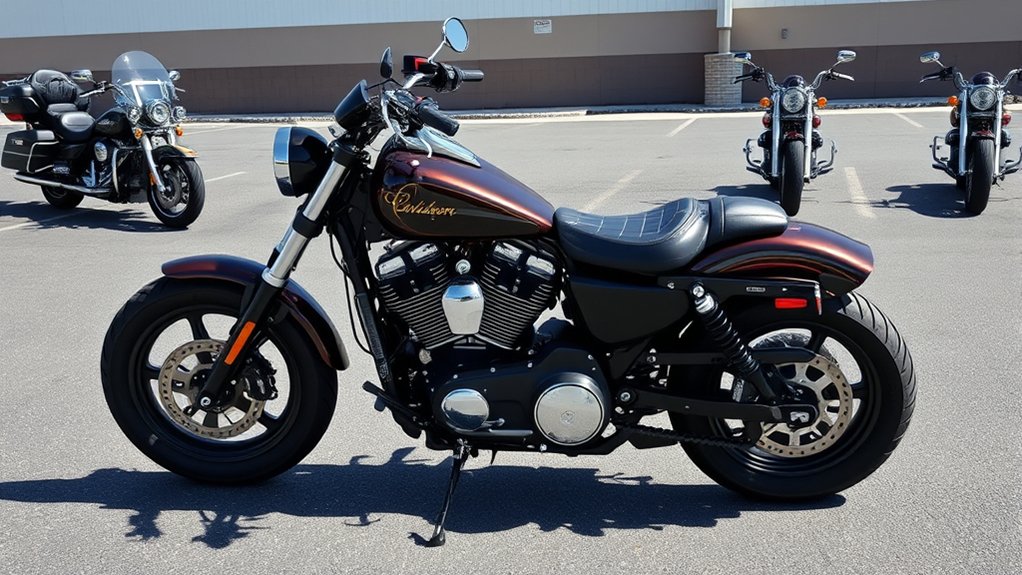
Although many motorcycle training courses use generic bikes, Harley MSF course bikes stand out by focusing on beginner-friendly models like the Street 500. These Harley-Davidson training bikes feature lower seat heights and lighter weights, making them easier for new riders to handle.
Unlike other generic course bikes, Harley MSF bikes maintain the brand’s unique styling and build quality. This gives you a genuine Harley experience from the start.
| Feature | Harley MSF Bikes | Other Course Bikes |
|---|---|---|
| Model Focus | Street 500 (beginner-friendly) | Generic, varied models |
| Seat Height | Lower for comfort | Often higher |
| Weight | Lighter for ease | Varies, often heavier |
| Styling | Harley-Davidson specific | Generic, non-branded |
These factors make Harley MSF bikes uniquely suited for new riders who want an authentic introduction. It’s a great way to start your riding journey with a bike that feels just right.
How Harley MSF Course Bikes Prepare You For Other Motorcycles
When you train on Harley MSF course bikes, you gain skills that apply to a wide variety of motorcycles beyond just Harley models. These MSF course bikes, including versatile Harley-Davidson models like the Road King, teach you essential riding skills such as balance, braking, cornering, and proper posture.
These core principles are universal, making your training relevant whether you later ride sport bikes, cruisers, or standard motorcycles. By handling different Harley-Davidson bikes during the course, you develop adaptability and confidence.
This prepares you to manage various motorcycle sizes and styles. The thorough approach ensures that the riding skills you build on Harley MSF course bikes translate seamlessly to other makes and models. It sets a strong foundation for safe, skilled riding across the board.
Common Challenges For Beginners Riding Harley MSF Bikes
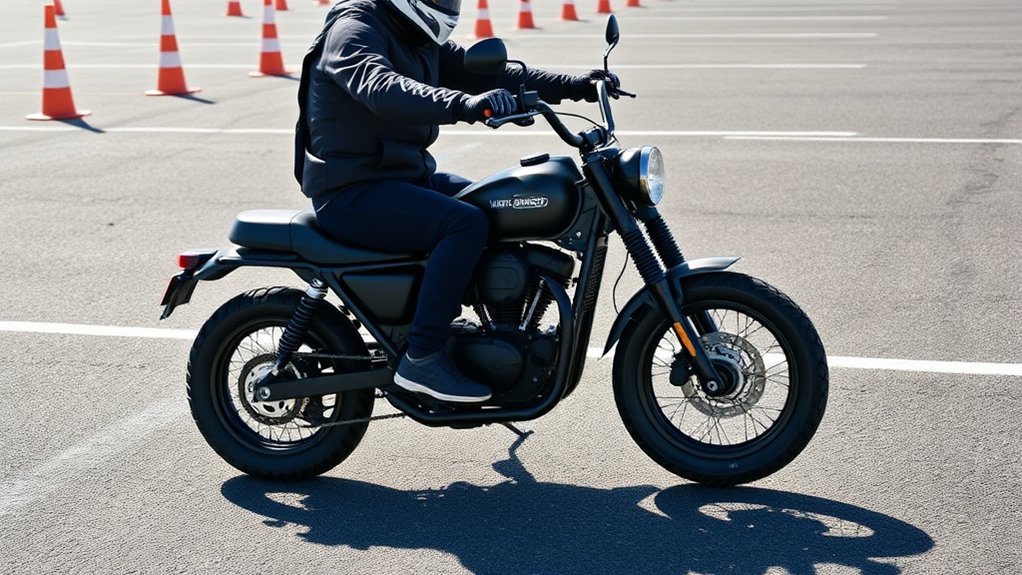
Riding Harley MSF bikes presents unique challenges for beginners, especially because they’re heavier and have a larger frame. You’ll quickly notice how these factors affect balance and maneuverability, making slow-speed handling tougher.
If you’re shorter, managing the bike’s size during tight turns or parking can feel awkward. Clutch control and throttle response on Harley MSF bikes also demand more practice since their cruiser-specific feel is different from smaller or sportier models.
The weight distribution and seating position may initially shake your confidence, especially when steering sharp corners. These beginner challenges require patience and focused practice to overcome, but mastering them builds a solid foundation.
Understanding how Harley MSF bikes handle helps you develop the skills needed to ride confidently and safely. With time, you’ll get the hang of it!
Expert Tips For Transitioning From Harley To Sport Or Standard Bikes
Mastering a Harley during your MSF course sets a strong foundation for handling other motorcycle types. When shifting to sport or standard bikes, focus on adapting your riding techniques to new riding positions and quicker bike responsiveness. Your core motorcycle handling skills remain valuable, so emphasize proper posture and throttle control.
It’s all about adjusting to the feel of the bike. Sport and standard bikes respond faster, so you’ll want to be smooth and deliberate with your inputs. Don’t rush it—practice helps build confidence and muscle memory.
| Tip | Explanation |
|---|---|
| Maintain Core Skills | Use learned techniques to adapt quickly |
| Adjust Posture | Shift to sport or standard bike stance |
| Control Throttle | Manage power delivery smoothly |
| Practice Often | Gain confidence on varied motorcycles |
| Stay Patient | Shifting takes time and focus |
Why Proper Technique Matters More Than Your Harley MSF Course Bike
You won’t master riding just by focusing on the bike model alone. Technique always comes first. The skills you develop—like balance and throttle control—work no matter what motorcycle you’re on.
Technique Over Motorcycle Model
Although the specific motorcycle model you use in your MSF course, such as a Harley, might catch your eye, it’s the riding technique that truly shapes your skills. The core principles taught during motorcycle training—balance, posture, and handling—remain consistent no matter the bike.
Focusing on proper riding technique guarantees you develop a solid foundation that applies across all motorcycle types.
While different models might feel distinct, mastering technique allows you to adapt effortlessly. Your safety and control depend on how well you apply these core principles, not on the brand or style of bike.
Ultimately, prioritizing technique over the motorcycle model equips you with versatile, reliable skills that enhance your confidence and performance on any ride.
Transferable Riding Skills
When you learn proper riding techniques during your MSF course, the skills you acquire transfer seamlessly to any motorcycle, including Harleys, sportbikes, or cruisers. The core riding skills like balance, throttle control, and body positioning form a foundation that applies universally.
Motorcycle handling differences are mainly about adapting to each bike’s unique feel, not relearning fundamentals.
| Riding Skill | Application Across Bikes |
|---|---|
| Balance | Essential for all motorcycles |
| Throttle Control | Smooth acceleration and deceleration |
| Body Positioning | Enhances control and stability |
Mastering these skills on a Harley during your MSF course equips you to confidently handle smaller or larger bikes. So, prioritize technique over the specific bike used in training for safe, adaptable riding.
Affordable Harley MSF Course Options & Expectations
Since starting with affordable options is essential for many new riders, Harley-Davidson’s MSF courses offer accessible training using their own lineup of bikes like the Street 750. These affordable MSF courses typically cost between $100 and $200, making them a budget-friendly choice without sacrificing quality instruction.
The training bikes used in these courses may vary slightly from personal Harley models but are carefully selected to teach core riding skills effectively. Whether you’re new or have some experience, you’ll find the course covers essential handling techniques that build confidence and safety.
Frequently asked questions
What Is the Average Engine Size of Harley MSF Course Motorcycles?
The average engine size of Harley MSF course motorcycles is typically between 250cc and 500cc. You’ll find that these bikes offer manageable power, making them perfect for beginners.
They’re designed to give you a realistic riding experience without overwhelming you.
By choosing an engine size in this range, Harley guarantees you can focus on learning the basics while still enjoying the feel of a genuine cruiser.
It’s all about making sure you get comfortable on the bike before moving on to bigger engines.
This way, you build confidence and skills safely.
Are Harley MSF Course Bikes Suitable for Taller Riders?
Yes, Harley MSF course bikes can work for taller riders, but you might need to adjust your seating and posture for comfort and control. Some models feature higher handlebars or adjustable seats, helping you find a better fit.
You’ll want to pay attention to your reach and positioning to ride safely and confidently.
Overall, with a few tweaks, these bikes can suit taller riders well during the course. Just take your time getting comfortable, and don’t hesitate to ask for adjustments if you need them.
It’s all about making sure you feel good and in control while you ride.
Can I Use My Own Motorcycle for the MSF Course?
You’ve heard, “Don’t put all your eggs in one basket,” and when it comes to MSF courses, you can definitely use your own motorcycle if it meets their safety and registration requirements.
Using your bike helps you learn better because you’re familiar with it.
Just make sure your bike’s lights, brakes, and tires are in good shape.
Also, check with the course for any specific rules on bike type or engine size.
How Long Does a Typical Harley MSF Course Last?
A typical Harley MSF course lasts about one to two days. You’ll spend time in both classroom sessions and practical riding exercises, giving you a well-rounded experience.
Some courses might be condensed into a single day, especially if you have prior riding experience.
The exact duration can vary depending on the location and class size, so it’s smart to check with your local MSF provider for precise details. That way, you’ll know exactly what to expect and can plan accordingly.
Do Harley MSF Courses Provide Helmets and Gear?
Yes, Harley MSF courses provide helmets and essential safety gear for you. They include certified helmets that meet safety standards, so you don’t have to worry about bringing your own.
In many cases, they also supply gloves and jackets or recommend you wear your own protective equipment if you have preferred gear.
This way, you stay safe and comfortable while learning to ride throughout the course.
Final Thought
When you take an MSF course on a Harley, you’re riding a bike designed to build solid foundational skills. Over 80% of new riders report increased confidence after training on these models.
Remember, the bike itself is just a tool. Mastering technique matters more. Whether you stick with Harley or switch to sport or standard bikes, the skills you develop here will prepare you for safe, confident riding in any situation.