What Does Fxr Stand For Harley – The Full Story
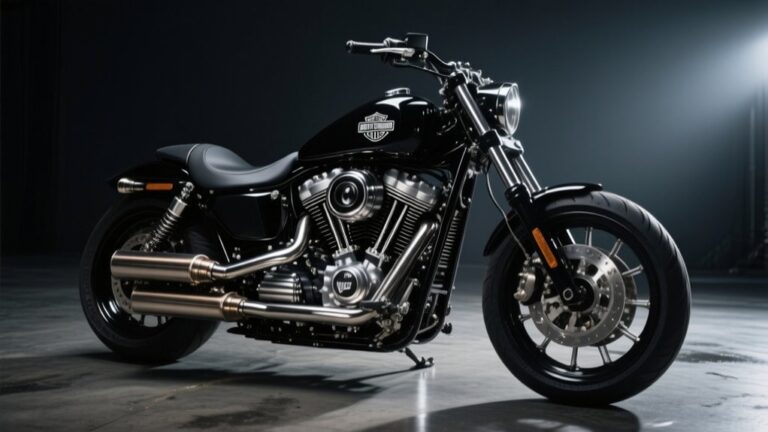
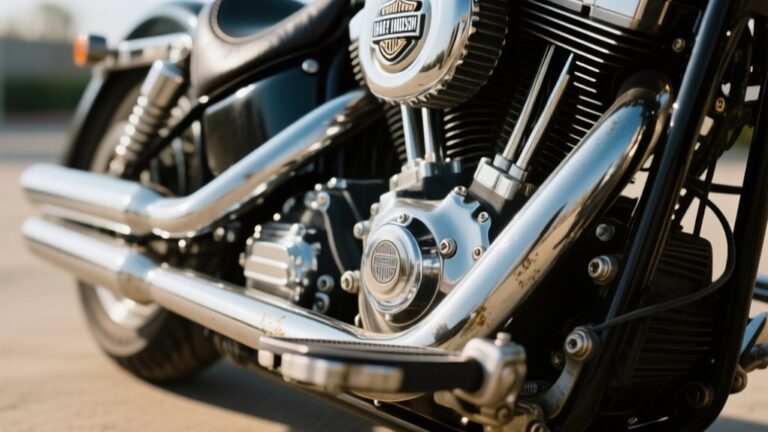
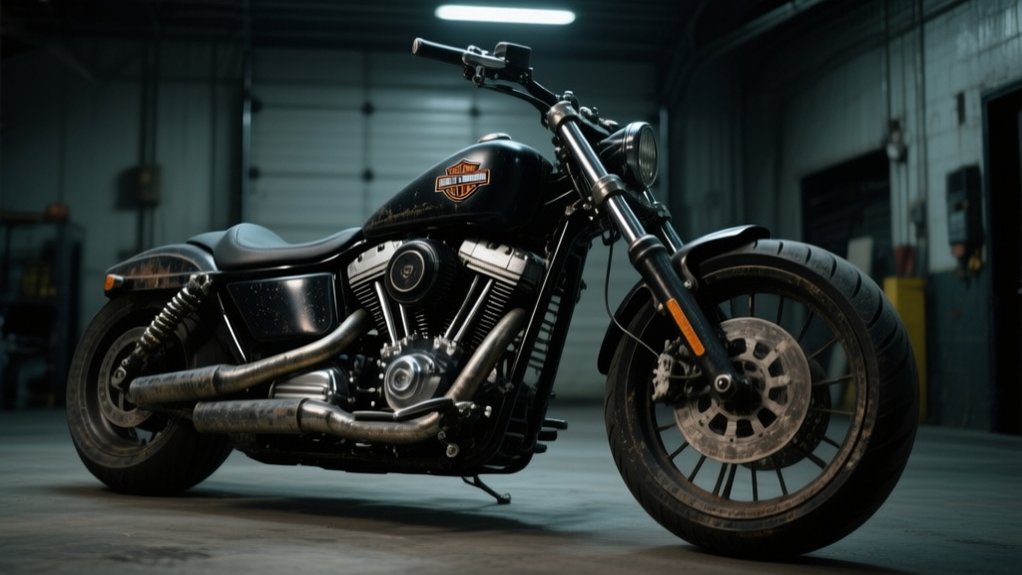
When you see FXR on a Harley, it stands for a sport-influenced Big Twin model with a welded, triangulated steel frame and rubber-mounted engine. This setup gives you a smoother ride and better handling.
The “F” marks the large V-twin engine, “X” signals special or sport construction, and “R” means rubber mounts reduce vibration. This design really boosted cornering and rider comfort.
It set a new level for Harley. If you dig deeper, you’ll see how FXR shaped Harley’s engineering and style over time.
Understanding The FXR Model Code Meaning At Harley-Davidson
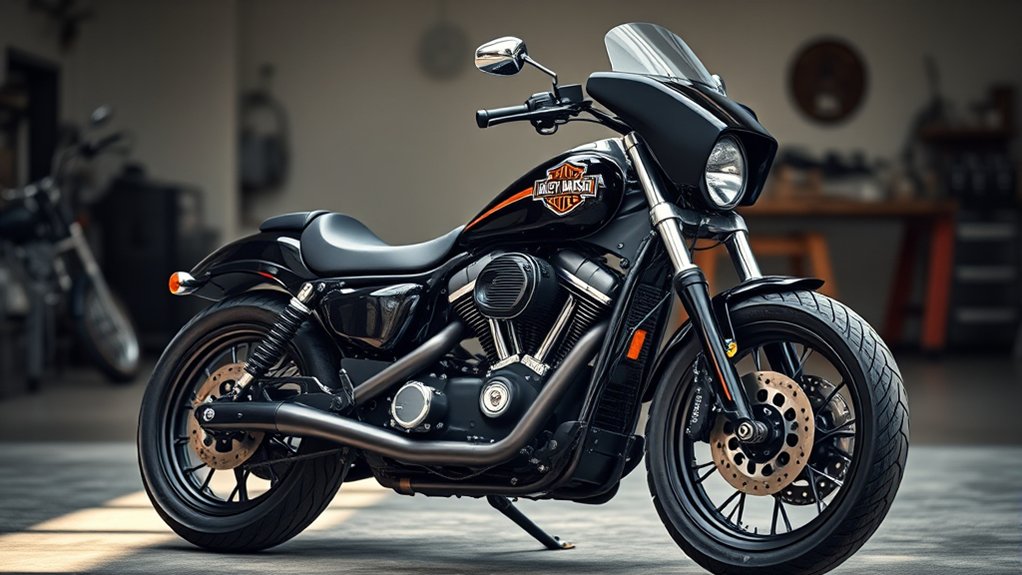
What does the FXR code really mean when it comes to Harley-Davidson motorcycles? The FXR model code identifies a Big Twin platform with sport-influenced styling and a rubber-mounted frame.
In Harley models, the “F” stands for the Big Twin lineup, featuring large displacement V-twin engines.
The “X” signals a sport or special construction, distinguishing these bikes from standard touring models.
Ultimately, the “R” indicates that both the engine and chassis components are rubber-mounted, which improves ride comfort by reducing vibration.
Introduced in 1982, FXR models showcase a welded, triangulated steel frame designed for better handling and performance.
FXR’s Engineering And Ride Quality Improvements
Because Harley-Davidson designed the FXR platform with a welded, triangulated steel frame, you benefit from enhanced rigidity and sharper handling compared to earlier models. This steel frame boosts chassis stability and allows for increased lean angles, giving you improved cornering confidence.
The FXR’s engineering also includes a suspension setup with telescopic forks and twin shocks featuring rubber mounts, which play a vital role in vibration reduction. This means less rider fatigue and a smoother ride experience overall.
Furthermore, the FXR chassis was crafted to support various models, emphasizing versatility without compromising ride quality. Thanks to these thoughtful engineering upgrades, you get superior handling, reduced heat transfer, and a consistently comfortable ride across diverse conditions, making the FXR a standout in Harley-Davidson’s lineup.
Key FXR Models And Their Unique Features
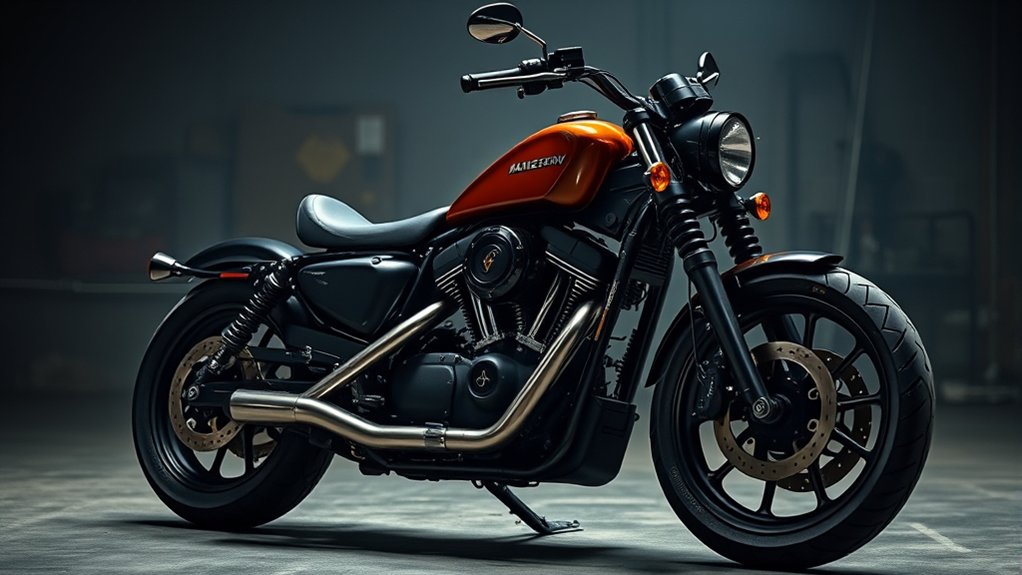
While the FXR platform shares a common engineering foundation, its range of models offers unique features tailored to different riders and purposes. Harley Davidson’s FXR models, like the FXRS Low Rider, stand out with classic styling, laced wheels, and an aggressive stance.
The FXRT Sport Glide, part of the touring line, features a frame-mounted fairing and touring amenities, perfect for long rides.
The FXRP Police model boosts heavy-duty chassis and drivetrain components alongside upgraded suspension for law enforcement needs.
Meanwhile, the FXLR Low Rider emphasizes a modern, minimalist look with updated suspension components and a more comfortable riding position.
Each model code reflects specific tweaks to the FXR frame and suspension, ensuring you get the right balance of performance and style no matter your riding preference.
Why Even Harley Fans Find FXR’s Naming Confusing
Even if you’re a dedicated Harley enthusiast, you might find the FXR naming system puzzling. Harley Davidson’s internal codes like FXR were designed for engineering updates and platform designations, not for clear branding. That causes naming confusion.
The letter “R” in model codes can mean different things — Roadster, Road King, or Racing — depending on context. This confuses even Harley fans. Over time, Harley reused and reassigned letters inconsistently, making model codes harder to interpret.
Specifically, FXR denotes a sport-influenced platform with a rubber-mounted frame, but that’s not obvious just from the name. Harley admits their motorcycle terminology evolved through heritage and internal needs.
FXR’s Legacy And Impact On Harley’s Future
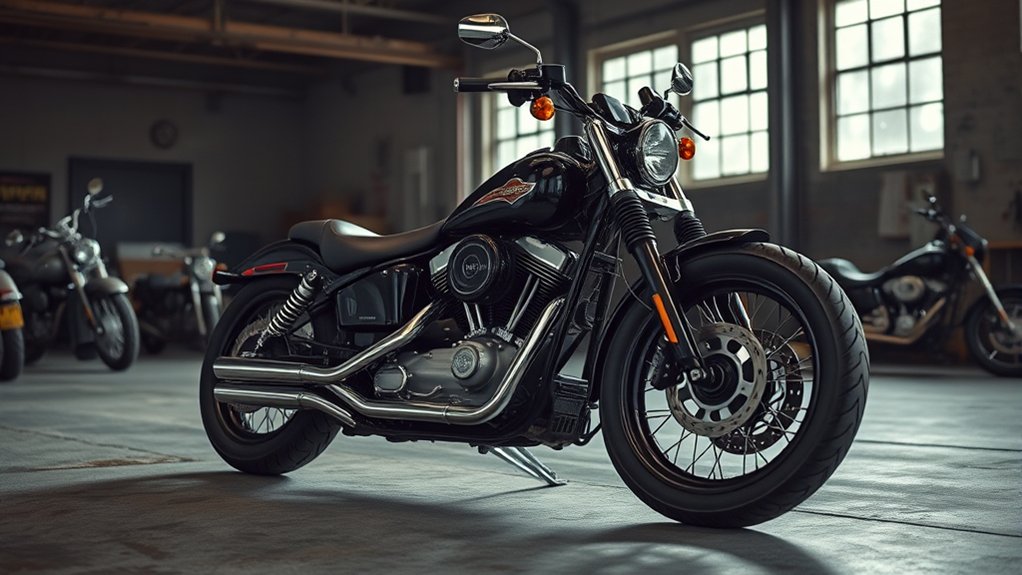
When you look at Harley-Davidson’s evolution, the FXR platform stands out as a game-changer that reshaped the brand’s engineering and customer appeal. The FXR’s legacy lies in its advanced chassis and suspension design, which improved handling and ride comfort. This platform’s impact extended beyond its era, influencing Harley’s future models and solidifying the brand’s reputation for performance and versatility.
| Aspect | FXR Influence |
|---|---|
| Chassis | Stiff, welded steel frame enhancing stability |
| Suspension | Rubber-mounted V-twin engine for comfort |
| Handling | Sportier, agile ride quality |
| Evolution | Basis for future Harley engineering |
| Reputation | Attracted performance-oriented riders |
You’ll see FXR’s impact in Harley’s ongoing evolution toward superior ride quality and handling. It really set the stage for what came next, making riding more enjoyable and dynamic.
Frequently asked questions
What Years Was the Harley-Davidson FXR Produced?
You’ll find the Harley-Davidson FXR was produced from 1982 through 1994, spanning over a decade of impressive engineering.
If you’re into limited editions, the FXR2 and FXR3 popped up in 1999, but only 1,800 units total. Harley discontinued the FXR platform in 1995, replacing it with the Dyna series.
Still, riders appreciate the FXR for its advanced chassis design, smooth handling, and reduced vibration during its prime years.
How Does the FXR Chassis Compare to Other Harley Frames?
You’ll find the FXR chassis outperforms most Harley frames with its welded, triangulated steel design. This offers greater rigidity and sharper handling.
Unlike Softail’s hidden suspension, the FXR’s exposed frame prioritizes performance and cornering ability. That’s thanks to raised footpegs and higher lean angles.
You’ll notice it feels more stable and responsive, especially during aggressive riding. This makes it stand apart from cruiser-focused frames like the FL series, which emphasize comfort over precision.
Are FXR Parts Compatible With Other Harley Models?
You’ll find that most FXR parts aren’t directly compatible with other Harley models because the FXR’s unique welded steel frame and suspension design differ quite a bit.
However, some engine and transmission components, like Evo motors, do interchange across models.
Suspension parts might fit certain Softail or Dyna bikes if the mounting points line up, but frame-mounted accessories usually won’t.
So, you’ll often need FXR-specific parts or some careful modifications to get the proper fit.
It’s always a good idea to double-check before you start swapping parts around.
What Is the Typical Market Value of an FXR Motorcycle?
You can expect an FXR motorcycle to typically sell between $10,000 and $20,000, depending on its condition, model, and originality.
If you find rare variants like the FXRS-SP or FXRT, they often go for $25,000 or more.
Keeping your FXR well-preserved, with original parts and low mileage, boosts its value.
Just remember, customizations usually lower resale prices, so staying original pays off for collectors.
Can the FXR Be Customized for Modern Performance Upgrades?
Yes, you can definitely customize the FXR for modern performance upgrades. You’ll find plenty of options like upgraded suspension, high-flow exhausts, and advanced electronic fuel injection kits to boost handling and power.
Swapping out stock forks and shocks for adjustable ones improves ride comfort.
Plus, enhancing the engine with performance camshafts and tuning modules amps up horsepower and torque.
Modern brakes help you stop safely too.
The FXR’s solid chassis makes it perfect for blending vintage style with modern tech.
Final Thought
Now that you know what FXR stands for and why it’s important at Harley-Davidson, you can really appreciate its engineering and unique ride quality. The FXR models, even though their names can be a bit confusing, have left a lasting legacy. This legacy still influences Harley’s future.
Remember, every detail in the FXR was crafted to enhance your riding experience. So, next time you see an FXR, you’ll understand why it stands out.