What Is High Mileage For A Harley Davidson – What to Know
High mileage for a Harley-Davidson typically starts between 45,000 and 60,000 miles, but it varies by model. Sportsters usually have lower limits around 20,000 to 30,000 miles. On the other hand, touring bikes often exceed 100,000 miles.
You’ll want to focus on the maintenance history and inspect key parts like cam chain tensioners and clutch plates. Well-kept engines can easily surpass 150,000 miles. Understanding these factors helps you gauge engine longevity and know what to check before buying or riding further.
Defining High Mileage for Harley-Davidson Motorcycles
Although perceptions vary by model, high mileage for Harley-Davidson motorcycles generally begins between 45,000 and 60,000 miles. You’ll find that Harley-Davidson models differ quite a bit in how high mileage is defined because of their design and typical usage.
For example, Sportster models may hit high mileage status around 20,000 to 30,000 miles. Meanwhile, touring models often go beyond 50,000 miles before reaching this point.
Proper maintenance is key to extending engine life, especially for Harley engines like the Twin Cam and Milwaukee-Eight. With diligent care, these engines can easily surpass 100,000 miles.
Understanding your Harley-Davidson’s specific benchmarks and keeping up with regular servicing helps you know when high mileage really starts to affect performance and longevity.
Is 40,000 Miles a Lot for a Harley-Davidson?
You really shouldn’t judge a Harley just by the miles on it. Maintenance history is a huge factor when it comes to how long it lasts.
At around 40,000 miles, a lot of models are actually hitting their stride. With the right care, they can run reliably for quite a while.
Mileage Versus Maintenance
How significant is 40,000 miles for a Harley-Davidson motorcycle? Mileage alone isn’t the best measure. Maintenance and condition matter more.
A well-maintained Harley with 40,000 miles can perform as smoothly as a newer bike. Service records are vital. They show how consistently the bike received proper care.
Neglecting maintenance shortens lifespan regardless of mileage.
| Mileage Range | Condition | Maintenance Impact |
|---|---|---|
| Under 40,000 | Typically excellent | Easier upkeep, fewer issues |
| Around 40,000 | Varies; check service logs | Moderate wear; routine care |
| 40,000–100,000 | Good with maintenance | Requires diligent servicing |
| Over 100,000 | Condition critical | High maintenance demands |
Focus on service records and condition to assess value, not just the odometer.
Longevity Expectations Explained
Understanding the significance of 40,000 miles on a Harley-Davidson means looking beyond just the numbers to the bike’s engineered durability. For Harley-Davidson engines, 40,000 miles is actually well below the high mileage threshold, especially when proper maintenance is kept up.
Many models, especially touring bikes, can easily go over 100,000 miles without major issues.
So, your mileage expectations should reflect that 40,000 miles is often just the early life of a well-maintained Harley. Regular servicing, oil changes, and attentive care are what keep these engines reliable and efficient.
Reaching 40,000 miles doesn’t mean the bike has worn out or lost its value. Instead, it shows the bike’s longevity and that it’s ready for many more miles, as long as it stays well-maintained.
Basically, 40,000 miles is a milestone, not the finish line.
Value of 40K Miles
Although 40,000 miles might seem substantial on many motorcycles, Harley-Davidson models, especially touring bikes, consider it moderate mileage due to their engineered durability.
When evaluating a used bike with 40,000 miles, keep in mind: many Harley-Davidson motorcycles can surpass 100,000 miles if well maintained, making 40,000 miles relatively low.
A Harley with 40,000 miles is generally broken-in, which shows proven durability rather than excessive wear.
Proper upkeep, like regular oil changes and timely part replacements, ensures reliability beyond this mileage.
Enthusiasts view 40,000 miles as a solid milestone, not a sign of high mileage decline.
Mileage Benchmarks Across Harley Models
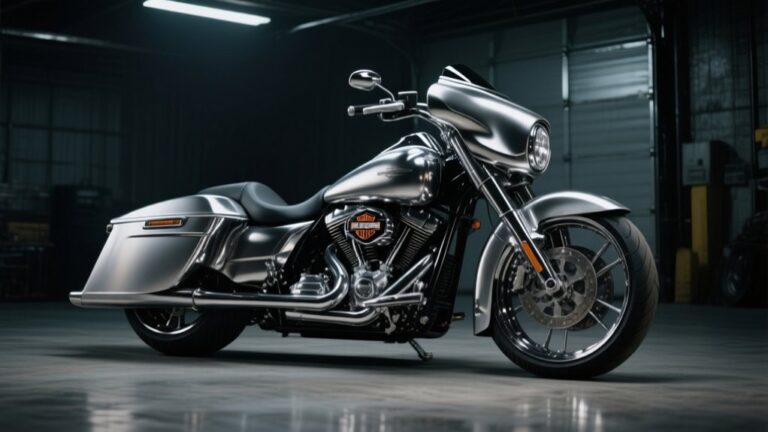
While mileage benchmarks vary considerably across Harley-Davidson models, you can expect touring bikes like the Street Glide and Electra Glide to exceed 100,000 miles with proper maintenance. These touring bikes set a high mileage benchmark thanks to their robust engine design and focus on long-distance reliability.
In contrast, Sportster models typically reach 20,000 to 30,000 miles but can surpass 100,000 miles with diligent care. Softail and Dyna bikes usually log 40,000 to 50,000 miles as high mileage, with some engines achieving up to 150,000 miles.
Harley big twins are renowned for engine longevity, often exceeding 100,000 miles, with exceptional cases surpassing 300,000 miles. When evaluating a used Harley, understanding these mileage benchmarks helps you gauge engine condition and expected lifespan accurately.
It’s always good to know what’s typical so you can make a smarter purchase.
Why Taking Care of Your Harley Matters More Than the Miles
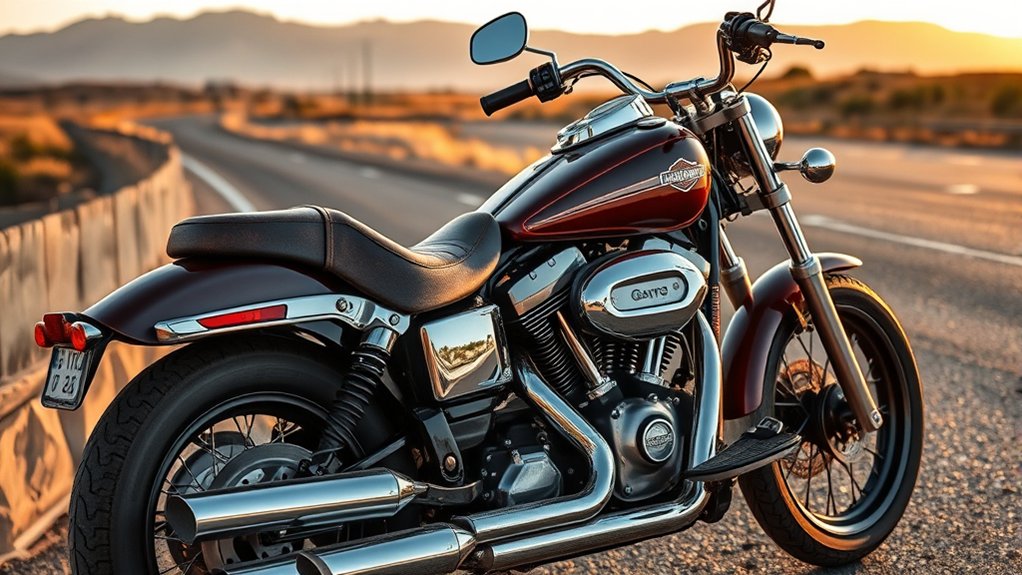
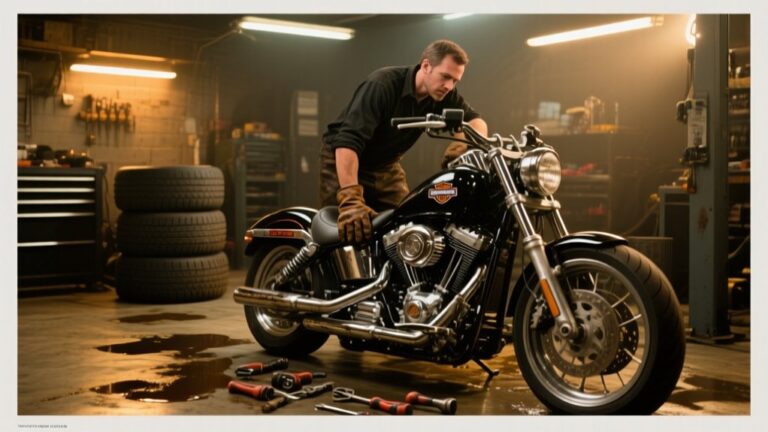
You can’t just look at the miles to figure out how your Harley is doing. What really matters is keeping up with regular maintenance. When you change the oil on time and give your bike a good once-over, it helps all the important parts work like they should and stops problems before they start.
Taking care of your Harley like this means it stays reliable and safe to ride. Plus, it keeps its value no matter how many miles you’ve put on it.
Maintenance Beats Mileage
Because a Harley-Davidson’s lifespan depends more on maintenance than mileage, you should prioritize regular oil changes, inspections, and timely repairs to guarantee reliability and longevity. Proper care directly impacts your bike’s performance and value. It often helps engines exceed 100,000 miles without major issues.
To get the most durability out of your ride, focus on these essentials:
- Schedule regular oil changes to keep your engine lubricated and reduce wear.
- Conduct thorough inspections so you can catch and fix problems early.
- Take care of repairs promptly to stop minor issues from turning into big ones.
- Always use certified technicians who know Harley-Davidson models inside and out.
Longevity Through Care
Although mileage gives you a rough idea of how much your Harley-Davidson has been used, the real key to its longevity is how well you take care of it. Proper maintenance like timely oil changes, cam chain tensioner adjustments, and brake inspections directly affect how long the engine lasts.
With good care, these bikes can easily go over 150,000 miles.
Skipping these important routines speeds up wear and can lead to engine failure much sooner, no matter how many miles are on the clock. Also, storing your Harley properly and riding carefully helps reduce unnecessary stress on the mechanical parts.
If you stick to these habits, you’ll keep your bike reliable and extend its life way beyond what mileage alone would suggest. In the end, it’s your dedication to maintenance and mindful riding that determines how long your Harley-Davidson will keep going strong.
Common Wear and Issues to Watch on High-Mileage Harleys
When your Harley-Davidson passes the 50,000-mile mark, certain wear patterns and mechanical issues become more common. These things definitely need your attention.
Crossing 50,000 miles brings common wear and mechanical issues that demand your careful attention.
As a high-mileage Harley owner, you’ll want to keep a close eye on some critical areas.
1. Cam Chain Tensioners
Twin Cam engines often need upgraded or replaced tensioners to prevent slack and damage.
2. Wear Points
Clutch plates, brake parts, and suspension components show gradual wear and will need servicing over time.
3. Engine Oil Leaks
Check rocker boxes, primary covers, and transmission seals for leaks. These usually mean gaskets or seals are wearing out.
4. Internal Wear
If you notice excessive noise, vibrations, or hard starting, it could be worn internal components. That’s a sign you should get a thorough inspection.
Taking care of these issues promptly helps keep your Harley running strong and reliable for many more miles.
Checklist for Inspecting High-Mileage Harley-Davidsons Before Purchase
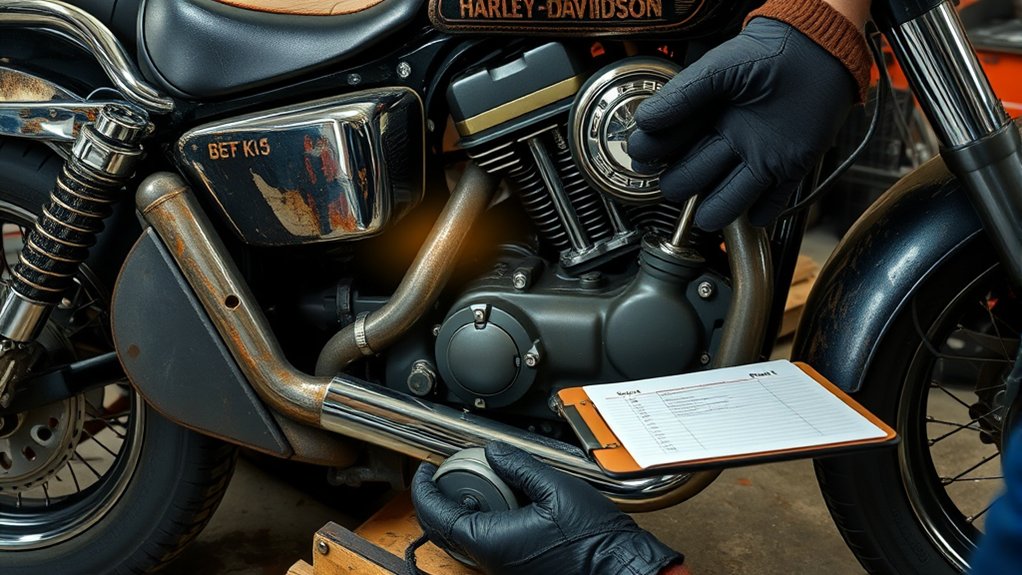
Before you commit to buying a high-mileage Harley-Davidson, you’ll want to conduct a thorough inspection that goes beyond surface appearance. Start by verifying the service history to confirm regular maintenance, with a focus on critical components like cam chain tensioners and clutch.
Next, perform a detailed motorcycle inspection. Check for leaks, corrosion, or rust on the engine and frame, as these often indicate neglect or harsh exposure.
Take the bike for a test ride to evaluate smoothness and responsiveness. Listen carefully for any abnormal noises during the ride.
Don’t forget to inspect the tire tread, brake pads, and fluid levels to make sure routine upkeep has been done.
Finally, assess the overall condition of the seat, handlebars, and wiring to get a sense of how well the bike has been cared for over time.
This checklist helps ensure you select a reliable Harley-Davidson capable of handling its high mileage with confidence.
How Long Harley-Davidson Engines Last With Proper Maintenance
If you commit to consistent oil changes and timely maintenance, your Harley-Davidson engine can easily surpass 100,000 miles. Proper maintenance is vital for maximizing mileage longevity and engine lifespan.
To guarantee your Harley-Davidson engines reach high mileage benchmarks, focus on these key practices:
- Follow manufacturer-recommended service intervals meticulously.
- Replace wear parts like belts, gaskets, and spark plugs before they fail.
- Conduct regular inspections to catch early signs of wear.
- Store the bike properly to avoid moisture and corrosion damage.
Many Twin Cam and Milwaukee-Eight engines have gone beyond 150,000 miles. Some well-maintained bikes have even surpassed 200,000.
Your Harley’s engine lifespan really depends on diligent upkeep and good riding habits, so keeping up with proper maintenance is key to reaching those impressive mileage numbers.
Frequently asked questions
How Does Riding Style Affect Harley-Davidson Mileage Longevity?
Your riding style directly impacts your Harley-Davidson’s mileage longevity. Smooth acceleration and gentle riding reduce engine wear, helping your bike reach higher mileages.
Try to avoid aggressive behaviors like rapid acceleration, high-speed riding, and excessive revving. These increase stress on engine components and speed up deterioration.
Consistently riding at moderate speeds and minimizing short trips also helps prevent engine condensation. This, in turn, reduces maintenance needs.
Are There Specific Harley Parts That Commonly Fail With High Mileage?
You’d think Harley parts last forever, but some just can’t take the mileage abuse. Cam chain tensioners often fail after 50,000 miles if you skip upgrades.
Primary drive components like clutch plates wear faster without care.
Electrical parts like stators and regulators tend to burn out around 60,000 to 80,000 miles.
Expect rocker box leaks and worn valve train parts, especially on older bikes.
Rubber bushings and seals also deteriorate over time, causing leaks and vibrations.
Can High Mileage Harley-Davidsons Retain Good Resale Value?
Yes, high mileage Harley-Davidsons can retain good resale value if you maintain them properly. You’ll want to keep detailed service records and make sure all scheduled maintenance is done.
Also, preserving the bike’s cosmetic condition really helps.
Models like touring Harleys often exceed 100,000 miles without major issues. So, buyers tend to focus more on condition than mileage.
A clean title and well-documented upkeep can greatly boost your bike’s market appeal, even with higher mileage.
What Are the Best Fluids and Oils for High-Mileage Harleys?
Think of your high-mileage Harley like a seasoned athlete needing premium fuel. Use full-synthetic oils like Mobil 1 V-Twin 20W-50 or Harley-Davidson Syn3 to protect aging engines.
Change oil and filters regularly, and add Lucas Oil Stabilizer to reduce wear.
For transmission and primary chains, rely on Screamin’ Eagle Transmission Fluid and Primary Chaincase Oil. Always monitor viscosity and temperature to keep lubrication *ideal* during rides.
It really helps your bike run smoother and last longer.
How Do Storage Conditions Impact Harley Mileage and Longevity?
Storage conditions directly impact your Harley’s mileage and longevity by preventing premature wear. When you store your bike indoors or in a climate-controlled space, you minimize rust, corrosion, and rubber degradation.
Using a proper cover stops dust and moisture from damaging sensitive engine and electrical components. Avoiding exposure to harsh weather reduces temperature fluctuations, which helps preserve seals and hoses.
This means your Harley runs efficiently longer and reaches higher mileage with fewer repairs. Taking care of where and how you store your bike really pays off in the long run.
Final Thought
When you ride a Harley-Davidson with high mileage, imagine the engine’s steady hum echoing years of care and precision. Forty thousand miles might seem like a lot, but with meticulous maintenance, it’s just another chapter in your bike’s story.
Focus on signs of wear and thorough inspections to keep your Harley running strong. Remember, it’s not just the miles. It’s how you’ve treated your machine that truly defines its longevity and performance.