Where To Buy A Motorcycle – Where to Find It
You can buy a motorcycle at local dealerships, brand showrooms, and trusted online listings.
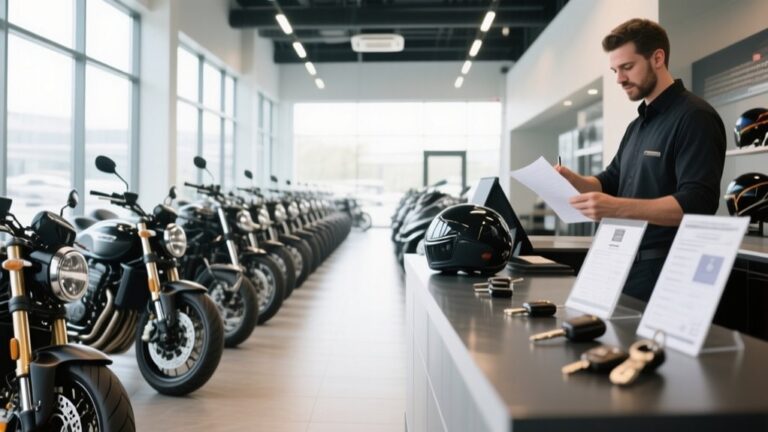
Check nearby powersports dealers for new and used inventory, parts, and service. Then confirm the address before you visit.
Compare MSRP, fees, and financing options. Ask about certified pre-owned bikes, trade-ins, and warranties.
Review test ride rules and inspection records. Also, look for factory-trained service support to help you choose with confidence.
Where to Find Local Motorcycle Dealers

Start by searching nearby powersports dealerships so you can compare new and used motorcycles, parts, and on-site service in one place. Check a Used Motorcycle inventory online, then confirm details at the showroom address before you go.
Compare nearby powersports dealerships, browse used motorcycles online, and verify showroom details before you visit.
A trusted powersports dealership often lists real-time specs, photos, and certified pre-owned options. That way, you can see what’s available before you visit.
Call the service department to ask about factory-trained technicians, warranty work, and pre-delivery inspections. Also ask what’s included in service appointments and inspections.
Review financing tools, trade-in estimates, and any promotional APRs before you visit. Then compare quoted prices carefully to avoid surprises.
Confirm whether tax, title, and documentation fees are extra. Regional and brand-specific dealers, like BMW, Yamaha, Indian, or Can-Am shops, can also offer model-specific guidance and manufacturer offers.
Should You Buy New or Used?
When you’re deciding whether to buy new or used, weigh what matters most. New bikes give you factory warranty coverage, the latest tech, and manufacturer financing specials. But they usually cost a lot more upfront.
Used models can save 20–50% and still fit your budget. Just make sure you’re getting a solid deal.
| Option | Pros | Cons |
|---|---|---|
| New | Warranty, latest features, low APR | Higher price |
| Used | Lower cost, certified options | More wear risk |
| Dealer support | Service, parts, accessories | Fewer bargains |
Check service records and get a pre-purchase inspection to spot hidden issues. Also factor in insurance, registration, maintenance, and replacement parts. Older bikes may need tires, chain, or belt work sooner.
Buy from local Powersports Vehicles for Sale dealers with factory-trained technicians. That way you get support near your riding area and keep your bike ready for the season.
How to Compare Motorcycle Models and Prices

Once you’ve narrowed your choice to new or used, compare each motorcycle on more than just sticker price.
Check MSRP, invoice price, and dealer fees.
Advertised deals often skip freight, prep, documentation, tax, title, and registration, which can add $600–$1,500+ to your out-the-door cost.
- Compare specs side-by-side: engine size, horsepower, torque, weight, seat height, and suspension travel.
- Match the bike to your riding: commuting, touring, sport, or off-road.
- Estimate total ownership: insurance, maintenance, tires, chains or belts, and fuel.
- Scan inventory online and used listings, including certified pre-owned options for inspection benefits and reduced risk.
For powersports enthusiasts, dealer services, low-APR offers, and accessories can change value fast.
Judge the full package, not just the tag.
Financing, Trade-Ins, and Warranty Options
Before you sign for a motorcycle, compare the financing, trade-in, and warranty details just as carefully as the bike itself.
Many dealerships offer financing for used motorcycles through online pre-approval forms.
Their finance teams can match you with loan offers.
Ask about current APRs, term lengths, down payments, and OEM promotions.
Also, ask whether GAP insurance or other add-ons are included.
If you’re trading in, clean the bike and bring maintenance records.
This helps the appraiser value it fairly.
For powersports purchases, request a written out-the-door quote that lists tax, title, registration, freight, prep, and doc fees.
If you choose a certified pre-owned model, confirm what the warranty covers.
Then verify how long it lasts and whether there’s a deductible before you commit.
Test Rides and Ongoing Support

After you’ve sorted the financing, trade-in, and warranty details, focus on how the dealer supports you before and after the sale.
Ask about test-ride rules at Honda Powersports, since many shops require a valid license, proof of insurance, and a signed waiver.
Ask about test-ride rules at Honda Powersports, since many shops require a valid license and proof of insurance.
Book an off-peak appointment so factory-trained staff can explain controls, fitment, and routes efficiently.
Then check service support too: tire repairs and routine maintenance, chain or belt replacement, and OEM parts and accessories stock.
Also ask about warranty coverage, certified pre-owned checks, and expected turnaround times.
A dealer with strong service helps you ride longer and reduces surprises, so confirm whether financing creates any service holds.
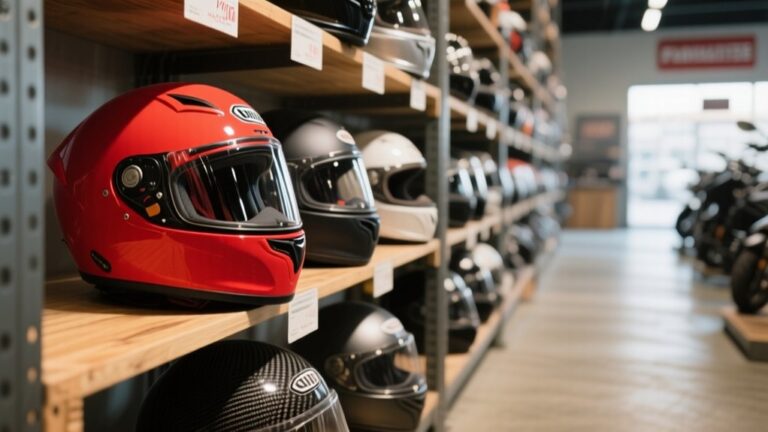
See if they stock helmets or jackets for seasonal prep as well.
Strong post-sale support matters as much as the bike itself.
Frequently Asked Questions
How Do I Choose the Right Motorcycle Class for My Needs?
You choose the right motorcycle class by matching the bike to how you’ll ride.
If you want speed on pavement, pick a sportbike.
For relaxed highway trips, choose a cruiser.
For commuting, use a scooter.
For trails, get a dirt bike.
For mixed riding, go with an adventure or touring bike.
Then check engine size, fit, and total costs.
Test-ride first so you know it feels right.
What Documents Are Needed to Buy a Motorcycle?
You’ll need a government-issued photo ID, proof of insurance, payment paperwork, and the bike’s title or manufacturer’s certificate of origin.
For example, if you’re buying a used Honda, bring your driver’s license, insurance card, bank check or loan approval, and the seller-signed title.
You’ll also need a bill of sale.
In some cases, you may need an inspection certificate, sales tax, and registration fee payment to finish the transfer.
How Can I Verify a Dealer’s Reputation Before Visiting?
You can verify a dealer’s reputation before visiting by checking Google, Yelp, and Facebook. Look for repeated rating patterns and see how management replies to complaints.
Then confirm OEM authorization or certified pre-owned status using the dealer’s site or a manufacturer locator. This helps you avoid listings that sound official but aren’t.
Next, search state agency records for complaints, licensing issues, or judgments. This can reveal problems that don’t show up in reviews.
Finally, ask for service certifications, warranty details, and fee disclosures. Compare those details with what they advertise before you go.
What Safety Gear Should I Budget for With a New Bike?
Safety first pays off.
Budget $300–$700 for a DOT full-face helmet.
Budget $200–$500 for a CE-rated jacket, $150–$350 for gloves, and $150–$400 for boots.
If your gear lacks armor, add $100–$400 for a back protector and $80–$300 for chest protection.
Set aside $50–$250 for rain gear, hi-vis items, and base layers.
That way you’re ready for changing weather.
How Do Motorcycle Registration and Insurance Work?
You register your motorcycle with your state DMV soon after buying it. Usually, you’ll need to do this within 15–30 days.
You’ll bring the signed title, bill of sale, ID, and proof of residency. In some cases, you’ll also need a VIN inspection.
You’ll also pay title, registration, and plate fees. Most states require at least liability insurance.
If you financed the bike, your lender will likely require full coverage. This usually lasts until you pay it off.
Conclusion
Finding the right motorcycle is like tuning a good engine: each part needs to work together. Start by checking local dealers, then decide whether new or used fits your budget and riding goals.
Compare models, prices, financing, and warranty options carefully. Always take a test ride before you commit.
When you choose a bike that feels right and a dealer you trust, you’re setting yourself up for a smoother, safer ride ahead.