How To Title A Motorcycle Without Title – Smart Tips
You can title a motorcycle without a title by first running the VIN through NMVTIS, CARFAX, and your state DMV. Confirm it isn’t stolen, salvaged, or branded.
Next, match the frame, engine, and paperwork VIN exactly. Then gather a bill of sale, prior records, and photos.
After that, follow your state’s process for a duplicate, bonded, or out-of-state title. If your state requires it, get a police VIN inspection. The right next steps are ahead.
What to Check Before Buying a Titleless Motorcycle
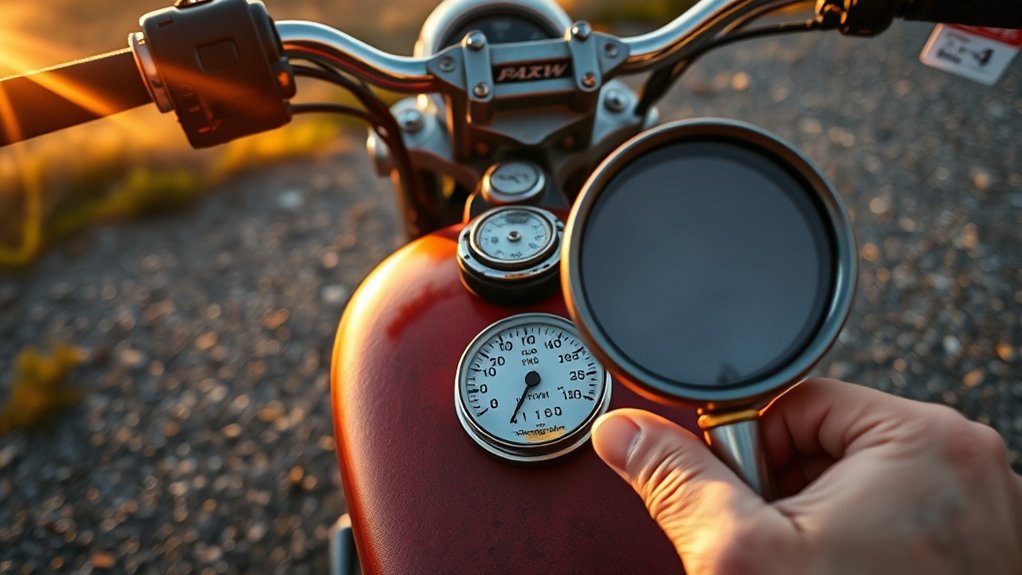
Before you hand over any money for a titleless motorcycle, run the VIN through an NMVTIS or police database. Then compare the VIN on the frame, engine, and paperwork to make sure everything matches exactly.
Run the VIN through NMVTIS or police records, then verify it matches the frame, engine, and paperwork exactly.
If you see altered fonts, uneven spacing, or scratched and filled-in numbers, walk away. A quick VIN check can expose theft, salvage branding, or title problems even on bikes with no paperwork.
Ask for any prior registration, previous title copies, and a dated, signed bill of sale showing the price and VIN. Also, request anything that proves ownership history.
Do a VIN verification against your state rules for bonded title options, inspections, age exemptions, and fees before you commit. If the paperwork’s thin, factor in bond, service, inspection, and tax costs.
Then decide whether the bike’s condition justifies the risk.
How to Run a Motorcycle VIN Check
Once the VIN looks clean on the bike and the seller’s papers, run it through a national database such as NMVTIS or CARFAX.
This helps check for theft reports, salvage or branded titles, and odometer issues.
Next, do a VIN check by comparing the number stamped on the frame and engine with the title or bill of sale.
Every character should match, with no scraped metal or altered digits.
Then run the VIN against the stolen-vehicle registry and your state DMV records.
If your state requires it, ask for an official inspection through local police.
If anything flags, stop the purchase and contact authorities.
Save screenshots, reports, and inspection affidavits so you have proof for a bonded-title application or any later dispute.
How to Tell if the Bike Is Stolen or Branded

To make sure the bike isn’t stolen or carrying a hidden brand, run the VIN through NMVTIS and local police databases before you hand over any money.
A solid VIN check can reveal a stolen title, branded salvage, or other title brands that don’t show up in a casual listing.
Inspect the frame, steering neck, and VIN plate for signs of tampering.
Look for uneven fonts, grinding marks, mismatched rivets, or fresh paint around the stamp.
Ask for title photos and compare the VIN, owner name, and odometer to the bike and any prior records.
If anything conflicts, get a vehicle history report and press the seller for details on liens, crashes, flood damage, or repairs.
When you still have doubts, have police or a DMV inspector verify the VIN before paying.
Choose the Right Title Path
After you’ve verified the bike isn’t stolen or branded, choose the title path that fits your state and the bike’s paper trail. Start by running a VIN check through NMVTIS or local police, then match the results to your paperwork.
If you can reach the former owner, ask for a duplicate title or a signed power of attorney and bill of sale to complete a direct transfer. If that’s not possible, check whether your state allows a bonded title.
With a bonded title, you’ll usually buy a surety bond and wait out the required period. For older bikes, also check any age exemptions and cc rules before you file.
If your DMV is strict, an out-of-state transfer or a title service may help. Just expect extra fees and more paperwork.
How Bonded Titles Work for Motorcycles
Understanding a bonded title can help you turn a no-title motorcycle into a legally registrable bike.
A bonded title can help turn a no-title motorcycle into a legally registrable bike.
You’ll post a surety bond, usually worth 1.5 to 2 times the motorcycle’s appraised value.
The bond protects any prior owner’s claim for a set period, often three years.
Then you complete the bonded title process with your state.
You’ll typically do a VIN inspection and provide a bill of sale to support ownership.
Officials will also verify the bike isn’t listed as stolen.
- Buy the surety bond.
- Submit the bonded title application.
- Wait for DMV review and issuance.
- Finish title conversion after the bond term.
Your total cost often lands between $200 and $400.
Processing usually takes 2 to 6 weeks.
If no claim appears during the bond period, you can pursue title conversion to a clean title.
What Documents the DMV Wants
Once you’ve figured out how a bonded title can get the bike moving again, the next step is gathering the paperwork the DMV expects.
You’ll usually need a completed title application, a bill of sale, and government-issued photo ID to start the process.
Add an affidavit, such as an Affidavit in Lieu of Title, plus VIN verification from police or an authorized inspector to confirm the bike’s identity and rule out theft.
If a lien ever existed, include a notarized lien release.
When the seller can’t sign, some states accept a Power of Attorney or other proof of ownership.
Many DMVs also want photos, prior registration, sales tax records, and, for bonded or out-of-state cases, your surety bond receipt and any required court or county forms.
How to Handle a Lost or Missing Title
If the title is gone missing, start by confirming the motorcycle’s VIN through NMVTIS or a police VIN check. This helps you avoid wasting time on a stolen or branded bike.
Then ask the seller for every record they can find, including a bill of sale, prior registration, and any affidavit of ownership. Also request the VIN and sale details in writing.
Get a signed bill of sale with the VIN, price, names, addresses, and date. After that, check whether the seller can request a duplicate title.
Review your DMV rules for a bonded title or an affidavit-in-lieu option. Be sure to save photos, messages, and VIN records for your file.
If the title still can’t be found, you can often file through a bond process. You may need to pay fees and prove ownership through the DMV’s requirements.
When You Need a Police VIN Inspection
When do you need a police VIN inspection? You’ll need one when your DMV asks for VIN verification on a title application. This is especially common for a bike with no title or when using a bonded process.
Call your local non-emergency police line and request a VIN inspection.
Call your local non-emergency police line and request a VIN inspection.
Many officers will inspect the frame VIN and complete a police affidavit in about 10 minutes.
Bring the DMV’s form. If your state requires it, bring a printed state affidavit too.
The officer will run a stolen check and confirm whether the VIN is clear or branded.
If your area doesn’t use police for VIN checks, ask whether a licensed shop or a DMV inspector can sign instead.
Before you buy, photograph the VIN, run a VIN check, and secure the signed affidavit if your state requires verification.
Title Fees, Taxes, and Delays
After you’ve cleared the VIN check, the next step is budgeting for the paperwork itself. Expect title fees of about $20–$100. You may also face admin charges for a VIN inspection, clerk review, or notarization.
In many states, you’ll owe sales tax on the bike’s purchase price or assessed value. Usually it runs about 6–9%, unless the transfer is exempt.
If you need that route, add bonded title costs. A surety bond often totals $100–$200.
Plan for extra time due to processing delays. Reserve $50–$200 for missing signatures or back fees.
DMV processing and inspections can add 2–6 weeks. Keep your budget flexible. If you choose a bonded title, total costs can reach $200–$400 fast.
Use a Title Service or Avoid the Scam
A reputable title service can sometimes secure an out-of-state or bonded title for you when your DMV won’t issue one directly. Still, verify its credentials first. Look for state certification, BBB or DMV referrals, and multiple strong reviews.
Ask how they’ll handle your vehicle history and chain of possession before you pay. This helps you avoid major delays and surprises once the process starts.
| Check | What to ask | Why it matters |
|---|---|---|
| Credentials | State certification? | Confirms legitimacy |
| Method | Bonded title or out-of-state title? | Sets expectations |
| Paperwork | Bill of sale, photos, VIN? | Prevents delays |
A legit title service gives written fees, usually $200–$400 plus bond costs, and a 2–6 week timeline. Avoid scams that promise instant results, want blank forms, or demand untraceable payment.
Ask who will appear at the DMV and get every step in writing.
Frequently Asked Questions
Can I Title a Motorcycle Without Insurance?
Yes, you can often title a motorcycle without insurance.
But you should check your state’s DMV rules first.
In many cases, you can apply using a bill of sale, a VIN verification, or bonded-title paperwork.
However, you’ll usually need insurance before you can register the bike, get plates, or legally ride it on public roads.
How Long Does a Bonded Motorcycle Title Take?
It usually takes 2–6 weeks to get a bonded motorcycle title.
You’ll often need a VIN inspection, affidavits, and a bill of sale before the DMV accepts your application.
That can add a few days.
Don’t worry if that sounds slow, buying the surety bond often only takes a few days more.
If your state requires extra reviews, expect a longer wait and possible additional fees.
Will a Titleless Motorcycle Affect Registration Fees?
Yes, it can affect your registration fees. In most cases, you’ll pay more upfront to title the bike first.
You may owe sales tax, VIN inspection fees, bonded-title charges, and other administrative costs before you can register. Some states also add service fees if you use a title company.
That said, older-bike exemptions or state-specific rules can lower what you pay. So it’s smart to check your DMV’s tax and fee schedule before you apply.
Can I Title an Out-Of-State Motorcycle Without the Original Title?
Yes, you can, but you’ll need to navigate the paperwork maze.
You’ll usually start with a VIN check, a bill of sale, and any out-of-state documents you have.
Then you’ll apply through your DMV for a non-title or bonded title.
You’ll pay the required fees and complete a VIN inspection.
If the seller can get a duplicate title in their state, that’s often easier.
Check your local rules first.
Is a Salvage Motorcycle Harder to Title?
Yes, a salvage motorcycle is usually harder to title.
You’ll often need an inspection, proof of repairs, and documentation that the VIN and major parts match state records.
You may also pay extra fees for inspections, receipts, affidavits, or safety checks.
Even if you get a rebuilt title, the salvage brand stays on record, which can lower resale value and make insurers more cautious.
Conclusion
Before you buy a titleless motorcycle, check the VIN, spot red flags, and choose the right title path. One bad decision can snowball fast.
If the bike is clean, a bonded title, a duplicate title request, or a police inspection may get you back on the road. Be ready for fees, taxes, and delays.
Don’t let title services pull the wool over your eyes. Follow the process, and you’ll ride with confidence.