Why Is Harley Davidson Failing – Real Reasons
You’re seeing Harley-Davidson’s sales plunge over 50% since 2006 due to several factors. Their aging customer base isn’t being replaced by younger riders, who favor more affordable, smaller bikes from competitors. Pricing on new models often exceeds $30,000, limiting accessibility.
Frequent leadership changes disrupt long-term strategy, while offshored manufacturing erodes brand authenticity. These combined issues shrink market share and loyalty. Exploring these points further uncovers the full scope behind Harley’s decline.
Why Harley-Davidson’s Sales and Market Share Are Falling
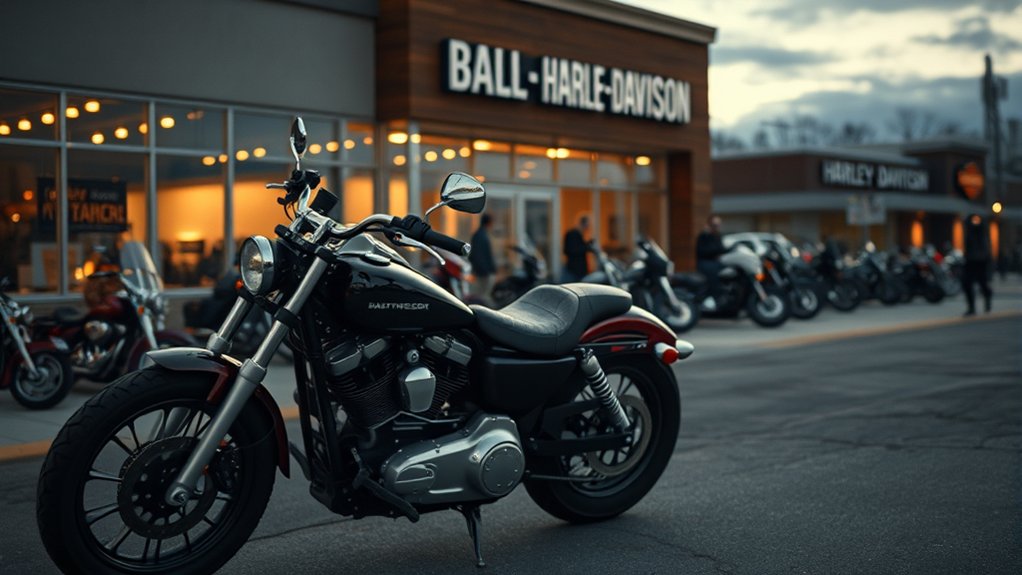
Although Harley-Davidson once dominated the U.S. motorcycle market, its sales have plummeted by more than 50% from 2006 to 2023, falling from over 260,000 units to around 121,000.
Harley-Davidson’s U.S. sales have dropped over 50%, from 260,000 to 121,000 units since 2006.
This sales decline coincides with a market share drop from 30% to approximately 27%. Competitors are now targeting the smaller, more affordable segment.
The aging demographic, with a median rider age above 50, is shrinking Harley’s customer base. This limits the influx of new buyers.
Plus, the brand’s limited product innovation isn’t really engaging younger riders, which reduces brand loyalty and market relevance.
On top of that, offshoring manufacturing and pricing strategies are making it harder for Harley to stay competitive.
As a result, the company struggles to reverse its sales decline amid a shrinking customer base and increased competition.
It’s clear that Harley needs targeted strategies to attract new buyers and regain market share.
Why Harley’s Pricing and Product Choices Turn Buyers Away
When you compare Harley-Davidson’s pricing and product lineup to market expectations, the disconnect becomes clear. Their new models, like the 2025 CVO Road Glide priced above $51,000, are more than many buyers can justify. This is especially true given the limited innovation and the traditional cruiser designs they stick to.
Harley-Davidson’s product line feels overpriced. Their electric LiveWire motorcycles, for example, are near $30,000, which limits affordability for younger, tech-focused consumers. The shrinking availability of entry-level and smaller bikes doesn’t help either.
These models are often costlier than comparable Japanese bikes, which reduces Harley’s market appeal even more.
On top of that, the high aftermarket and customization costs increase the total ownership expense. That tends to turn off value-conscious buyers.
How Aging Riders and Lack of Youth Appeal Hurt Harley

As Harley-Davidson’s median rider age has climbed from the mid-30s in the 1980s to over 50 today, the company faces a shrinking core customer base. This demographic shift shows aging riders dominate Harley’s market, which limits its appeal to younger buyers.
Most motorcycle enthusiasts under 40 prefer brands like Honda and Kawasaki, which offer smaller, performance-oriented bikes with modern features.
Harley’s focus on traditional cruisers and rebellious branding no longer aligns with younger consumers’ preferences for innovation and fresh experiences. This mismatch between Harley-Davidson’s product offerings and the evolving customer base directly contributes to declining sales and reduced brand relevance.
Without successfully attracting younger buyers, Harley risks further erosion of market share as its aging riders age out of the market. This threatens the company’s long-term growth and sustainability.
How Leadership Changes Affect Harley’s Strategic Direction
The challenges Harley-Davidson faces with an aging customer base are made even tougher by frequent leadership changes. These shifts disrupt strategic consistency and make it hard for the company to stay on course. When CEO Jochen Zeitz resigned and management changed again, it brought leadership instability that hurt the company’s long-term strategy.
This kind of turbulence is linked to less innovation and a shrinking market share. It’s clear that these issues have weakened Harley’s ability to compete globally.
Some key impacts include disrupted strategic planning because of the constant leadership changes. Innovation has also taken a hit, especially when executives don’t have much experience in the motorcycle industry.
The brand’s reputation has suffered too, thanks to inconsistent products and branding strategies. Dealers and consumers are losing confidence amid all the management shifts. Plus, internal conflicts and unstable leadership have sped up the market decline.
Without steady leadership, Harley struggles to stay focused, respond to market demands, and protect its position internationally. It’s a tough spot for the company right now.
How Manufacturing and Brand Image Affect Harley’s Appeal
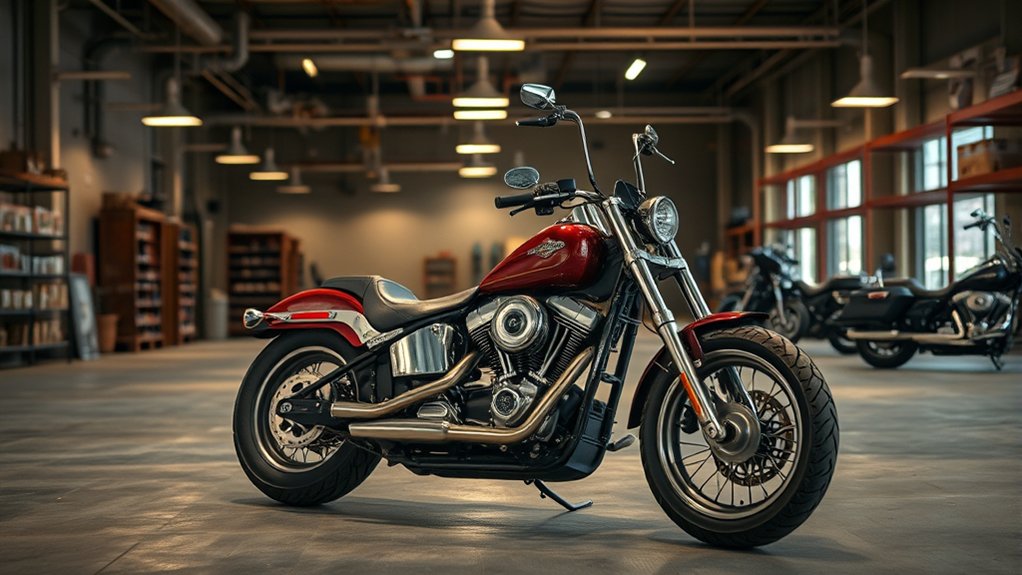
Although Harley-Davidson’s decision to shift manufacturing overseas aimed to reduce costs, it has considerably undermined the brand’s core identity tied to American craftsmanship.
Offshoring production to Thailand, Brazil, and India conflicts with Harley’s heritage, eroding customer trust and damaging brand image.
This manufacturing strategy, while lowering expenses, compromises perceived quality and authenticity, which are key factors in Harley’s appeal.
Data shows Harley’s brand value dropped from 73rd to 99th on Interbrand’s global list, reflecting diminished cultural and manufacturing authenticity.
As a result, Harley’s core customers, who prioritize American manufacturing, increasingly question the brand’s legitimacy.
To restore its standing, Harley must realign its manufacturing strategy with its heritage.
They need to emphasize authenticity and quality to rebuild customer trust and reinforce brand value.
Frequently asked questions
What Role Does Harley-Davidson’s Dealer Network Play in Its Decline?
Harley-Davidson’s dealer network plays a critical role in its decline by managing excessive inventory that forces you to offer steep discounts. This, in turn, undermines brand value.
The rigid top-down distribution limits your ability to tailor stock to local demand, which causes inefficiencies. You end up facing shrinking profit margins and financial strain.
That makes it harder to provide quality service, and this dissatisfaction feeds a negative cycle. It weakens sales and damages Harley’s overall market position.
How Have Global Economic Trends Impacted Harley-Davidson’s Performance?
When the chips are down, global economic trends have squeezed Harley-Davidson’s performance considerably. You’re facing rising manufacturing costs due to tariffs and offshoring, which increase expenses.
Currency fluctuations and trade policies have disrupted pricing strategies and profitability.
Economic slowdowns and geopolitical tensions suppress demand in major markets. These factors, combined with reduced consumer purchasing power in emerging economies, have constrained Harley’s international sales and overall financial health.
It’s clear these challenges have made things tougher for the company on multiple fronts.
What Is Harley-Davidson Doing to Improve Its Electric Motorcycle Technology?
You’re seeing Harley-Davidson improve its electric motorcycle technology by investing in enhanced battery range and faster charging capabilities. They’re developing new models like the India-made Sprint to diversify offerings and reduce costs through international manufacturing partnerships, including with Benelli.
They’ve also lowered LiveWire’s price to boost competitiveness. These steps show a data-driven focus on performance optimization and market adaptability to meet evolving consumer expectations in electric mobility.
It’s clear they’re serious about staying ahead in the electric motorcycle game.
How Do Harley-Davidson’s Marketing Strategies Compare to Competitors?
You’ll find Harley-Davidson’s marketing lags behind competitors by focusing on heritage and nostalgia instead of modern, performance-driven messaging. They underutilize digital channels and social media, which limits their reach to younger, tech-savvy consumers.
In contrast, brands like Yamaha and Kawasaki leverage data-driven, targeted campaigns, influencer partnerships, and versatile product promotion.
This strategic gap reduces Harley’s appeal among millennials and urban riders. That’s a big deal because it impacts their market share growth in emerging demographics.
Basically, Harley could benefit from updating their approach to better connect with today’s riders.
Are There Any Plans for Harley-Davidson to Diversify Beyond Motorcycles?
You should know Harley-Davidson’s diversification beyond motorcycles remains limited, with less than 5% of revenue coming from non-motorcycle products.
While they’ve introduced electric bikes like the LiveWire and explored international manufacturing, they haven’t substantially expanded into adjacent markets such as apparel or accessories at scale.
Their focus stays on heavyweight cruisers.
Final Thought
You’re seeing Harley-Davidson’s sales drop by nearly 10% in recent years, reflecting deeper issues beyond just product appeal. Pricing strategies and an aging customer base have eroded market share. At the same time, leadership shifts have made it harder to have a clear, cohesive direction.
Manufacturing challenges and a declining brand image further reduce its competitiveness. When you look at the data, it becomes clear why Harley struggles to connect with younger riders. It’s also why they’re having a tough time maintaining their historic dominance in a market that’s changing fast.