How Much Does A Harley Trike Weigh – Exact Amounts
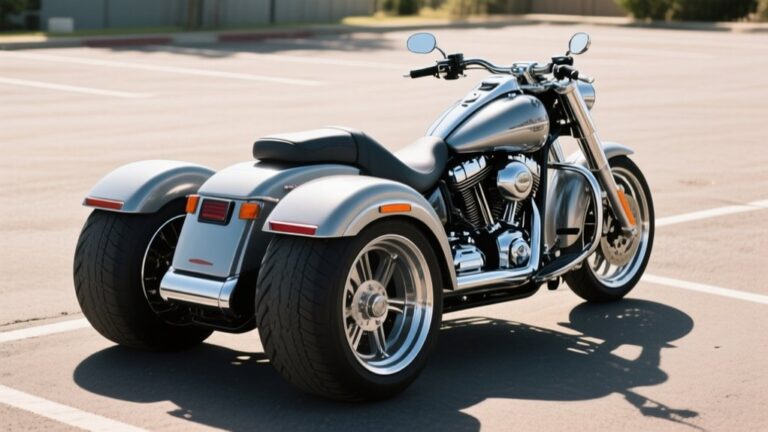
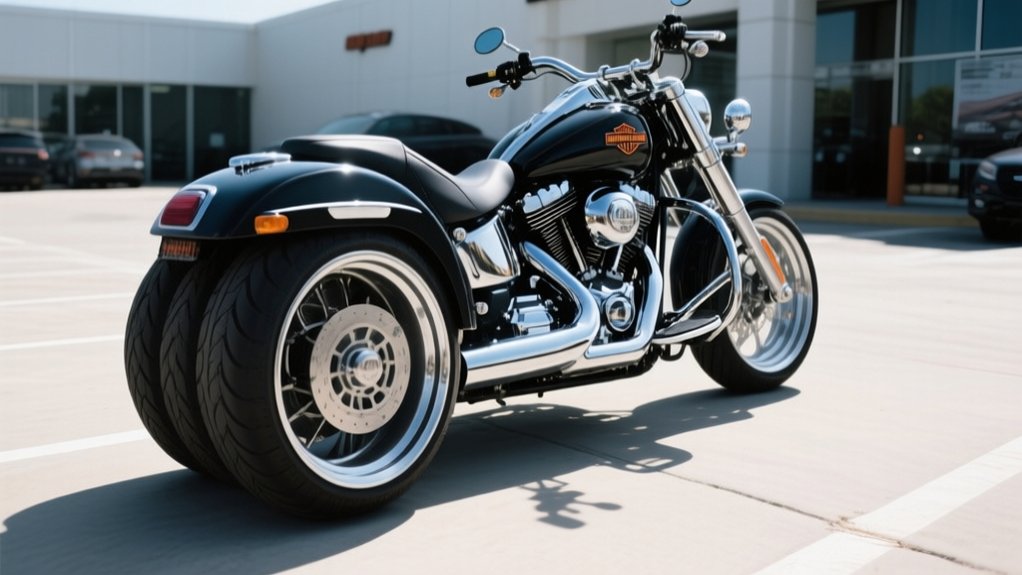
A Harley-Davidson Tri Glide Ultra weighs about 1,204 pounds fully equipped, making it one of Harley’s heaviest trikes. This weight includes a Milwaukee-Eight 114 engine, fluids, and accessories like the large King Tour-Pak.
Compared to other Harleys, it’s heavier than Softail, Sportster, and even Freewheeler models. The substantial weight boosts stability but requires careful load management for safe handling.
Keep in mind how cargo and fuel impact this weight if you want to optimize your ride’s performance and safety. It’s something to consider every time you hit the road.
Exact Weight of the Harley-Davidson Tri Glide Ultra
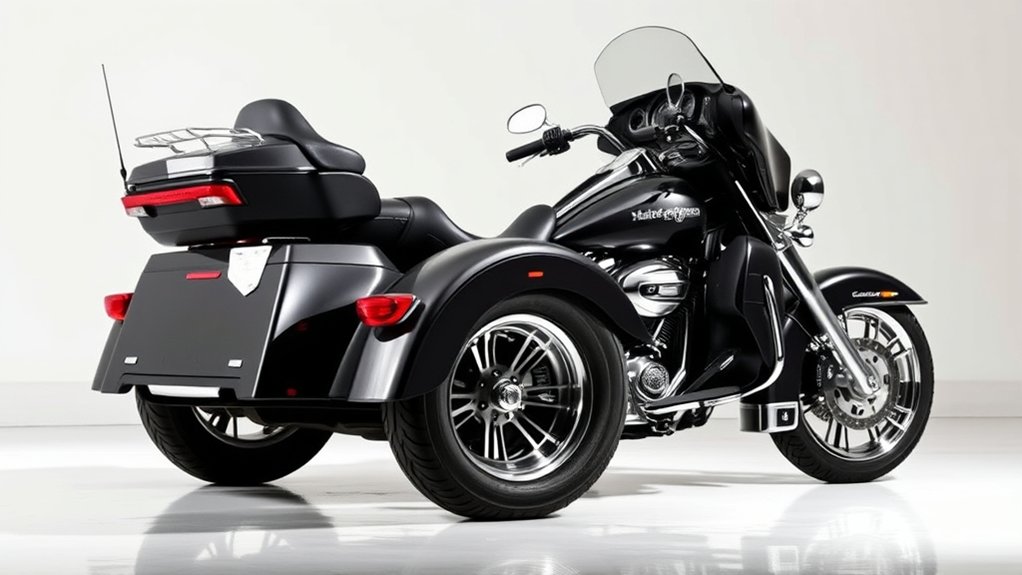
Although the exact weight of the Harley-Davidson Tri Glide Ultra varies slightly depending on the configuration, the 2023 model typically weighs around 1,237 pounds wet. This wet weight includes all necessary fluids like fuel and oil, so you get an accurate sense of the bike’s operational mass.
Before full assembly and optional accessories, the shipping weight is approximately 1,199 pounds.
Once fully loaded with fluids and standard accessories, the Tri Glide® Ultra reaches about 1,243 pounds in running order.
This weight reflects the trike’s robust frame, added stability features, and comfort enhancements. When you ride the Tri Glide® Ultra, you’re handling one of Harley’s heaviest three-wheel motorcycles, designed to balance stability and performance without sacrificing control.
How Tri Glide Weight Compares to Other Harley Models
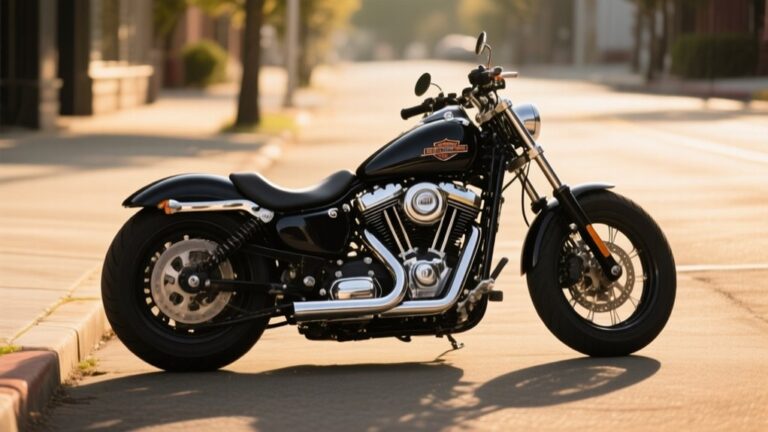
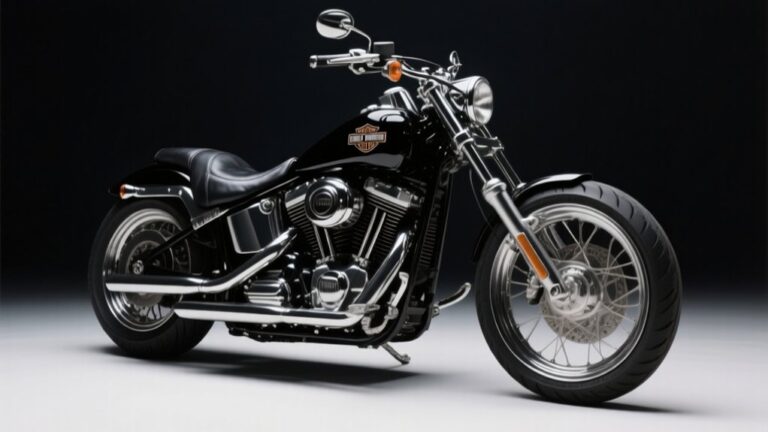
When you compare the Harley-Davidson Tri Glide Ultra to other Harley models, its weight really stands out. At 1,204 pounds, the Tri Glide is heavier than most Softail and Sportster bikes, which usually range from 480 to 750 pounds.
It also outweighs the Road King touring bike, which comes in at 807 pounds, and even the Freewheeler trike at 1,118 pounds. This extra weight actually helps with stability and makes long rides more comfortable.
Here’s a clear comparison:
| Harley Model | Weight (lbs) |
|---|---|
| Sportster | 480-750 |
| Road King | 807 |
| Freewheeler Trike | 1,118 |
| Tri Glide Ultra | 1,204 |
You’ll notice the Tri Glide’s weight supports a smoother, more secure ride compared to the lighter models.
Key Factors Adding to the Tri Glide’s Weight
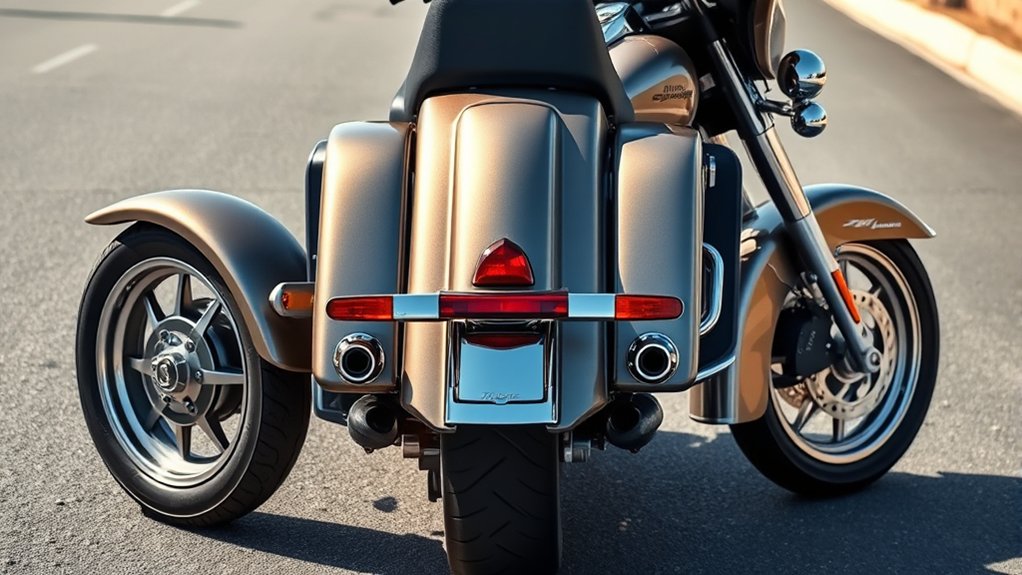
The Tri Glide’s weight advantage comes from several specific components and design choices. The Milwaukee-Eight 114 engine considerably adds mass compared to smaller engines, making the Tri heavier. Its heavy-duty frame and reinforced suspension systems are engineered to support the trike’s stability but add considerable weight.
You’ll notice the large trunk and King Tour-Pak® storage, which increase cargo capacity but also add bulk. Advanced infotainment, braking systems, and integrated safety tech contribute additional weight, enhancing performance and rider experience.
Every accessory and structural element on the Tri Glide is designed for durability and utility, which naturally increases the overall mass.
Durability and utility in every component add to the Tri Glide’s robust weight and strength.
In its standard form, the Harley Tri weighs about 1,118 lbs, reaching up to 1,204 lbs fully equipped, reflecting these combined weight factors. So, while it’s heavier, all that weight plays a part in making the ride stable, safe, and comfortable.
Why Tri Glide Weight Matters for Rider Safety and Transport
Because the Harley-Davidson Tri-Glide Ultra weighs around 1,204 pounds fully equipped, you need to pay close attention to how that weight affects handling and safety.
The Tri Glide’s substantial weight enhances highway stability, providing a secure ride at speed. However, it demands careful weight distribution to maintain rider safety during acceleration, braking, and cornering.
Improper loading or exceeding weight limits can compromise stability, increasing the risk of tip-overs or loss of control. When planning transport or carrying passengers and luggage, understanding the Tri Glide’s weight capacity is essential.
You have to balance the load precisely to preserve handling and avoid safety hazards.
In short, the Harley-Davidson® Tri Glide’s weight directly influences safe operation and transport logistics. So, keeping an eye on weight and distribution really pays off when you’re out on the road or moving your bike around.
How Tri Glide Weight Impacts Handling and Stability
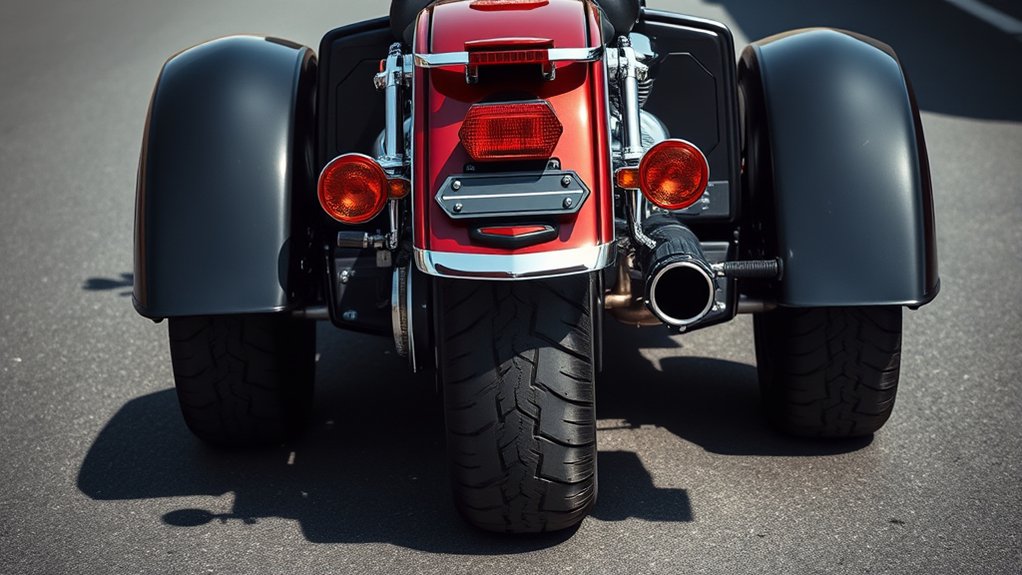
Although weighing around 1,204 pounds, the Harley Tri-Glide Ultra offers a uniquely stable ride at highway speeds. You’ll notice it requires more effort to maneuver at lower speeds.
The significant weight contributes to exceptional stability and control when cruising. Still, it means you need to adapt your handling techniques during slow-speed maneuvers.
Proper weight distribution is essential to maintain balance and optimize braking and cornering performance.
Keep these key points in mind regarding weight’s impact on handling and stability:
- Heavier mass dampens vibrations, improving long-distance comfort and control
- Increased weight can extend braking distances and affect cornering agility
- Maneuvering at low speeds requires deliberate effort and precise handling
Understanding these factors helps you maintain control and stability throughout varied riding conditions.
How Fuel and Cargo Affect the Tri Glide’s Riding Weight
Understanding how weight influences handling leads directly to thinking about how fuel and cargo impact your Tri Glide’s riding weight.
The Harley-Trike’s 6-gallon fuel tank adds roughly 36 pounds when full, which really bumps up the total weight.
Plus, the Tri Glide has 6.8 cubic feet of storage space for cargo, and that can vary a lot in weight. This definitely affects how the bike handles and stays stable.
Don’t forget, personal gear and accessories in the compartments add to the overall load too.
Since fuel consumption reduces weight during rides, and cargo can change depending on what you bring, the actual riding weight is always shifting.
Being aware of how cargo and fuel load impact your bike helps you better anticipate changes in performance and handling.
That way, you can enjoy safer and more controlled rides.
Understanding Manufacturer Weight Specs: What’s Included
When you check the manufacturer weight specs for a Harley trike, you’ll typically see the curb weight listed. This includes the bike fully equipped with fluids and factory accessories. These manufacturer weight specifications give you a realistic baseline for the trike’s handling and transportation.
However, they often exclude optional accessories or added cargo, so the actual riding weight may be higher.
Keep in mind these points about manufacturer weight specifications:
Curb weight reflects the bike ready to ride, with oil, fuel, and standard equipment installed. Optional accessories like luggage or aftermarket parts usually aren’t included.
Wet weight terms often mean the same as curb weight, emphasizing a fully fluid-equipped vehicle.
Verifying what’s included in the specs helps you accurately assess your Harley trike’s true weight. It’s always good to double-check so you know exactly what you’re dealing with.
Safe Loading and Hauling Tips for Your Harley Trike
Knowing the true weight of your Harley trike helps you choose the right trailer and secure it properly for transport. For safe loading, use trailers designed specifically for three-wheel motorcycles, like ground-level walk-on models. This helps avoid shifting or balance issues.
Always verify the trailer’s capacity exceeds your trike’s fully loaded weight, which is over 1,100 lbs. Secure your trike with high-quality straps, and inspect the setup for stability before every trip. It’s worth taking these precautions to keep your ride safe.
| Step | Action | Reason |
|---|---|---|
| 1 | Choose trike-specific trailer | Supports heavy weight safely |
| 2 | Use ground-level trailer | Prevents ramp loading issues |
| 3 | Verify trailer capacity | Avoids overloading hazards |
| 4 | Secure with high-quality straps | Prevents movement/damage |
| 5 | Inspect setup before travel | Ensures stability and balance |
Practical Advice for Managing Tri Glide Weight on the Road
You’ll want to focus on proper weight distribution to keep your Tri Glide stable and easy to control while you’re out on the road. It really makes a difference.
Also, don’t forget to adjust your suspension settings and tire pressure — this helps you handle the extra weight much better.
On top of that, tweaking your seat position and adding some ergonomic accessories can make those long rides way more comfortable.
Trust me, a little adjustment goes a long way when you’re spending hours behind the handlebars.
Weight Distribution Tips
Although Harley Trikes offer enhanced stability compared to two-wheeled motorcycles, managing their weight distribution remains essential for ideal handling and safety. You need to keep the rider and passenger centered to maintain balance and avoid shifts that compromise control.
Evenly distributing luggage and accessories across the rear cargo area prevents uneven weight shifts that could destabilize your ride. Proper tire pressure also plays a vital role in ensuring the weight is evenly distributed across the tires for excellent road contact.
Keep in mind the total weight limit to avoid overloading, which negatively affects handling and safety. Here are key weight distribution tips:
- Center the rider and passenger to maintain the trike’s center of gravity.
- Balance luggage evenly across the rear cargo space.
- Maintain proper tire pressure for consistent weight support.
Handling Heavier Loads
When carrying heavier loads on your Harley-Davidson Tri-Glide Ultra, which weighs between 1,118 and 1,204 pounds, maintaining an upright riding posture and practicing slow-speed maneuvers become essential for control. Proper handling starts with evenly distributing cargo and passenger weight to optimize balance.
Using trike-specific trailers, like Zpros ground-level models, simplifies loading and unloading, minimizing handling difficulties.
Regularly check tire pressure and brake performance to guarantee safe operation under added weight, especially during highway and city rides.
Adjust your riding technique by anticipating longer stopping distances and reduced agility. These steps help you manage the increased mass effectively, maintaining stability and safe handling while steering turns or uneven surfaces.
Handling heavier loads demands precision and attentiveness to preserve control on the road. It’s all about being mindful and making small adjustments to stay safe out there.
Rider Comfort Strategies
Since managing the weight of a Harley Trike directly affects your riding experience, implementing rider comfort strategies is essential for control and endurance on the road. Prioritize stability and comfort by optimizing weight distribution and suspension settings. Balancing the load evenly between you and a passenger minimizes handling challenges tied to the trike’s mass.
Adjusting suspension to fit this weight improves ride quality and reduces fatigue on long trips.
Plus, ergonomic gear like padded seats and back supports relieves pressure points caused by the heavy frame.
To enhance stability and comfort, focus on:
- Even weight distribution and balanced load
- Suspension tuning for added weight
- Using ergonomic seats and back supports
These strategies ensure safer, more comfortable rides despite the Harley Trike’s substantial weight. It really makes a difference once you get these right.
Frequently asked questions
What Maintenance Is Required for the Trike’s Additional Weight Components?
You need to regularly inspect and tighten all bolts and fasteners on the additional weight components to guarantee stability.
Check the suspension and shocks frequently, as extra weight causes more wear.
Monitor tire pressure often to handle the increased load.
Maintain the brake system by inspecting pads and fluid levels for effective stopping.
Also, schedule routine maintenance for any electronic systems linked to these components, like tire-pressure monitors or rider safety features.
Taking these steps will help keep your trike safe and running smoothly.
How Does the Trike’s Weight Affect Fuel Efficiency?
The trike’s weight directly lowers your fuel efficiency because your engine has to work harder to move the heavier mass. You’ll notice reduced miles per gallon compared to lighter motorcycles, especially during long rides.
Adding passengers or cargo further decreases efficiency since the engine consumes more fuel to maintain speed.
Expect fuel economy around 42 MPG, which is less than what you’d get on a lighter, two-wheeled Harley model.
Are There Specific Insurance Considerations for Heavier Harley Trikes?
They say, “An ounce of prevention is worth a pound of cure.” When insuring heavier Harley trikes, you’ll face specific considerations.
Insurers often require specialized policies or endorsements because of the extra weight involved.
You might end up paying higher premiums for extensive and collision coverage. It’s a good idea to check with your provider about how weight impacts your rates.
Also, ask if additional coverage is recommended to fully protect your investment.
Can the Trike’s Weight Be Reduced With Aftermarket Parts?
Yes, you can reduce your Harley trike’s weight with aftermarket parts. Swapping heavy stock components for lightweight wheels, exhausts, or carbon fiber accessories can shave off several pounds, sometimes over 50 lbs.
Using aluminum or titanium parts, and lighter alloy suspension upgrades, also helps.
That said, weight reduction really depends on the parts you choose to replace. Just make sure you keep safety, durability, and manufacturer specs in mind. You don’t want to compromise your trike’s performance in the process.
How Does Trike Weight Influence Tire Wear and Replacement Frequency?
Heavier trike weight increases pressure on your tires, causing faster wear and more frequent replacements. You’ll notice that the sidewalls and tread deteriorate quicker due to greater stress and heat buildup.
Overloading makes this even worse, so you’ve got to keep an eye on your tire condition regularly.
It’s important to maintain proper balance and inflation to help manage the weight effectively. Doing this can really extend your tire life and prevent premature blowouts.
Plus, it means safer rides and lower maintenance costs in the long run.
Final Thought
You might expect the Harley Tri Glide to feel heavy, yet its weight brings unmatched stability. While it’s heavier than most two-wheelers, that mass enhances control and safety, especially on long rides.
Balancing fuel and cargo keeps it nimble, despite the bulk. Understanding these weight nuances helps you handle and transport your trike confidently. So, embrace the weight, not as a burden, but as a key to a safer, smoother ride.